


News
We'll get back to you as soon as possible.
From Trash to Tank: 6 Steps to Generate Biogas from Organic Waste for Your Business
Every business that handles organic material faces a dual challenge: disposal costs and energy bills. What if your waste stream could cut your energy expenses? Turning biogas from organic waste into a usable fuel is a proven industrial process, not a future concept. This method uses anaerobic digestion to convert materials like food scraps, agricultural residue, and manure into methane-rich gas. For farms, food processors, and wastewater treatment plants, implementing a system to produce biogas from organic waste transforms a cost center into a revenue stream. This article explains how it works and what you need to know to evaluate it for your operation.
How Does the Biogas from Organic Waste Process Work?
The core technology is anaerobic digestion, a natural biological process accelerated in controlled environments. It's a series of steps where microorganisms break down organic matter in the absence of oxygen.
The process starts with feedstock reception and preparation. Waste is shredded and mixed with water to create a slurry, optimizing it for digestion.
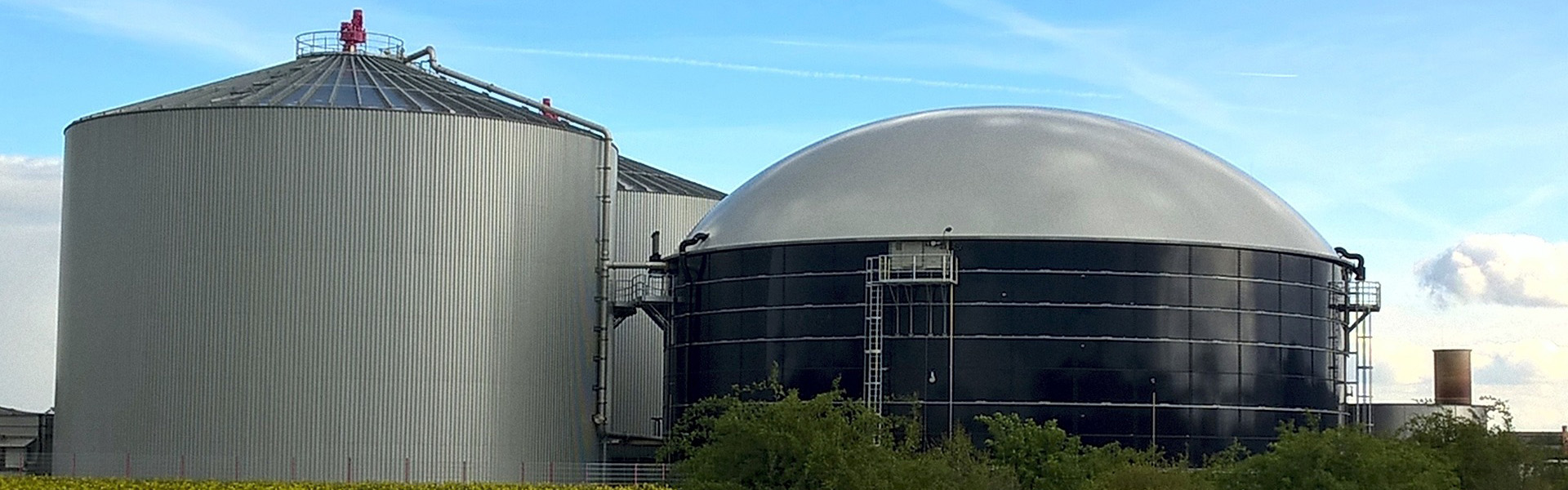
This slurry is fed into a sealed tank called a digester. Here, microbes digest the material over several weeks, producing raw biogas—a mix of roughly 60% methane and 40% carbon dioxide, with trace gases.
The raw biogas from organic waste is then captured from the top of the digester. The leftover digestate is a nutrient-rich liquid fertilizer, completing the circular economy loop.
Key Technologies for Capture and Upgrading
Capturing the gas is only the first step. To become a commercial fuel, the raw biogas must be cleaned and upgraded.
Basic cleaning removes hydrogen sulfide and moisture, protecting downstream equipment. This is essential even for simple heat and power generation.
For higher-value applications, a biogas upgrading plant is used. Technologies like membrane separation or pressure swing adsorption strip out CO2 and other impurities.
The output is biomethane, over 95% pure methane. This gas is chemically identical to natural gas and can be injected into the grid or compressed as vehicle fuel (Bio-CNG). This upgrading stage is what transforms biogas from organic waste into a direct substitute for fossil gas.
Applications: From Heat to Vehicle Fuel
The end use determines the required level of gas treatment. Different applications offer different returns on investment.
The simplest use is for combined heat and power (CHP). The cleaned biogas fuels a generator, producing electricity for on-site use and heat for boilers or digesters.
For direct heating, biogas can fuel modified boilers or furnaces directly. This is common in operations like ceramics manufacturing or food processing that need process heat.
The most valuable application is biomethane for transport or grid injection. After upgrading in a biogas upgrading plant, the gas becomes a high-grade fuel. A dairy farm, for instance, can run its milk tankers on biogas from organic waste produced by its own herd.
Economic Considerations and Cost Factors
The business case hinges on scale, feedstock costs, and the value of the end product. Capital expenditure is significant but often justified by long-term savings and revenue.
A small, pre-fabricated digester unit for a farm might start in the hundreds of thousands of dollars. Large-scale industrial systems with full upgrading can run into the millions.
Critical cost drivers include: digester tank construction, gas cleaning and upgrading systems, CHP units or compressors, and automated feedstock handling equipment.
Revenue comes from several streams: selling electricity/heat, selling biomethane, selling digestate as fertilizer, and avoiding waste disposal fees. Carbon credit programs in many regions provide additional income. The business model for biogas from organic waste is strongest where disposal fees are high and energy prices are unstable.
Choosing a System Provider and Key Services
Selecting the right engineering partner is as important as the technology. Look for providers with a proven track record in your specific industry segment.
Reputable providers offer a full project lifecycle service. It begins with a detailed feasibility study, analyzing your waste composition, volume, and local energy prices.
Engineering, Procurement, and Construction (EPC) services deliver a turnkey plant. Ensure they have experience with the type of biogas from organic waste you will process.
Operation & Maintenance (O&M) support is non-negotiable. Biological processes need monitoring and adjustment. Long-term O&M agreements ensure your plant performs optimally for its entire 20+ year lifespan. Providers may also assist with permitting and securing offtake agreements for your gas.
Feedstock Types and Pre-Treatment Requirements
Not all organic waste is equal. The biogas yield and process stability depend heavily on what you feed the digester.
High-yield feedstocks include: food waste (fats, oils, grease offer the highest yield), dedicated energy crops like maize, and animal manure. Manure provides steady, consistent gas production and is often co-digested with other wastes.
Challenging feedstocks include lignocellulosic materials like straw or woody waste. These require pre-treatment (e.g., thermal or enzymatic) to break down before digestion.
Pre-treatment is a critical step. It often involves pasteurization (to meet hygiene regulations), removal of contaminants (plastic, metals), and homogenization to create a consistent feed for the microbes. Proper preparation ensures efficient and reliable production of biogas from organic waste.
Developing a project to create biogas from organic waste is a strategic investment in operational resilience and sustainability. It addresses waste management headaches, locks in energy costs, and generates new revenue from by-products. Success requires careful planning, a clear understanding of your feedstock, and a strong partnership with a qualified technology provider. As carbon reduction targets tighten globally, mastering the production and use of biogas from organic waste positions businesses ahead of regulatory curves and market shifts.
Frequently Asked Questions (FAQs)
Q1: Is a biogas plant from organic waste safe and odor-controlled?
A1: Yes, when designed correctly. The anaerobic digestion process is contained within sealed tanks. Modern plants use enclosed feedstock handling systems and often implement biofilters to treat any exhaust air. A well-managed facility producing biogas from organic waste should not create odor nuisances for surrounding areas.
Q2: How much waste do I need to make a project viable?
A2: Viability depends on waste type and local energy prices. As a rough guide, a minimum of 10,000 to 20,000 tons of organic waste per year often justifies a commercial-scale energy recovery project. Smaller, on-farm systems can be viable with the waste from a few hundred cattle, especially when factoring in fertilizer value and disposal cost savings.
Q3: Can I mix different types of organic waste?
A3: Absolutely. This is called co-digestion and is very common. Mixing feedstocks, like manure with food waste, often improves the gas yield and process stability. It allows for a more consistent nutrient balance for the microbes, leading to more efficient production of biogas from organic waste.
Q4: What happens to the leftover material after digestion?
A4: The leftover liquid, called digestate, is a valuable product. It is a stable, nutrient-rich bio-fertilizer that is easier for plants to absorb than raw manure. It can often be separated into a solid fraction (used as compost or bedding) and a liquid fraction (used as liquid fertilizer), completing the circular loop.
Q5: How long does it take to build a biogas plant?
A5: From initial feasibility study to commissioning, a typical timeline for a commercial biogas from organic waste plant is 18 to 24 months. This period includes design, permitting (which can be lengthy), procurement, construction, and startup. Pre-fabricated, modular systems can sometimes shorten the construction phase.