The palm oil industry faces a dual challenge: managing vast amounts of organic waste and reducing its operational carbon footprint. A powerful, circular solution is the generation of biogas from palm oil waste. This process transforms environmental liabilities into renewable energy and valuable by-products.
For mills worldwide, this isn't just about sustainability—it’s a strategic energy investment. Modern biogas upgrading equipment manufacturers have tailored robust systems to handle the specific characteristics of palm oil mill effluent (POME), turning a treatment problem into a profit center.
What is Biogas from Palm Oil Waste and How Does It Work?
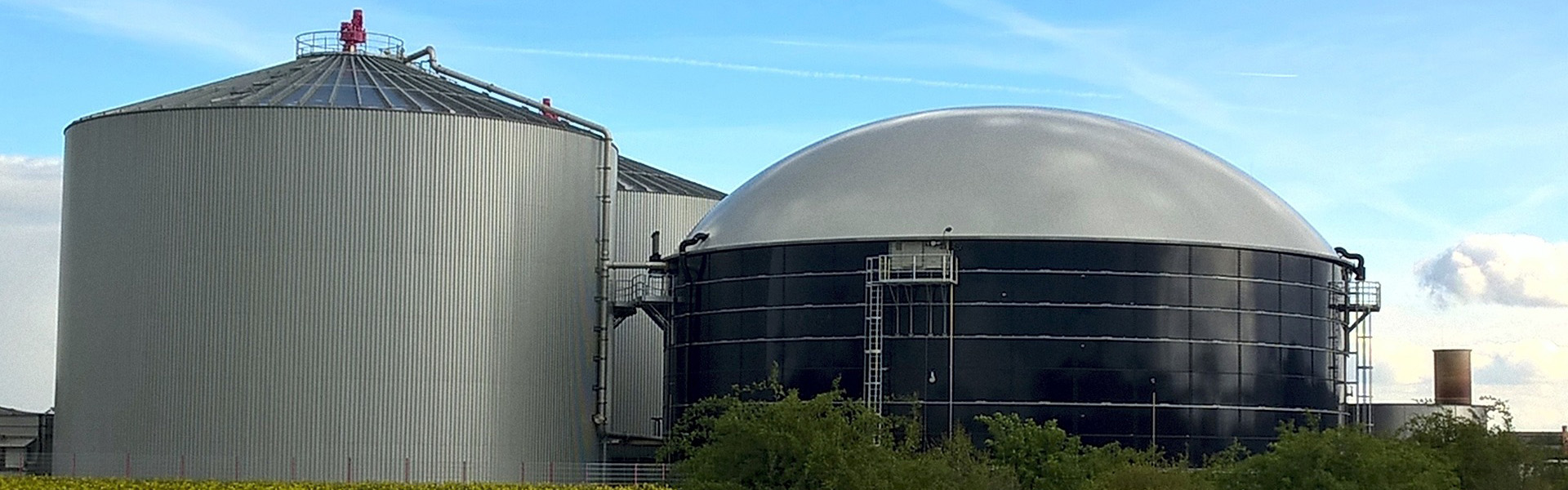
Biogas from palm oil waste is primarily produced from Palm Oil Mill Effluent (POME), the wastewater generated during palm fruit processing. When digested anaerobically (without oxygen), POME releases a gas mixture rich in methane (CH₄).
This biogas is a direct replacement for fossil fuels. The core technology is anaerobic digestion. POME is fed into sealed tanks or covered lagoons, where bacteria break down organic matter over 20-30 days.
The resulting raw biogas typically contains 55-65% methane, with the remainder being CO₂ and trace gases. To maximize value, this gas is often cleaned and upgraded using technologies from leading international biogas upgrading equipment manufacturers.
Key Benefits of Generating Biogas from POME
The advantages of implementing a biogas from palm oil waste system are substantial and multi-faceted.
First, it slashes greenhouse gas emissions. Untreated POME in open ponds releases methane directly into the atmosphere, a gas 25-34 times more potent than CO₂. Capturing it for energy prevents these emissions.
Second, it provides reliable, on-site energy. The upgraded biogas (biomethane) can fuel boilers for steam generation or power gas engines for electricity. This drastically cuts a mill's reliance on grid power or fossil fuels.
Third, the digested effluent, now called digestate, is a superior, stabilized organic fertilizer. This closes the nutrient loop on plantations. Finally, projects can generate significant revenue through carbon credit schemes under mechanisms like the CDM or voluntary carbon markets.
Core Technologies: From Digestion to Upgrading
Implementing a successful biogas from palm oil waste project requires integrating several key technologies.
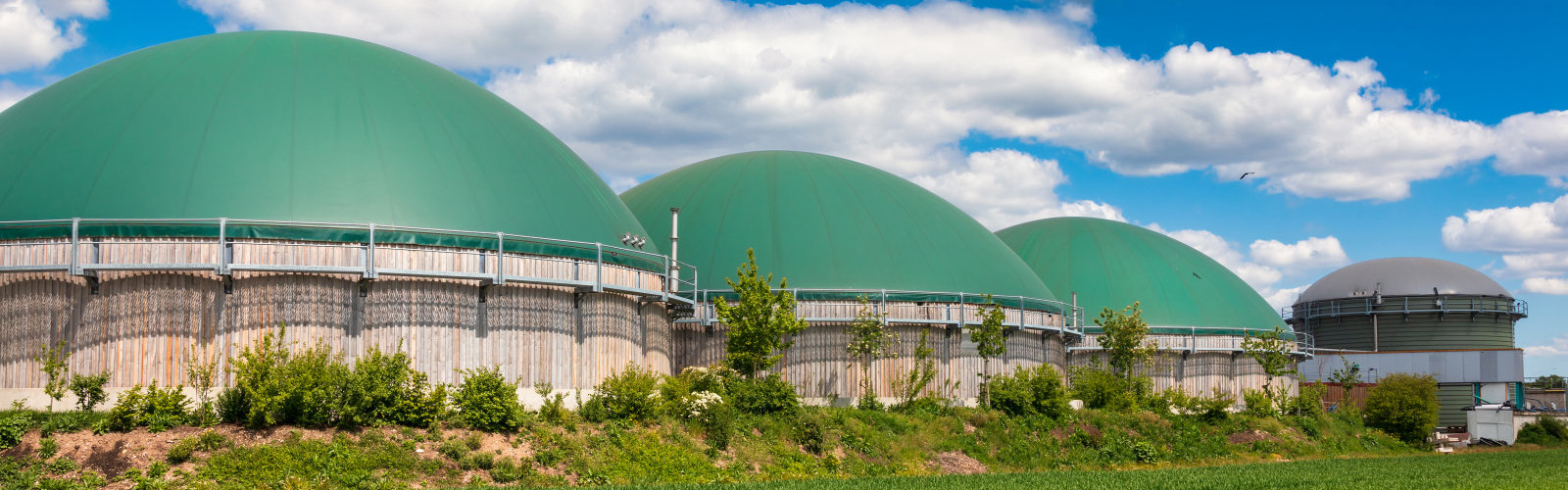
The first stage is the anaerobic digester. For POME, common systems include continuous stirred tank reactors (CSTRs) or more advanced, high-rate reactors like fixed-film or expanded granular sludge bed (EGSB) digesters. These offer better efficiency and smaller footprints than traditional lagoons.
The second, crucial stage is biogas upgrading. This is where specialized manufacturers deliver critical technology. Upgrading strips CO₂, hydrogen sulfide, and moisture from raw biogas to produce over 97% pure biomethane.
Dominant upgrading technologies include:
Water Scrubbing: Uses high-pressure water to absorb CO₂.
Membrane Separation: Filters gases based on molecular size.
Pressure Swing Adsorption (PSA): Uses specialized materials to adsorb CO₂ under pressure.
Chemical Scrubbing: Uses amine solutions for highly selective CO₂ removal.
The choice depends on scale, desired purity, and capital/operational cost considerations advised by the technology provider.
Commercial Models and Project Implementation
Mills can develop biogas from palm oil waste projects through various commercial models.
The most straightforward is direct EPC (Engineering, Procurement, and Construction). The mill owner funds the project and hires a contractor to build the turnkey plant. Long-term operation and maintenance (O&M) can be handled by the mill's team or outsourced.
A Build-Operate-Transfer (BOT) model is increasingly popular. Here, a specialized developer finances, builds, and operates the plant for a contract period (e.g., 15 years). The mill provides the POME and may purchase the generated energy. Ownership transfers to the mill at the contract's end.
Joint ventures between mills and energy/technology companies are also common. This shares risk and pools expertise. Leading international biogas upgrading equipment manufacturers often partner with local EPC firms to offer complete solutions.
Cost Analysis and Return on Investment (ROI)
The capital expenditure (CAPEX) for a biogas from palm oil waste plant varies widely. Key factors include mill capacity (tons of FFB per hour), chosen technology (basic flare vs. full upgrading to biomethane), and end-use (power generation vs. boiler fuel).
A basic covered lagoon with a flare might cost a few hundred thousand dollars. A complete, high-rate digestion system with biogas upgrading and a CHP plant can range from $3 million to $10 million for a medium-sized mill.
Operational costs (OPEX) include labor, maintenance, and chemicals for upgrading. However, the ROI is compelling. Revenue streams include:
Savings on fossil fuel purchases (e.g., diesel for boilers).
Savings on electricity purchases.
Sales of excess power to the grid (if policy allows).
Revenue from carbon credits.
Reduced costs for chemical fertilizers via digestate use.
Payback periods typically range from 3 to 7 years, making it a sound financial investment.
Choosing the Right Technology and Service Provider
Selecting the right partner is critical. Look for international biogas upgrading equipment manufacturers with proven experience in the palm oil sector. POME's high temperature, fibrous nature, and specific chemistry demand tailored solutions.
Evaluate their project portfolio. Do they have successful, long-running references in similar climates and mill scales? Scrutinize the technology's reliability, energy consumption of the upgrading unit, and the quality of local service support.
A comprehensive provider should offer more than just hardware. They should deliver process design, automation controls, training, and guaranteed performance parameters (e.g., methane purity, recovery rate). Insist on a clear lifecycle cost analysis, not just the lowest upfront price.
Harnessing biogas from palm oil waste represents a mature and economically viable pathway for the industry. It aligns waste management with clean energy production and carbon mitigation.
By partnering with experienced international biogas upgrading equipment manufacturers and selecting the appropriate commercial model, mills can future-proof their operations. They turn a mandatory treatment process into a strategic asset, boosting profitability while making a decisive step toward circular economy principles.
Frequently Asked Questions (FAQs)
Q1: What is the main source for biogas in a palm oil mill?
A1: The primary and most abundant source for biogas from palm oil waste is Palm Oil Mill Effluent (POME). This wastewater has a very high organic content, making it ideal for anaerobic digestion. Empty fruit bunches (EFB) can also be co-digested with POME to increase biogas yield.
Q2: How much biogas can one ton of POME produce?
A2: On average, one cubic meter of POME can generate about 20-28 cubic meters of biogas. For a mill processing 60 tons of fresh fruit bunches (FFB) per hour, this can translate to producing enough biogas to generate 1-2 megawatts of continuous electrical power, significantly covering the mill's own energy needs.
Q3: What are the biggest operational challenges in a POME biogas plant?
A3: Key challenges include maintaining consistent feed quality, managing the digester's temperature and pH for optimal bacterial activity, and handling hydrogen sulfide (H₂S) in the biogas which is corrosive. Pre-treatment of POME and selecting robust upgrading equipment from reputable manufacturers are essential to mitigate these issues.
Q4: Is government support or policy available for these projects?
A4: In many palm oil-producing countries like Indonesia, Malaysia, and Thailand, yes. Policies include feed-in tariffs for renewable electricity, mandates for POME treatment via biogas capture, and support for carbon trading. It's crucial to investigate local regulations and incentives, as they greatly improve project economics.
Q5: Can the upgraded biomethane be used for vehicles or injected into gas grids?
A5: Absolutely. Once upgraded to over 97% methane (biomethane), it meets specifications for use as Compressed Natural Gas (Bio-CNG) for factory vehicles or trucks. In regions with natural gas infrastructure, it can also be injected into pipelines. This represents the highest-value application for biogas from palm oil waste, though it requires proximity to offtake markets.