


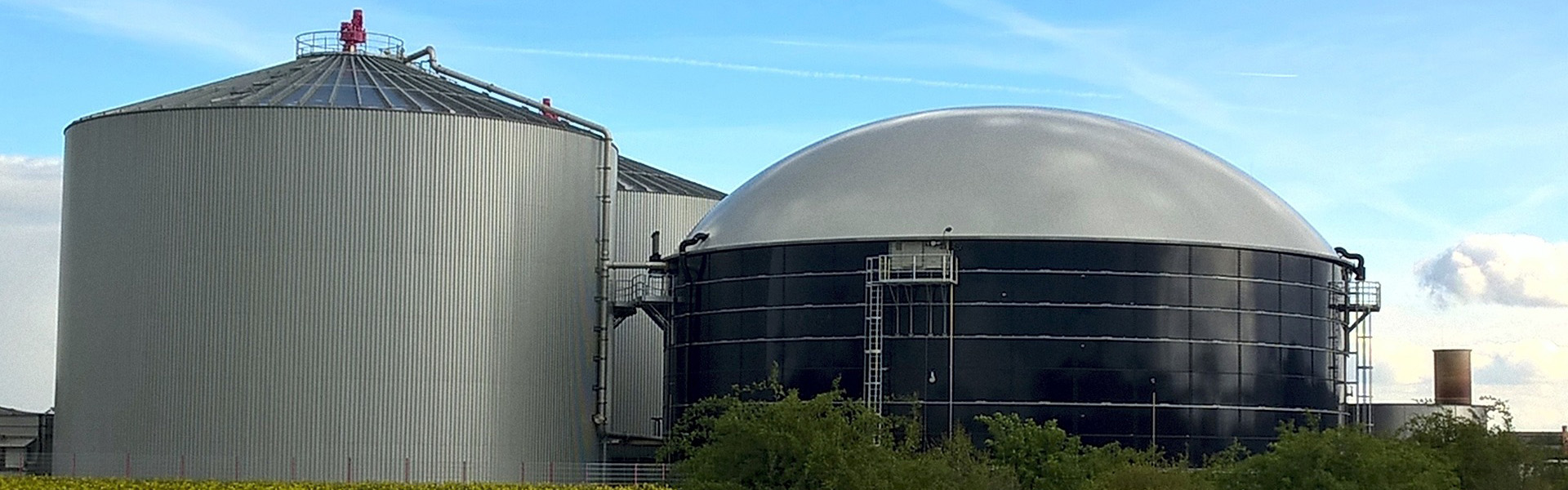
How Biogas from Sugarcane Powers Mills and Creates New Revenue
The global sugarcane industry has long been a powerhouse of renewable energy, primarily through bagasse-fired cogeneration. Now, a more efficient and versatile energy stream is rising: biogas from sugarcane.
This process taps into the vast organic potential of vinasse and other mill residues, transforming a significant waste disposal challenge into clean, renewable energy. For forward-thinking mills and distilleries, integrating biogas systems is no longer just an environmental consideration; it's a strategic move for energy independence, cost reduction, and new profit streams.
Leading international biogas upgrading equipment manufacturers are now offering robust solutions specifically tailored for the high-volume, seasonal nature of sugarcane processing.
What Exactly is Biogas from Sugarcane and How is it Made?
Biogas from sugarcane is a methane-rich gas produced through the anaerobic digestion of organic by-products from sugar and ethanol mills. The primary feedstock is vinasse, the liquid residue left after ethanol distillation. It's highly abundant, organic, and traditionally used as fertilizer, though often in quantities that can stress local soil and water.
Additional feedstocks include filter cake (mud from juice clarification) and even some pre-treated bagasse. These materials are fed into large, sealed tanks called anaerobic digesters.
Inside, in the absence of oxygen, microbial communities break down the organic matter. This biological process releases a gas mixture typically composed of 55-65% methane (CH₄), 35-45% carbon dioxide (CO₂), and trace elements.
Key Benefits: Why Sugarcane Mills are Investing in Biogas
The drive to produce biogas from sugarcane is fueled by concrete operational and financial benefits.
First, it solves a major waste issue. Digesting vinasse significantly reduces its organic load and odor, producing a stabilized, nutrient-rich digestate that is a superior and less environmentally risky fertilizer.
Second, it provides reliable, on-site energy. The biogas can be used directly in boilers to supplement bagasse, burned in gas engines for electricity generation, or purified for more advanced uses. This reduces a mill's fossil fuel consumption and energy costs.
Third, it opens new revenue. Upgraded biogas, called biomethane or renewable natural gas (RNG), can be sold into gas grids, used as vehicle fuel (Bio-CNG), or generate carbon credits. It effectively turns a waste stream into a tradable energy commodity.
Core Technologies: From Digestion to High-Value Biomethane
Producing biogas from sugarcane involves a two-stage technological chain: digestion and upgrading.
For digestion, Continuous Stirred Tank Reactors (CSTRs) are common for vinasse due to their robustness in handling high-volume liquids. More advanced systems like Upflow Anaerobic Sludge Blanket (UASB) reactors are also widely used for their efficiency and smaller footprint.
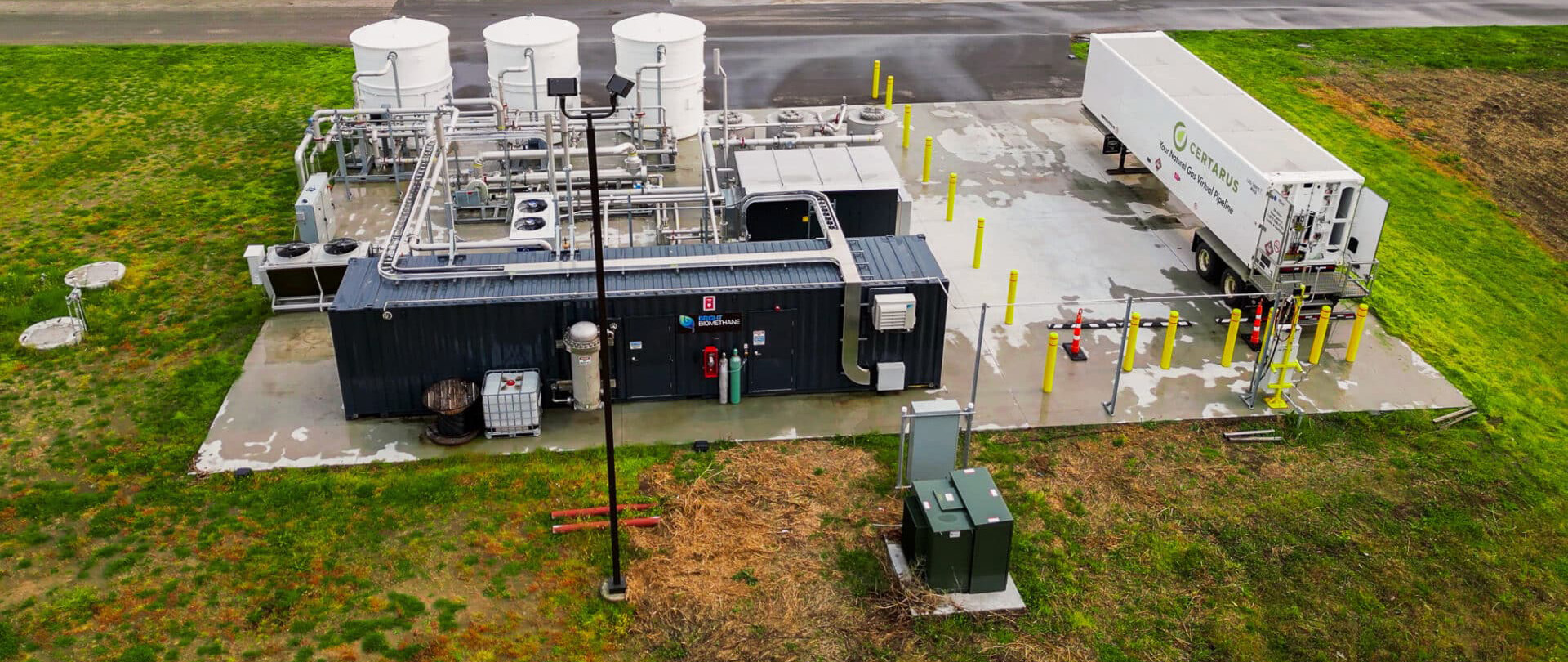
The real value-adding step is biogas upgrading. This is the specialty of international biogas upgrading equipment manufacturers. Raw biogas is cleaned and purified to over 97% methane content, meeting pipeline or vehicle fuel standards.
Key upgrading technologies include:
Water Scrubbing: A reliable, proven method using water under pressure to absorb CO₂.
Membrane Separation: Compact systems that separate gas molecules based on size and permeability.
Pressure Swing Adsorption (PSA): Uses specialized adsorbent materials to capture methane or CO₂ under cycling pressure.
Chemical Scrubbing (Amine): Highly efficient for large-scale operations, offering very high purity.
The choice depends on plant scale, desired gas purity, utility costs, and local service support.
Commercial Models for Project Implementation
A sugarcane mill can develop a biogas from sugarcane project through several commercial pathways.
The traditional route is the EPC (Engineering, Procurement, and Construction) model. The mill funds the capital expenditure and hires a contractor to deliver a turnkey plant. The mill then owns and operates the asset, retaining all revenue.
The Build-Own-Operate-Transfer (BOOT) model is attractive for mills seeking to avoid large upfront capital. A specialized developer finances, builds, and operates the plant for a contractual period (e.g., 15-20 years). The mill supplies the feedstock and may purchase the energy. Ownership transfers to the mill at the contract's end.
Joint ventures between mills and energy/technology firms are also common, sharing risk and expertise. Major international biogas upgrading equipment manufacturers often participate as technology partners or equity investors in such projects.
Cost Breakdown and Financial Returns
The investment for a biogas from sugarcane plant is significant but offers strong returns. Capital expenditure (CAPEX) is driven by scale (volume of vinasse processed per day) and the complexity of the end product (raw biogas for boiler vs. grid-injected RNG).
A basic vinasse digestion system with energy recovery might start in the low millions of dollars. A full-scale plant with high-rate digestion and advanced biogas upgrading can represent an investment of $10 million to $30 million or more for a large distillery.
Operational costs (OPEX) include labor, maintenance, electricity for the upgrading plant, and consumables. However, the financial upside is multi-faceted:
Direct savings on fossil fuels (LPG, diesel) for boilers or vehicles.
Revenue from sales of surplus electricity or thermal energy.
Higher-value revenue from selling biomethane to gas utilities or as Bio-CNG.
Carbon credit generation under verified schemes.
Reduced costs and environmental liabilities related to vinasse management.
With these combined revenue streams, payback periods typically range from 4 to 8 years, making it a compelling investment.
Selecting the Right Technology Partner
Choosing a reliable partner is critical for a project's 30-year lifespan. Focus on international biogas upgrading equipment manufacturers with a proven track record in the sugarcane sector and similar agro-industrial applications.
Evaluate their reference plants. Do they have operational facilities handling vinasse? Scrutinize the proposed technology's specific energy consumption (kWh per m³ of upgraded gas), methane recovery rate (>99% is ideal), and overall system availability.
A strong partner should provide comprehensive lifecycle support: detailed process engineering, automation and control integration, operator training, and a clear long-term service and spare parts agreement. The goal is a partnership, not just a equipment sale.
Developing biogas from sugarcane represents the next logical step in the industry's century-long journey toward energy sustainability. It moves beyond waste treatment to active resource valorization.
By leveraging proven technologies from experienced international biogas upgrading equipment manufacturers, sugarcane mills and distilleries can future-proof their operations. They create a circular economy on-site, turning vinasse from a disposal cost into a clean energy profit center, solidifying their role as true bio-refineries.
Frequently Asked Questions (FAQs)
Q1: What are the main feedstocks for biogas in a sugar/ethanol mill?
A1: The primary feedstock is vinasse. Other key materials include filter cake (cachaça) and, in some cases, pre-treated bagasse or harvest residues. Co-digesting vinasse with filter cake is particularly effective, as it balances nutrients and improves biogas yields.
Q2: How much biogas can be produced from one liter of vinasse?
A2: It varies based on the vinasse's organic strength (COD), but a common yield range is 10 to 15 liters of biogas per liter of vinasse. For a large distillery producing 500,000 liters of vinasse per day, this translates to 5-7.5 million liters of biogas daily, a substantial energy resource.
Q3: Is the digestate (effluent) from the biogas plant still good for fertigation?
A3: Yes, and it's often better. The anaerobic digestion process stabilizes the organic matter, significantly reducing odor and the risk of soil acidification. The nutrient value (N, P, K) is preserved, making it a more controlled and environmentally safe fertilizer for sugarcane fields.
Q4: Can the produced biomethane be exported to other industries?
A4: Absolutely. Once upgraded to pipeline-quality biomethane (RNG), it is chemically identical to fossil natural gas. It can be injected into the local gas grid for use by industries, homes, or power plants, or compressed (Bio-CNG) for use in the mill's truck fleet or sold to external transport companies.
Q5: How does seasonality (the harvest period) affect biogas plant operation?
A5: Seasonality is a key design challenge. Plants are designed to process vinasse during the crushing season (6-8 months). During the off-season (inter-harvest), some plants run at reduced capacity using stored feedstocks, while others undergo maintenance. Proper storage tank sizing and flexible operational planning are essential.