


News
We'll get back to you as soon as possible.
7 Key Technologies Revolutionizing Biogas Hydrogen Production in 2026
The global push for deep decarbonization is driving innovation in renewable energy vectors. Among the most promising synergies is biogas hydrogen production. This process transforms raw biogas—primarily methane and CO₂—into clean, high-value hydrogen.
It represents a significant upgrade for the international biogas upgrading equipment sector, moving beyond traditional biomethane to a more versatile energy carrier. This article explores the core technologies, benefits, and industrial realities of biogas hydrogen production.
How Biogas Hydrogen Production Works: Core Pathways
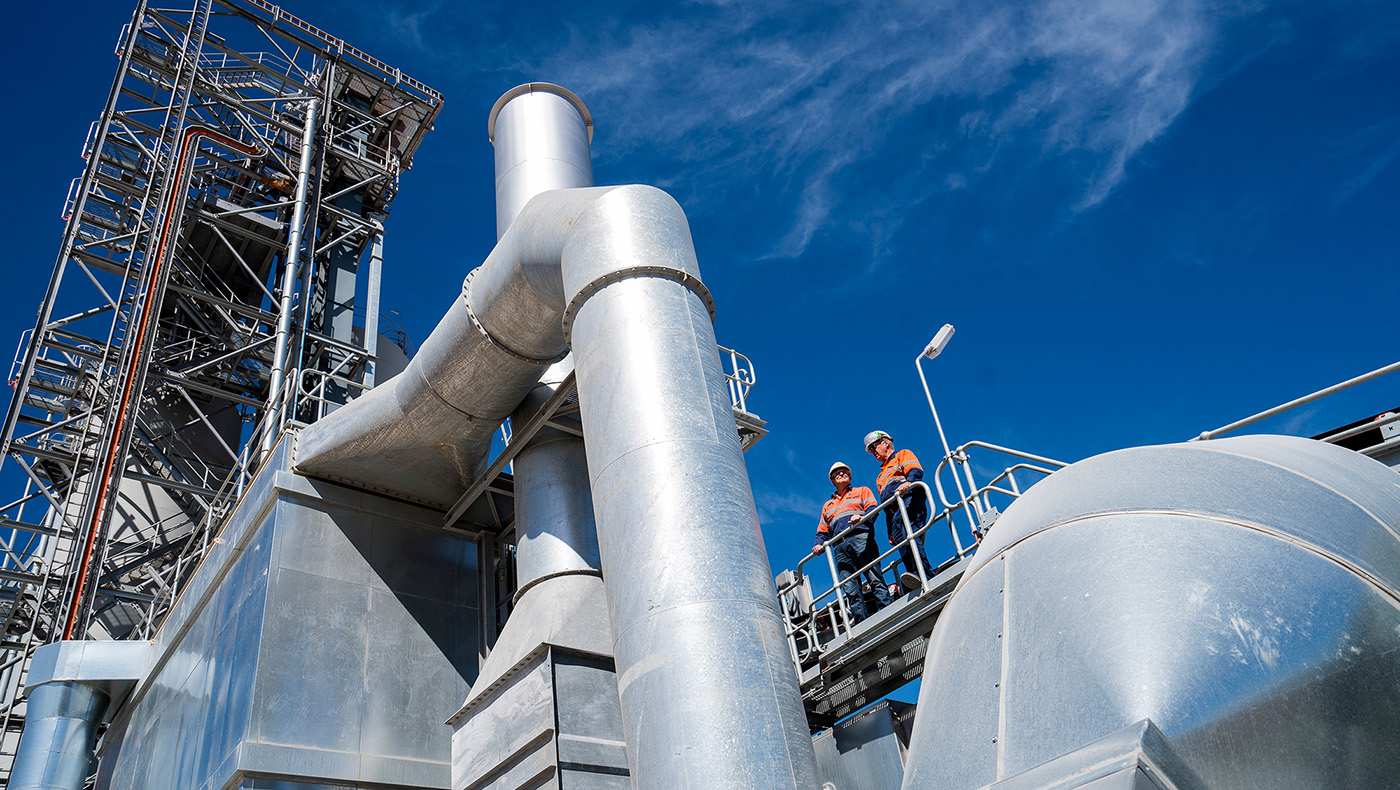
Biogas hydrogen production relies on breaking down methane (CH₄) into hydrogen and carbon. Two main technologies dominate this field, each with distinct advantages.
The first is Steam Methane Reforming (SMR). This is a well-established process. Biogas must first be upgraded to high-purity biomethane. The biomethane then reacts with steam at high temperatures (700-1000°C) in the presence of a catalyst.
The primary reaction produces hydrogen and carbon monoxide. A subsequent water-gas shift reaction converts the CO with more steam into additional hydrogen and CO₂. While efficient, the process releases CO₂, making carbon capture essential for "blue" hydrogen.
The second technology is Autothermal Reforming (ATR). ATR combines SMR with partial oxidation. It uses oxygen and steam in a single reactor. This creates an internal heat source, making the process more thermally balanced.
It can be more compact and potentially easier to integrate with carbon capture. The purity of the oxygen supply is a key operational factor.
Why Biogas Hydrogen Production is a Game-Changer
The advantages of biogas hydrogen production extend across economic and environmental spheres. It creates a new revenue stream for biogas plant operators. Hydrogen commands a higher market price than biomethane in many regions, especially for industrial and transportation use.
It enables efficient carbon management. When paired with Carbon Capture, Utilization, and Storage (CCUS), the process can be carbon-negative. The carbon originally absorbed by organic feedstock is captured, preventing its release.
This process also enhances energy security and grid stability. Hydrogen can be stored long-term and used on-demand. It decouples renewable energy generation from immediate consumption, addressing intermittency issues.
Furthermore, it utilizes existing waste infrastructure. It adds value to agricultural, municipal, and industrial organic waste. This promotes a circular economy model at a local level.
Integration with Existing Biogas Plants: A Practical Upgrade
For the international biogas upgrading equipment manufacturing field, this represents an evolution. Retrofitting existing plants is a primary consideration. The integration feasibility depends on several factors.
Current biogas upgrading systems that produce biomethane are a good starting point. The purified biomethane stream can be directly fed into a reformer unit. This modular approach minimizes disruption.
Plant scale and biogas quality are critical. Larger plants with consistent methane content offer better economies of scale. Robust gas cleaning, removing siloxanes and hydrogen sulfide, is even more crucial than for standard upgrading.
The choice of end-use for hydrogen dictates the need for further purification. Fuel cell applications require ultra-high purity (99.97%+), needing Pressure Swing Adsorption (PSA) units. Industrial uses may tolerate lower grades.
Overcoming the Challenges: The Path to Commercialization
Despite its promise, widespread biogas hydrogen production faces hurdles. Capital expenditure (CAPEX) remains high. Reformer units, oxygen plants for ATR, and CCUS integration require significant investment.
The efficiency penalty is a key technical challenge. Converting methane to hydrogen involves energy losses (as heat). Overall system efficiency from feedstock to hydrogen is a vital metric for project viability.
Hydrogen offtake and infrastructure are linked challenges. Local demand or transport solutions must be secured. Building new hydrogen pipelines is capital-intensive.
Policy and certification frameworks are still emerging. Guarantees of origin for "green hydrogen" from biogas need standardization. Supportive policies and carbon pricing are essential drivers.
The Future Outlook: Scaling Up Green Hydrogen from Waste
The trajectory for biogas hydrogen production is positive. Technological advancements are focusing on increasing reformer efficiency and reducing catalyst costs. Integration of advanced membranes for in-situ hydrogen separation is a key research area.
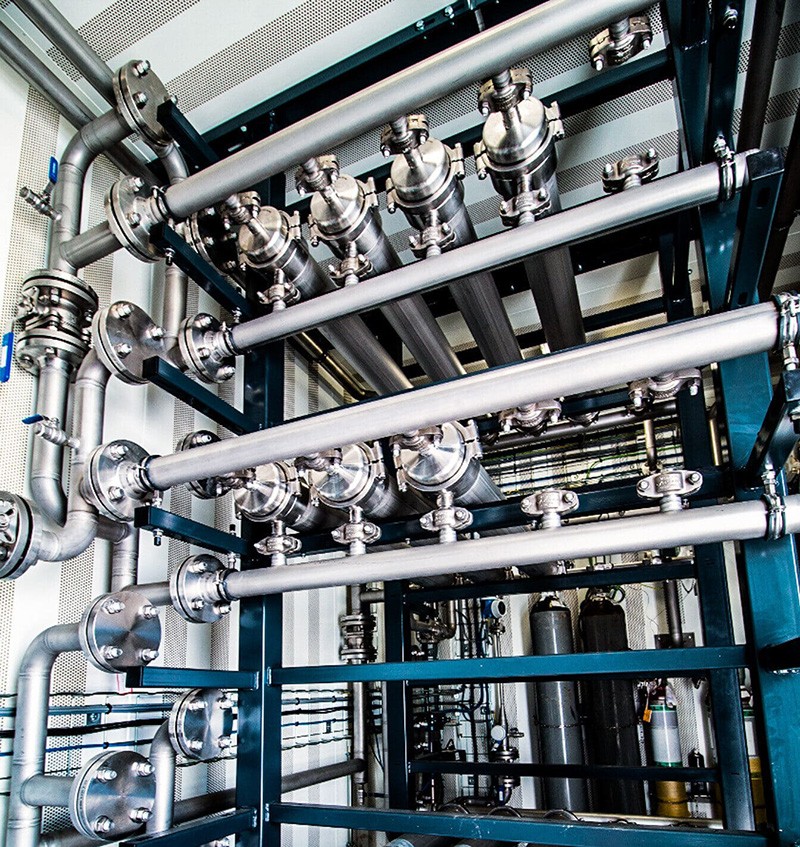
The international market is seeing a rise in pilot and demonstration projects. Equipment manufacturers are developing skid-mounted, containerized reformer solutions. These "plug-and-play" units aim to simplify deployment for biogas plant operators.
Strategic partnerships are forming across the value chain. Biogas plant operators, technology providers, and hydrogen end-users are collaborating. These partnerships de-risk projects and accelerate learning curves.
Ultimately, this pathway positions biogas as a cornerstone of the future hydrogen economy. It transforms local waste into a clean energy vector with global relevance.
Frequently Asked Questions (FAQs)
Q1: What exactly is biogas hydrogen production?
A1: Biogas hydrogen production is a two-step process. First, organic waste is digested to produce raw biogas. This biogas is then purified and processed, typically through reforming technologies like Steam Methane Reforming (SMR) or Autothermal Reforming (ATR), to convert its methane content into hydrogen and a separate carbon stream.
Q2: How does hydrogen from biogas differ from "green" hydrogen from electrolysis?
A2: Both can be "green" if powered by renewable energy. Hydrogen from biogas utilizes the chemical energy stored in waste-derived methane. Electrolysis uses electricity to split water. Biogas-based production can be more economical where waste feedstock is abundant and electricity costs are high. It also provides a waste management solution.
Q3: Is biogas hydrogen production carbon-neutral?
A3: It can be carbon-neutral or even carbon-negative. The carbon in biogas comes from recently absorbed atmospheric CO₂. If the CO₂ produced during reforming is captured and permanently stored (CCS), the overall cycle removes CO₂ from the atmosphere, making it carbon-negative. Without CCS, it is generally considered low-carbon.
Q4: What are the main costs associated with upgrading a biogas plant for hydrogen production?
A4: Major costs include the reforming unit itself, extensive gas cleaning systems, hydrogen purification (e.g., PSA units), and compression/storage infrastructure. If implementing carbon capture, this adds significant CAPEX and operational complexity. Retrofitting also requires engineering for heat integration and process control.
Q5: What types of biogas plants are most suitable for integrating hydrogen production?
A5: Large-scale, centralized plants with high and consistent biogas flow and methane content are the most viable candidates initially. These include large agricultural digesters (e.g., from dairy or pig farms), major wastewater treatment plants, and regional organic waste processing facilities. Their scale helps absorb the high capital costs of reforming equipment.