For palm oil mill operators, managing Palm Oil Mill Effluent (POME) is a constant challenge. It's a costly waste stream with significant environmental implications. However, a proven solution transforms this liability into a major asset: integrating a biogas palm oil mill system.
This technology is no longer a novelty but a critical upgrade for mills aiming to improve profitability and sustainability. By capturing methane from POME, mills can generate renewable energy, reduce emissions, and create new revenue. For the international biogas upgrading equipment manufacturing sector, palm oil mills represent one of the largest and most viable markets for anaerobic digestion technology.
This article explains the practical steps, benefits, and real-world applications of implementing a biogas palm oil mill project.
The Core Challenge: POME as a Waste and an Opportunity
Raw POME is a hot, acidic, and organic-rich wastewater. If left in open ponds, it decomposes anaerobically, releasing large volumes of methane and carbon dioxide into the atmosphere. Methane is a greenhouse gas over 25 times more potent than CO₂.
This uncontrolled release represents a massive environmental issue. It also signifies a loss of valuable energy. A typical mill processing 60 tonnes of Fresh Fruit Bunches (FFB) per hour can generate enough biogas to produce 1-2 MW of continuous electrical power.
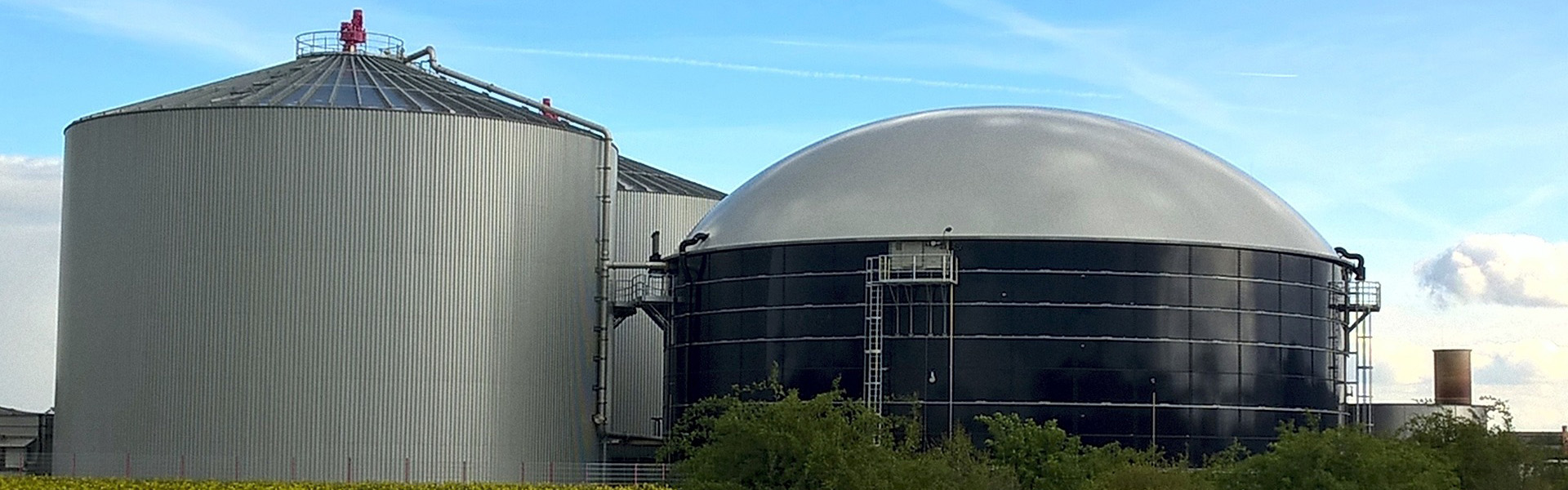
The shift from open lagoon systems to covered anaerobic digesters is the fundamental step. This captures the biogas for productive use, turning a pollution problem into an energy solution.
Key Technologies for a Modern Biogas Palm Oil Mill System
Implementing an efficient biogas palm oil mill system involves several key technological choices. The design must handle high volumes and fluctuating feed characteristics.
The first decision is digester type. Common systems include:
Covered Lagoon Digesters: A cost-effective entry point, involving covering existing ponds with high-density polyethylene (HDPE) membranes. Suitable for warmer climates.
Continuous Stirred-Tank Reactors (CSTR): Engineered tanks with mixing systems. They offer better process control, higher efficiency, and smaller footprint but at a higher capital cost.
Fixed-Dome or Plug-Flow Digesters: Robust options, often constructed from concrete, suitable for certain mill layouts and climates.
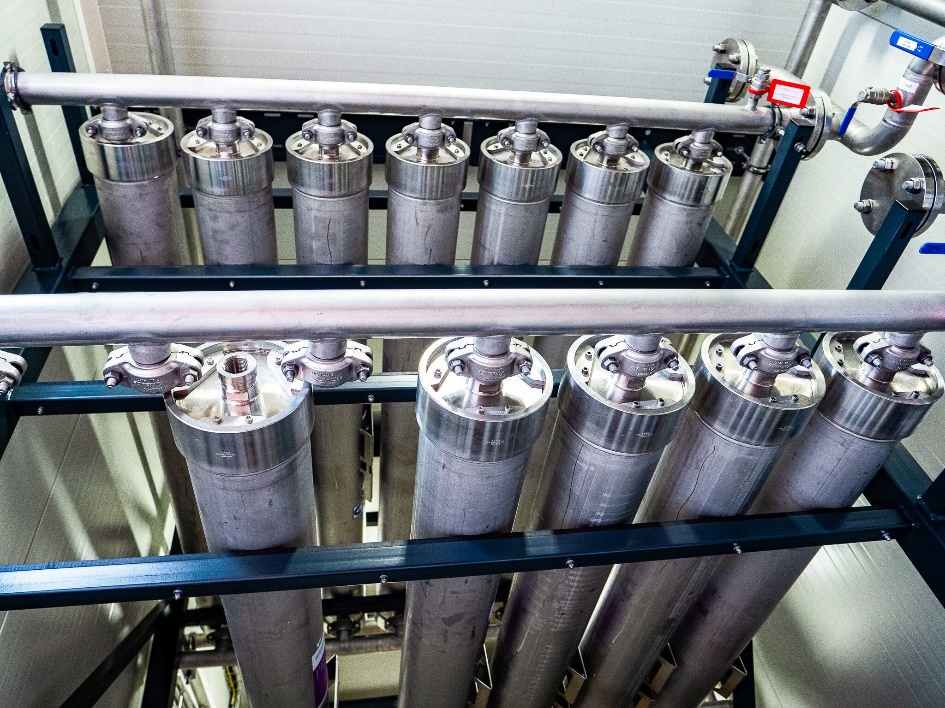
Following digestion, the biogas must be cleaned. Raw biogas from POME is roughly 60-70% methane, with the rest being CO₂, hydrogen sulfide (H₂S), and water vapor. H₂S is corrosive and must be removed before energy conversion. Common desulphurization methods include biological filters (using specific bacteria) or chemical scrubbing.
Finally, energy conversion equipment is selected. The cleaned biogas can be used in:
Gas Engines: To generate electricity for the mill's own use, displacing grid or diesel power.
Boilers: As a direct fuel to produce steam for mill processes, replacing fossil fuels.
Biomethane Upgrading: For the international market, advanced biogas upgrading equipment can purify biogas to pipeline-quality biomethane (Bio-CNG or Bio-LNG) for sale or as vehicle fuel.
The Tangible Economic Benefits for Mill Operators
The business case for a biogas palm oil mill project is strong and multi-faceted. The primary driver is energy cost savings. On-site power generation can cover a significant portion of the mill's electrical needs, insulating it from grid price volatility and diesel costs.
Excess electricity can often be sold to the national grid under Feed-in Tariff (FiT) or similar schemes, creating a direct revenue stream. Alternatively, using biogas in boilers directly cuts fossil fuel purchases.
With the growth of carbon markets and ESG (Environmental, Social, and Governance) investing, methane capture generates valuable carbon credits. Mills can sell these credits, adding another income line.
Furthermore, treated digestate from the system is a nutrient-rich biofertilizer. It can be applied to plantation areas, reducing reliance on chemical fertilizers and closing the nutrient loop.

A Real-World Example: A Mill in Indonesia
Consider a mid-sized mill in Sumatra processing 45 tonnes of FFB per hour. They operated with open POME ponds, facing odor complaints and regulatory pressure.
The mill invested in a covered lagoon digester system with a biogas capacity of 8,000 m³ per day. They installed two 1 MW gas engines for power generation.
The results were clear within the first year. The biogas palm oil mill system now supplies over 70% of the mill's electricity needs. Annual diesel fuel costs dropped by over $400,000. The sale of carbon credits brought in an additional $150,000 annually.
The project paid for itself in under 5 years. The mill also improved its brand reputation with buyers demanding sustainable palm oil.
Navigating Implementation: Critical Steps and Considerations
Success requires careful planning. A detailed feasibility study is the first step. It must analyze POME quantity, quality, existing pond infrastructure, and local energy prices.
Securing financing is key. While CAPEX can be substantial, green financing, government incentives, and carbon revenue can improve the model. Many equipment suppliers and ESCOs (Energy Service Companies) offer build-own-operate-transfer models.
Partnering with an experienced technology provider from the international biogas upgrading equipment field is crucial. They bring engineering expertise, reliable equipment, and operational knowledge.
Finally, operator training is essential. Mill staff must be trained to run and maintain the biogas system for long-term reliability.
The Future: Beyond Basic Capture to Advanced Integration
The future of the biogas palm oil mill concept lies in higher-value integration. We see a trend toward biogas upgrading to biomethane. This high-purity gas can be injected into gas grids or used as clean transportation fuel (Bio-CNG/LNG), often at a higher price point than electricity.
There is also growing interest in co-digestion. Adding other organic waste streams (like empty fruit bunches or kernel shells) with POME can boost biogas yield and provide a waste management service for surrounding areas.
Digital monitoring and AI-driven process optimization are also entering this field. Smart sensors and software can maximize methane yield and predict maintenance needs, improving overall system efficiency.
For forward-thinking mills, biogas is not just a waste treatment step. It is a core profit center and a cornerstone of their sustainable business strategy.
Frequently Asked Questions (FAQs)
Q1: What is the typical payback period for a biogas palm oil mill project?
A1: The payback period varies based on mill size, technology chosen, energy prices, and available incentives. For well-designed projects using biogas for on-site power generation, payback periods typically range from 3 to 6 years. Projects that also monetize carbon credits and sell excess power often see faster returns.
Q2: Can a biogas system handle the fluctuating production of a palm oil mill?
A2: Yes, modern systems are designed for this. Anaerobic digesters have buffering capacity. The biology within the digester adapts to gradual changes in feed. Good system design includes equalization tanks to smooth out daily fluctuations in POME flow before it enters the digester, ensuring stable operation.
Q3: Is the biogas technology reliable in tropical, remote mill locations?
A3: Absolutely. The technology is proven and robust. Leading international biogas equipment manufacturers design systems specifically for harsh, remote environments. They focus on durability, corrosion resistance, and ease of maintenance. With proper training, mill staff can reliably operate the system.
Q4: What happens to the POME after the biogas is extracted?
A4: The liquid output, called digestate, is much less polluting. It has a lower organic load and is more stable. It is typically further treated in aerobic ponds or other polishing systems to meet local discharge standards. Importantly, the nutrient value (Nitrogen, Phosphorus, Potassium) remains, making the treated effluent suitable for land application as fertilizer.
Q5: How does a biogas project help with certifications like RSPO (Roundtable on Sustainable Palm Oil)?
A5: It provides major advantages. Capturing methane directly addresses a key environmental impact, helping mills achieve significant greenhouse gas emission reductions. This is a critical component of RSPO compliance and other sustainability standards. It demonstrates a tangible commitment to environmental stewardship, which is increasingly important to global buyers and financiers.