


News
We'll get back to you as soon as possible.
10 Essential Biogas Plant Equipment Components for Efficient Production
The success and profitability of any biogas project hinge on the reliability and integration of its core biogas plant equipment. Selecting the right machinery is not a matter of chance but a calculated decision impacting yield, operational cost, and system longevity. For investors and project developers in the international biogas upgrading sector, understanding this equipment landscape is fundamental.
This article breaks down the key physical components that form a functional anaerobic digestion system, moving from feedstock input to refined biogas output.
Core Biogas Plant Equipment: From Feedstock to Gas
A modern biogas facility is a complex interplay of mechanical and biological systems. Each piece of biogas plant equipment serves a specific, vital function in the chain.
The process begins with feedstock handling. Receipt pits and pre-storage tanks hold incoming organic material. Crucially, a feedstock reception hopper and pre-processing equipment like shredders, crushers, and pulpers are used to reduce particle size, creating a homogeneous slurry for efficient bacterial breakdown.
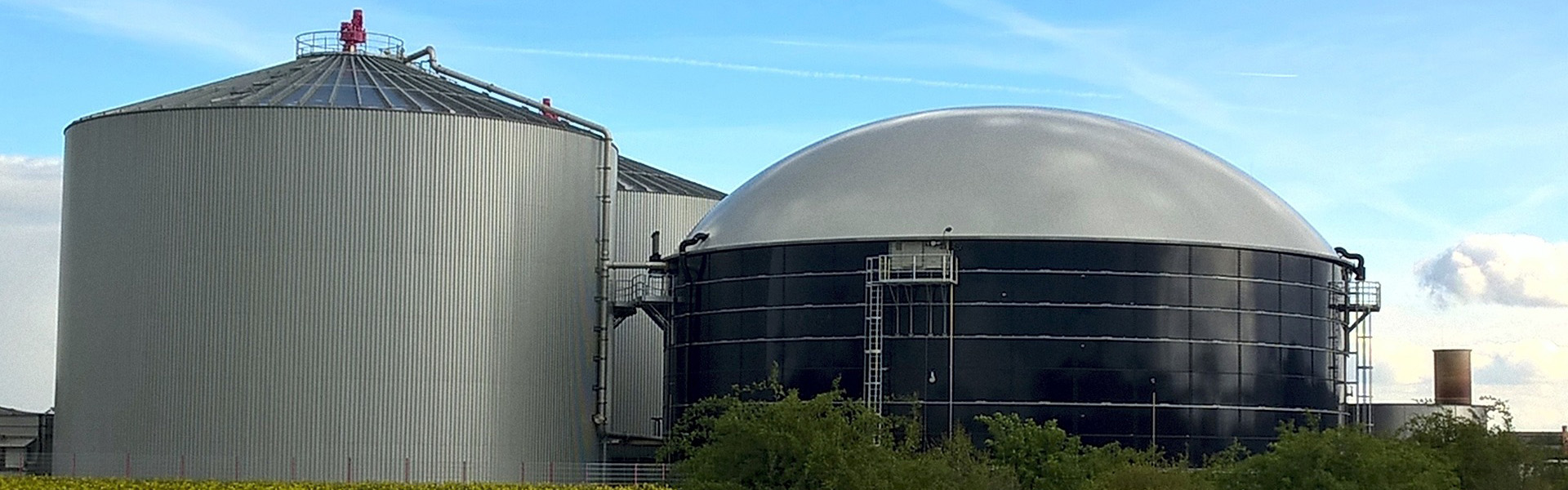
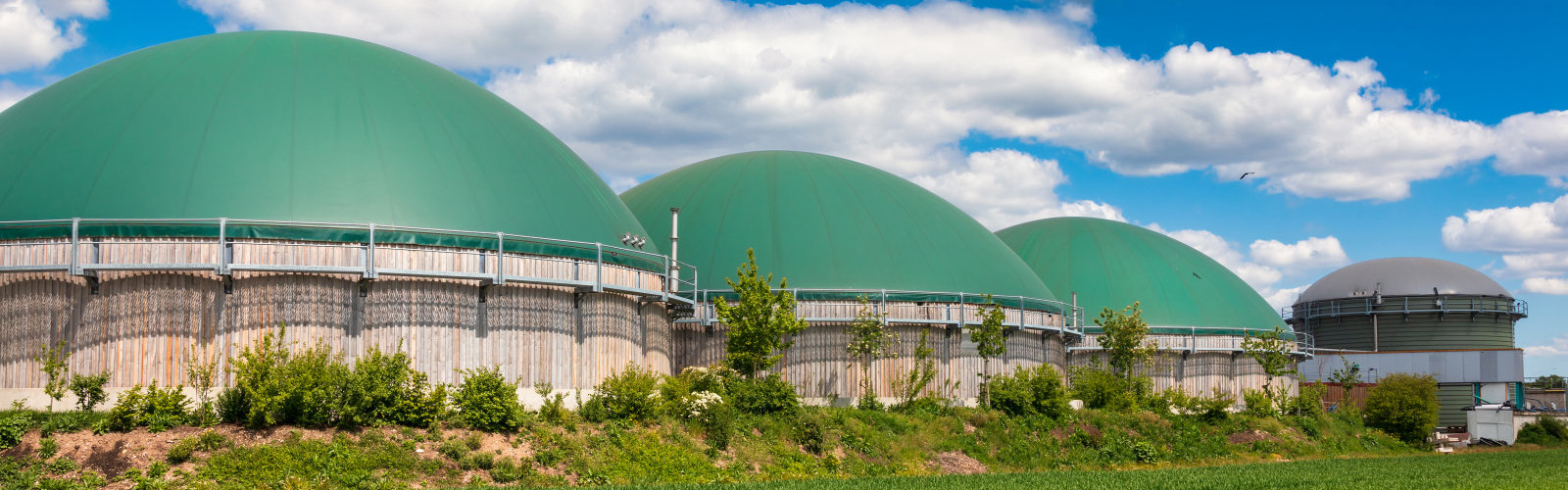
The prepared substrate is then pumped into the system's heart: the digester. This is a sealed, temperature-controlled tank where anaerobic digestion occurs. Materials like reinforced concrete, coated steel, or glass-fused-to-steel are common. Agitation is critical here.
Mixing systems, often using submersible or long-shaft agitators, ensure consistent temperature, prevent scum layers, and maintain contact between bacteria and feedstock. Following digestion, the digested slurry moves to the storage tank or lagoon for further stabilization before use as fertilizer.
Technology & Efficiency: Advanced System Components
Basic digestion produces raw biogas, which requires refinement. This is where advanced biogas plant equipment for upgrading and utilization comes into play.
First, the produced gas must be stored. A biogas holder (often a double-membrane roof on the digester or a separate low-pressure gas bag) provides buffer storage, balancing variable production with constant consumption.
Raw biogas is roughly 55-65% methane, with CO2 and trace gases like hydrogen sulfide (H2S). Gas treatment equipment is essential. This includes desulfurization units (biological or chemical scrubbers) to remove corrosive H2S. For injection into the natural gas grid or use as vehicle fuel, further upgrading is needed.
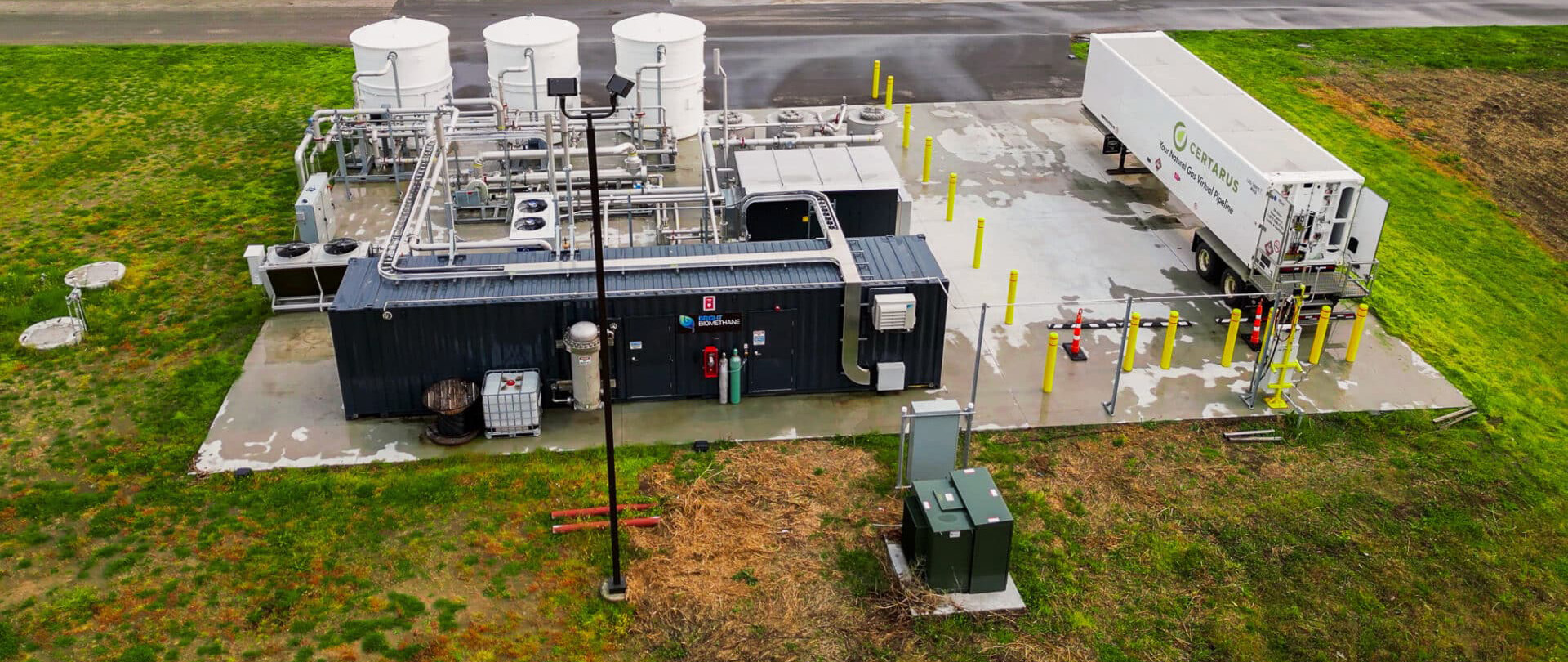
A biogas upgrading system—employing water scrubbing, membrane separation, or PSA (Pressure Swing Adsorption) technology—strips out CO2, producing biomethane of over 95% purity. Finally, combined heat and power (CHP) units or gas boilers convert the biogas into usable energy on-site.
A Practical Guide to Selecting Your Equipment
Choosing the right biogas plant equipment is a multi-faceted decision. The primary factor is your feedstock. High-solid manure requires robust pumps and agitators different from those used for thin wastewater.
Digester technology (CSTR, plug-flow, dry fermentation) dictates the associated equipment specifications. Project scale is equally decisive; a small farm-based plant uses simpler, standardized components, while a large industrial facility needs custom-engineered, automated systems.
Prioritize efficiency and durability. High-quality agitators and heating systems minimize energy parasitic load. Corrosion-resistant materials for tanks and pipes, especially with aggressive feedstocks, prevent costly downtime.
Finally, consider automation and control. Modern biogas plant equipment is integrated into SCADA systems, allowing remote monitoring of temperatures, gas quality, and pressures, optimizing the biological process and alerting operators to issues.
Understanding the Cost Factors of Biogas Machinery
The investment in biogas plant equipment is significant and varies widely. A small, containerized unit for a farm may represent a lower capital outlay, while a multi-megawatt industrial plant with full upgrading is a major infrastructure project.
Cost drivers include capacity (digester volume in m³), material specifications (stainless steel grades, concrete quality), and the level of technological complexity. A basic CHP unit is a substantial cost, but adding a full biogas-to-biomethane upgrading plant can double or triple that expenditure.
Key equipment like the digester tank, CHP engine, and upgrading system typically account for over 60% of the total equipment cost. Remember to budget for ancillary biogas plant equipment: piping, gas safety systems (flares, odorizers), control cabinets, and instrumentation.
Operating costs are also tied to equipment choice. Efficient, reliable machinery lowers maintenance and energy consumption, directly improving the project's bottom line.
Commercial Services: From Design to Long-Term Support
Procuring biogas plant equipment is rarely just a transaction. It's part of a long-term service relationship. Reputable international manufacturers and engineering firms offer comprehensive packages.
This starts with consulting and feasibility studies, where experts model the process and specify the required equipment suite. Engineering, Procurement, and Construction (EPC) services provide a single point of responsibility for delivering a turnkey plant.
Crucially, look for suppliers who offer after-sales support and maintenance contracts. Timely access to spare parts and specialist technicians for critical biogas plant equipment like compressors or membrane modules is essential for sustained operation. Many now also offer remote monitoring and performance optimization as a service.
Conclusion: The Foundation of a Successful Project
The careful selection and integration of specialized form the non-biological backbone of any profitable anaerobic digestion facility. From robust preprocessing to sophisticated upgrading technology, each component must be chosen for compatibility, durability, and efficiencybiogas plant equipment.
For project developers worldwide, partnering with experienced technology providers who offer both high-quality machinery and enduring technical support is the strategic path to mitigating risk and ensuring the long-term viability of their biogas investment.
Frequently Asked Questions (FAQ)
Q1: What is the single most expensive piece of biogas plant equipment?
A1: In most medium to large-scale plants, either the biogas combined heat and power (CHP) unit or the biogas upgrading system (for biomethane production) is the single largest capital expense. The digester tank structure itself is also a major cost driver.
Q2: How often does key biogas plant equipment like agitators or pumps require maintenance?
A2: Maintenance schedules vary by manufacturer and duty cycle. Submersible mixers may need inspection every 8,000-10,000 operating hours. Feedstock pumps require regular seal and impeller checks, often semi-annually. Always follow the OEM's specific service guidelines to prevent unexpected failure.
Q3: Can biogas plant equipment be customized for different types of waste?
A3: Absolutely. Equipment is highly customizable. For example, shredders are designed for specific material hardness (e.g., garden waste vs. agricultural residues). Digester agitators are chosen based on slurry viscosity, and pre-treatment lines are engineered for the feedstock mix (e.g., with de-packaging for food waste).
Q4: What are the key indicators of high-quality biogas plant equipment?
A4: Look for robust construction materials (e.g., stainless steel in wet parts), high energy efficiency ratings for motors and compressors, proven track record in similar applications, and comprehensive certification (e.g., ATEX for explosion protection, pressure equipment directives). Quality is also reflected in the detail of the manufacturer's performance guarantees.
Q5: Is it possible to expand a plant by adding more biogas plant equipment later?
A5: Yes, modular design is a key feature of modern systems. It is common to add additional digesters, upgrade CHP capacity, or integrate a gas upgrading unit at a later stage. However, this requires careful initial planning, such as leaving space on the site and oversizing certain foundational components like gas pipelines or control system capacity during the first build phase.