


News
We'll get back to you as soon as possible.
5 Key Steps to Implementing a Profitable Biogas Plant for Commercial Use
Moving beyond small-scale or agricultural digestion, a commercial biogas plant represents a significant industrial investment. It's an engineered facility designed to convert organic waste into consistent, marketable energy products at a profitable scale. For food processors, waste management companies, or independent energy producers, a biogas plant for commercial use is both a waste solution and a revenue center.
This process is capital-intensive and complex, requiring meticulous planning. Success isn't just about biology; it's about engineering, economics, and long-term operations. Here are the critical steps and considerations for developing a viable commercial project.
Why Invest in a Commercial Biogas Plant?
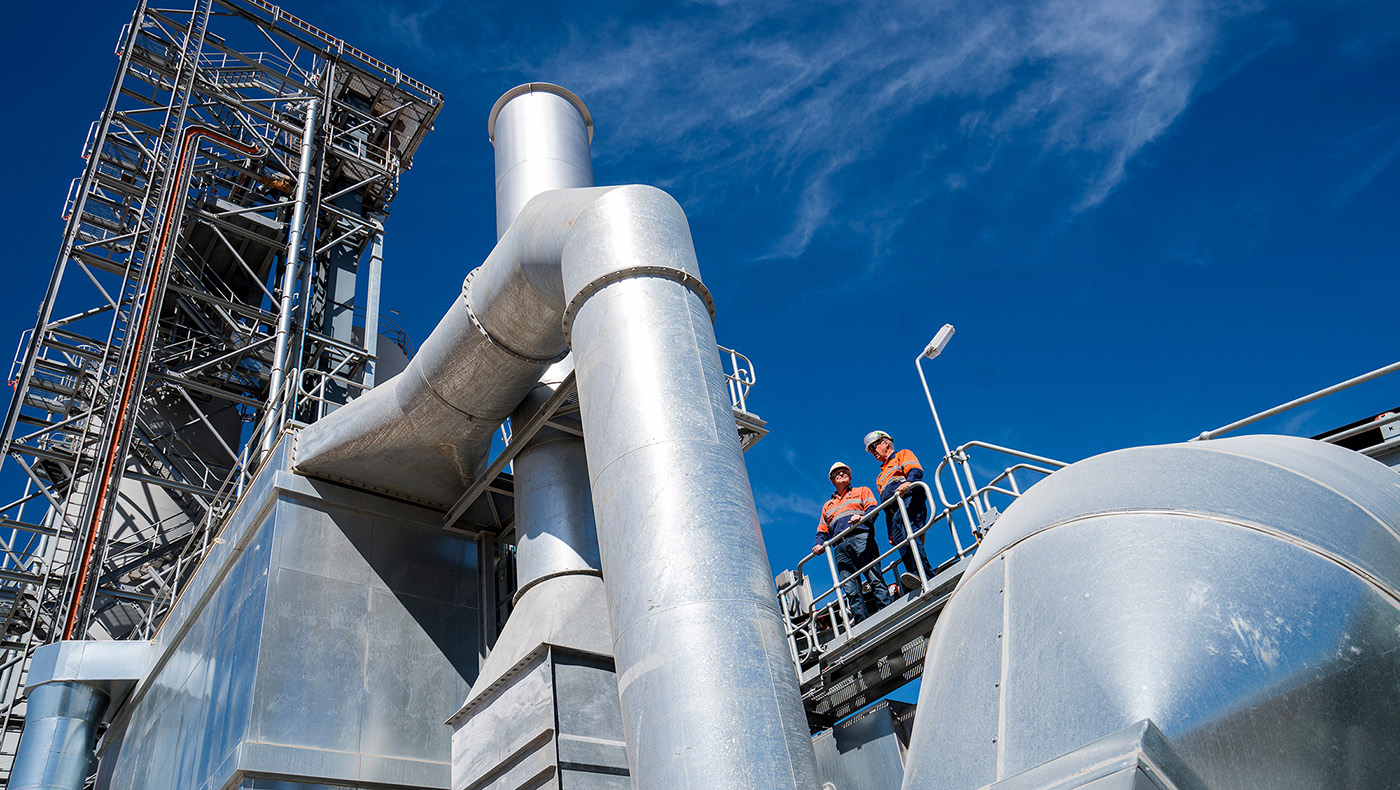
The business case for a biogas plant for commercial use rests on multiple revenue streams and strategic advantages. The primary product is energy: either electricity and heat via a CHP unit or refined biomethane for the gas grid or vehicle fuel.
This creates direct income from power purchase agreements or gas sales. Additionally, waste processing fees from accepting feedstock like food waste or fats offer a steady operational income. The digestate output, a nutrient-rich biofertilizer, can also be packaged and sold.
Beyond revenue, a biogas plant for commercial use provides cost stability. It mitigates disposal costs for on-site waste and hedges against volatile energy prices. For corporations, it delivers substantial decarbonization goals, reducing Scope 1 emissions and creating marketable green credentials.
Key Decisions: Feedstock, Scale, and Technology
The foundation of any project is the feedstock analysis. A commercial plant requires a secure, long-term supply. Common sources include dedicated energy crops, agri-industrial waste (palm oil mill effluent, distillery spent wash), organized food waste from retailers, or sewage sludge.
The type, volume, and consistency of feedstock directly determine the plant's scale (often measured in MW of power or Nm³/h of biogas) and the core technology chosen. The two main digester types for commercial application are Continuous Stirred-Tank Reactors (CSTR) for slurries and Plug-Flow reactors for thicker, high-solids material.
Dry fermentation systems are another option for stackable organic waste. Selecting the right digester technology is the first major technical decision, influencing all downstream biogas plant equipment and process efficiency.
Technology Focus: Beyond Digestion to Upgrading
A modern biogas plant for commercial use is defined by its gas utilization pathway. For on-site power and heat, a high-efficiency combined heat and power (CHP) engine is standard. Its sizing and integration with the thermal demand of the digester and other facilities are crucial for overall efficiency.
Increasingly, the focus is on biogas upgrading. This involves a separate, sophisticated plant that strips CO2 and other impurities from raw biogas to produce pipeline-quality renewable natural gas (RNG). Technologies like membrane separation, water scrubbing, or pressure swing adsorption (PSA) are used.
Choosing to upgrade transforms the biogas plant for commercial use into a gas grid injector or a supplier of vehicle fuel, often commanding a higher price per energy unit than electricity. This decision is fundamentally market-driven, depending on local incentives and gas infrastructure.
Financials: Costs, Incentives, and ROI
The capital expenditure (CAPEX) for a commercial plant is substantial. It covers land, civil works, digestion tanks, biogas plant equipment (feeding systems, mixers, CHP or upgrading units), gas storage, and control systems. Costs can range from several million to tens of millions of dollars/Euros, scaling with output.
Operational expenditure (OPEX) includes feedstock procurement, labor, maintenance, and utilities. The financial viability heavily depends on national and regional support schemes. These include feed-in tariffs (FITs) for green electricity, renewable heat incentives (RHIs), or credits for renewable transport fuel (like RINs in the US or RTFC in India).
A robust business model will lock in both input (waste) agreements and output (energy) sales contracts. The return on investment (ROI) period typically spans 5 to 10 years, influenced by these incentives, plant efficiency, and management.
Commercial Services: Partnering for Success
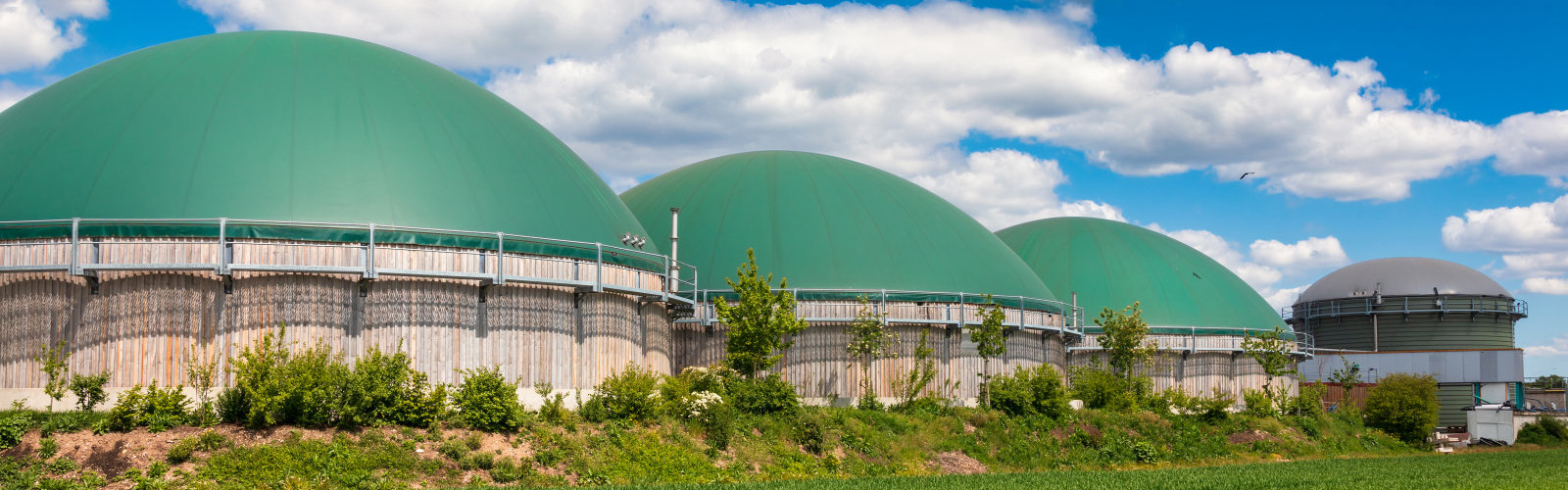
Given the complexity, few entities build a biogas plant for commercial use entirely alone. The market is served by specialized engineering, procurement, and construction (EPC) contractors and technology providers.
These partners offer vital services: initial feasibility and site studies, complete plant design, sourcing and installing all biogas plant equipment, commissioning, and staff training. Increasingly, they also provide long-term operation and maintenance (O&M) contracts.
Choosing an experienced EPC partner with a proven track record in your specific feedstock category is perhaps the most critical risk-mitigation step. They bring the necessary engineering expertise and can often guarantee plant performance and biogas yield.
Developing a successful biogas plant for commercial use is a marathon, not a sprint. It demands a clear-eyed assessment of feedstock, a strategic choice of technology aligned with energy markets, a solid financial plan leveraging available incentives, and the right technical partners.
When executed with diligence, it becomes a resilient asset. It turns organic liabilities into clean, predictable energy, offering a tangible return on investment while making a definitive contribution to the circular economy and climate goals.
Frequently Asked Questions (FAQ)
Q1: What is the minimum size or investment for a plant to be considered "commercial"?
A1: There's no fixed threshold, but a biogas plant for commercial use typically starts at a capacity of about 250 kW electrical output or 100 Nm³/h of raw biogas. Investment usually begins well above $1-2 million, focusing on generating significant energy for sale or offset, not just on-site waste processing.
Q2: How long does it take from planning to operation for a commercial biogas facility?
A2: The timeline is extensive. Planning, permitting, and financing can take 1-2 years. The physical EPC phase—construction and installation of all biogas plant equipment—often requires another 12-18 months. From initial concept to first gas production, a 3-year timeline is common for a greenfield project.
Q3: What are the biggest operational risks for a commercial biogas plant?
A3: Key risks include feedstock contamination (plastics, chemicals disrupting biology), inconsistent feedstock supply, mechanical failure of critical biogas plant equipment like agitators or compressors, and fluctuating policy support. Experienced operations management and good feedstock control protocols are essential to mitigate these.
Q4: Can a commercial plant use multiple types of feedstock?
A4: Yes, most are designed for co-digestion. This involves mixing a primary, reliable feedstock (like manure) with higher-energy co-substrates (like food waste or fats). This improves gas yield and economics. However, the plant design and permits must be specifically approved for the intended feedstock mix.
Q5: Is the biomethane from a commercial upgrading plant identical to natural gas?
A5: In terms of chemical composition (over 95% methane) and energy content, it is virtually identical. This is why it's called "renewable natural gas" (RNG). It meets strict gas grid injection standards and can be used in any natural gas vehicle or appliance without modification.