


News
We'll get back to you as soon as possible.
How a Biogas Plant in a Dairy Farm Cuts Costs and Creates Energy
For modern dairy farmers, managing waste and controlling expenses are constant challenges. An innovative solution is gaining traction worldwide: integrating a biogas plant in a dairy farm. This system transforms manure and organic waste into renewable energy and valuable byproducts.
It’s a practical approach to waste management that also boosts profitability. This article explains how a biogas plant in a dairy farm works and why it’s a smart investment.
Core Benefits of a Biogas Plant on Your Dairy Farm
A biogas plant in a dairy farm is more than just an energy project. It’s a circular economy system. The core input is dairy manure, often mixed with other organic waste like crop residues or food scraps.
The anaerobic digestion process breaks down this material in a sealed tank. It produces biogas, primarily methane, and digestate, a nutrient-rich slurry.
The direct benefits are clear. You generate your own heat and power. This drastically reduces electricity and heating bills. The digestate is a superior, odor-reduced fertilizer. It improves soil health and can replace synthetic fertilizers.
Furthermore, a biogas plant in a dairy farm tackles greenhouse gas emissions. It captures methane that would otherwise escape from manure lagoons. This significantly reduces the farm’s environmental footprint.
Technology Behind a Modern Dairy Farm Biogas System
Understanding the technology is key. A standard biogas plant in a dairy farm consists of several key components. First, a manure collection system, often using slatted floors and scrapers, feeds into a mixing tank.
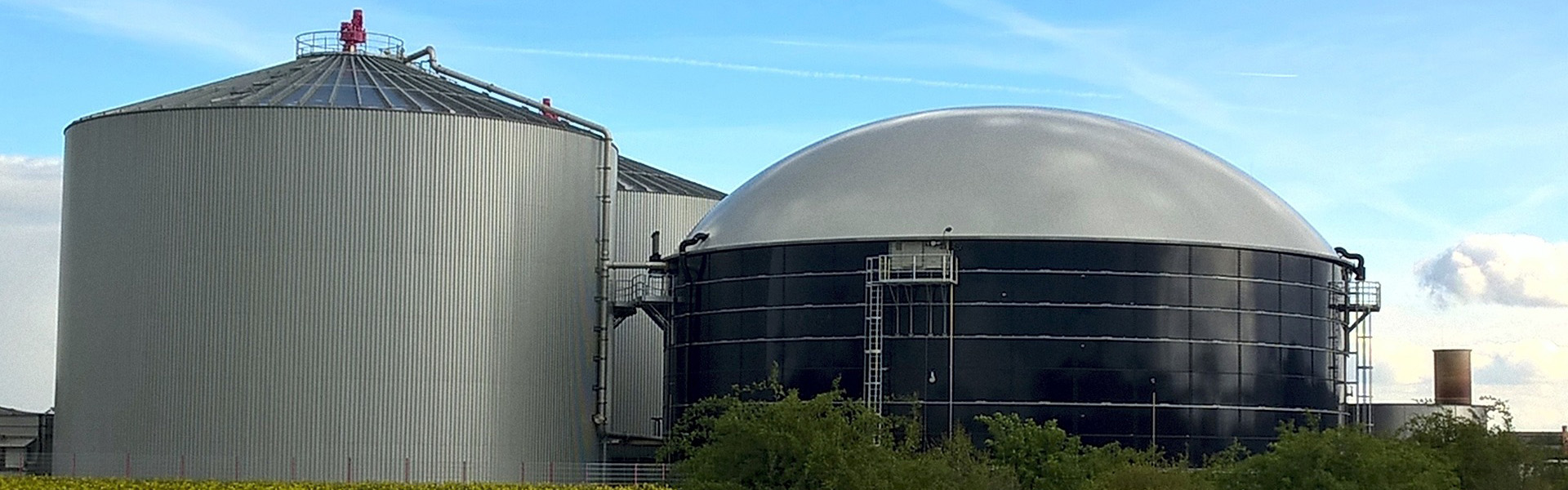
The heart is the anaerobic digester. This is a heated, sealed tank where microorganisms work without oxygen. Temperature and retention time are carefully controlled for optimal gas yield.
Following the digester is the biogas storage and utilization system. The raw biogas can be used in a combined heat and power (CHP) unit. This generates electricity for the farm and heat for the digester and barns.
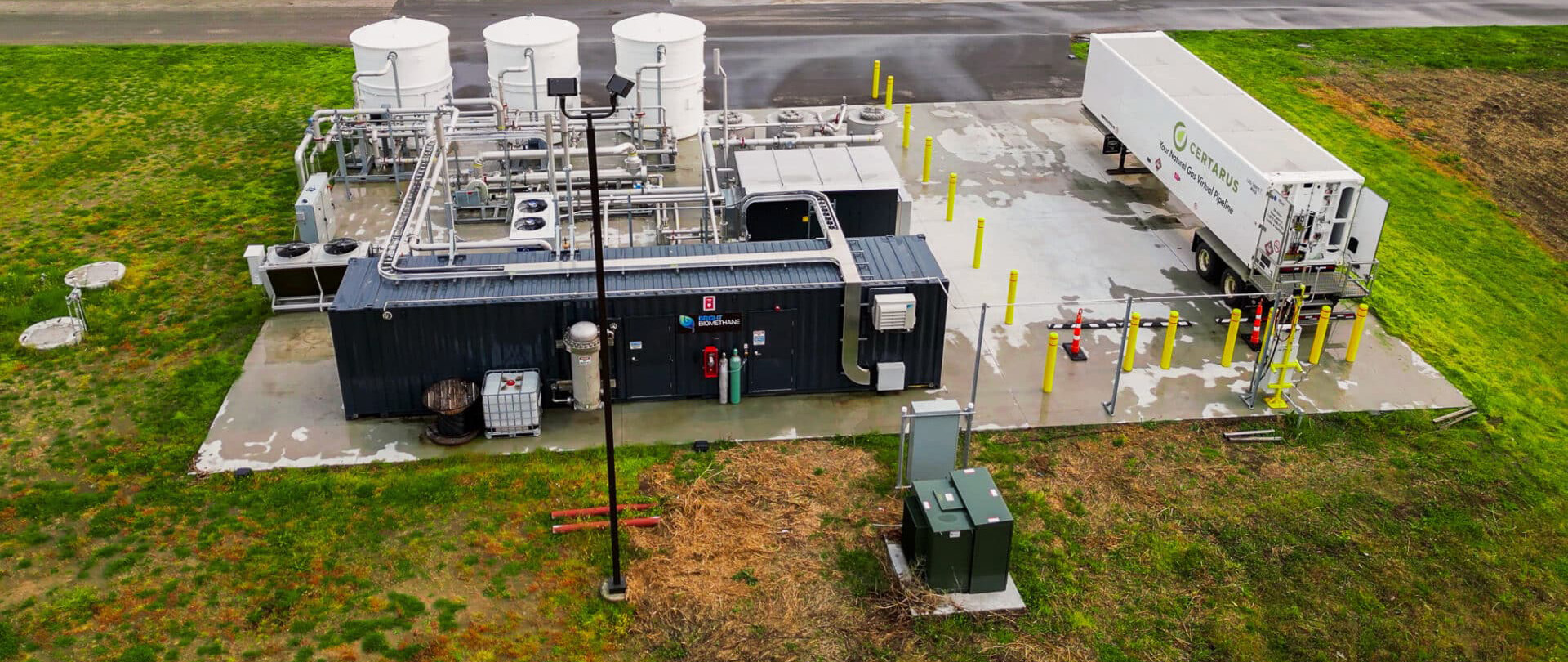
Advanced systems include gas upgrading equipment. This purifies biogas to biomethane, which can be injected into the natural gas grid or used as vehicle fuel. This represents the high end of international biogas upgrading technology.
Economic and Environmental Impact Analysis
The financial case for a biogas plant in a dairy farm is strong. While the initial investment is significant, the payback period can be attractive. Savings on energy bills are the most immediate return.
Additional revenue streams exist. In many regions, you can sell renewable electricity to the grid at premium tariffs. High-quality digestate can be bagged and sold. Carbon credit markets may also provide income.
Environmentally, the impact is profoundly positive. It converts a waste problem into a resource. Water pollution risks from runoff are minimized. By displacing fossil fuels and synthetic fertilizers, the farm becomes a net environmental contributor.
Selecting the Right Biogas Plant: A Practical Guide
Choosing a system requires careful planning. The scale must match your herd size and available co-substrates. A consultant can perform a feasibility study to determine the optimal size.
Consider the digester type. Common designs for farms include plug-flow, complete-mix, and covered lagoon digesters. Each has different cost, efficiency, and space requirements.
Partnering with a reputable manufacturer is crucial. Look for companies with experience in the international biogas upgrading and farm sector. They should offer robust design, quality equipment, and reliable service support.
Focus on durability and ease of operation. The system should be built to last and simple for farm staff to manage daily. Automation can help but should not over-complexify the process.
Installation, Operation, and Maintenance Essentials
Professional installation is non-negotiable. Site preparation, civil works, and system integration must be done to engineering standards. This ensures safety, efficiency, and longevity.
Daily operation involves feeding the digester, monitoring temperatures and gas production, and managing the digestate. It requires consistent attention but is not overly labor-intensive.
Routine maintenance is similar to maintaining farm machinery. It includes checking pumps, mixers, and the CHP engine. Having a service agreement with your supplier is highly recommended.
Long-term success depends on treating the biogas plant as a core part of farm operations. Proper training for staff is essential to handle routine tasks and identify potential issues early.
Beyond Energy: The Digestate Advantage
The value of digestate is sometimes underestimated. The digestion process locks in nitrogen and other nutrients in a more plant-available form. The odor is also greatly reduced compared to raw manure.
This allows for more flexible and neighbor-friendly field application. It can be used on forage crops, further closing the nutrient loop on the farm.
With simple separation equipment, digestate can be split into a liquid fraction and a solid fiber. The fiber makes excellent bedding for cows, replacing sawdust or sand, creating another direct cost saving.
Conclusion: A Strategic Investment for a Sustainable Future
Implementing a biogas plant in a dairy farm is a forward-thinking decision. It addresses waste, energy, and nutrient management in one integrated system.
The benefits are multifaceted: lower costs, new revenue, enhanced sustainability, and improved community relations. As energy prices fluctuate and environmental regulations tighten, this technology offers resilience and control.
For dairy farmers looking to future-proof their operations, exploring a biogas plant in a dairy farm is a logical and profitable step. It turns a daily challenge into a continuous source of value.
Frequently Asked Questions (FAQs)
Q1: What is the minimum herd size to make a dairy farm biogas plant viable?
A1: Economic viability depends on many factors, including energy costs and available subsidies. Generally, a minimum of 150-200 dairy cows is considered a starting point for a dedicated plant. Smaller farms can collaborate in community-based digesters or use very simple systems primarily for odor and nutrient management.
Q2: How much space is needed to install a biogas plant in a dairy farm?
A2: Space requirements vary by system type and scale. A basic complete-mix digester system for a 500-cow farm might require an area roughly 30m x 50m for the tanks, CHP unit, and storage. A detailed layout from your supplier will provide exact dimensions based on your specific design.
Q3: Is the biogas process dangerous? Can the digester explode?
A3: When designed, operated, and maintained correctly, biogas systems are safe. Explosion risk is mitigated through proper gas handling, ventilation, and flame arrestors. Safety systems, including gas leak detectors and pressure relief valves, are standard. Training and adherence to safety protocols are paramount.
Q4: Can I use waste from other sources in my farm's biogas plant?
A4: Yes, in most cases. Adding certain co-substrates like energy crops, food processing waste, or glycerin can significantly increase biogas yield. This process is called co-digestion. It is crucial to ensure any imported waste is safe, agreed upon in permits, and properly mixed with the manure.
Q5: What is the typical lifespan of a dairy farm biogas plant, and what are the major maintenance costs?
A5: A well-built anaerobic digester tank can last 25+ years. The major mechanical components like mixers, pumps, and especially the CHP engine have shorter lifespans. The CHP engine may require a major overhaul every 8-10 years, which is a significant planned maintenance cost. Regular daily and annual maintenance is key to maximizing the system's overall life.