


News
We'll get back to you as soon as possible.
Biogas Plant in Palm Oil Mill: Turning POME Waste into Renewable Energy Profit
For palm oil mill managers, dealing with Palm Oil Mill Effluent (POME) is a major operational and environmental challenge. This wastewater is a byproduct you can't avoid. But what if it could become your mill's most valuable resource? That's the exact promise of installing a biogas plant in palm oil mill operations.
Instead of treating POME as a costly waste in open lagoons, a dedicated biogas system captures its energy. It converts organic pollutants into renewable biogas. This process cuts methane emissions, generates power, and creates new revenue. It transforms a liability into an asset.
This article explains how a biogas plant in palm oil mill facilities works. We'll cover the technology, the business case, and what you need to know to get started.
The Core Challenge: POME as a Resource, Not Waste
POME is highly organic and acidic. Traditionally, it's stored in open ponds for treatment. This method is simple but problematic. It releases large amounts of methane, a potent greenhouse gas, into the atmosphere. It also uses significant land area and carries pollution risks.
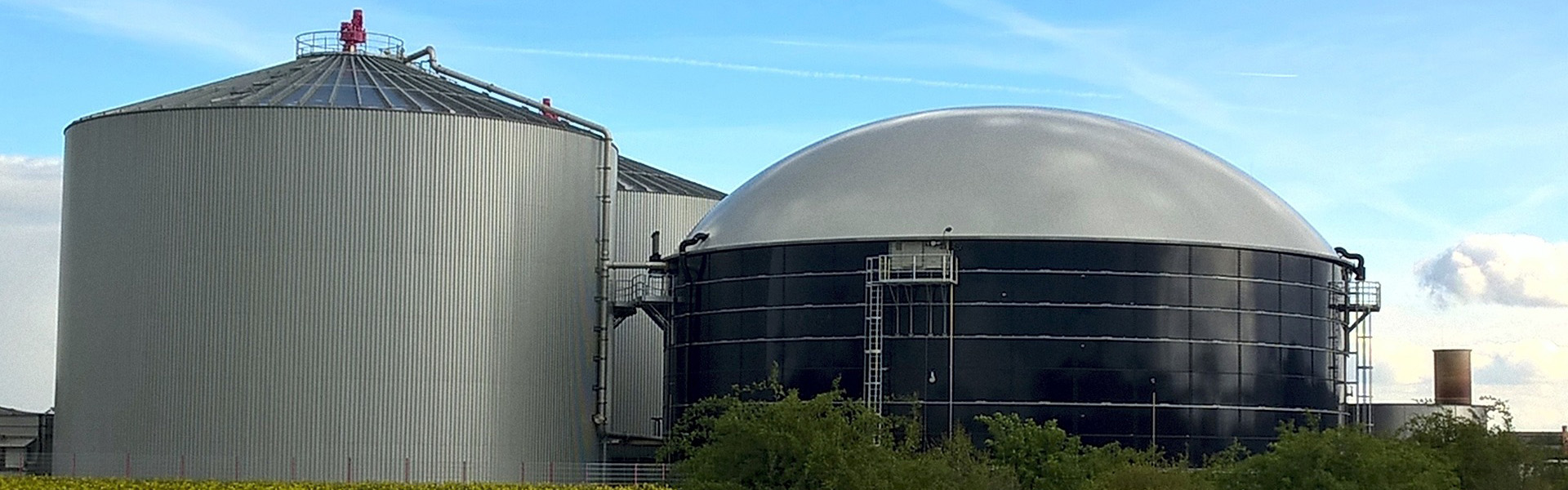
A biogas plant in palm oil mill setups intercepts this process. It captures POME and feeds it into sealed, oxygen-free tanks called anaerobic digesters. Here, bacteria break down the organic material. The main output is biogas, a mix of methane (CH4) and carbon dioxide (CO2).
This controlled digestion solves the core environmental issue. It also unlocks value from a stream you already produce every day.
How the Technology Works: From POME to Power
The technology for a biogas plant in palm oil mill applications is mature and proven. The process follows a clear path.
First, POME is channeled from the mill into a pre-treatment tank. Here, solids are sometimes separated, and the temperature or pH may be adjusted.
The heart of the system is the digester. Common types for POME include continuous stirred-tank reactors (CSTR) or covered anaerobic lagoons. The POME is heated and mixed continuously. Bacteria digest it over 20-30 days, producing biogas.
The biogas is collected in a gas storage dome or tank. It can then be used directly in several ways.
Primary Uses for the Captured Biogas
Most mills use the biogas for on-site energy generation. This is the most straightforward application.
A common method is feeding the gas into a boiler. It can replace a large portion of the fossil fuels (like diesel or natural gas) or biomass (like shells and fibers) used to create steam for the mill's sterilization process. This creates immediate fuel cost savings.
Another robust option is using a gas engine to generate electricity. This power can run the mill's operations, reducing grid dependence. In regions with unreliable grids, this provides crucial energy security. Excess electricity can often be sold to the grid.
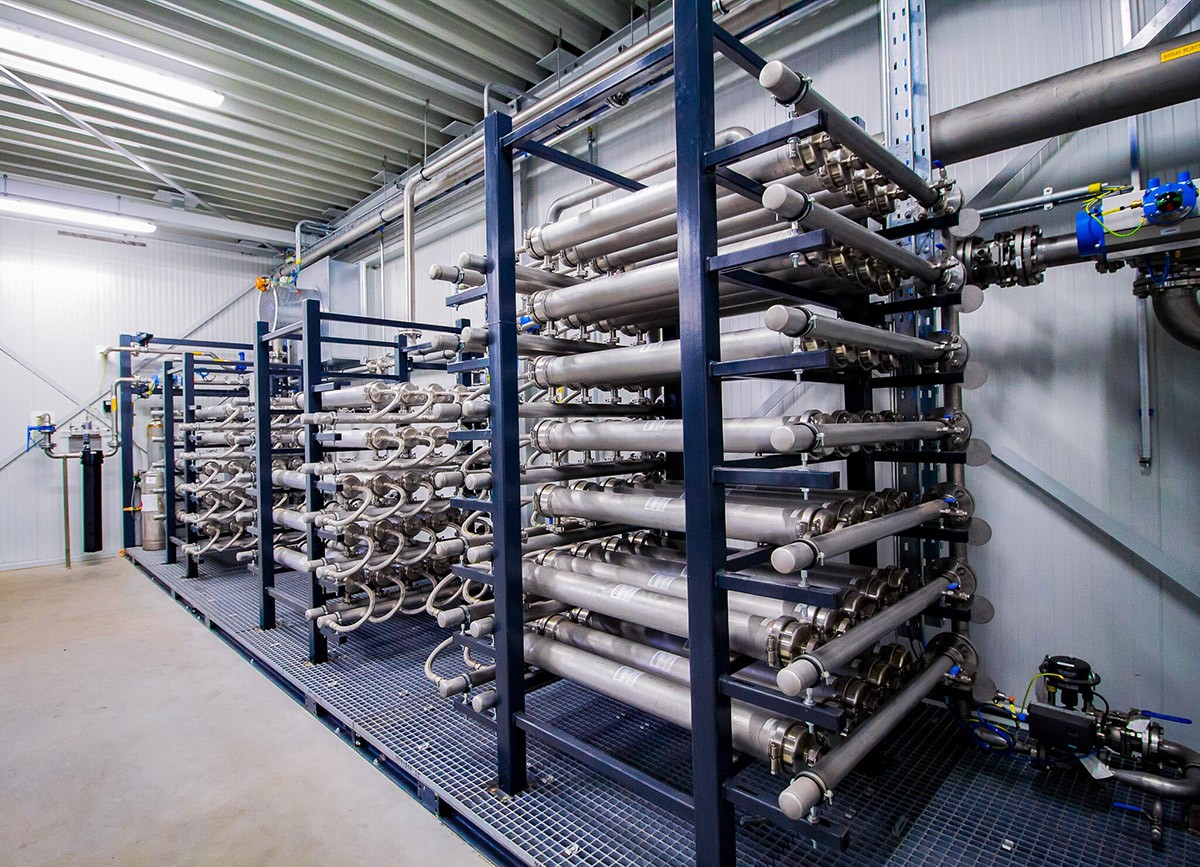
The most advanced application involves biogas upgrading. This is where international biogas plant in palm oil mill technology providers add significant value. Upgrading systems scrub the CO2 and other impurities from the biogas. The result is biomethane, over 95% pure.
This biomethane can be injected into natural gas pipelines. It can also be compressed (CBG) or liquefied (LBG) for use as vehicle fuel or sold to industrial customers. This creates a high-value product from waste.
The Compelling Financial and Environmental Benefits
The business case for a biogas plant in palm oil mill operations is strong and multi-faceted.
The first benefit is direct cost savings on energy. By displacing purchased fuels or grid electricity, the plant pays for itself over time. With rising energy prices, these savings become even more significant.
Revenue generation is key. Selling carbon credits (like Certified Emission Reductions) under schemes like the Clean Development Mechanism has been a historical driver. Today, voluntary carbon markets and national incentive programs continue to offer income. Selling excess power or biomethane adds another revenue stream.
Environmental compliance is a major driver. Governments worldwide are tightening regulations on methane emissions and water pollution. A biogas plant positions your mill as a leader in sustainability. This improves your brand with global buyers and consumers who demand environmentally responsible palm oil.
It also drastically reduces your mill's overall carbon footprint, supporting corporate ESG (Environmental, Social, and Governance) goals.
Key Considerations for Planning and Installation
Installing a biogas plant in palm oil mill is a significant engineering project. Careful planning is essential.
A thorough feasibility study is the first step. It analyzes POME volume, composition, and flow. It determines the optimal plant size and technology. It also models the financial returns and payback period.
Choosing the right technology partner is critical. Look for engineering firms with specific experience in POME-based biogas plants. They should understand the unique challenges of the palm oil industry. Leading international providers offer integrated solutions, from design to commissioning.
Space is an important factor. While covered lagoon systems require more land, tank-based systems have a smaller footprint. You must assess the available area near your mill's existing effluent streams.
Integration with your current mill operations is crucial. The plant design must fit seamlessly with your daily production to avoid disruptions.
Operation, Maintenance, and Maximizing Output
A biogas plant in palm oil mill is a continuous process facility. It requires dedicated operational attention, though automation handles much of the control.
Daily tasks include monitoring digester temperature, pH levels, and biogas production. Regular maintenance of pumps, mixers, and gas engines is necessary for long-term reliability.
To maximize biogas yield, some mills practice co-digestion. This involves adding other organic wastes, like empty fruit bunches (EFB) in a slurry form or wastewater from other processes. This boosts gas production and can help manage other waste streams.
Training your mill staff to operate and troubleshoot the system is a key success factor. Many technology providers offer comprehensive training programs.
The Future: Biogas as a Pillar of Sustainable Palm Oil
The role of a biogas plant in palm oil mill complexes is evolving. It is moving from a niche waste treatment option to a standard expectation for modern, sustainable mills.
As the global focus on the circular economy intensifies, converting POME into energy is the perfect example. It turns a major environmental concern into a clean energy solution.
For mill owners, it's no longer just about compliance. It's about operational efficiency, cost control, and building a resilient, future-proof business model.
Investing in a biogas plant in palm oil mill is a strategic decision. It safeguards your operation against rising costs and tightening regulations. More importantly, it actively contributes to a more sustainable and profitable palm oil industry.
Frequently Asked Questions (FAQs)
Q1: What is the minimum capacity of a palm oil mill to make a biogas plant feasible?
A1: Feasibility depends more on POME volume than raw mill capacity. Generally, a mill producing around 30 tonnes of Fresh Fruit Bunches (FFB) per hour or more is a strong candidate. This typically generates enough POME to support a financially viable biogas project. However, smaller mills can also benefit, especially with standardized, modular systems.
Q2: How much land is needed for a typical biogas plant for a medium-sized mill?
A2: For a tank-based anaerobic digester system at a mill processing 60 tonnes FFB/hour, the physical plant (digesters, tanks, engine room) might require 1-2 acres of land. A covered anaerobic lagoon system would require significantly more space, similar to your existing ponds but sealed.
Q3: Can the biogas system handle fluctuations in mill production?
A3: Yes, well-designed systems include balancing tanks that can hold POME for 1-2 days. This smoothes out the feed to the digesters, protecting the sensitive bacteria from sudden shocks in volume or composition. The system is designed to handle normal operational variations.
Q4: What happens to the digested effluent (digestate) after biogas production?
A4: The treated effluent, or digestate, is much more stable and has a reduced odor. It is then sent to secondary treatment ponds (aerobic) for final polishing before discharge or land application. The digestion process makes subsequent treatment easier and faster. The nutrient-rich digestate can also be used as a liquid fertilizer.
Q5: What is the typical payback period for this kind of investment?
A5: The payback period varies widely based on energy prices, government incentives, carbon credit values, and plant scale. Generally, it ranges from 4 to 8 years. When factoring in avoided costs for future environmental compliance and enhanced brand value, the overall return on investment is often compelling and faster.