


News
We'll get back to you as soon as possible.
5 Critical Steps for a Successful Biogas Plant Installation: Costs, Technology & Supplier Guide
A well-executed biogas plant installation is a cornerstone project for sustainable waste management and renewable energy production globally. It transforms organic waste—from agricultural residue to food scraps—into valuable biogas and digestate. For farms, industries, and communities, a proper biogas plant installation represents a significant investment in energy independence and environmental responsibility. This process requires meticulous planning, from selecting the right technology to choosing a reliable engineering partner in the international biogas upgrade equipment manufacturing sector.
The complexity of such a project demands a clear, step-by-step approach to avoid costly mistakes and ensure optimal gas yield and operational efficiency.
Understanding Biogas Systems: Types and Core Components
Before diving into a biogas plant installation, it's crucial to understand the basic system types. The two primary categories are wet (liquid) and dry fermentation systems.
Wet systems handle feedstocks with high moisture content, like manure and slurry. They are common for agricultural applications. Dry systems, often batch-based, are suited for stackable solid wastes like crop residues and organic municipal waste.
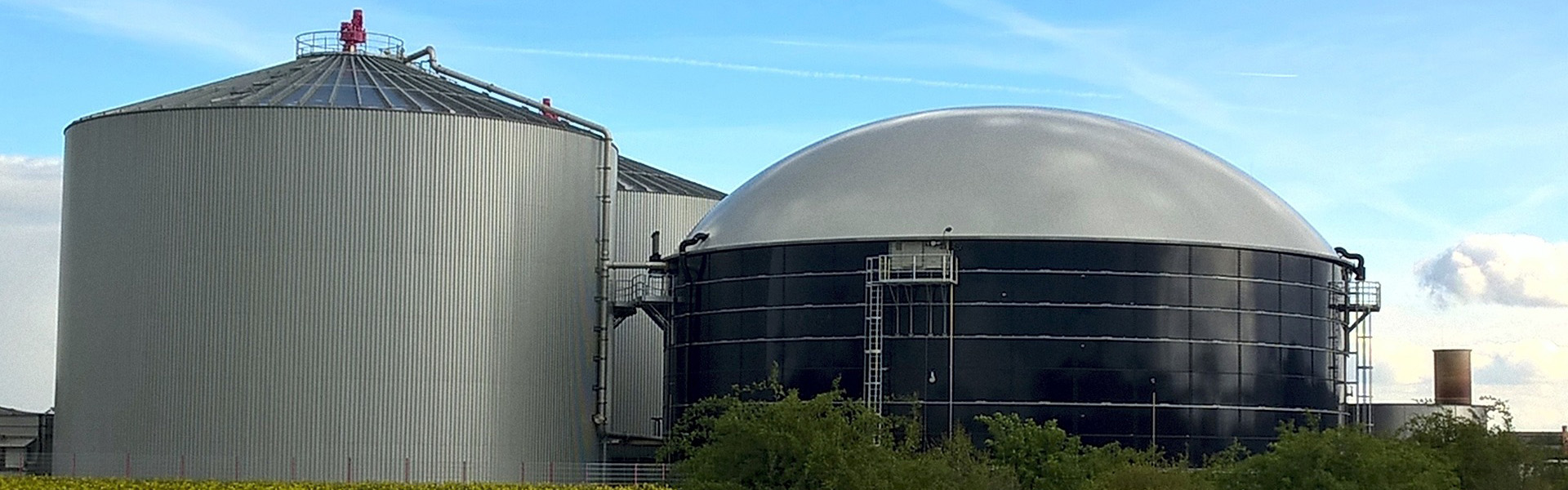
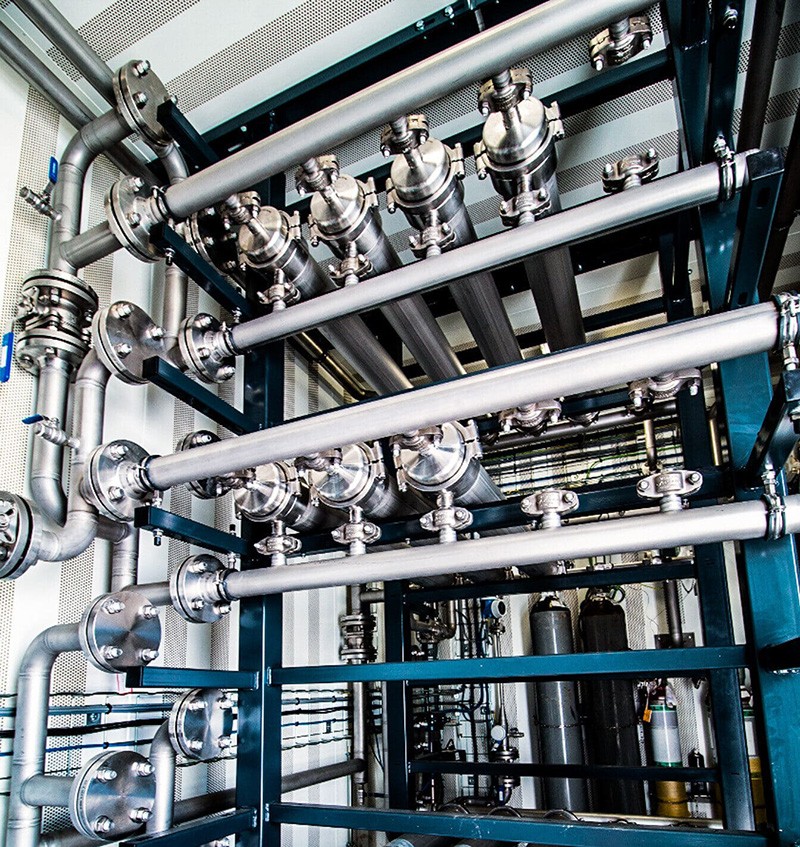
Every system, however, shares core components: a feedstock pre-treatment area, a digester tank (where anaerobic digestion occurs), a gas storage holder, a combined heat and power (CHP) unit or gas upgrading system, and digestate storage. The choice between a simple agricultural plant and a complex industrial plant with membrane-based gas upgrading defines the project's scope.
Key Factors to Consider Before Your Installation Begins
A successful project starts long before construction. First, conduct a thorough feedstock analysis. What organic materials are available, in what quantity, and year-round? Consistent feedstock supply is non-negotiable.
Next, assess the end-use for the biogas. Will it be used for on-site electricity and heat via a CHP engine, or upgraded to biomethane for injection into the gas grid or use as vehicle fuel? This decision directly impacts technology selection and cost.
Site conditions are equally vital. Space, topography, water availability, and proximity to feedstock sources and energy offtakers must be evaluated. Finally, understand local regulations and permitting requirements for biogas plant installation, which can vary significantly by region.
The 5-Step Process for a Professional Biogas Plant Installation
Following a structured process is key to managing a complex biogas plant installation.
Step 1: Feasibility Study and Planning. This phase involves detailed technical and economic modeling. It confirms feedstock potential, predicts biogas yield, calculates ROI, and outlines the basic engineering concept.
Step 2: Design and Engineering. Specialized engineers create detailed plans for civil works, process technology, piping, instrumentation, and automation. This is where technology choices for digestion and potential biogas upgrading are finalized.
Step 3: Permitting and Financing. Securing all necessary environmental and construction permits is critical. Parallel to this, finalizing project financing through loans, grants, or investor capital must be completed.
Step 4: Construction and Commissioning. This is the physical biogas plant installation. It includes civil works, tank erection, mechanical and electrical installation, and system integration. Commissioning involves testing all components, starting up the biological process, and ramping up to full capacity.
Step 5: Operation and Maintenance Handover. The plant is officially transferred to the owner-operator, accompanied by comprehensive training and a long-term service and maintenance plan to ensure longevity.
Cost Breakdown: What Determines the Price of a Biogas Plant?
The cost of a biogas plant installation is highly variable, ranging from hundreds of thousands to multiple millions of dollars. Key cost drivers include plant capacity (e.g., 100 kW vs. 1 MW), technology complexity (e.g., basic CHP vs. full grid-injection upgrading), and feedstock type.
Civil engineering and tank construction often represent a major portion of the budget. The cost of the CHP unit or biogas upgrading system—such as amine scrubbing or pressure swing adsorption (PSA) units from specialized manufacturers—is another significant factor. Don’t forget soft costs: engineering, project management, and permitting fees.
A clear cost-benefit analysis must consider ongoing revenue from energy sales, digestate value, and any available green subsidies or carbon credits.
Choosing the Right Technology and Supplier Partner
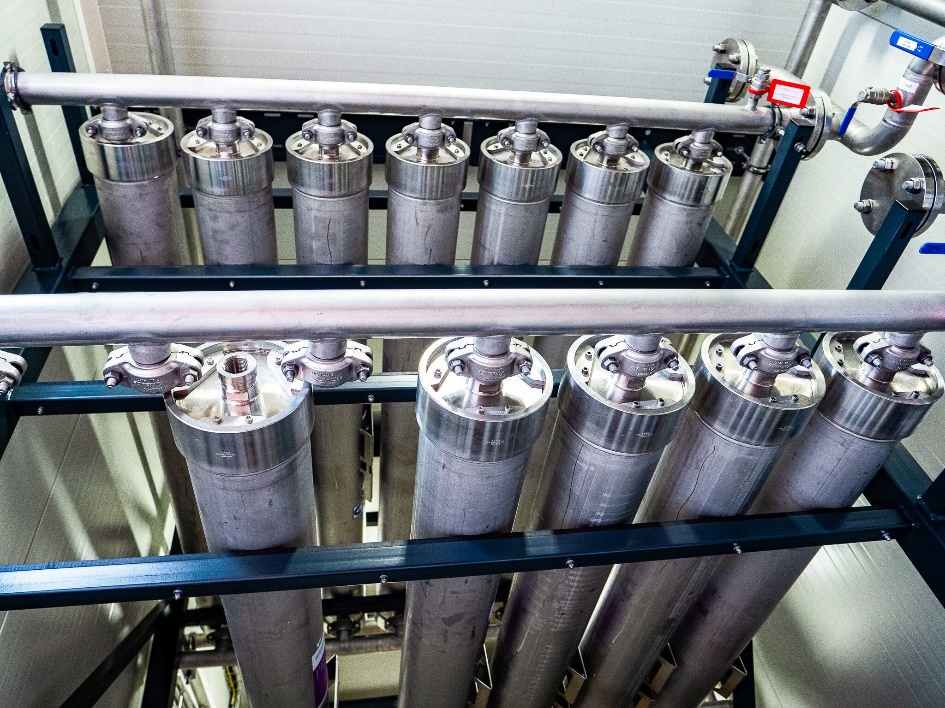
Selecting technology is not just about the digester. It extends to pre-treatment equipment, stirring systems, and crucially, gas utilization. For biomethane production, partnering with a reputable firm in the international biogas upgrade equipment manufacturing field is essential.
Evaluate suppliers based on their reference projects, technology efficiency (methane purity, energy consumption), after-sales service, and local support capabilities. Request detailed performance guarantees. The right partner doesn’t just sell equipment; they provide a reliable, integrated solution for the entire biogas plant installation.
Operational Insights and Long-Term Performance
Once installed, stable operation is the goal. This requires diligent monitoring of digestion parameters like temperature, pH, and volatile fatty acids. Regular maintenance of mechanical parts—especially the CHP engine or gas upgrading membranes—is critical to avoid downtime.
The quality of the digestate, a valuable fertilizer, depends on consistent process management. Long-term performance hinges on the initial design quality, the robustness of the equipment chosen, and the skill of the operational team.
A strategic and well-managed biogas plant installation delivers lasting economic and environmental returns. By focusing on thorough planning, robust engineering, and selecting technology partners with proven expertise in the international biogas upgrade equipment manufacturing sector, project owners can mitigate risks and build a reliable, profitable asset. It transforms waste into a circular resource, contributing directly to a greener energy future.
Frequently Asked Questions (FAQs)
Q1: How long does a complete biogas plant installation take from start to finish?
A1: The timeline varies greatly with plant size and complexity. A small agricultural plant may take 8-12 months from planning to commissioning. A large industrial plant with gas upgrading can take 18-24 months or more, factoring in design, permitting, construction, and the biological start-up phase.
Q2: What is the typical maintenance requirement for an operating biogas plant?
A2: Daily tasks include monitoring process parameters and checking equipment. Weekly and monthly maintenance involves lubricating moving parts, inspecting pumps and stirrers, and cleaning pre-treatment screens. The CHP engine requires regular oil changes and overhauls as per manufacturer schedules, similar to gas upgrading system filters and membranes.
Q3: Can a biogas plant be installed for a single farm or is it only for large industries?
A3: Absolutely. Small-scale, farm-based biogas plant installation is very common and often highly effective. It manages manure and on-farm waste while providing heat and power for the farmstead. Modular designs have made smaller installations more accessible and cost-effective.
Q4: Are there government incentives or subsidies available for biogas projects?
A4: In many countries, yes. Incentives can include feed-in tariffs for renewable electricity, renewable heat incentives, tax credits, or grants for capital investment. Support for biomethane grid injection is also growing in many regions as part of decarbonization strategies. Always check current local and national policies.
Q5: What are the most common reasons a biogas plant underperforms?
A5: Underperformance often stems from inconsistent or poor-quality feedstock, leading to biological imbalance. Inadequate pre-treatment (e.g., removing contaminants), mechanical failures from lack of maintenance, or an original design not suited to the actual feedstock mix can also cause significant drops in gas production and profitability.