


News
We'll get back to you as soon as possible.
5 Efficient Biogas Purification Technologies for Your Energy Project in 2026
Upgrading raw biogas to usable biomethane is a critical step for energy projects worldwide. Selecting the right biogas purification technology is the deciding factor for efficiency, profitability, and environmental impact. This article breaks down the leading methods, their applications, and what you need to choose the best system for your needs.
The global shift towards renewable energy has placed biomethane at the forefront. It’s a direct substitute for natural gas. The core process that enables this transformation is biogas purification technology. Also known as upgrading, it removes CO2, H2S, water vapor, and other trace impurities. The success of any international bioenergy venture hinges on this technical choice.
Core Information: What is Biogas Purification?
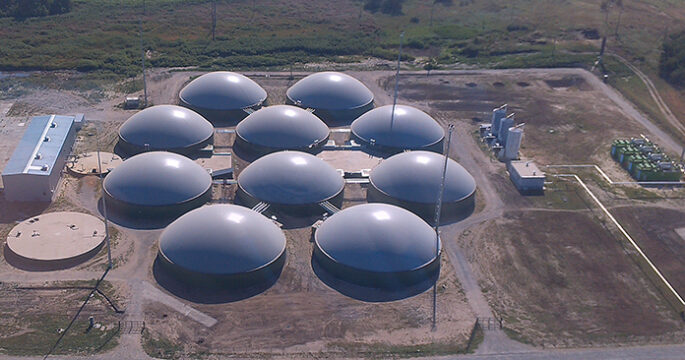
Raw biogas from digesters is roughly 50-70% methane (CH4) and 30-50% carbon dioxide (CO2), with contaminants like hydrogen sulfide (H2S), water, and siloxanes. Biogas purification technology strips away everything but the methane.
The result is biomethane. This gas has a methane content exceeding 95%. It meets specifications for injection into national gas grids or for use as vehicle fuel (Bio-CNG/LNG). Without effective biogas purification technology, biogas use is limited to local heat and power, missing higher-value markets.
The Top 5 Biogas Purification Technologies Compared
Manufacturers globally offer several proven upgrading methods. Each has distinct operational and economic profiles.
Water Scrubbing (Physical Absorption)
This is one of the most common biogas purification technology options. It exploits the higher solubility of CO2 and H2S in water compared to methane.
Biogas is pressurized and fed into a column where water flows counter-currently. CO2 dissolves into the water. The purified methane exits the top. The water is then regenerated by releasing pressure, venting the captured gases.
It’s effective for H2S removal and is known for its robustness. However, it requires significant water circulation and energy for pumping.
Pressure Swing Adsorption (PSA)
PSA is a dry, versatile biogas purification technology. It uses adsorbent materials (like activated carbon or zeolites) housed in vessels.
Under pressure, the adsorbent beds selectively trap CO2, nitrogen, and oxygen. Methane molecules pass through. When a bed is saturated, pressure is released, desorbing the impurities. Multiple vessels cycle to ensure continuous gas flow.
PSA systems are compact and have low power consumption for compression. They require careful pre-treatment to remove H2S and water, which can poison the adsorbents.
Membrane Separation
This modern biogas purification technology relies on the differential permeability of gas molecules through polymeric or ceramic membranes.
Pressurized biogas flows across membrane surfaces. CO2, water, and H2S permeate the membrane material faster than methane. A stream of high-purity methane, the “retentate,” is collected on the other side.
Membranes offer modular design, easy scalability, and quiet operation. They demand excellent pre-treatment and precise pressure control for optimal performance.
Chemical Scrubbing (Amine Scrubbing)
This method uses a chemical reaction for removal. An amine solvent circulates and chemically bonds with CO2 and H2S in the biogas stream.
The rich amine solution is heated in a regenerator column. This breaks the chemical bond, releasing high-purity CO2. The lean amine is cooled and recycled.
It achieves very high purity and yield (>99.5% CH4). It is the preferred biogas purification technology for large-scale plants feeding into strict gas grids. The system is complex, with high thermal energy demands for solvent regeneration.
Organic Physical Scrubbing (e.g., Genosorb)
A hybrid approach, this biogas purification technology uses an organic solvent instead of water or amine. The solvent has a high affinity for CO2 under pressure and releases it when pressure is reduced.
It combines the physical principle of water scrubbing with the higher selectivity and lower energy of regeneration of chemical solvents. It often requires less circulation and energy than water scrubbing.
Application & Selection Guide for Project Developers
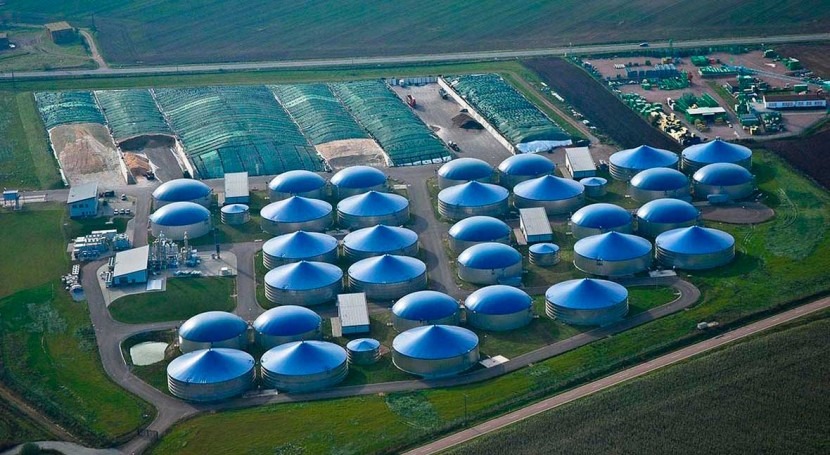
Choosing a biogas purification technology is not one-size-fits-all. Key decision factors include:
Feedstock & Biogas Composition: High H2S levels may favor scrubbing technologies. Fluctuating gas volumes suit modular systems like membranes.
Desired Product Purity & End-Use: Grid injection demands >98% CH4, often requiring amine or membrane systems. Industrial boiler fuel may allow for simpler solutions.
Plant Capacity: Small farms (<100 Nm³/h) often choose PSA or compact membranes. Large municipal or industrial plants (>500 Nm³/h) may opt for amine or water scrubbers for economies of scale.
Utilities Availability: Consider electricity costs (for compressors), thermal energy availability (for amine regeneration), and water access/disposal.
CAPEX vs. OPEX: Membrane and PSA systems may have lower capital expenditure. Water scrubbing has lower OPEX but higher CAPEX. A full lifecycle cost analysis is essential.
Price Considerations and Commercial Services
The price of a biogas purification technology unit varies massively. A small-scale containerized system can start at $200,000. A large-scale, custom-engineered plant can exceed several million dollars.
Costs are influenced by capacity, technology type, automation level, and site-specific requirements. Leading international manufacturers typically offer comprehensive commercial services. This includes feasibility studies, engineering, procurement, construction (EPC), and long-term maintenance contracts.
Technology providers are moving towards service-based models. They may own and operate the upgrading unit, selling the purified biomethane to the client under a guaranteed contract.
The Future of Upgrading Technology
Innovation in biogas purification technology continues. Trends focus on reducing energy consumption and integrating with other processes.
Researchers are developing more selective and durable membranes. New adsorbent materials for PSA aim for higher capacity. A significant trend is the move towards “power-to-gas” integration, where the separated CO2 is combined with green hydrogen to produce synthetic methane.
This creates a fully renewable gas cycle. The role of biogas purification technology thus evolves from simple cleaning to a central hub in the circular carbon economy.
Selecting the optimal biogas purification technology requires a careful balance of technical, economic, and operational factors. By understanding the core principles of water scrubbing, PSA, membranes, amine scrubbing, and organic physical scrubbing, project developers can make an informed choice.
Engaging early with experienced technology providers for a detailed analysis is crucial. The right system maximizes methane yield, ensures reliable operation, and secures the financial viability of your biomethane project. As regulations and markets for green gas expand, robust biogas purification technology remains the indispensable engine of the industry.
Frequently Asked Questions (FAQs)
Q1: What is the main purpose of biogas purification technology?
A1: The main purpose of biogas purification technology is to upgrade raw biogas into high-purity biomethane by removing carbon dioxide (CO2), hydrogen sulfide (H2S), water vapor, and other impurities. This transforms biogas into a direct substitute for natural gas, enabling grid injection or use as vehicle fuel.
Q2: Which biogas purification technology is the most cost-effective?
A2: There is no single "most cost-effective" technology for all cases. For smaller plants with stable gas flow, PSA or membrane systems often offer a good balance. For very large-scale plants targeting high grid purity, amine scrubbing may have lower operational costs despite higher initial investment. A site-specific lifecycle cost analysis is required.
Q3: How much maintenance does a biogas upgrading unit require?
A3: Maintenance needs vary by technology. Membrane and PSA systems require regular filter changes and adsorbent/media replacement every few years. Scrubbing systems need pump maintenance and solvent monitoring/top-up. All technologies require daily monitoring and skilled operational staff, which is why many opt for manufacturer service contracts.
Q4: Can the CO2 removed during purification be used or sold?
A4: Yes, this is a growing area of interest. The separated CO2 stream is often of high purity and can be captured for use in greenhouses, beverage carbonation, or industrial processes. This creates an additional revenue stream and improves the project's overall carbon balance, making the biogas purification technology a carbon capture unit as well.
Q5: What is the typical lifespan of a biogas purification plant?
A5: A well-designed, properly maintained biogas purification technology plant from a reputable manufacturer has an expected technical lifespan of 15 to 20 years. Key components like vessels and piping last longer, while consumables (membranes, adsorbents, solvent) are replaced according to a planned schedule. Regular upkeep is critical to achieving this lifespan.