


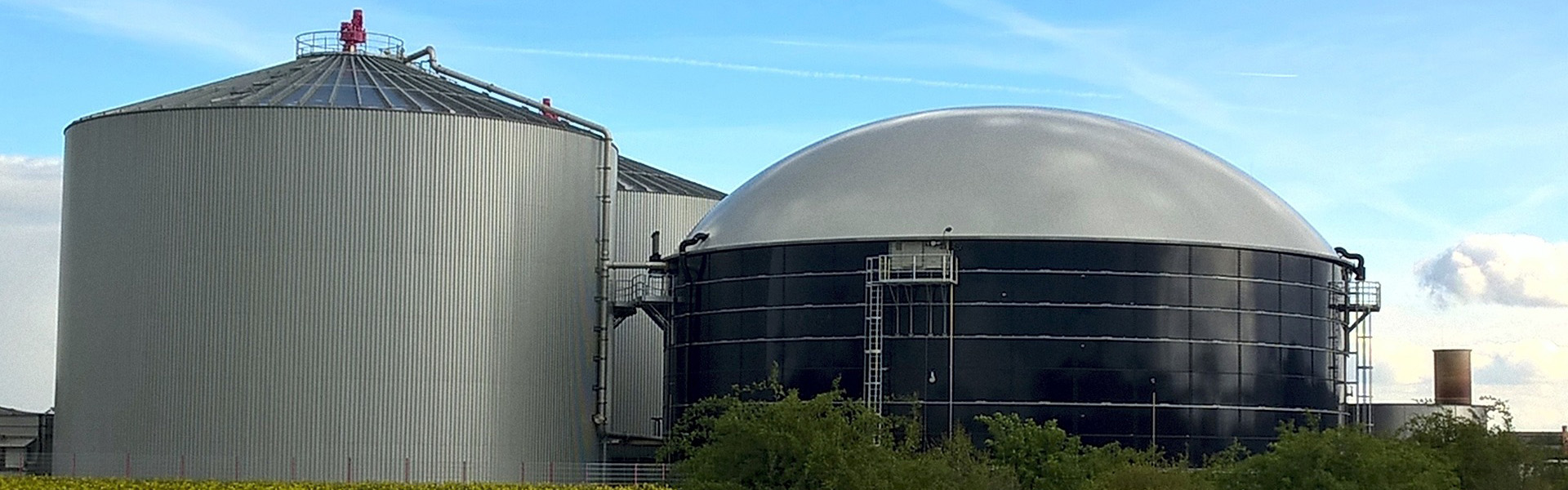
News
We'll get back to you as soon as possible.
7 Critical Steps for Successful Biogas Recovery from Organic Waste
Turning organic waste into a valuable energy asset is no longer just an ideal; it's a practical, profitable process. The key to unlocking this value lies in effective biogas recovery. This systematic approach captures methane-rich gas from decomposing organic matter, transforming environmental liabilities into renewable heat, power, and fuel. For farms, food processors, and wastewater plants worldwide, mastering these steps is essential for both economic and environmental returns.
A successful biogas recovery project doesn't start with installing hardware. It begins with a thorough understanding of your feedstock and clear goals for the gas. Whether aiming for electricity generation, boiler fuel, or vehicle-grade biomethane, the core principles of capture, conditioning, and utilization remain constant. This process is central to the global circular economy, turning waste streams into energy pipelines.
What Exactly is Biogas Recovery?
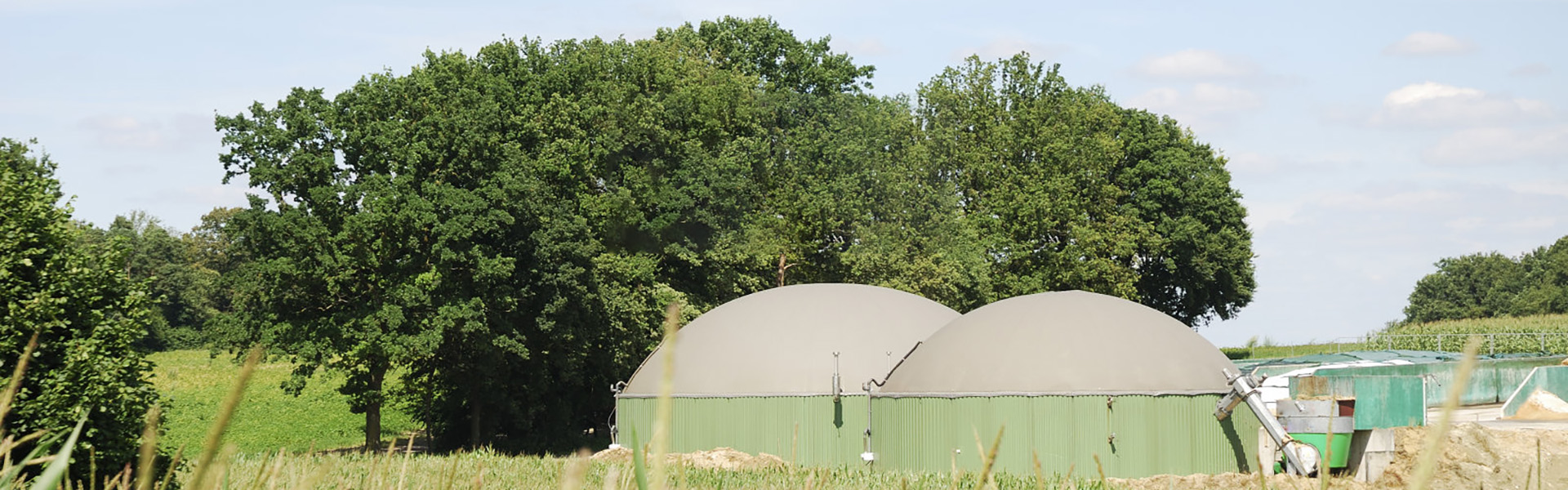
Biogas recovery is the integrated process of capturing, collecting, and preparing biogas produced from the anaerobic digestion (AD) of organic materials or from landfill sites.
It's more than just making gas. It involves a chain of technologies: first, containing the gas produced in a digester or landfill; then, collecting and moving it safely; finally, cleaning and conditioning it for its intended use. This makes biogas recovery a fundamental engineering discipline within the international bioenergy sector.
Without dedicated recovery systems, this potent methane would escape into the atmosphere, where it is a powerful greenhouse gas. Effective recovery mitigates these emissions while creating a clean energy product.
The 7-Step Framework for Project Implementation
A methodical approach separates successful projects from costly failures. Follow these steps to structure your biogas recovery plan.
Step 1: Feedstock Analysis and Gas Potential
Not all waste is equal. The first step is a detailed analysis of your organic feedstock—manure, food waste, agricultural residues. Quantity, consistency, and chemical composition (like carbon-to-nitrogen ratio) must be assessed.
This data helps predict biogas yield and quality. It determines the size of the digester and the specific requirements for the downstream recovery and cleaning systems. Skipping this step leads to under-sized or over-designed, inefficient projects.
Step 2: Selecting the Right Digestion Technology
The choice of digester drives the entire biogas recovery chain. Options range from simple covered lagoons for low-solid wastes to continuous stirred-tank reactors (CSTRs) for higher-strength materials.
Temperature (mesophilic vs. thermophilic) and process style (wet vs. dry) are key decisions. The digester must provide a stable, sealed environment for bacteria to thrive and produce gas consistently. This vessel is the "engine" of your recovery operation.
Step 3: Efficient Gas Collection and Handling
Once produced, biogas must be captured without leaks. This involves robust, flexible membrane covers for lagoons or fixed dome roofs for tanks. The gas is then drawn off under slight negative pressure by a blower system.
Piping, moisture traps (knock-out pots), and safety equipment like flame traps are critical components. This stage focuses on moving the raw, humid, and corrosive gas from the digester to the conditioning skid safely and reliably.
Step 4: Essential Pre-Conditioning
Raw biogas is saturated with water vapor and contains hydrogen sulfide (H2S), which is corrosive. Before any further use, this "dirty" gas must be pre-conditioned.
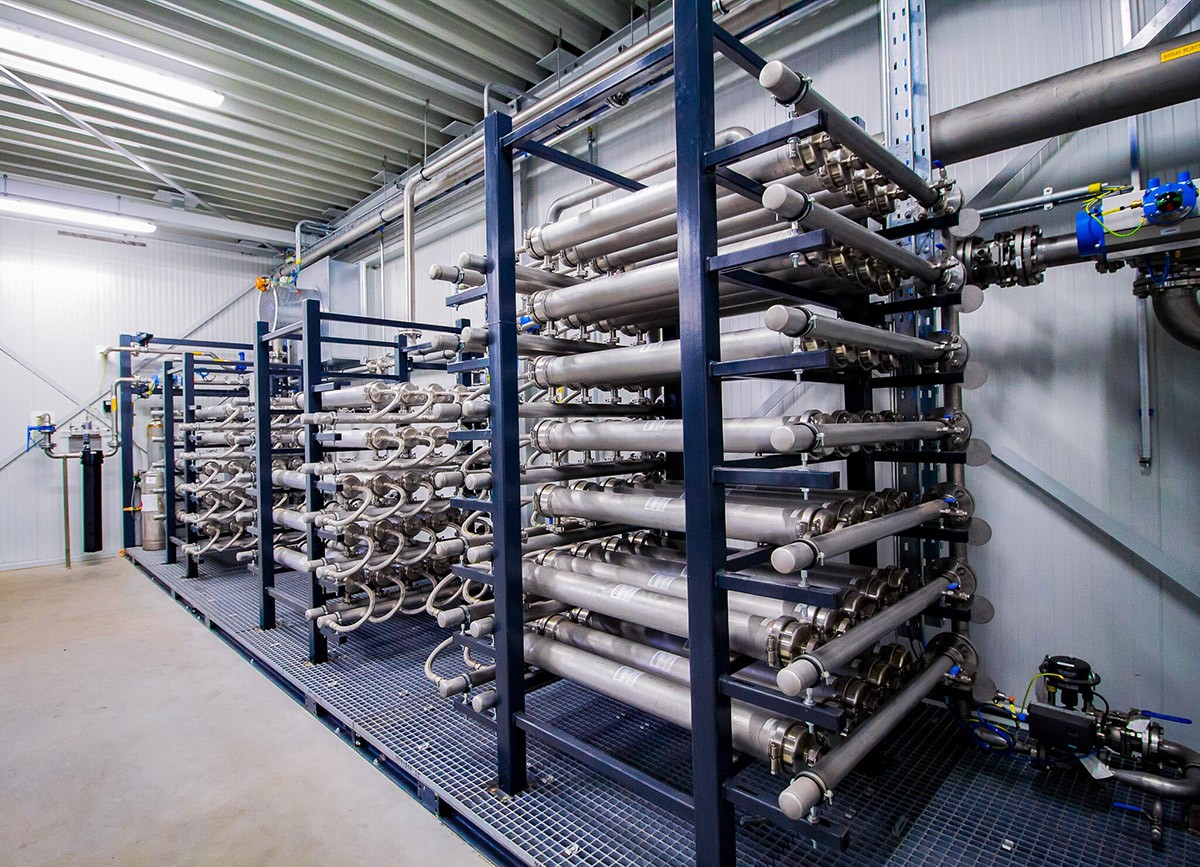
This typically involves cooling to condense out water (dehumidification) and chemical or biological scrubbing to remove H2S. This step protects all downstream equipment, including engines, boilers, or upgrading membranes, from damage and inefficiency.
Step 5: Choosing Your Core Recovery Pathway
Here, you define the final product of your biogas recovery effort. The main pathways are:
Combined Heat and Power (CHP): Burning gas in a generator to produce electricity and usable heat on-site.
Boiler Fuel: Direct combustion in a modified boiler for process heat or steam.
Biomethane Upgrading: Purifying biogas to natural gas quality for grid injection or vehicle fuel (CBG/LNG).
Direct Use: Supplying gas to nearby industrial processes, like kilns.
The choice depends on local energy prices, incentives, and site needs.
Step 6: Gas Upgrading for High-Value Markets
If the chosen pathway is biomethane, a specialized biogas recovery system includes an upgrading unit. Technologies like membrane separation, amine scrubbing, or pressure swing adsorption (PSA) remove carbon dioxide (CO2) and other trace impurities.
This is a capital-intensive step but unlocks the highest revenue streams. The resulting biomethane is a direct, renewable substitute for fossil natural gas.
Step 7: Monitoring, Safety, and Revenue Capture
A recovery plant is a live industrial asset. Continuous monitoring of gas flow, quality, and system pressure is non-negotiable. Comprehensive safety protocols for leak detection, over-pressure protection, and fire prevention are mandatory.
Finally, systems must be in place to capture revenue—whether through power purchase agreements, renewable gas certificates (RINs, Guarantees of Origin), or direct fuel sales.
Cost Factors and Commercial Models
The capital expenditure (CAPEX) for a biogas recovery system varies dramatically. A farm-based CHP system might start at a few hundred thousand dollars. A large-scale biomethane plant for grid injection can cost tens of millions.
Key cost drivers include plant capacity, digester technology, and the chosen gas utilization pathway (CHP is cheaper than full upgrading). Operational costs (OPEX) cover maintenance, consumables (like H2S scrubber media), and labor.
Commercially, many developers now partner with specialized engineering firms under Build-Own-Operate-Transfer (BOOT) or Energy Service Company (ESCO) models. This reduces upfront risk for the waste producer.
The Indispensable Role of Technology Providers
International engineering firms are the backbone of complex biogas recovery. They offer turnkey solutions, from initial feasibility studies to detailed design, procurement, and long-term maintenance.
Their expertise ensures integration between biological digestion, mechanical gas handling, and process control systems. For project owners, partnering with a proven provider mitigates technical risk and leverages global best practices. They bring the essential experience that turns a concept into a compliant, profitable, and safe operating plant.
The Future of Recovered Biogas
Biogas recovery is evolving from a waste management tool to a cornerstone of smart energy grids. Future trends point towards smaller, modular, and more automated systems.
Integration with other renewables is key. Excess electricity from wind or solar can be used to produce hydrogen, which can then react with the recovered CO2 from upgrading to create even more renewable methane (power-to-gas). This closes the carbon loop entirely.
The global focus on methane emission reduction and renewable natural gas (RNG) mandates will only increase the strategic importance of robust biogas recovery systems. Mastering the seven-step framework is the first move towards capturing this growing opportunity.
Implementing a biogas recovery project demands careful planning and technical understanding. By systematically addressing feedstock, digestion, collection, conditioning, and final use, organizations can convert organic waste into a reliable energy source.
Engaging with experienced technology partners early in the process is crucial for navigating costs, regulations, and system integration. Done right, biogas recovery delivers a triple bottom line: waste reduction, clean energy production, and a solid return on investment.
Frequently Asked Questions (FAQs)
Q1: What's the difference between biogas production and biogas recovery?
A1: Biogas production refers specifically to the biological process of anaerobic digestion where microbes break down organic matter to create gas. Biogas recovery is the broader engineering system that captures, collects, conditions, and prepares that raw gas for safe and efficient use. Recovery encompasses the entire chain from the digester to the final energy product.
Q2: Can biogas recovery systems be added to existing waste lagoons?
A2: Yes, this is a common and effective approach. Existing manure or wastewater lagoons can be retrofitted with impermeable floating covers to capture the methane already being produced. This is often the most cost-effective first step into biogas recovery, turning a passive source of emissions into an active energy asset.
Q3: How long does it take to get a return on investment (ROI) from a biogas recovery system?
A3: ROI periods vary widely, typically from 3 to 7 years. They depend heavily on factors like project scale, the value of the energy produced (electricity, heat, or fuel), government incentives or carbon credits, and avoided waste disposal costs. A detailed feasibility study is essential to project accurate financial returns.
Q4: Is the biogas recovery process safe?
A4: When designed and operated to international engineering standards, it is very safe. Key safety features include gas detectors, pressure/vacuum relief valves, flame arrestors, and emergency flare systems. Proper training for operators and regular maintenance are fundamental to safe biogas recovery operations, as biogas is flammable and can contain toxic H2S.
Q5: What happens to the leftover material after digestion?
A5: The nutrient-rich liquid and solid residue, called digestate, is a valuable co-product. It is an excellent biofertilizer that can be applied to farmland, often replacing synthetic fertilizers. This closes the nutrient loop, making the entire biogas recovery process a core component of sustainable agriculture.