The global shift towards renewable energy has placed a significant spotlight on the biogas to biomethane conversion process. This sophisticated upgrading procedure transforms raw biogas—a mixture of methane, carbon dioxide, and trace gases from organic waste—into a high-purity, pipeline-ready fuel known as biomethane. For stakeholders in the international bio-gas upgrading equipment manufacturing and energy sectors, mastering this conversion is no longer optional; it's a core business and environmental imperative. The process unlocks the true potential of biogas, turning a local energy source into a versatile, tradable commodity that can directly replace fossil natural gas in grids, transport, and industry.
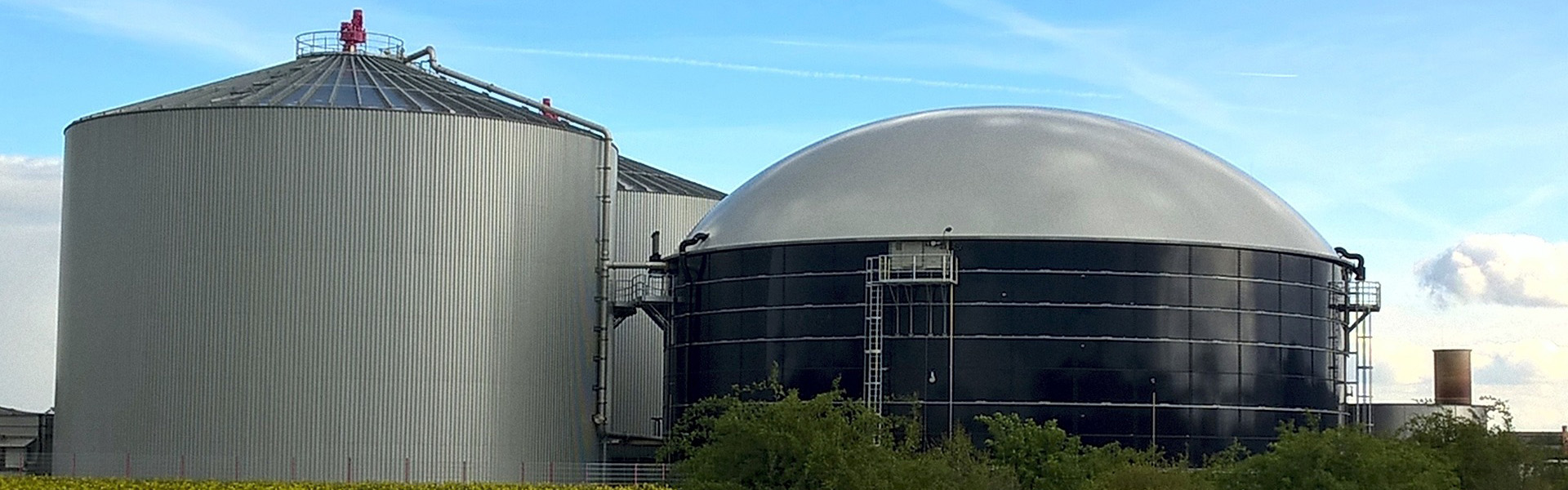
What is Biomethane and Why is Upgrading Necessary?
Raw biogas, as produced in anaerobic digesters, typically contains only 50-65% methane (CH₄). The remainder is primarily carbon dioxide (CO₂), with smaller amounts of water vapor, hydrogen sulfide (H₂S), and other impurities. This composition limits its applications mostly to on-site heat and power generation.
Biomethane, in contrast, has a methane content of over 95%, often exceeding 98%. It meets stringent natural gas grid injection standards or vehicle fuel specifications (Bio-CNG/LNG). The biogas to biomethane conversion process, therefore, is a precise cleaning and upgrading operation. It removes CO₂, H₂S, water, and other contaminants to produce a consistent, high-energy product. This transformation is the key to integrating circular economy solutions into mainstream energy infrastructure.
Core Technologies Driving Biogas Upgrading
The international market for upgrading equipment is diverse, with several mature technologies competing on efficiency, cost, and suitability. The choice depends on project scale, gas composition, and desired final product.
Water Scrubbing (Physical Absorption)
This common method exploits the higher solubility of CO₂ and H₂S in water compared to methane. Pressurized biogas is fed into a column where water flows counter-currently, absorbing impurities. The water is then regenerated by releasing pressure. It's a robust, relatively simple technology with low chemical consumption, making it popular for mid-range installations.
Pressure Swing Adsorption (PSA)
PSA uses the selective adsorption of gases onto a surface material, typically activated carbon or zeolites. Under high pressure, CO₂, nitrogen, and oxygen molecules are trapped within the pores of the adsorbent, while methane passes through. The adsorbent is then regenerated by depressurizing. PSA systems are modular, offer high methane purity, and have a smaller footprint than water scrubbers.
Membrane Separation
This technology utilizes the different permeation rates of gas molecules through polymeric membranes. CO₂ and H₂S permeate the membrane fibers faster than methane, creating a high-purity methane stream (retentate). Modern multi-stage membrane systems achieve very high recovery rates and purity. They are known for operational simplicity, scalability, and lower energy consumption in specific cases.
Chemical Scrubbing (Amine Scrubbing)
Here, a chemical solvent, often an amine solution, selectively reacts with and absorbs CO₂ from the biogas stream. The rich amine solution is then heated in a desorber to release nearly pure CO₂, regenerating the solvent. This method is highly efficient, achieving exceptional methane purity and recovery (>99.9%), but involves more complex chemistry and heat management.
The Economic and Regulatory Framework
Investing in a biogas to biomethane conversion plant is a significant capital decision. The business case hinges on several factors beyond pure technology cost. Government incentives, such as Renewable Heat Incentives (RHI), Guarantees of Origin (GOO) schemes, and carbon credits, are often crucial for profitability. Access to a natural gas grid for injection, or a fleet of CNG vehicles, dictates the offtake strategy and revenue model.
The international equipment manufacturing sector responds by offering not just hardware, but comprehensive service packages. These include feasibility studies, lifecycle maintenance contracts, and remote monitoring solutions to guarantee uptime and gas quality. Compliance with national grid codes (like DIN/G260 in Germany or similar standards elsewhere) is non-negotiable and shapes equipment design.
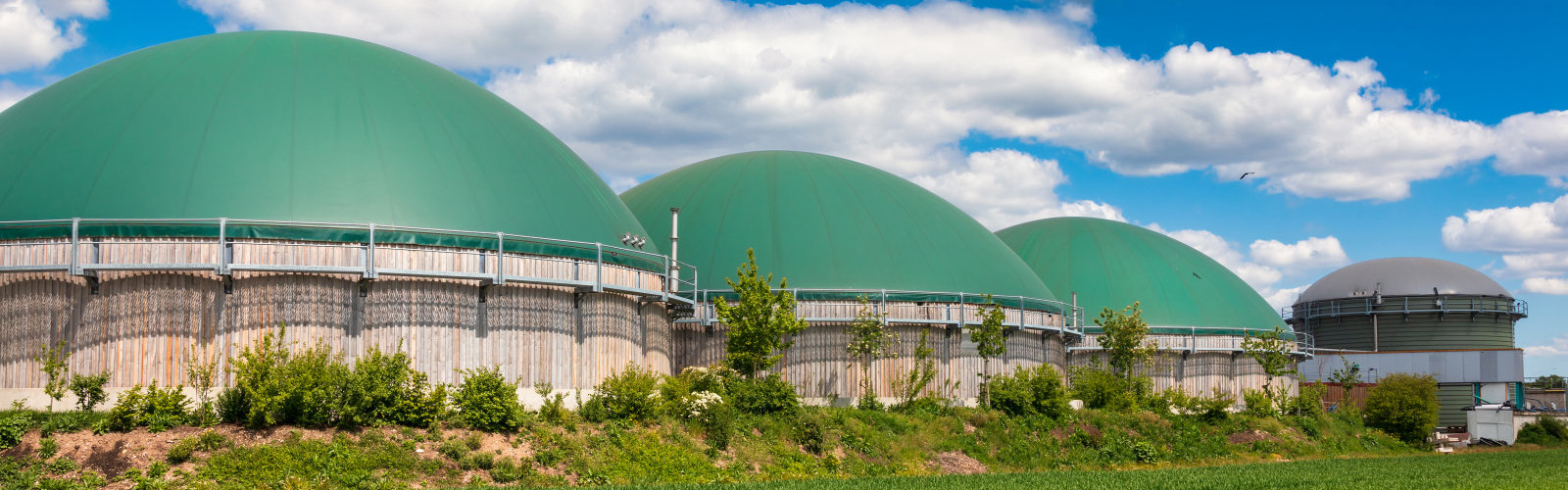
Environmental Impact and the Carbon Negative Potential
The environmental argument for biomethane is powerful. It provides a renewable, dispatchable energy source that decarbonizes hard-to-electrify sectors like heavy transport and high-temperature industrial processes. Crucially, the biogas to biomethane conversion process can yield a valuable by-product: food-grade CO₂.
When captured during upgrading, this CO₂ can be used in greenhouses, food and beverage industries, or combined with green hydrogen to create e-fuels. When the original biogas feedstock comes from purpose-grown crops or residues that sequester carbon, or from waste that would otherwise emit methane, the overall cycle can approach carbon neutrality or even negativity.
Operational Challenges and Future Trends
Running an efficient upgrading plant requires skilled operation. Challenges include managing fluctuating feed gas quality, minimizing methane slip (the loss of methane in off-gases), and handling waste streams from the process itself. The industry is moving towards greater automation, digital twins for process optimization, and predictive maintenance using AI-driven analytics.
The future of biogas to biomethane conversion is leaning towards standardization and hybridization. We see a trend of combining technologies (e.g., membranes for bulk removal followed by PSA for final polishing) to optimize performance. Furthermore, the integration of biogas upgrading with Power-to-Gas (P2G) systems, where renewable electricity produces hydrogen that reacts with the biogenic CO₂ to create even more renewable methane, represents the cutting edge of sector coupling.
For project developers, municipalities, and energy companies worldwide, understanding the intricacies of biogas upgrading is essential. It is the definitive step that closes the loop on organic waste, creating a clean, renewable, and flexible energy carrier that directly displaces fossil fuels. As technology advances and carbon markets mature, the role of efficient biogas to biomethane conversion will only become more central to achieving global renewable energy and climate targets.
Frequently Asked Questions (FAQ)
Q1: What is the main difference between biogas and biomethane?
A1: The core difference lies in composition and quality. Biogas is the raw product from digestion (50-65% methane). Biomethane is the upgraded product (over 95% methane) from which impurities like CO₂ and H₂S have been removed, making it directly interchangeable with fossil natural gas.
Q2: Which biogas upgrading technology is the most efficient?
A2: There is no single "best" technology universally. Efficiency depends on scale, required purity, energy costs, and local conditions. Chemical scrubbing offers very high purity and recovery, while membrane systems are often praised for operational simplicity and lower energy use at certain scales. A detailed feasibility study is required for each project.
Q3: How much does a biogas to biomethane conversion plant cost?
A3: Costs vary widely based on capacity (Nm³/h raw gas) and technology chosen. For a standard mid-sized plant, specific investment costs can range from €500,000 to over €2 million. Operational costs (OPEX), including maintenance, energy, and labor, are a significant part of the total cost of ownership and must be carefully modeled.
Q4: Can biomethane really be considered a carbon-negative fuel?
A4: Under specific conditions, yes. If the feedstock is agricultural residues that would have decomposed releasing CO₂ anyway, or from dedicated crops that absorb more CO₂ during growth than is released in the full cycle, and if the process uses renewable energy and minimizes methane slip, the overall lifecycle can have net-negative greenhouse gas emissions.
Q5: What happens to the CO₂ removed during the upgrading process?
A5: Traditionally, it was vented to the atmosphere. Now, it is increasingly seen as a resource. This biogenic CO₂ can be purified and sold for use in greenhouses, food processing, or carbonated beverages. The most innovative pathway is to combine it with green hydrogen to synthesize additional renewable methane via methanation, vastly increasing the overall yield from the same biomass input.