


News
We'll get back to you as soon as possible.
7 Critical Components for a Successful Biogas to CNG Plant: From Setup to Profit
The global shift towards renewable energy has spotlighted biogas as a key player. However, raw biogas has limitations for broad fuel use. This is where a biogas to CNG plant becomes essential. It upgrades biogas into compressed natural gas (CNG), a clean, high-value fuel compatible with existing natural gas vehicles and infrastructure. For businesses and governments aiming to reduce waste and create energy independence, investing in a biogas to CNG plant is a strategic move. This article breaks down the core elements you need to understand, from technology and costs to services and selection.
Understanding the Core: What is a Biogas to CNG Plant?
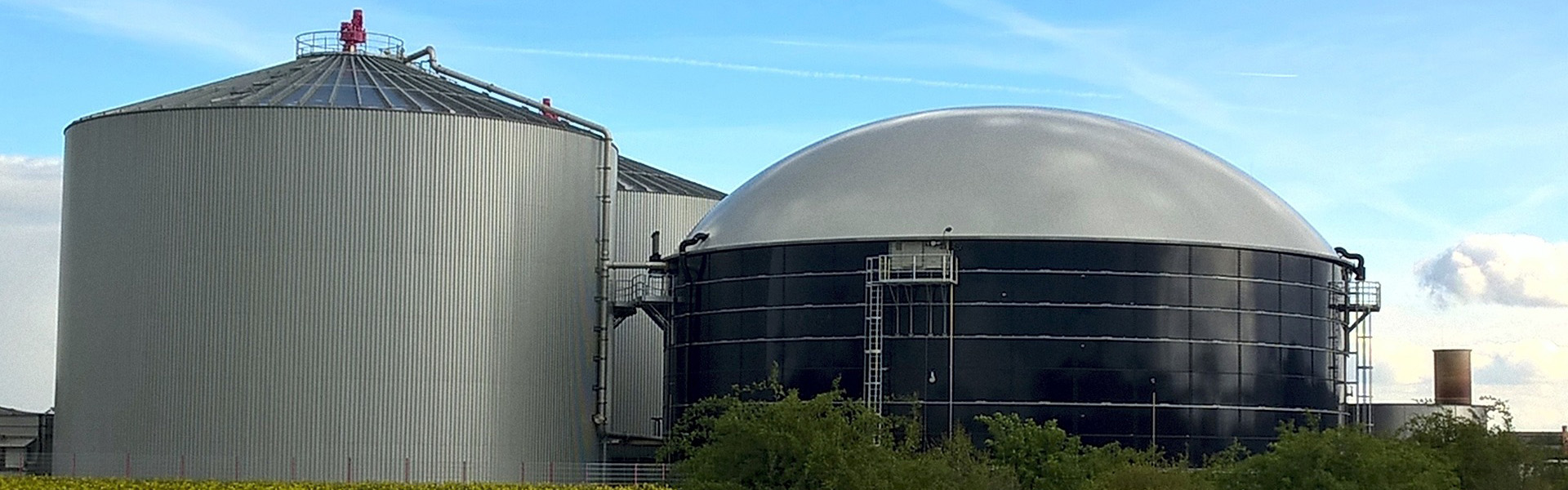
A biogas to CNG plant is a specialized facility. It processes raw biogas from sources like landfills, wastewater plants, or agricultural digesters.
Raw biogas mainly contains methane and carbon dioxide. It also includes trace elements like hydrogen sulfide and water vapor. The plant’s job is to purify and compress this gas.
The output is biomethane. This meets the standards for vehicle-grade CNG. The process transforms waste into a marketable, renewable transportation fuel.
This system is more than just machinery. It represents a circular economy model. Organic waste generates fuel, reducing fossil fuel dependence.
Key Applications and a Practical Selection Guide
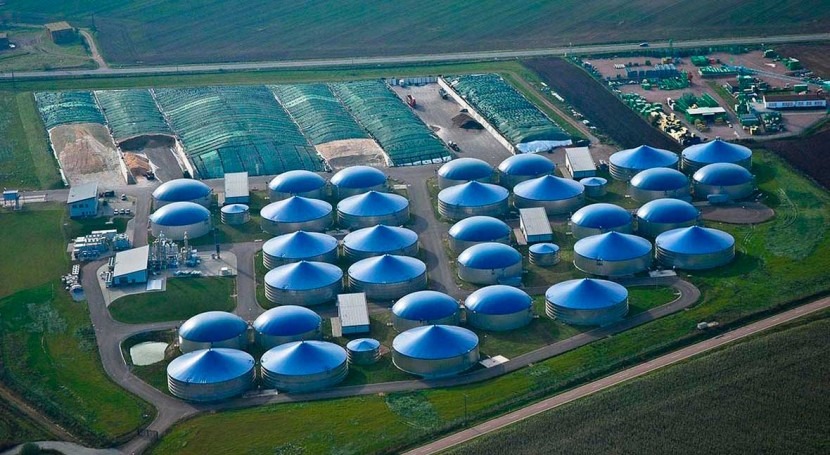
The applications for a biogas to CNG plant are diverse. They serve agricultural sectors, municipal waste facilities, and industrial food processors.
Farms with manure or crop residue can produce on-site fuel for equipment. Wastewater treatment plants can power their vehicle fleets. Industries can turn processing waste into a revenue stream.
Choosing the right system requires careful thought. Start by assessing your biogas feedstock’s quantity and quality. Consistent supply is crucial for plant economics.
Consider the desired CNG output capacity. A small-scale biogas to CNG plant might suit a local farm. A large municipal facility needs industrial-scale throughput.
Look at the end-use. Will the CNG be used internally, sold at a fueling station, or injected into a gas grid? This determines the needed purification standards and compression levels.
Don’t forget local regulations. Emissions standards and fuel quality mandates vary by country. Your plant must comply with all regional and international norms.
Analyzing the Investment: Price Factors and Economics
The price of a biogas to CNG plant is not a single figure. It depends on scale, technology choice, and site-specific conditions. A small, modular unit might start at a few hundred thousand dollars. Large, custom installations can run into millions.
The core cost drivers are the upgrading technology and compression system. Membrane separation units have different price points than water scrubbers or PSA systems. Compression equipment for high-pressure CNG storage adds significant capital expense.
Installation and civil works impact the budget. This includes foundation, piping, electrical work, and safety systems. Remote sites may have higher logistics costs.
Operational costs are ongoing. Energy for compression, maintenance labor, and filter replacements contribute. However, revenue from CNG sales and waste disposal fees offsets these.
Calculate the payback period. Government incentives for renewable energy can improve returns. A well-planned biogas to CNG plant often shows a positive ROI within 3 to 7 years.
Navigating Commercial Services in the Industry
You don’t have to build a biogas to CNG plant alone. A range of commercial services supports the entire project lifecycle. Specialist engineering firms offer feasibility studies and design. They analyze your biogas source and recommend the optimal plant configuration.
Many providers offer EPC services—Engineering, Procurement, and Construction. They handle the entire turnkey installation. This ensures all components work together seamlessly.
After commissioning, operation and maintenance services are vital. Regular servicing maximizes uptime and extends the plant’s lifespan. Some companies offer remote monitoring and performance guarantees.
Financing partners are increasingly common. They understand the asset value of a biogas to CNG plant. Leasing models or build-own-operate-transfer agreements can reduce upfront capital barriers.
Consultancy services help with market entry. They assist with fuel certification, offtake agreements, and regulatory paperwork. Leveraging these services de-risks your investment.
The Technology Behind the Upgrade: Key Processes
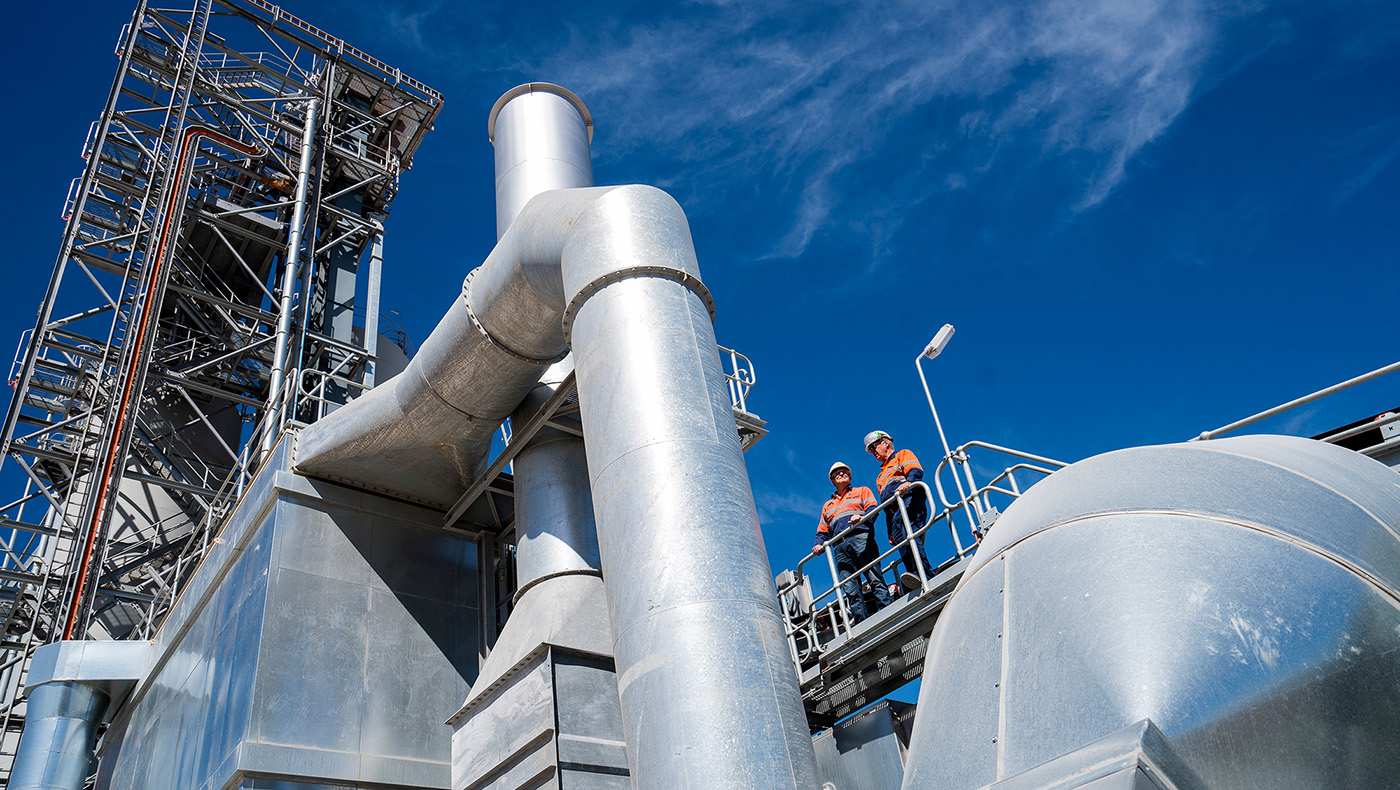
The technology in a biogas to CNG plant is sophisticated. The first stage is pretreatment. It removes hydrogen sulfide and siloxanes. These compounds can damage downstream equipment.
Water vapor is also condensed out. This is done through cooling and separation. Dry gas is essential for the main upgrading process.
The heart of the plant is the upgrading unit. It separates methane from carbon dioxide. Several technologies dominate. Water scrubbing uses high-pressure water to absorb CO2. Pressure Swing Adsorption (PSA) uses specialized filters.
Membrane separation relies on selective permeability. Each technology has pros and cons in efficiency, cost, and methane recovery rate. The choice depends on gas purity needs and operational preferences.
After purification, the gas is compressed. Multi-stage compressors raise the pressure to over 200 bar. This transforms the biomethane into CNG. Finally, it’s stored in buffer tanks or cascades before dispensing.
Ensuring Performance: Monitoring and Maintenance
A reliable biogas to CNG plant needs robust monitoring. Modern systems use SCADA and IoT sensors. They track gas quality, pressure levels, and equipment health in real time.
Predictive maintenance is key. Analyzing data trends can forecast component failures. This prevents unplanned downtime and costly repairs.
Regular tasks include replacing filter cartridges and checking compressor oil. Calibrating gas analyzers ensures the CNG always meets specification. A dedicated maintenance schedule is non-negotiable for smooth operation.
Operator training is part of this. Skilled personnel can spot minor issues before they escalate. Many service contracts include training programs for your team.
The Future Outlook and Global Trends
The market for biogas to CNG plant technology is growing. Stricter emission laws and corporate sustainability goals are driving adoption. Innovations focus on reducing energy consumption of the upgrading process.
New materials for membranes and adsorbents are emerging. They aim for higher selectivity and longer life. Integration with carbon capture is also a trend, adding environmental credits.
Digitalization will play a bigger role. AI-driven optimization could fine-tune plant parameters for maximum yield. The goal is to make every biogas to CNG plant more efficient and profitable.
In conclusion, a biogas to CNG plant is a powerful tool for energy transition. It turns environmental liability into commercial asset. Success hinges on understanding technology, costs, and available services. With careful planning and the right partners, this investment can deliver lasting economic and environmental returns. The journey to sustainable fuel starts with a well-executed biogas to CNG plant.
Frequently Asked Questions (FAQ)
Q1: What is the typical lifespan of a biogas to CNG plant?
A1: A well-maintained biogas to CNG plant can operate for 15 to 20 years or more. Key components like compressors may require refurbishment earlier, but the core upgrading infrastructure is durable. Regular maintenance is the primary factor in maximizing lifespan.
Q2: How pure does the biomethane need to be for vehicle CNG?
A2: Vehicle-grade CNG typically requires a methane content of at least 95-97%, with very low levels of impurities like CO2, water, and hydrogen sulfide. A reliable biogas to CNG plant is designed to consistently achieve these strict purity standards set by international fuel specifications.
Q3: Can a small farm or business afford a biogas to CNG plant?
A3: Yes, modular and containerized solutions have made small-scale biogas to CNG plant units more accessible. While upfront costs exist, financing options, government grants for renewable energy, and the potential for fuel cost savings can make it feasible for smaller operations to invest.
Q4: What are the main operational risks for such a plant?
A4: The main risks include fluctuations in biogas feedstock supply, which affect output, and mechanical failures in compressors or purification units. Implementing a strong preventive maintenance program and securing a consistent waste supply agreement are critical risk mitigation strategies for any biogas to CNG plant.
Q5: How long does it take to install and commission a new plant?
A5: The timeline varies significantly. A modular, skid-mounted biogas to CNG plant might be operational within 6-9 months after order. A large, custom-designed facility can take 12 to 18 months or more, depending on design complexity, permitting, and on-site construction work.