


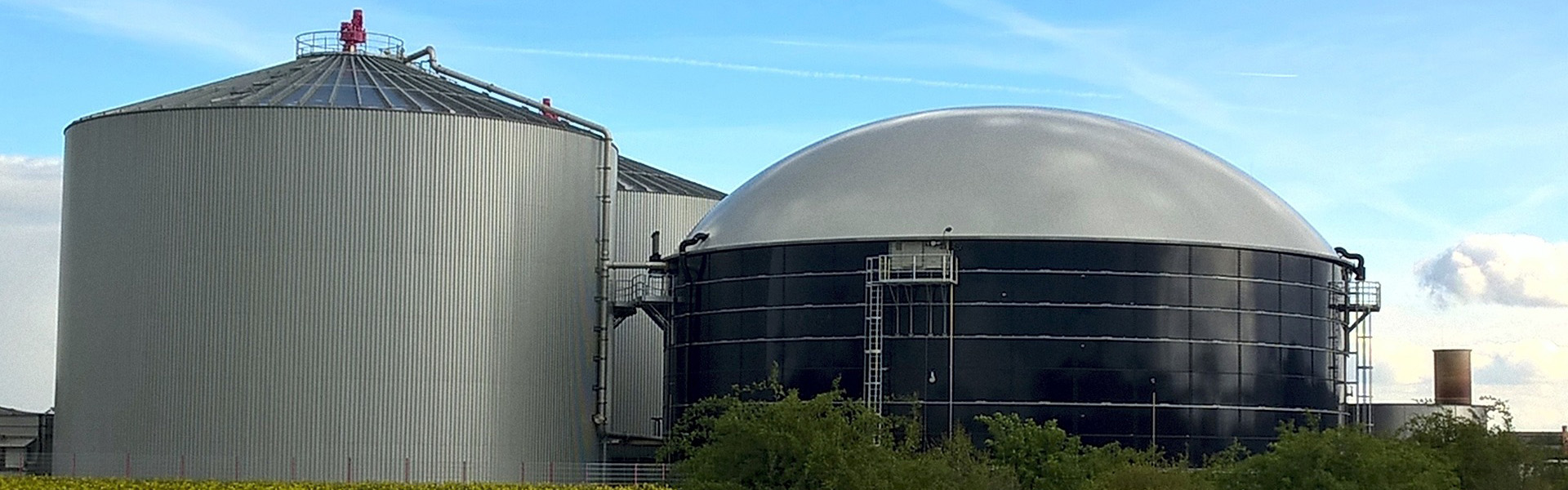
From Waste to Watts: How Biogas to Hydrogen Plants Work and Why They Matter
The quest for clean hydrogen is intensifying. While electrolysis powered by renewable electricity gets much of the attention, another pathway is gaining significant traction: biogas to hydrogen. This process converts methane-rich biogas—produced from organic waste—into clean, low-carbon hydrogen. It represents a powerful synergy between waste management and energy innovation. For industries and regions with abundant organic feedstock, investing in a biogas to hydrogen system can be a strategic, near-term solution for decarbonization. This article explains the core technology, its economic drivers, and where it fits in the broader energy landscape.
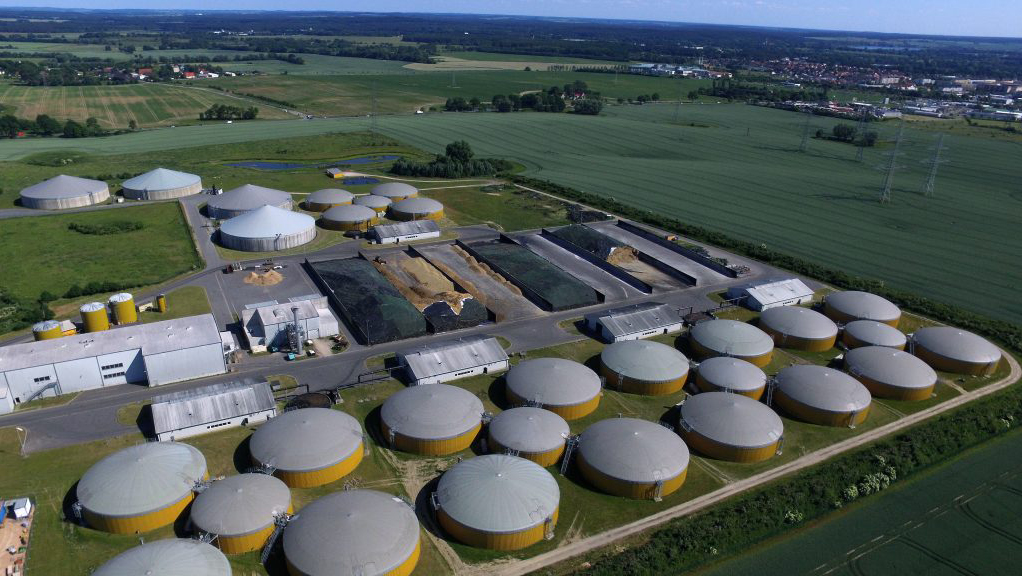
The Core Technology: Two Main Paths from Biogas to Hydrogen
A biogas to hydrogen plant doesn't create hydrogen from scratch. It converts the methane in biogas into hydrogen and other byproducts. Two primary technological routes dominate the conversation today.
The first and more established method is biogas reforming. This process is similar to natural gas reforming but uses purified biogas as the feedstock. The biogas must first be cleaned, removing contaminants like hydrogen sulfide. The purified biomethane then undergoes a reaction with steam at high temperatures. This produces a syngas containing hydrogen and carbon monoxide, which is further processed to yield a high-purity hydrogen stream.
The second, emerging pathway is methane pyrolysis. This process uses thermal decomposition to split methane molecules into hydrogen and solid carbon. The key advantage is that it doesn't produce CO2 as a gas. The solid carbon can potentially be used in applications like soil amendment or as an industrial filler. This makes biogas to hydrogen via pyrolysis a potentially carbon-negative pathway.
Key Applications: Where Does This Hydrogen Go?
The hydrogen produced via biogas to hydrogen systems is versatile. Its primary value lies in decarbonizing sectors that are hard to electrify. A major application is industrial feedstock. Refineries and chemical plants, like ammonia producers, can use this hydrogen to lower their carbon footprint without radically altering their processes.
Clean transportation is another major market. The hydrogen can be compressed and used to fuel hydrogen fuel cell vehicles, such as trucks, buses, and trains. For regions with existing biogas infrastructure, this creates a localized, renewable hydrogen supply chain for mobility.
It also plays a role in energy storage and grid balancing. Excess renewable electricity can be used to upgrade biogas operations. Conversely, hydrogen from biogas can be used in fuel cells to generate electricity when needed, providing grid stability.
Cost Factors and Economic Drivers
The economics of a biogas to hydrogen project are complex. They hinge on the scale of the operation and the chosen technology. Reforming systems are generally less capital-intensive than pyrolysis units at present, due to technological maturity. However, pyrolysis may offer lower long-term costs if the solid carbon byproduct finds a valuable market.
The single largest cost factor is the biogas itself. Securing a reliable, low-cost, and long-term supply of biogas is critical. Projects colocated at landfills, wastewater treatment plants, or large agro-industrial sites have a distinct advantage. This minimizes feedstock logistics costs.
Operational costs include the energy required to run the reforming or pyrolysis process. Steam generation and heating are significant energy consumers. Integrating waste heat recovery can dramatically improve efficiency. Government incentives are a major economic driver. Tax credits, grants, and carbon pricing mechanisms that recognize the low-carbon attribute of this hydrogen can make or project's viability.
Commercial Models and Industry Services
The market for biogas to hydrogen solutions is evolving rapidly. Several commercial engagement models are emerging. Engineering, Procurement, and Construction firms now offer specialized packages for building these plants. They handle the integration of biogas upgrading with hydrogen production units.
Technology licensors are key players. Companies specializing in reformers or pyrolysis reactors sell their core technology packages. They often provide critical performance guarantees. Another growing model is the Build-Own-Operate-Transfer agreement. A developer finances, builds, and operates the plant, selling hydrogen under a long-term contract to an offtaker. This reduces risk for the biogas site owner.
Service and maintenance contracts are essential for operational reliability. Given the high-temperature processes involved, regular catalyst replacement (in reformers) and reactor maintenance are crucial cost factors that must be planned for from the start.
Technical Considerations and Challenges
Deploying a biogas to hydrogen system isn't without hurdles. Feedstock consistency is paramount. Biogas composition can fluctuate. The upstream cleaning and conditioning system must be robust enough to deliver a steady quality of biomethane to the hydrogen unit. This ensures stable operation and protects sensitive catalysts.
The choice between reforming and pyrolysis is a fundamental technical decision. Reforming produces a stream of CO2 that must be managed. This often leads to the integration of Carbon Capture and Storage, creating a “blue hydrogen” pathway from biogas. Pyrolysis avoids gaseous CO2 but must address the handling and marketing of solid carbon.
System efficiency is a key metric. The goal is to maximize hydrogen yield per unit of biogas input. This involves optimizing heat integration and minimizing energy losses across the entire chain, from biogas production to hydrogen purification and compression.
The Future Outlook: A Niche or a Mainstream Player?
The role of biogas to hydrogen in the future energy mix is promising but likely focused. It won't replace large-scale green hydrogen from electrolysis in the long run for energy-dense applications. However, it holds a unique and valuable position.
It provides a practical, near-term decarbonization route for existing biogas assets. It adds value by transforming biogas into a higher-value, more transportable energy carrier. For distributed waste sources, it enables the production of low-carbon hydrogen without waiting for massive grid-scale renewable power and electrolyzer deployments.
Innovations in pyrolysis technology and the development of markets for carbon black will significantly influence its growth. As carbon accounting becomes stricter, the potentially negative emissions profile of biogas pyrolysis could make it highly attractive.
In summary, biogas to hydrogen is more than a technical curiosity. It is a pragmatic bridge technology that leverages existing waste streams to kickstart the clean hydrogen economy. It offers a tangible solution for sectors needing clean hydrogen today, turning waste into a powerful driver for energy transition.
Frequently Asked Questions (FAQ)
Q1: How much hydrogen can you produce from a typical biogas plant?
A1: The yield depends heavily on the biogas flow and methane content. As a rough estimate, 1 standard cubic meter of biogas (roughly 60% methane) can produce about 0.8-1.2 kg of hydrogen via reforming. A mid-sized agricultural digester producing 500 Nm³/hr of biogas could therefore generate approximately 400-500 kg of hydrogen per day.
Q2: What happens to the carbon dioxide in a biogas reforming process?
A2: In standard steam methane reforming, the CO2 is separated and ends up in a relatively pure exhaust stream. For a truly low-carbon biogas to hydrogen project, this CO2 must be managed. The leading option is to integrate Carbon Capture and Storage technology, capturing the CO2 for permanent geological storage or utilization.
Q3: Is hydrogen from biogas considered “green”?
A3: The classification varies by region and certification scheme. Often, it is categorized as “low-carbon” or “blue” hydrogen if the CO2 is captured and stored. If the biogas source is truly sustainable and the carbon from reforming is permanently sequestered, it can approach carbon-neutral or even negative status, especially with pyrolysis. It's generally viewed as cleaner than gray hydrogen from fossil gas.
Q4: How does the safety of a biogas to hydrogen plant compare to a standard biogas facility?
A4: Hydrogen adds specific safety considerations due to its wide flammability range and tendency to embrittle metals. A biogas to hydrogen plant requires enhanced safety protocols, including hydrogen-specific leak detection, specialized ventilation, and materials compatible with hydrogen service. The overall risk is manageable with proper engineering design and operational procedures, but it is more complex than a biogas-to-energy plant.
Q5: Can small-scale farms or waste sites implement this technology?
A5: Currently, the technology is most economical at a medium to industrial scale due to capital costs. However, the industry is moving towards modular and containerized reforming units. For very small sites, it may be more feasible to upgrade biogas to biomethane (RNG) first. The economics for small-scale biogas to hydrogen are improving but often require supportive policy or high-value hydrogen offtake to be viable.