


Biogas to Hydrogen Production: A Complete Guide to Technology and Benefits
The search for clean, sustainable energy sources has led to significant innovation in repurposing existing waste streams. One of the most promising pathways in this circular economy model is biogas to hydrogen production. This process transforms methane-rich biogas, derived from organic waste, into high-purity hydrogen, a versatile and zero-carbon fuel. For the international biogas upgrading equipment manufacturing sector, this represents a critical evolution, adding substantial value to traditional biogas plants and aligning with global decarbonization goals. This guide explains how the technology works, its key advantages, and its role in the future energy landscape.
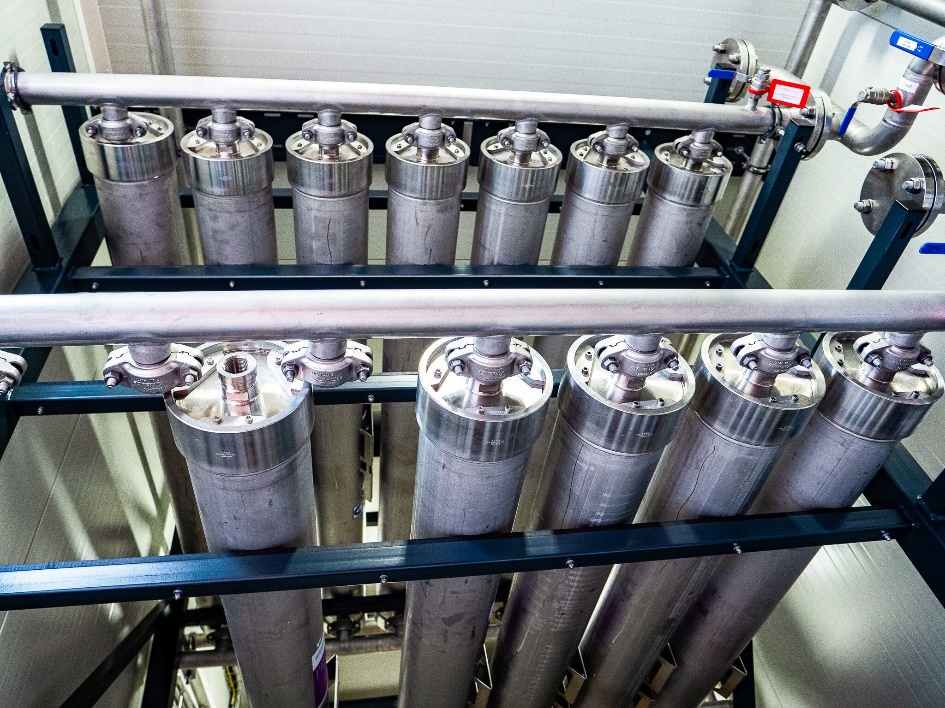
How Biogas to Hydrogen Production Works: Core Technologies
The conversion of biogas into hydrogen is not a single-step process. It involves initial cleaning and upgrading of raw biogas, followed by a reforming step where methane is converted. The core of biogas to hydrogen production lies in these secondary technologies.
Biogas Cleaning and Upgrading: The Essential First Step
Raw biogas from digesters contains 50-65% methane (CH₄) and 30-45% carbon dioxide (CO₂), along with trace contaminants like hydrogen sulfide (H₂S), siloxanes, and water vapor. These impurities can poison catalysts and damage equipment in the subsequent hydrogen production step. Therefore, rigorous cleaning is mandatory.
Hydrogen Sulfide (H₂S) Removal: This is achieved through biological filters, iron chloride dosing, or activated carbon filters.
Siloxane and VOC Removal: Activated carbon or specialized scrubbers are used to remove these compounds, which can form damaging silica deposits.
Carbon Dioxide Separation: Technologies like pressure swing adsorption (PSA), water scrubbing, or membrane separation are employed to concentrate the methane, creating a stream of biomethane suitable for reforming.
Steam Methane Reforming (SMR) of Biomethane
This is the most established and commercially viable method for hydrogen production from biogas. The cleaned biomethane is mixed with steam at high temperatures (700–1000 °C) in the presence of a nickel-based catalyst.
The primary reaction produces hydrogen and carbon monoxide: CH₄ + H₂O → CO + 3H₂.
A subsequent water-gas shift reaction converts CO and more steam into CO₂ and additional hydrogen: CO + H₂O → CO₂ + H₂.
The result is a gas mixture rich in hydrogen and CO₂, from which high-purity hydrogen is separated, typically using another PSA unit.
Emerging and Alternative Pathways
While SMR is dominant, other methods are advancing, offering potential efficiency improvements or carbon management benefits.
Autothermal Reforming (ATR): This process combines SMR with partial oxidation, using oxygen to supply part of the required heat, leading to more compact reactor designs.
Dry Reforming: This method uses CO₂ instead of steam to react with methane (CH₄ + CO₂ → 2CO + 2H₂). It is technically challenging but holds appeal as it consumes two greenhouse gases.
Methane Pyrolysis: This thermal process breaks down methane in the absence of oxygen, yielding hydrogen and solid carbon (CH₄ → C + 2H₂). This avoids CO₂ formation entirely, producing a potentially valuable solid carbon byproduct.
The Strategic Benefits of Producing Hydrogen from Biogas
Adopting biogas to hydrogen production offers a compelling value proposition that extends beyond simple energy recovery. It creates a multi-beneficial system for energy security, the environment, and project economics.
Economic and Operational Advantages
For plant operators and investors, integrating hydrogen production can significantly improve a project's financial outlook.
Value-Added Product: Hydrogen commands a higher market price per energy unit compared to biomethane or raw biogas electricity, opening access to new, premium markets like transportation and industry.
Grid Decongestion and Storage: Hydrogen can be produced continuously from biogas and stored, decoupling energy production from immediate grid demand or gas grid injection limits. This provides crucial flexibility.
Utilization of Existing Infrastructure: The process can often be integrated as a modular unit into current anaerobic digestion plants, leveraging existing feedstock supply chains and gas handling systems.
Environmental and Sustainability Impact
The environmental case for this pathway is particularly strong, contributing directly to climate change mitigation.
Carbon-Negative Potential: When combined with Carbon Capture, Utilization, and Storage (CCUS) on the CO₂ stream produced during reforming, the overall process can become carbon-negative. The biogenic CO₂ is captured and permanently stored, removing carbon from the atmosphere.
Waste-to-Energy Circularity: It represents the pinnacle of circular economy principles, converting organic waste into a high-value, clean energy carrier while also producing digestate as a biofertilizer.
Renewable Hydrogen Supply: It provides a pathway for "green hydrogen" or "biomethane-derived hydrogen," which is essential for decarbonizing hard-to-electrify sectors like heavy-duty transport, shipping, and steel manufacturing.
Key Considerations and Challenges for Implementation
While the potential is vast, the path to widespread biogas to hydrogen production involves navigating several technical and market challenges that the international equipment manufacturing sector is actively addressing.
Technical and Infrastructural Hurdles
The technology's efficiency and cost are primary focus areas for ongoing research and development.
Capital and Operational Costs: The reforming units, especially with carbon capture, require significant upfront investment. Operating at high temperatures also entails energy costs.
Scale and Efficiency: Current small to medium-scale biogas plants must be matched with appropriately sized, cost-effective reformers. Improving the overall system efficiency from feedstock to hydrogen is critical.
Carbon Capture Integration: Reliable and affordable CCUS technology is not yet universally available, which is key to maximizing the environmental benefit.
Market and Regulatory Landscape
The commercial success of biogas-derived hydrogen depends heavily on external frameworks.
Hydrogen offtake and Purity Standards: Secure buyers and clear specifications for hydrogen purity (e.g., for fuel cell vehicles) are necessary for project bankability.
Policy Support and Certifications: Government incentives, carbon pricing, and clear certification schemes for low-carbon hydrogen are vital to make projects competitive against fossil fuel-based hydrogen.
Hydrogen Distribution: Local use or the development of regional hydrogen transport networks is needed, as injection into natural gas grids has limits on hydrogen concentration.
The Future Role of Biogas in the Hydrogen Economy
Biogas to hydrogen production is poised to be a cornerstone of the emerging renewable hydrogen economy. It offers a pragmatic, scalable, and continuous production method that does not rely on intermittent renewable electricity, unlike electrolysis. For the international biogas industry, this represents a strategic diversification and upgrading opportunity. As technology costs decrease, carbon markets mature, and hydrogen demand rises, biogas plants will increasingly be seen not just as waste processors or electricity generators, but as essential hubs for renewable fuel and carbon management. The integration of these systems turns local organic waste into a cornerstone for national and global clean energy transition, making biogas to hydrogen production a critical link between the circular bioeconomy and a decarbonized future.
Frequently Asked Questions (FAQs)
Q1: What is the main difference between green hydrogen from electrolysis and hydrogen from biogas?
A1: Green hydrogen is produced by splitting water using renewable electricity (electrolysis). Hydrogen from biogas is produced by reforming the methane in biogas, a biological process. If the biogas is from sustainable waste and the CO₂ is captured, it can have a similarly low or even negative carbon footprint, sometimes termed "biomethane-derived hydrogen" or "biohydrogen."
Q2: Is the hydrogen produced from biogas pure enough for use in fuel cells?
A2: Yes, but it requires extensive purification. The gas stream exiting the reformer undergoes further processing, primarily through Pressure Swing Adsorption (PSA), to achieve the ultra-high purity (typically 99.97%+) required for proton exchange membrane (PEM) fuel cells used in vehicles.
Q3: What happens to the carbon dioxide (CO₂) produced during the biogas reforming process?
A3: This CO₂ is currently often released, making the hydrogen "low-carbon." However, the major opportunity lies in capturing this biogenic CO₂ using CCUS technology. When captured and permanently stored, it creates carbon-negative hydrogen, actively removing CO₂ from the atmosphere.
Q4: Can any existing biogas plant be easily converted to produce hydrogen?
A4: Not easily without significant investment. While the biogas cleaning section may be upgraded, the core reforming, shift conversion, and hydrogen purification units are major additions. It is often considered a new modular addition to an existing plant or a core design feature of new-build facilities.
Q5: What are the primary markets for hydrogen produced from biogas?
A5: Key markets include industrial uses (refining, ammonia production), heavy-duty transportation (fuel cell trucks, buses), backup power generation, and injection into natural gas grids (within blend limits). The market is evolving rapidly with policy support for clean hydrogen.