


News
We'll get back to you as soon as possible.
7 Key Facts About Biogas to Natural Gas Conversion You Need to Know in 2026
The global push for sustainable energy has placed biogas to natural gas conversion at the forefront of renewable strategies. This process, technically known as biogas upgrading or purification, transforms raw biogas into renewable natural gas (RNG) or biomethane. This high-purity gas is fully interchangeable with fossil natural gas. It can be injected into the national grid or used as clean vehicle fuel. For industries, municipalities, and agricultural operations, mastering this conversion is crucial for reducing emissions, generating revenue, and meeting ESG goals. Understanding the technology behind biogas to natural gas conversion is the first step toward leveraging its full potential.
Core Technology: How Biogas Upgrading Works
Raw biogas from anaerobic digesters primarily contains methane (CH4) and carbon dioxide (CO2), along with trace elements like hydrogen sulfide, water vapor, and siloxanes. Biogas to natural gas conversion removes these contaminants to meet pipeline or fuel standards.
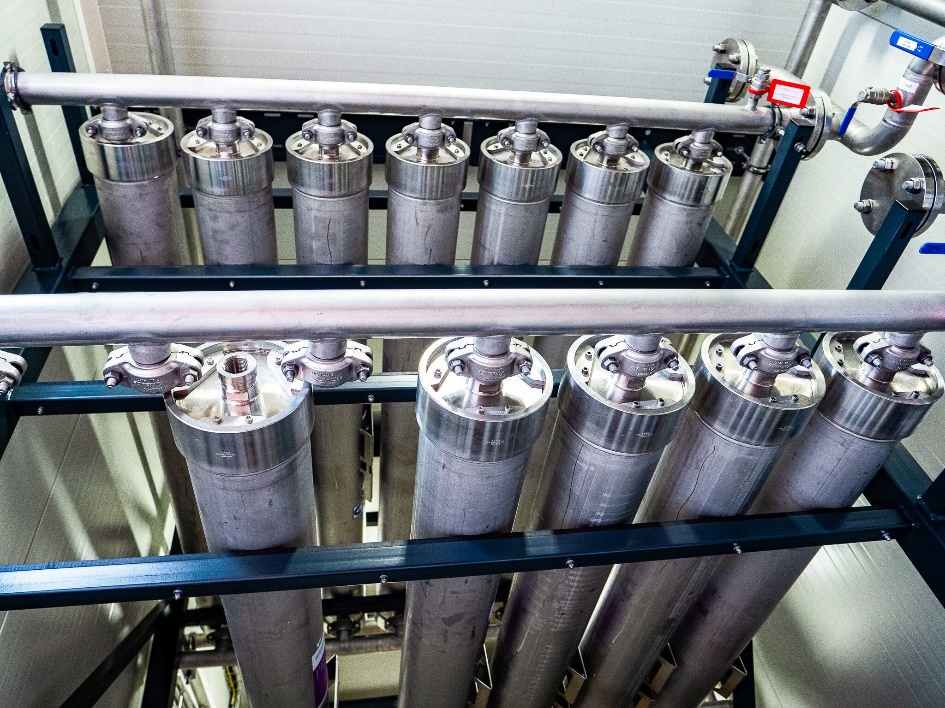
Several core technologies dominate the international market. Water scrubbing uses high-pressure water to absorb CO2 and H2S. Pressure Swing Adsorption (PSA) employs specialized materials to adsorb CO2 under pressure. Membrane separation exploits the different permeation rates of gas molecules through polymer membranes. Finally, amine scrubbing uses a chemical solvent for highly selective CO2 removal.
Each technology has its niche. Membrane and PSA systems are prized for compactness and automation. Amine scrubbers excel where very high purity is required. The choice depends on the specific biogas composition, desired capacity, and operational preferences.
Choosing the Right Upgrading Technology: A Practical Guide
Selecting a biogas to natural gas conversion system is a significant capital decision. Key factors include feed gas quality, flow rate, and the intended use of the RNG. For smaller farm-based projects, membrane systems often offer a good balance of cost and simplicity. For large-scale wastewater treatment plants with consistent flow, amine scrubbing might be optimal.
The presence of aggressive impurities like hydrogen sulfide and siloxanes is critical. These can degrade certain upgrading media or membranes. A robust pre-treatment system is non-negotiable. It protects the core upgrading unit and ensures consistent product quality and system longevity.
Ultimately, partnering with an experienced manufacturer who can provide a detailed gas analysis and pilot testing is advised. This data-driven approach ensures the selected technology delivers reliable performance and a strong return on investment.
Cost and Investment Considerations for Biogas Plants
The cost of biogas to natural gas conversion is highly variable. It ranges from a few hundred thousand to several million dollars. Scale is the most significant factor. The cost per standard cubic meter of produced biomethane typically decreases as plant capacity increases.
Technology choice directly impacts both capital expenditure (CAPEX) and operational expenditure (OPEX). For instance, membrane systems may have lower CAPEX but require more frequent membrane replacement. Amine systems have higher CAPEX but can achieve lower energy consumption in specific scenarios.
Investors must also consider ancillary costs. These include gas drying, compression for grid injection, odorization, and grid connection fees. A comprehensive feasibility study is essential to model these costs against potential revenue from RNG sales, renewable fuel credits, and carbon offsets.
Commercial Services: From EPC to Operational Support
The market for biogas to natural gas conversion has evolved beyond simple equipment supply. Full Engineering, Procurement, and Construction (EPC) services are now common. Reputable manufacturers offer turnkey solutions. They handle design, civil works, installation, and commissioning.
For clients who prefer to avoid large upfront investments, Build-Own-Operate (BOO) or leasing models are emerging. In these setups, a service provider finances, builds, and operates the upgrading plant on the client's site. The client then purchases the RNG or shares in the revenue.
Long-term service agreements are also crucial. They guarantee performance, availability, and maintenance support. With complex biological and mechanical systems, having expert remote monitoring and rapid on-call service minimizes downtime and protects revenue streams.
The Critical Role of Pre- and Post-Treatment
Biogas to natural gas conversion is not just about the main upgrading unit. Effective pre-treatment is arguably more important for stable operation. Hydrogen sulfide removal, often via biological or chemical scrubbing, prevents corrosion and catalyst poisoning. Siloxane removal, typically with activated carbon, is vital when biogas originates from landfills or wastewater. It prevents damaging deposits in engines and turbines.
Post-treatment ensures the final product meets exact specifications. This includes precise gas metering, adding a mercaptan odorant (for safety in distributed grids), and compressing the gas to pipeline pressure. These steps are mandated by grid operators and are non-negotiable for successful RNG injection.
Global Market Applications and End-Use
The output of a biogas to natural gas conversion facility opens multiple revenue streams. The most valuable in many regions is injection into the natural gas distribution grid. This requires meeting stringent "interconnection" standards for composition, pressure, and Wobbe index.
Another major application is as a transportation fuel, compressed as Bio-CNG or liquefied as Bio-LNG. It powers heavy-duty trucks, buses, and ships, offering a significant carbon reduction path for the logistics sector.
Industrial use for heating or as a chemical feedstock is also common. On-site use can displace fossil fuels, reduce a plant's carbon footprint, and enhance its sustainability reporting.
The Future of Biogas Upgrading Technology
Innovation in biogas to natural gas conversion continues. The focus is on reducing energy consumption, improving methane recovery rates (>99.5%), and enhancing operational flexibility. The integration of smart digital controls and IoT-based predictive maintenance is becoming standard. It optimizes performance and alerts operators to potential issues before they cause shutdowns.
Furthermore, modular "containerized" upgrading systems are gaining popularity. They offer shorter delivery times, easier installation, and scalability. These plug-and-play units are ideal for decentralized biogas sources, accelerating the adoption of this crucial renewable technology worldwide.
Implementing a biogas to natural gas conversion project is a strategic move that combines environmental stewardship with economic sense. By converting waste into a high-value, renewable commodity, operators contribute to a circular economy and energy independence. With the right technology partner and a clear understanding of costs and markets, biogas upgrading represents a robust and future-proof investment in the clean energy transition.
Frequently Asked Questions (FAQ)
Q1: What is the typical capacity range for a commercial biogas upgrading system?
A1: Commercial biogas to natural gas conversion systems are highly scalable. They range from small, modular units processing 50-100 Nm³/h of raw biogas, suitable for farms, to large-scale plants exceeding 5,000 Nm³/h for industrial or municipal applications. The choice depends entirely on the biogas source's volume.
Q2: How does hydrogen sulfide (H2S) affect the upgrading process?
A2: Hydrogen sulfide is highly corrosive and can poison catalysts and specific upgrading media used in PSA or membrane systems. Effective H2S removal in a dedicated pre-treatment stage is essential. It protects the capital-intensive upgrading unit and ensures uninterrupted operation and a long system lifespan.
Q3: What is the difference between RNG and Biomethane?
A3: In practice, Renewable Natural Gas (RNG) and biomethane are often used interchangeably. Both refer to the purified gas from biogas to natural gas conversion. Technically, biomethane is the purified product meeting fuel specifications. RNG is biomethane that has been fully certified and registered for its environmental attributes within a regulatory market.
Q4: What are the main operational costs of running an upgrading plant?
A4: The main OPEX components include electrical power for compressors and pumps, replacement of consumables (like activated carbon for pre-treatment or specific filter media), scheduled maintenance, and labor for monitoring. Energy consumption of the core upgrading unit is typically the largest single operational cost.
Q5: Can biogas upgrading be applied to landfill gas?
A5: Absolutely. Landfill gas is a major feedstock for biogas to natural gas conversion. However, it often contains lower methane levels and more challenging trace contaminants like siloxanes and volatile organic compounds (VOCs). This usually necessitates more extensive and robust pre-treatment design compared to anaerobic digester gas.