


News
We'll get back to you as soon as possible.
5 Key Factors Driving Your Biomethanation Plant Cost in 2026
For any company, municipality, or farmer evaluating a renewable energy project, understanding the biomethanation plant cost is the first critical step. Unlike a simple piece of machinery, a biomethanation or anaerobic digestion plant is a complex, integrated system. Its total price tag is not a single number but a sum of interconnected variables, from feedstock handling to gas utilization. Getting a clear, early picture of these costs is essential for feasibility studies, securing financing, and ensuring long-term profitability in the competitive bioenergy sector.
Breaking Down the Core Components of Biomethanation Plant Cost
A realistic budget goes far beyond the digester tank. The total installed biomethanation plant cost is typically broken down into several key areas:
Pre-Treatment & Feedstock Handling: This includes reception pits, pasteurization units, shredders, and pumping systems. Cost depends heavily on the physical nature and consistency of your organic waste or energy crops.
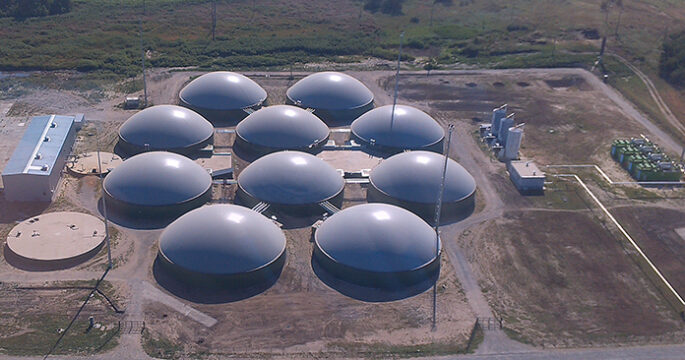
The Digestion & Process Core: This is the heart: the digester tank(s), mixing technology, heating system, and process control software. Tank material (concrete, steel, membrane), volume, and technology level define a major portion of your capital expenditure (CAPEX).
Gas Handling & Upgrading: The system must treat and utilize the biogas. This covers gas storage (often a double-membrane roof), desulfurization equipment, and crucially, the biogas upgrading unit (e.g., water scrubbing, membrane separation) if producing biomethane for the grid or vehicle fuel. This upgrading skid alone can represent 25-40% of total CAPEX for a grid-injection project.
Digestate Management: The nutrient-rich output must be handled. Costs include storage lagoons or tanks, solid-liquid separators, and sometimes advanced nutrient recovery or concentration systems.
Civil Works & Utilities: Foundations, piping, electrical systems, weather protection buildings, and grid connection fees are often underestimated but form a substantial part of the budget.
Engineering & Project Management: Fees for detailed design, permitting support, site supervision, and commissioning are non-negotiable for a functional plant.
Comparing Cost Drivers: Small-Scale Farm vs. Large Industrial Plant
The scale and purpose of your plant dramatically reshape the biomethanation plant cost structure.
A small-scale, farm-based plant using manure and simple co-substrates might prioritize low capital intensity. The focus is on direct use of raw biogas in a combined heat and power (CHP) unit to generate electricity and heat for on-farm use. Costs are lower, but revenue streams are typically limited to feed-in tariffs for power and heat self-consumption savings.
A large-scale, industrial plant processing commercial food waste or dedicated crops targets higher revenue. It will almost certainly include a sophisticated biogas upgrading system to produce pipeline-quality biomethane (RNG). This commands a premium price. While the absolute biomethanation plant cost is much higher, the cost per unit of energy produced (€/Nm³ biomethane) can be lower due to economies of scale, and the return on investment is often more attractive.
Application & Selection Guide: Choosing the Right Technology for Your Budget
Your choice of core technology is a primary lever on cost and performance. There is no "best" technology, only the best fit for your feedstock and business model.
Wet vs. Dry Fermentation: Wet systems (slurry-based) are mature and often simpler for liquid manures. Dry fermentation systems (stackable solids) can handle bulky organic waste with less pre-water addition but may involve more complex material handling.
Mesophilic vs. Thermophilic: Thermophilic digestion (higher temperature) processes feedstock faster, allowing for smaller digester volumes, but requires more energy input and precise control, impacting both CAPEX and OPEX.
Upgrading Technology: As mentioned, the choice of upgrading (water scrubbing, membrane, PSA, amine wash) significantly affects cost. A detailed life-cycle cost analysis, weighing CAPEX against energy consumption, methane slip, and maintenance, is crucial here.
Selecting technology based solely on the lowest bid price is risky. An undersized pre-treatment line or an inefficient upgrading unit will erode profits for the plant's entire 15-20 year lifespan.
Navigating Commercial Suppliers and Getting Accurate Quotes
The market for turnkey biomethanation plant cost offers is diverse, ranging from specialized technology providers to large engineering, procurement, and construction (EPC) firms.
When requesting quotes, provide potential suppliers with extremely detailed data: exact feedstock types and annual volumes, analysis reports (TS, VS, C/N ratio), desired end-product (power, heat, biomethane), site maps, and grid/gas network connection points. This allows for comparable, apples-to-apples proposals.
Scrutinize what is included. Does the quoted biomethanation plant cost cover full turnkey delivery, or just the core technology? Are commissioning, operator training, and performance guarantees part of the package? A reputable supplier will offer a clear breakdown and provide transparent references from past projects with similar profiles.
Operational Expenditure (OPEX): The Ongoing Cost of Running Your Plant
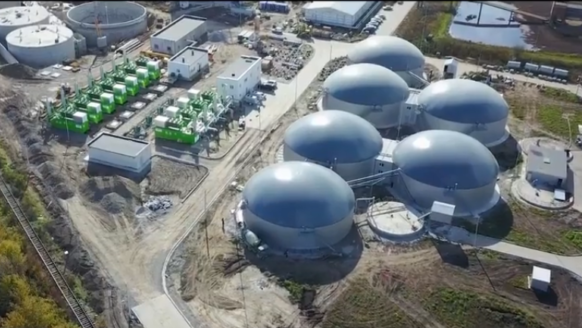
A comprehensive financial model must account for ongoing biomethanation plant cost after commissioning. Key OPEX items include:
Feedstock & Inputs: The cost to acquire or receive organic waste. Some plants charge a "gate fee" for accepting waste, which becomes positive revenue.
Labor: Skilled personnel for daily operation, monitoring, and maintenance.
Energy: Power for mixing, pumping, and control systems. A well-designed plant will be largely energy self-sufficient from its own biogas.
Maintenance: Regular servicing of mechanical parts (mixers, pumps, compressors, CHP engine) and planned replacements.
Consumables: This includes chemicals for gas cleaning or process pH control, lubricants, and spare parts.
Digestate Management & Disposal: Costs for transporting and land-applying digestate, unless it is sold as bio-fertilizer.
A lower CAPEX plant with high OPEX (e.g., high energy consumption, frequent maintenance) can be more expensive in the long run than a higher-initial-investment, but more efficient, system.
Ultimately, a smart investment focuses on the lifetime biomethanation plant cost, balancing capital outlay with operational efficiency and revenue certainty. Partnering with an experienced supplier who provides a clear, holistic financial projection is as important as choosing the right digester technology.
FAQ: Biomethanation Plant Cost
Q1: What is the typical price range for a complete biomethanation plant?
A1: There is no single price. A small, farm-based CHP plant (approx. 50 kWel) might start around €500,000 to €1 million. A large-scale, industrial plant with biogas upgrading to biomethane can range from €5 million to well over €20 million. The most meaningful metric is the specific investment cost, often between €3,000 and €6,000 per normal cubic meter per hour (Nm³/h) of raw biogas capacity, with upgrading adding significantly to this.
Q2: What are the biggest "hidden" costs that project developers often overlook?
A2: Common underestimates include: 1) Grid/Gas Connection Fees: The cost to connect to the electrical grid or natural gas network can be very high and time-consuming. 2) Digestate Management: Storage, transport, and land application logistics have substantial ongoing costs. 3) Permitting & Legal: Environmental impact studies, planning permission, and legal consultancy fees. 4) Long-term Maintenance Reserve: Setting aside funds for major component overhauls (e.g., CHP engine rebuild) after several years of operation.
Q3: How does feedstock type directly impact the overall plant cost?
A3: Feedstock dictates the entire plant design. Complex, heterogeneous waste (e.g., municipal solid waste) requires expensive and robust pre-treatment lines (sorting, shredding, contamination removal). Simple, homogeneous feedstocks (e.g., maize silage, liquid manure) need less pre-treatment. Furthermore, feedstocks with low biogas yield require larger, more expensive digester volumes to achieve the same energy output, increasing the biomethanation plant cost.
Q4: Can I get a reliable online quote or cost calculator for my project?
A4: Simple online calculators can provide a very rough, ballpark estimate based on basic inputs. However, for a serious project, they are insufficient. An accurate quote requires a detailed feasibility study conducted by an engineering firm. This study will analyze your specific feedstock, site conditions, local regulations, and energy markets to generate a reliable biomethanation plant cost projection and business case.
Q5: What financing options or grants are available to offset the capital cost?
A5: This varies greatly by country and region. Common options include: government or EU grants for renewable energy projects, green investment funds, bank loans with favorable terms for environmental projects, and joint ventures with waste management or energy companies. The business case is often strengthened by selling environmental attributes like Renewable Gas Guarantees of Origin (RGGOs) or carbon credits.