


Biomethanation Plant Process: How Anaerobic Digestion Produces Renewable Energy
The biomethanation plant process is a sophisticated natural technology. It converts organic waste into valuable renewable energy and fertilizer. This process is central to the global bioeconomy.
For companies and municipalities worldwide, understanding this process is key. It turns waste management into a resource recovery operation. The core technology involves anaerobic digestion.
This article explains the biomethanation plant process in detail. We will look at its science, steps, benefits, and design needs. This information is vital for the international biogas upgrading equipment manufacturing sector.
What is a Biomethanation Plant?
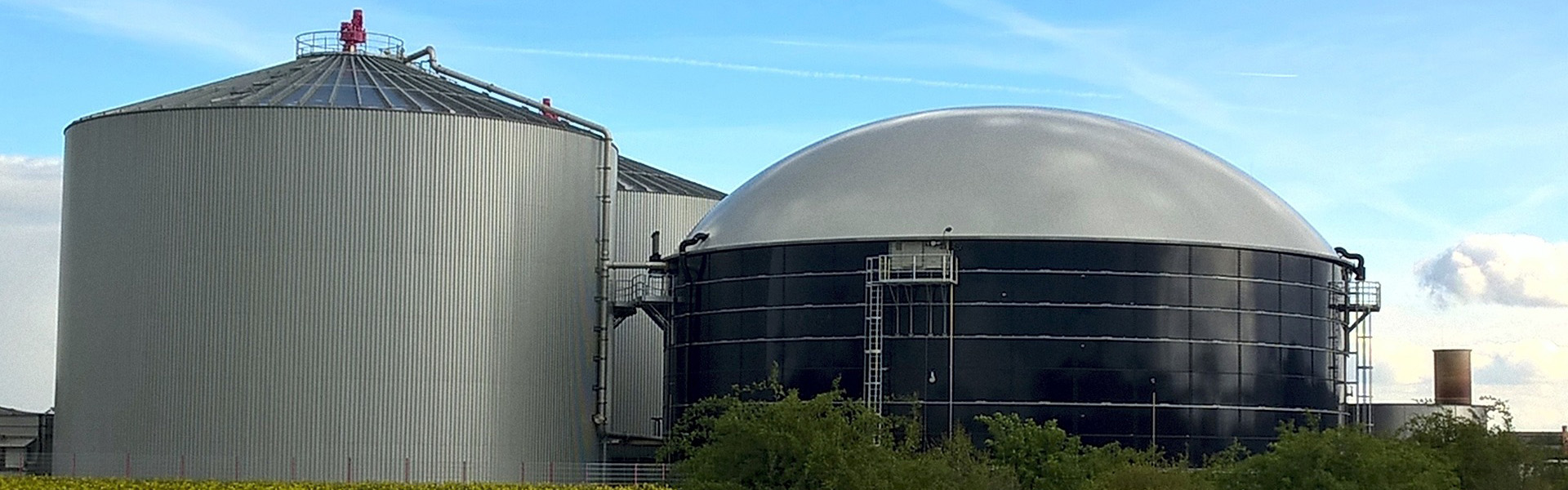
A biomethanation plant is an industrial facility. It uses controlled anaerobic digestion to process organic materials. The output is biogas and digestate.
Biogas is a fuel similar to natural gas. Digestate is a nutrient-rich fertilizer. The system is designed for efficiency and environmental protection.
These plants handle various feedstocks. Common inputs include:
Agricultural waste (manure, crop residues)
Food processing waste
Municipal organic waste
Sewage sludge
Dedicated energy crops
The biomethanation plant process is scalable. It works for small farms and large industrial installations.
The Science Behind Anaerobic Digestion
The biomethanation plant process relies on microbiology. It occurs without oxygen. Diverse communities of bacteria work in stages to break down complex organics.
The four main biological stages are:
Hydrolysis: Insoluble organic polymers are broken into soluble compounds.
Acidogenesis: Acidogenic bacteria convert sugars and amino acids into volatile fatty acids, alcohol, and gases.
Acetogenesis: Products from acidogenesis are transformed into acetic acid, hydrogen, and carbon dioxide.
Methanogenesis: Methanogenic archaea produce methane from the final products.
Each stage requires specific conditions. Temperature and pH must be carefully managed. This ensures a stable and efficient biomethanation plant process.
Core Steps in the Biomethanation Plant Process
A modern plant follows a defined sequence. Each step is crucial for optimal biogas yield and system stability.
1. Feedstock Reception and Pre-Treatment
The process begins with feedstock delivery. Materials are weighed and tested. Consistent feedstock quality is important.
Pre-treatment prepares the material for digestion. It enhances biogas production.
Mechanical treatment: Shredding or milling to increase surface area.
Mixing: Creating a homogenous slurry for easy pumping.
Hygienization: Heating to eliminate pathogens (required for some waste types).
Removal of contaminants: Taking out plastics, metals, and inert materials.
2. Anaerobic Digestion in the Reactor
The prepared slurry is fed into a sealed digester tank. This is the heart of the biomethanation plant process. Digesters are designed to maintain ideal conditions for bacteria.
There are different digester types:
Wet (liquid) digesters: Handle feedstock with high moisture content.
Dry (solid-state) digesters: Process stackable materials with less water.
Mesophilic digesters: Operate at 35-40°C (95-104°F). They are stable and less energy-intensive.
Thermophilic digesters: Operate at 50-60°C (122-140°F). They offer faster digestion and higher pathogen kill.
The retention time can range from 15 to over 60 days. It depends on feedstock and temperature.
3. Biogas Handling and Upgrading
Biogas collects at the top of the digester. Raw biogas typically contains:
50-70% Methane (CH4)
30-45% Carbon Dioxide (CO2)
Traces of Hydrogen Sulfide (H2S), water vapor, and other gases.
Before use, biogas often needs cleaning and upgrading. This is a key area for international biogas upgrading equipment manufacturers.
Cleaning: Removal of H2S and water vapor to prevent corrosion.
Upgrading: Separation of CO2 from methane to produce biomethane (Renewable Natural Gas - RNG). Technologies include membrane separation, water scrubbing, and pressure swing adsorption (PSA).
4. Digestate Management and Post-Treatment
After digestion, the remaining material is called digestate. It is rich in nitrogen, phosphorus, and potassium.
Digestate is usually separated into solid and liquid fractions.
Liquid fraction: Used as a potent liquid fertilizer.
Solid fraction: Can be composted, used as bedding, or processed into fertilizer pellets.
Proper management closes the nutrient loop. It is an integral part of the sustainable biomethanation plant process.
Applications and Benefits of the Biomethanation Process
The outputs of a biomethanation plant have diverse applications. They offer significant environmental and economic benefits.
Energy Production from Biogas
Upgraded or raw biogas can be used in several ways:
Heat and Power (CHP): Generating electricity and usable heat simultaneously.
Biomethane for Grid: Injected into the natural gas grid after upgrading.
Vehicle Fuel (Bio-CNG/LNG): Compressed or liquefied for use in transport.
Direct Heat: Used in boilers for industrial heating.
Environmental and Economic Advantages
The process delivers multiple advantages:
Renewable Energy: Displaces fossil fuels, reducing greenhouse gas emissions.
Waste Diversion: Reduces landfill use and associated methane leaks.
Odor Reduction: Controlled digestion minimizes odors from waste.
Natural Fertilizer: Digestate replaces energy-intensive synthetic fertilizers.
Circular Economy: Transforms waste streams into valuable products.
Revenue Streams: Creates income from energy, tipping fees, and fertilizer sales.
Key Considerations for Plant Design and Operation
Designing an efficient plant requires careful planning. Several factors influence the success of the biomethanation plant process.
Feedstock Selection and Analysis
Not all organic materials are equal. Key parameters include:
Biochemical Methane Potential (BMP): The total methane yield.
Carbon-to-Nitrogen (C:N) Ratio: An ideal ratio (20-30:1) supports bacterial health.
Dry Matter Content: Determines whether wet or dry digestion is suitable.
Presence of Inhibitors: Substances like ammonia or antibiotics can disrupt the process.
Technology and Equipment Selection
Choosing the right technology is critical. Decisions include:
Digester type (CSTR, plug-flow, batch).
Pre- and post-treatment technology.
Biogas upgrading system (if producing RNG).
Automation and control systems for stable operation.
International biogas upgrading equipment manufacturers provide advanced solutions. They help optimize gas quality and plant profitability.
Operational Management and Monitoring
Consistent operation is necessary. Key aspects are:
Regular feeding schedules to avoid shock loads.
Continuous monitoring of temperature, pH, and gas composition.
Routine maintenance of pumps, mixers, and engines.
Managing digestate storage and application according to regulations.
Successful implementation of the biomethanation plant process relies on robust design and skilled operation. It offers a proven path for sustainable waste and energy management.
The biomethanation plant process is a powerful and versatile technology. It provides a clear solution for organic waste and renewable energy needs.
From feedstock to final product, each step is important. The integration of reliable digestion and efficient upgrading equipment is essential.
For the international biogas upgrading equipment manufacturing field, this process represents a growing market. The demand for clean biomethane continues to rise globally.
Understanding the complete biomethanation plant process helps in making informed decisions. It leads to successful projects that benefit the economy and the environment.
Frequently Asked Questions (FAQs)
Q1: What is the main purpose of a biomethanation plant?
A1: The main purpose is to process organic waste through anaerobic digestion. This biomethanation plant process produces two valuable products: renewable biogas (for energy) and digestate (a nutrient-rich fertilizer), thereby managing waste and generating resources.
Q2: How long does the anaerobic digestion process take in a plant?
A2: The retention time varies. In mesophilic digesters, it typically takes 15 to 40 days. Thermophilic digesters are faster, often completing the core biomethanation plant process in 10-20 days. The time depends on feedstock type and reactor design.
Q3: Can a biomethanation plant handle all types of organic waste?
A3: While versatile, not all waste is suitable. The plant is designed for biodegradable materials. Contaminants like plastics, metals, and glass must be removed. Highly lignified materials (e.g., wood) break down very slowly and are not ideal for standard processes.
Q4: What is the difference between biogas and biomethane?
A4: Biogas is the raw gas from the digester, containing 50-70% methane and CO2. Biomethane, or Renewable Natural Gas (RNG), is upgraded biogas. The upgrading step in the biomethanation plant process removes CO2 and impurities, yielding gas that is over 95% methane, suitable for grid injection or vehicle fuel.
Q5: Is the digestate from the process safe to use as fertilizer?
A5: Yes, when properly processed. The anaerobic digestion process reduces pathogens and weed seeds. Digestate is a valuable organic fertilizer. However, its application should follow agronomic guidelines and local regulations to ensure safe and beneficial use.