


News
We'll get back to you as soon as possible.
Biomethane Plant Cost: A Detailed Analysis and Investment Breakdown
Investing in a biomethane production facility is a significant decision. Understanding the complete biomethane plant cost is crucial for accurate planning and securing financing. This cost extends far beyond just the digester tanks.
It encompasses technology selection, site preparation, and ongoing operational expenses. For project developers and investors, a clear breakdown is essential. This analysis provides a realistic view of the capital and operational expenditures involved.
This article offers a detailed look at the factors that determine biomethane plant cost. We will examine the main cost components, variables that affect the budget, and the potential return on investment. This information is vital for stakeholders in the international biogas upgrading equipment manufacturing sector.
Understanding the Scope of Biomethane Plant Costs
The total biomethane plant cost is typically divided into two main categories: Capital Expenditure (CAPEX) and Operational Expenditure (OPEX). Each category contains several key elements.
CAPEX covers all expenses related to designing and building the plant. OPEX includes the recurring costs needed to run the facility daily. A realistic financial model must account for both.
A common industry metric is cost per installed cubic meter of biogas or biomethane capacity. However, this figure varies widely based on specific project conditions.
Breaking Down the Capital Expenditure (CAPEX)
The initial investment, or CAPEX, is the most substantial part of the biomethane plant cost. It covers everything from engineering to commissioning.
Pre-Construction and Planning Costs
Before construction begins, significant planning is required. These upfront costs are part of the total investment.
Feasibility Studies and Site Assessment: Analyzing feedstock availability, grid connection, and digestate off-take.
Permitting and Legal Fees: Securing environmental, construction, and operational permits.
Detailed Engineering Design: Creating precise technical plans for every plant component.
Core Process Technology Costs
This is the heart of the biomethane plant cost. It involves purchasing the main equipment for digestion and upgrading.
Feedstock Handling and Pre-Treatment: Systems for reception, storage, shredding, and pasteurization.
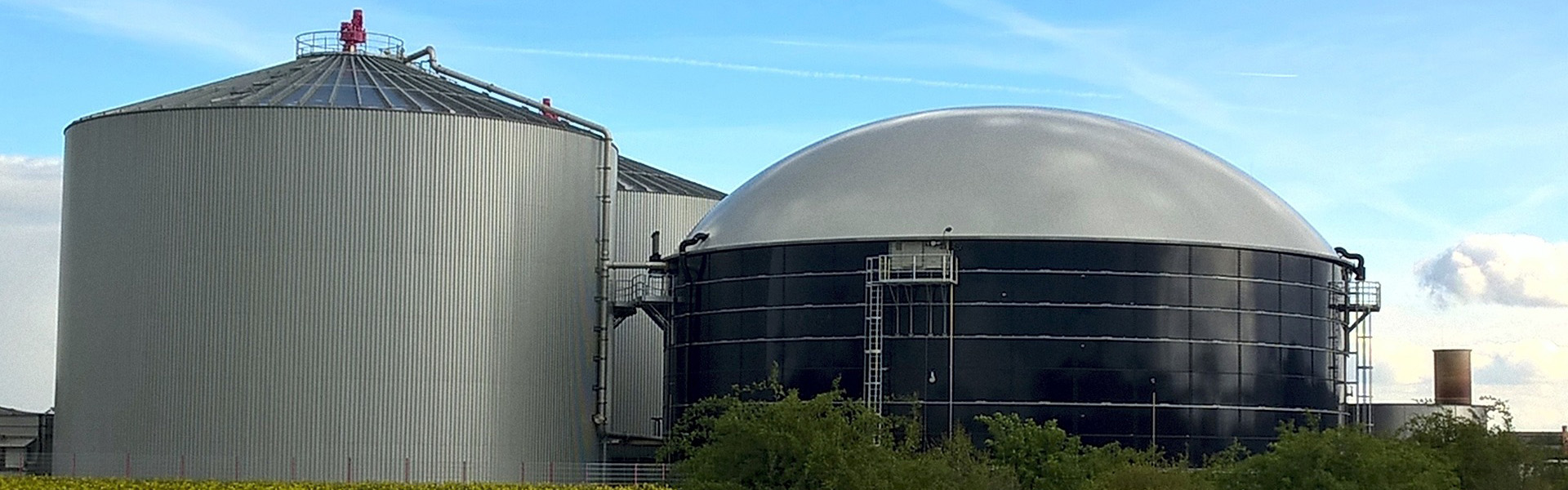
Anaerobic Digestion Section: Digester tanks, mixing systems, heating systems, and covers.
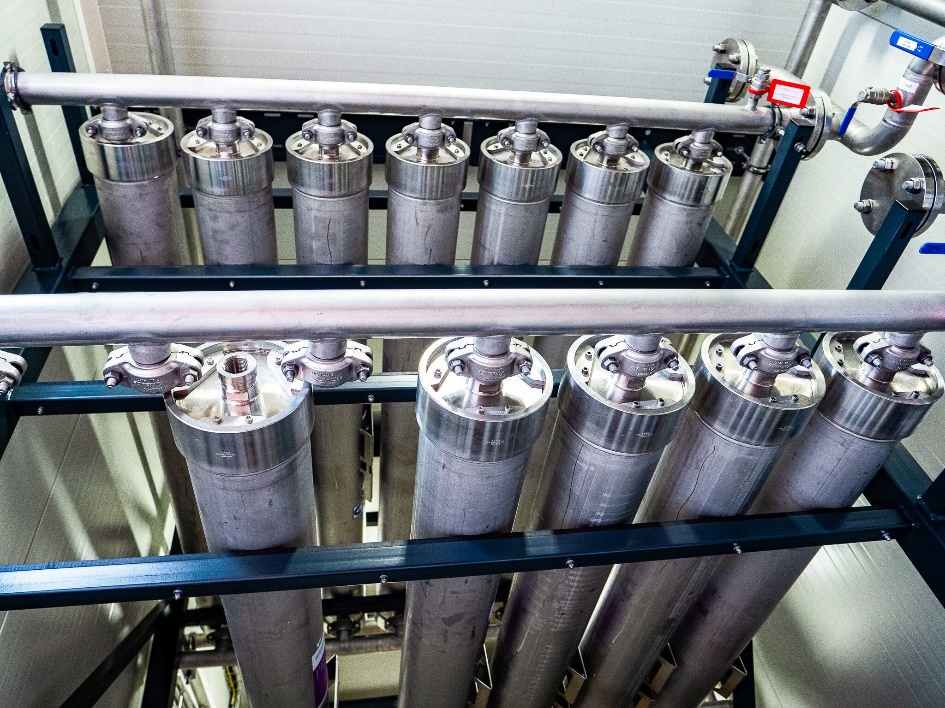
Biogas Upgrading Unit: This is a major cost driver. Technology choices (membrane, PSA, water scrubber) have different price points. Equipment from international biogas upgrading manufacturers must meet strict purity standards.
Biogas Handling: Gas storage, compressors, and safety equipment.
Balance of Plant and Civil Works
These costs support the core process and can be substantial.
Civil Engineering: Site preparation, foundations, buildings, and access roads.
Utilities and Auxiliary Systems: Electrical systems, water supply, process control, and automation.
Digestate Management: Storage tanks, separation equipment, and pasteurization units.
Installation and Commissioning
The cost to bring the plant to life.
Equipment Installation and Integration: Mechanical and electrical installation of all components.
Start-up and Commissioning: Testing systems, tuning biological processes, and training operational staff.
Key Factors Influencing the Total Plant Cost
The biomethane plant cost is not fixed. Several project-specific factors can cause it to increase or decrease significantly.
Plant Scale and Capacity
Economies of scale play a major role. A larger plant has a higher total cost but a lower cost per unit of output.
Small-scale plants (< 250 Nm³/h raw biogas) have higher specific costs (€/Nm³/h).
Large-scale plants (> 1,000 Nm³/h) benefit from scaled equipment and efficiencies, reducing the specific cost.
Feedstock Type and Complexity
The nature of the input material directly impacts technology choices and cost.
Simple feedstocks (e.g., agricultural manure) require less pre-treatment.
Complex feedstocks (e.g., mixed municipal waste) need advanced, and costly, sorting and hygiene systems.
Multiple feedstocks may require more flexible, and thus more expensive, feeding and handling technology.
Technology Selection and Vendor
The choice of upgrading technology is a primary cost factor.
Membrane separation and Pressure Swing Adsorption (PSA) are common choices with different capital and operational cost profiles.
Water scrubbing has specific operational cost implications.
Reputable international biogas upgrading equipment manufacturers offer different value propositions, affecting both initial price and long-term reliability.
Site-Specific Conditions and Location
Local factors heavily influence the budget.
Grid Connection Distance: Proximity to the natural gas grid for injection affects piping and compression costs.
Land Topography and Geology: Difficult terrain or poor soil requires more extensive civil works.
Local Labor and Material Costs: Vary greatly by country and region.
Regulatory Environment: Stricter regulations can necessitate additional safety or emission control technology.
Operational Expenditure (OPEX) and Ongoing Costs
The biomethane plant cost analysis is incomplete without considering yearly operating expenses. These affect long-term profitability.
Major Operational Cost Components
Typical annual OPEX includes several recurring items:
Feedstock Costs: Purchasing or collecting organic materials. Some plants earn tipping fees instead.
Personnel: Salaries for plant managers, technicians, and operational staff.
Maintenance and Spare Parts: Routine servicing and unexpected repairs, typically 2-4% of CAPEX per year.
Utilities: Electricity for mixing, compression, and upgrading; heat for digesters; process water.
Consumables: Chemicals, filter materials, and lubricants specific to the upgrading process.
Insurance, Administration, and Permits: General business overheads.
Optimizing OPEX for Better Returns
Managing operational costs is key to financial success.
Automation: Reducing manual labor needs.
Preventive Maintenance: Avoiding costly breakdowns and downtime.
Energy Efficiency: Using produced biogas for process heat to lower external energy bills.
Reliable Equipment: Choosing robust technology from established manufacturers to minimize repair frequency.
Financial Returns and Payback Period
The justification for the high biomethane plant cost lies in the revenue streams. The payback period depends on income versus total costs.
Primary Revenue Streams
A plant can generate income from multiple sources:
Biomethane Sales: Selling upgraded gas to the grid via injection tariffs or gas off-takers.
Biomethane as Transport Fuel: Often commands a higher price as Bio-CNG or Bio-LNG.
Digestate Sales: Selling nutrient-rich fertilizer to farmers or landscapers.
Waste Tipping Fees: Charging for accepting and processing organic waste.
Green Certificates: Revenue from tradable certificates (e.g., RINs, Guarantees of Origin).
Calculating Viability
A simple payback calculation considers:Payback Period (years) = Total CAPEX / (Annual Revenue - Annual OPEX)
With current energy prices and supportive policies in many regions, payback periods for well-designed plants often range from 5 to 10 years. The plant's operational life typically exceeds 20 years.
The biomethane plant cost is a multi-faceted figure influenced by scale, technology, feedstock, and location. A careful and detailed feasibility study is the first step toward a viable project.
While the capital investment is considerable, the long-term operational and environmental benefits are strong. Revenue from gas, digestate, and waste management can provide a stable return.
For the international biogas upgrading equipment manufacturing industry, providing efficient and reliable technology is key to helping project developers manage both CAPEX and OPEX effectively.
A thorough understanding of all elements contributing to the biomethane plant cost enables smarter investment decisions and supports the growth of the renewable gas sector globally.
Frequently Asked Questions (FAQs)
Q1: What is the typical total cost range for a commercial-scale biomethane plant?
A1: There is no single "typical" cost due to many variables. However, a rough range for a complete commercial plant (including upgrading) can be from €3 million to over €20 million. The specific biomethane plant cost is best determined through a detailed project study.
Q2: Which part of the plant is usually the most expensive?
A2: The anaerobic digestion tanks (digesters) and the biogas upgrading unit are often the two largest CAPEX items. The upgrading system, supplied by specialized international manufacturers, is a particularly significant component of the total biomethane plant cost.
Q3: How does plant size affect the specific cost (cost per unit of capacity)?
A3: Larger plants benefit from economies of scale. While the total biomethane plant cost is higher, the cost per cubic meter per hour of capacity (e.g., €/Nm³/h) decreases. This makes larger projects more capital-efficient.
Q4: Are there grants or subsidies available to offset the biomethane plant cost?
A4: Yes, in many countries and regions. Support can include capital investment grants, favorable loan schemes, and guaranteed feed-in tariffs or premiums for the biomethane produced. These incentives are crucial for improving project economics.
Q5: What is the single biggest operational cost for a running plant?
A5: This varies, but often feedstock cost (if purchased) or personnel costs are significant. For some plants, energy consumption for the upgrading process can also be a major ongoing part of the operational biomethane plant cost structure.