


News
We'll get back to you as soon as possible.
7 Key Factors for Success in Biomethane Projects: A 2026 Guide for Investors and Operators
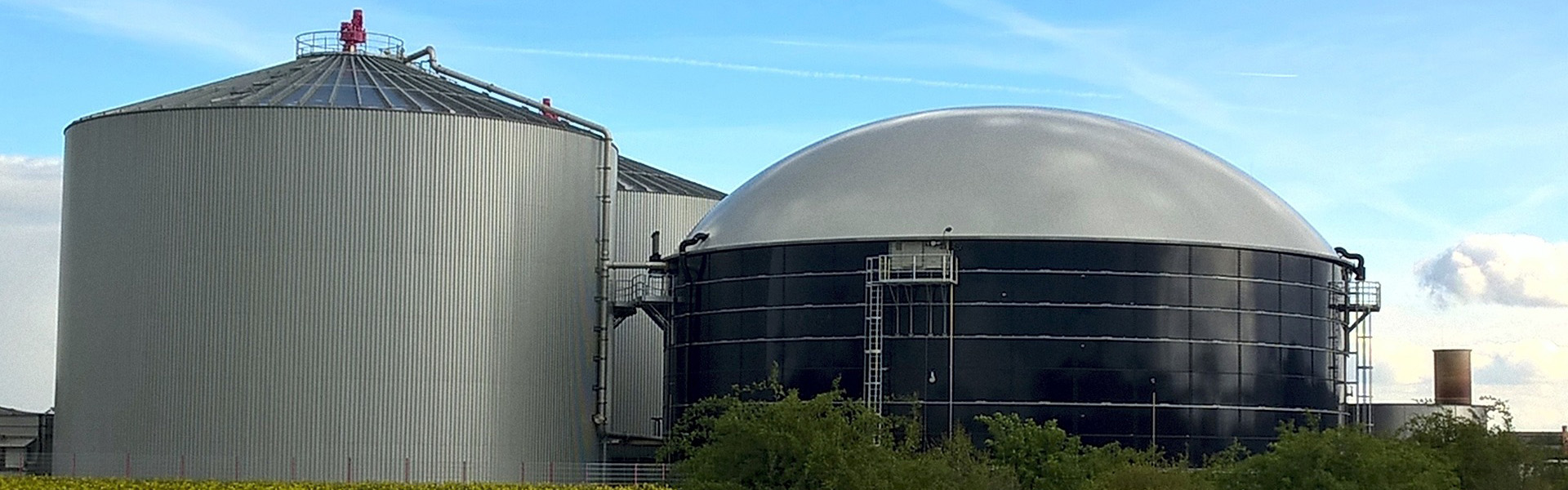
Biomethane projects are transforming organic waste into a vital renewable energy source. As global focus on decarbonization intensifies, these projects are crucial for achieving climate goals. They involve upgrading raw biogas—produced from anaerobic digestion—to pure biomethane. This gas is interchangeable with natural gas and can be injected into grids or used as clean transport fuel. This guide provides practical insights for developing efficient and profitable biomethane projects within the international biogas upgrading landscape.
Understanding Biomethane Projects and Core Upgrading Technologies
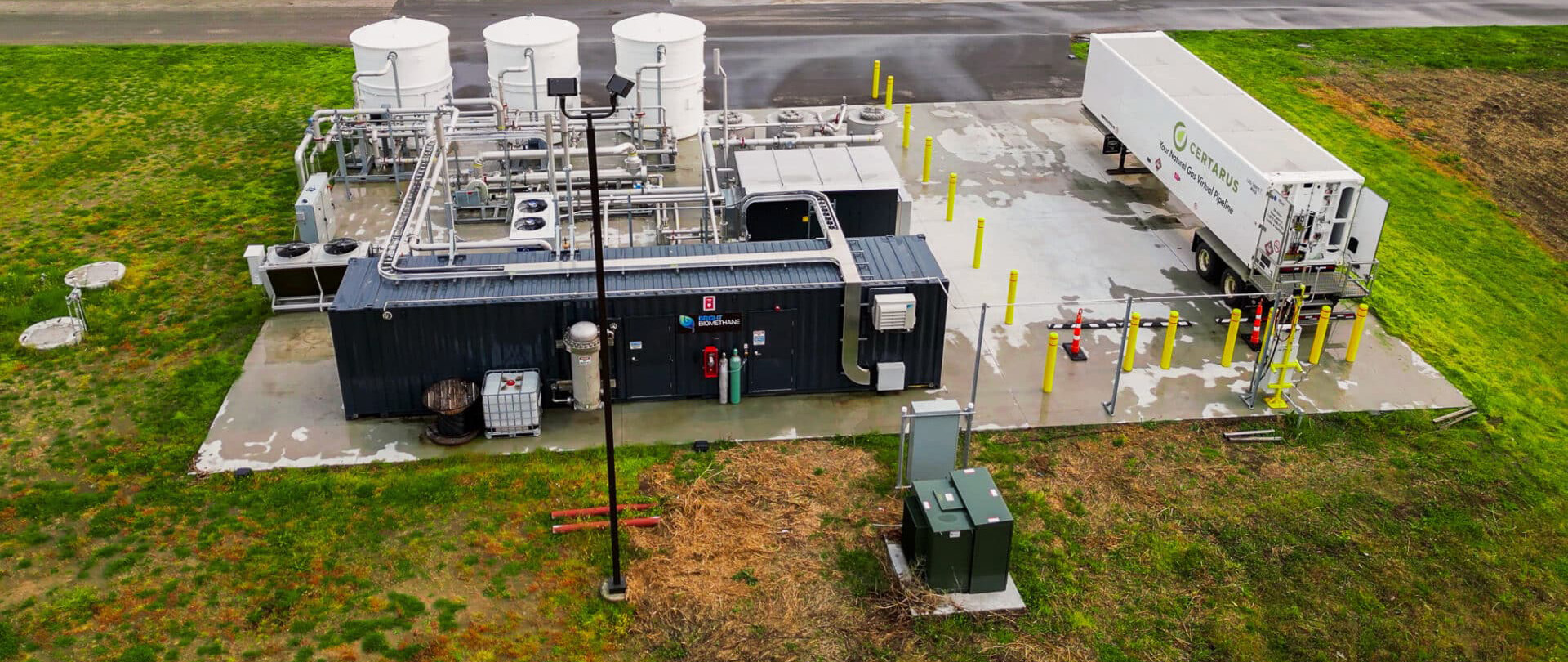
A successful biomethane project relies on selecting the right upgrading technology. The choice depends on feedstock, desired gas purity, project scale, and operational costs. Several established methods are used globally.
Water Scrubbing (WS): Uses high-pressure water to absorb CO2. It’s known for robustness and lower capital cost, making it suitable for medium-scale projects.
Pressure Swing Adsorption (PSA): Employs carbon molecular sieves to separate gases under pressure. It achieves very high methane purity (>99%) and is highly automated.
Membrane Separation: Utilizes selective membranes to separate CH4 from CO2 and other gases. This compact system is energy-efficient and scalable.
Chemical Scrubbing (Amino): Uses a chemical solvent, typically amine, to scrub CO2. It offers very high purity and excellent efficiency, especially for large-scale biomethane projects.
Comparing Commercial Services and Supplier Selection
Choosing a technology provider is a critical decision. The market includes global engineering firms and specialized technology vendors. Key selection criteria go beyond the initial quote.
Project Scope: Does the supplier offer a complete turnkey solution or only the upgrading unit? Full-service providers manage design, installation, and commissioning.
Technology Performance: Evaluate methane recovery rate (>99.5% is industry benchmark), product gas purity, and electrical/thermal energy consumption.
Operational Support: Consider the availability of remote monitoring, service contracts, and spare parts logistics. A reliable partner ensures long-term plant availability.
Reference Projects: Always review the supplier’s track record. Visit existing biomethane projects using their equipment to assess real-world performance and operational ease.
Analyzing Costs and Pricing Structures for Feasibility
The financial viability of biomethane projects hinges on accurate cost analysis. Capital expenditure (CAPEX) and operational expenditure (OPEX) must be carefully modeled.
Typical CAPEX includes:
Biogas upgrading unit
Gas grid connection or compression for CNG/LNG
Civil works and installation
Engineering and project management
Primary OPEX factors are:
Maintenance and spare parts
Labor for operation
Consumables (e.g., membrane filters, scrubbing water)
Energy for compression and process operation
Revenue streams include selling biomethane via injection tariffs or green gas certificates. The price is often linked to the avoided cost of fossil natural gas plus a green premium. Securing stable off-take agreements is fundamental for bankability.
A Practical Guide to Applications and Technology Selection
Your project’s end-use dictates specific requirements. Here’s a simple selection framework.
For Grid Injection:
Requirement: Must meet strict gas quality specifications (Wobbe Index, oxygen content).
Guideline: Technologies like PSA or Amine Scrubbing reliably deliver the required consistency and purity for seamless grid integration.
For Vehicle Fuel (Bio-CNG/Bio-LNG):
Requirement: Gas must be compressed or liquefied to high pressures or very low temperatures.
Guideline: High methane yield is critical for fuel economy. Membrane systems or water scrubbers, paired with efficient compression, are common choices.
For Industrial Use:
Requirement: Stable pressure and flow to replace natural gas in boilers or processes.
Guideline: Cost-effectiveness and reliability are key. Water scrubbing or PSA are often selected for their operational simplicity.
Deep Dive into the Technology and Process Engineering
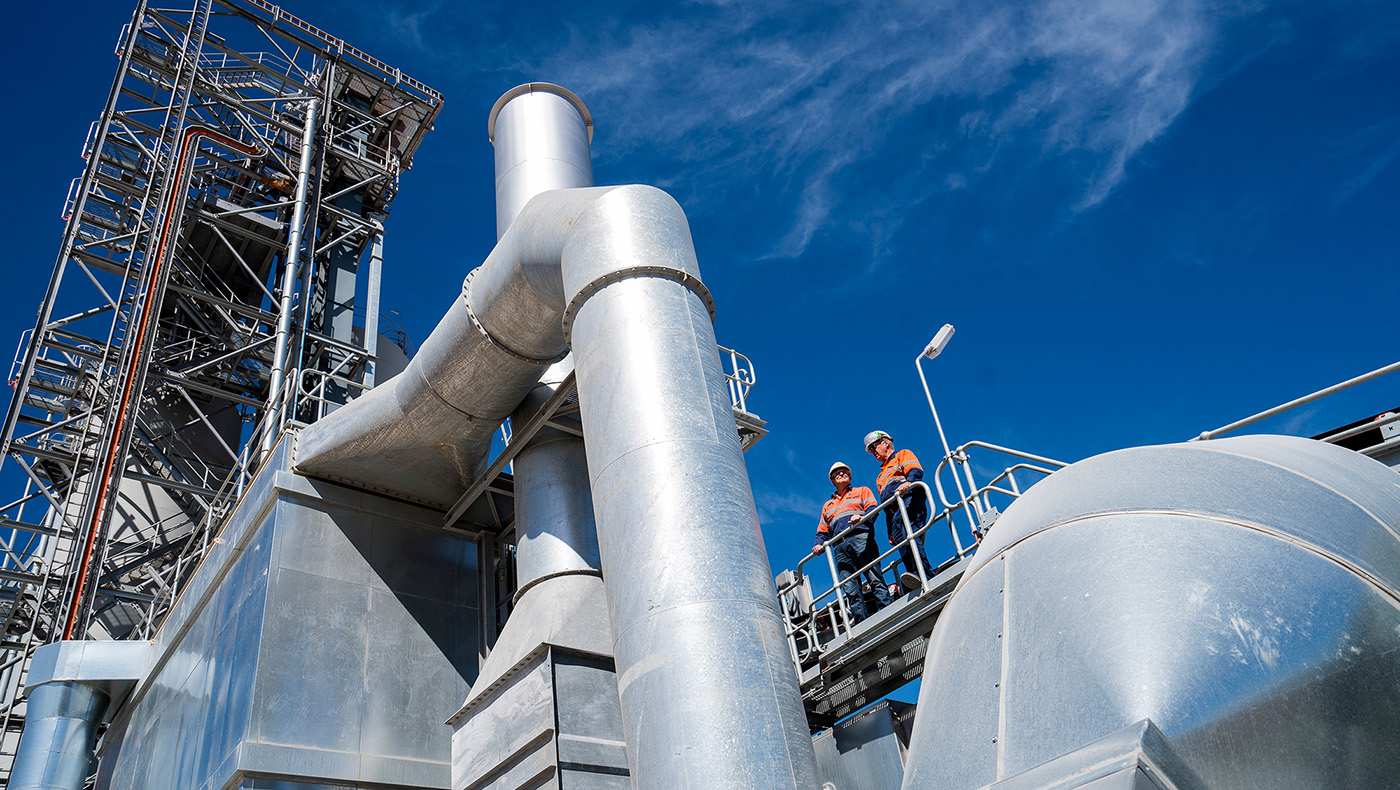
The core process in biomethane projects is biogas upgrading. Raw biogas from the digester, containing roughly 55-65% CH4 and 35-45% CO2, undergoes pretreatment first.
Essential pretreatment steps include:
Removal of hydrogen sulfide (H2S) to protect downstream equipment.
Drying to prevent condensation.
Filtering of siloxanes and other trace contaminants.
The upgrading unit then separates the bulk CO2. Advanced process control systems are integral. They optimize energy use and methane recovery in real-time, maximizing revenue. Process integration, such as using waste heat from a CHP unit for thermal regeneration in amine scrubbing, significantly improves overall plant efficiency.
Implementing and Scaling Your Biomethane Initiative
Starting a biomethane project requires a phased approach. Begin with a detailed feasibility study assessing feedstock security, gas off-take options, and regulatory permits. Engaging with the gas grid operator early is vital. For scaling, modular upgrading units offer flexibility. They allow capacity to be increased as more feedstock becomes available, spreading capital investment over time. Monitoring key performance indicators like methane slip and specific energy consumption per NM³ is essential for operational excellence and environmental compliance.
Biomethane projects represent a mature and scalable pathway to a circular economy. By understanding the technology options, costs, and operational requirements, developers and investors can make informed decisions. Partnering with experienced technology suppliers and focusing on robust process engineering are the foundations for sustainable, profitable operations. The continued growth of biomethane projects is essential for building resilient, renewable gas networks worldwide.
Frequently Asked Questions (FAQ)
Q1: What is the typical lifespan of a biogas upgrading plant in biomethane projects?
A1: A well-maintained biogas upgrading plant core equipment has a typical lifespan of 15-20 years. Key components like membranes or adsorption vessels may require scheduled replacement sooner, depending on the technology and operating conditions.
Q2: How is the purity of the final biomethane guaranteed?
A2: Reputable suppliers integrate continuous online gas analyzers that measure CH4, CO2, and O2 content in real-time. This data feeds into the control system to automatically adjust the process, ensuring the gas consistently meets specification for grid injection or vehicle fuel standards.
Q3: What are the main operational risks for biomethane projects?
A3: Key operational risks include fluctuations in feedstock quality affecting biogas composition, unexpected contamination (e.g., ammonia, siloxanes), and mechanical failures in compressors. Mitigation involves robust pretreatment, proactive maintenance schedules, and having comprehensive service agreements with technology providers.
Q4: Can existing biogas plants for power generation be retrofitted into biomethane projects?
A4: Yes, many existing anaerobic digestion plants can be retrofitted. The feasibility depends on the biogas production volume and consistency, available space for the upgrading unit, and proximity to a gas grid or a suitable fuel gas off-taker. An economic assessment is necessary.
Q5: How important are green certificates for the revenue model of these projects?
A5: Green certificates or Guarantees of Origin (GOs) are often critically important. They document the renewable origin of the gas and allow it to be sold at a premium price. The revenue from these certificates can significantly impact the project's financial return, sometimes forming over half of the total income.