The BPCL 2G ethanol plant represents a significant step in India's biofuels strategy. Located in Bargarh, Odisha, this facility is a key project by Bharat Petroleum Corporation Limited (BPCL) focusing on second-generation (2G) biofuel technology. Unlike first-generation plants, it uses agricultural waste, specifically rice straw, as its primary feedstock.
This approach addresses critical issues of farm residue management and supports energy security. In the international biogas and bioethanol upgrading equipment sector, projects like the BPCL 2G ethanol plant set a benchmark for integrating advanced biotechnology with sustainable waste-to-energy models.
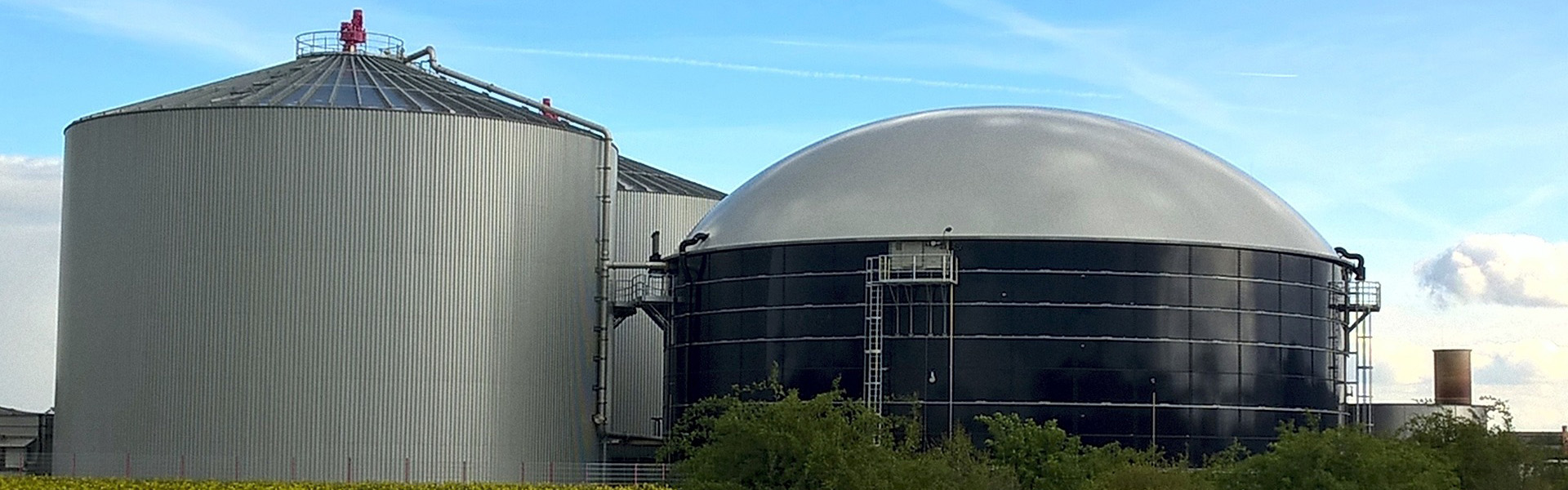
What is a 2G Ethanol Plant and How Does It Work?
A 2G ethanol plant produces fuel-grade ethanol from lignocellulosic biomass. This includes agricultural residues, wood chips, and dedicated energy crops. The core challenge is breaking down tough plant fibers into fermentable sugars.
The process is more complex than first-generation sugar or starch-based production. The technology at the BPCL 2G ethanol plant involves several key stages to convert waste into valuable fuel.
Feedstock Preparation: Rice straw is collected, shredded, and pre-processed.
Pretreatment: The biomass is treated physically or chemically to break down its rigid structure.
Enzymatic Hydrolysis: Special enzymes convert cellulose into simple sugars.
Fermentation: Yeast ferments these sugars into ethanol.
Distillation and Dehydration: The ethanol is purified and dehydrated to reach fuel-grade standards.
BPCL's Project: Core Technology and Process Details
The BPCL 2G ethanol plant in Bargarh utilizes a technology licensed from Praj Industries, a leader in bioenergy solutions. This partnership highlights the collaboration between a major energy company and specialized technology providers in the global market.
The plant has a design capacity to produce 100 kiloliters of ethanol per day. Its operation is based on a robust biochemical conversion pathway. The choice of rice straw tackles the issue of stubble burning, offering an eco-friendly alternative.
Key technological components likely include:
Advanced feedstock handling systems for bulky straw.
Efficient pretreatment reactors.
High-solids enzymatic hydrolysis for better sugar yield.
Integrated water recycling and waste treatment systems.
Comparing 2G Plants: BPCL vs. Other Indian and Global Projects
Understanding the BPCL 2G ethanol plant requires looking at similar initiatives. India's push for 2G ethanol includes plants by companies like Indian Oil Corporation and Hindustan Petroleum.
Feedstock Diversity: While BPCL uses rice straw, other plants may use different biomass like corn stover or bamboo. This depends on regional agricultural waste availability.
Technology Providers: Different plants may use technologies from other global players like DuPont, Clariant, or Beta Renewables. The core process is similar, but efficiency and yield can vary.
Scale and Integration: Some projects are standalone, while others are integrated with existing first-generation distilleries or sugar mills. BPCL's project is a dedicated, large-scale facility.
Government Support: All such projects in India are supported under the Government's Ethanol Blending Programme (EBP), which provides financial incentives for 2G ethanol production.
Cost Analysis and Investment Factors for 2G Ethanol Plants
The capital expenditure (CAPEX) for a BPCL 2G ethanol plant is significantly higher than for a conventional 1G plant. The complexity of the technology is the main driver. Estimated costs for such facilities can range significantly per liter of annual capacity.
Major cost components include:
Technology licensing fees.
Specialized equipment for pretreatment and hydrolysis.
Enzyme procurement costs.
Civil works and infrastructure for large-volume biomass handling.
Environmental and safety systems.
Operating costs (OPEX) are also influenced by:
Feedstock collection and transportation logistics.
Enzyme and chemical consumption rates.
Energy consumption for the process.
Plant capacity utilization.
Financial viability often depends on government subsidies, the price of ethanol as set by oil marketing companies, and the long-term cost reduction from technological learning.
Choosing Technology and Equipment Suppliers
For entities looking to develop similar projects, selecting the right technology is critical. The success of the BPCL 2G ethanol plant with Praj's technology provides a reference case. Evaluating suppliers involves several factors.
Key considerations include:
Proven Technology: Does the provider have a demonstrated, commercial-scale reference plant?
Feedstock Flexibility: Can the process handle multiple types of biomass efficiently?
Yield and Efficiency: What are the guaranteed ethanol yields per ton of biomass?
Total Solution: Does the supplier offer engineering, procurement, and construction (EPC) services?
Local Support: Availability of local technical service and spare parts is crucial.
Leading international suppliers in this space often collaborate with local partners to deliver integrated solutions.
Market Impact and Future of 2G Ethanol in India
The commissioning of the BPCL 2G ethanol plant contributes directly to India's target of 20% ethanol blending in petrol (E20). It demonstrates the commercial feasibility of advanced biofuels in the country.
The environmental benefits are substantial:
Reduction in greenhouse gas emissions compared to fossil fuels.
Solving crop burning problems, improving air quality.
Promoting a circular economy in agriculture.
The future growth of this sector depends on consistent policy support, advancements in enzyme technology to lower costs, and the development of efficient feedstock supply chains. Projects like BPCL's pave the way for more investments in advanced biofuel infrastructure.
The BPCL 2G ethanol plant is more than an industrial facility; it is a model for sustainable fuel production. By converting agricultural residue into clean energy, it addresses both waste management and energy security challenges.
Its success offers valuable lessons in technology selection, project execution, and supply chain management for the global biogas and biofuel upgrading industry. As technology evolves, such plants will play an increasingly vital role in the global energy transition.
Frequently Asked Questions (FAQs)
Q1: What is the main feedstock for the BPCL 2G ethanol plant?
A1: The primary feedstock for the BPCL 2G ethanol plant is rice straw, an agricultural residue that is often burned in fields. Using it helps reduce air pollution and creates value from waste.
Q2: How does the cost of 2G ethanol compare to 1G ethanol?
A2: Currently, the production cost of 2G ethanol is higher than that of 1G ethanol due to complex technology and higher capital costs. However, government incentives and economies of scale, as seen with projects like the BPCL plant, aim to improve its competitiveness.
Q3: Who provided the core technology for BPCL's 2G plant?
A3: BPCL partnered with Praj Industries, a leading Indian bioenergy technology company, for the core process technology and engineering of its 2G ethanol plant in Bargarh.
Q4: What are the biggest challenges in operating a 2G ethanol plant?
A4: Key challenges include ensuring a consistent and cost-effective supply of biomass feedstock, managing the high operational costs of enzymes and chemicals, and maintaining the technical efficiency of the complex pretreatment and hydrolysis processes.
Q5: Can the technology used in the BPCL plant handle other types of biomass?
A5: While optimized for rice straw, many 2G technologies, including those similar to the one at the BPCL plant, are designed with some flexibility. They can often be adapted to process other lignocellulosic materials like wheat straw, corn stover, or energy grasses, depending on the specific design.