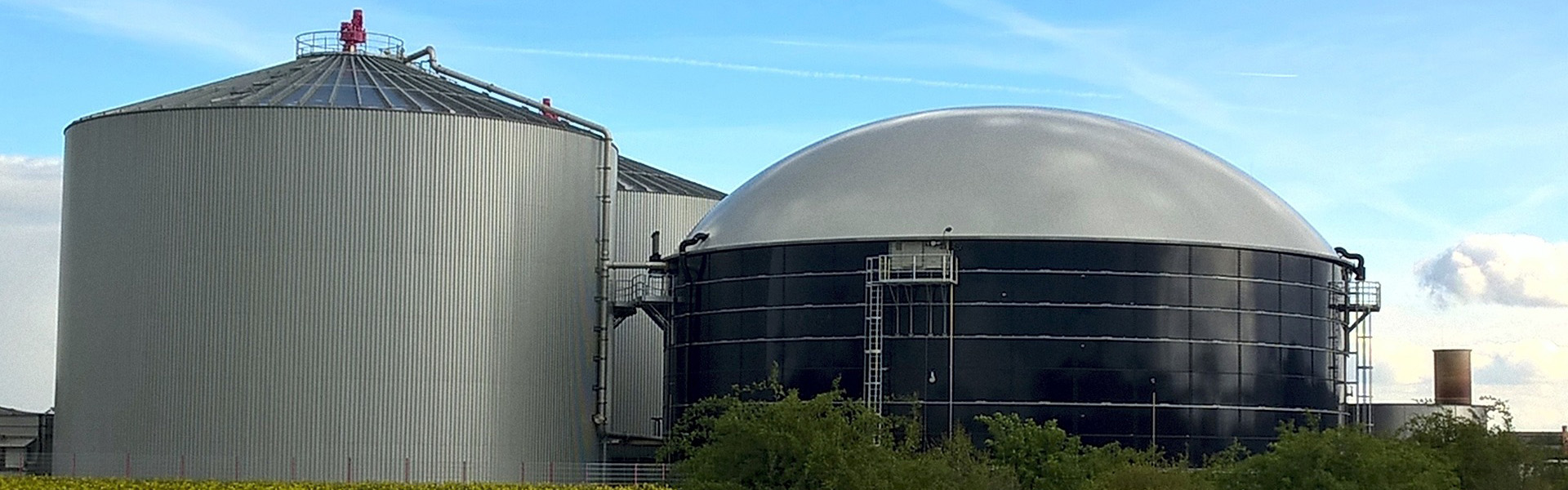
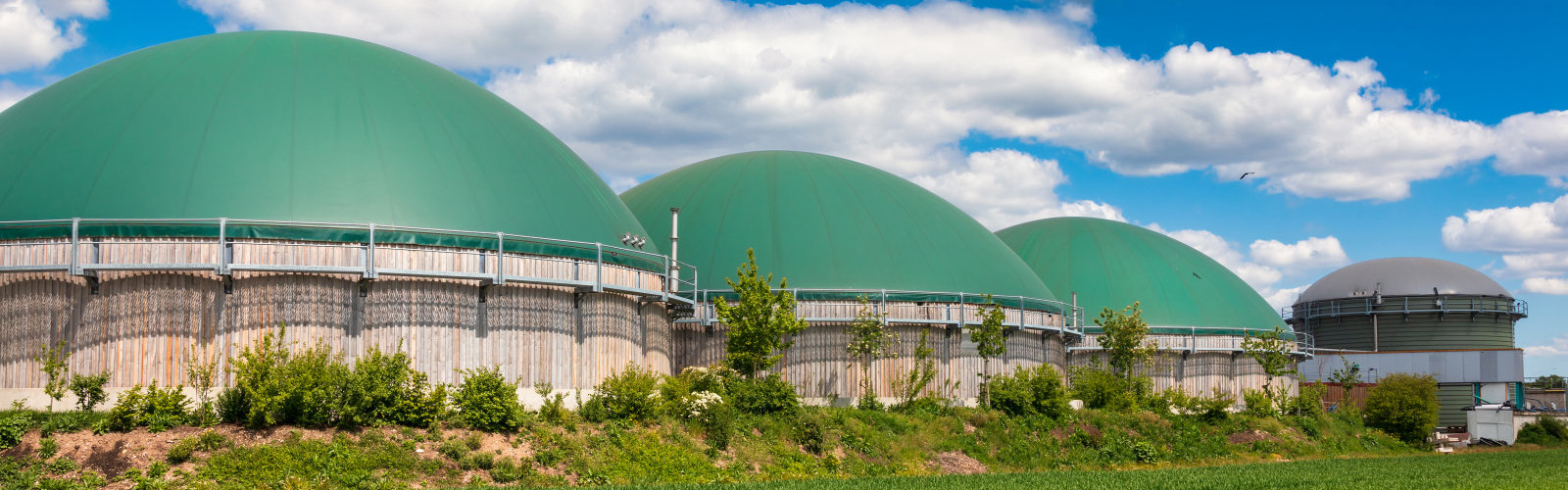
In the field of biogas upgrading, the term Bright Biogas often refers to efficient and technologically advanced solutions for refining raw biogas into high-purity biomethane. This process is critical for injecting gas into the grid or fueling vehicles.
Upgrading systems are essential for removing CO2, hydrogen sulfide, and other impurities. A well-designed Bright Biogas plant represents a significant investment in clean energy infrastructure. It ensures the final product meets strict quality standards for various commercial uses.
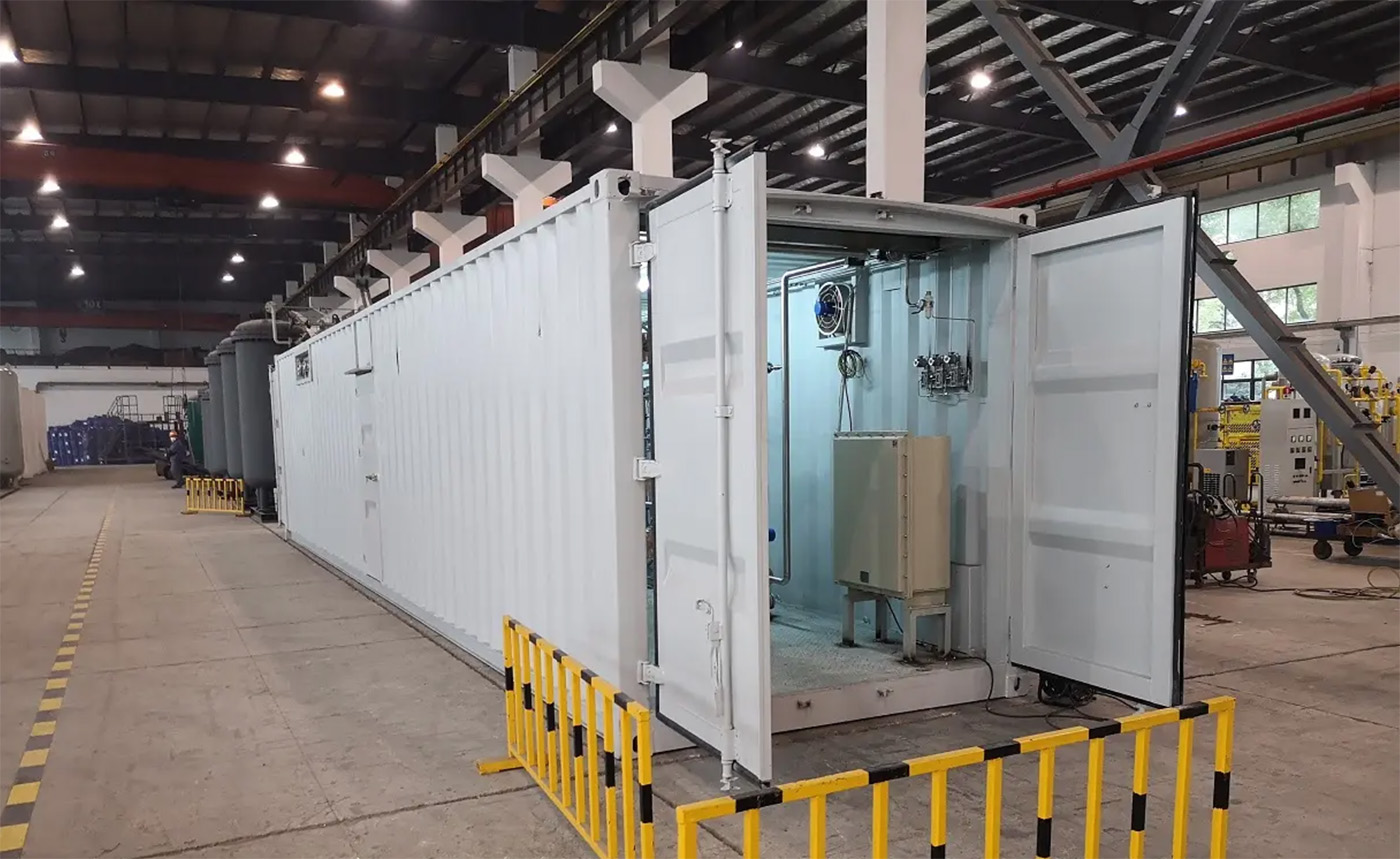
What is Biogas Upgrading and Why is it Necessary?
Raw biogas from digesters contains roughly 50-70% methane (CH4) and 30-50% carbon dioxide (CO2), along with trace elements. Upgrading strips away the CO2 and contaminants to produce biomethane with a purity of over 95% CH4.
This transformation is necessary for two primary reasons:
Grid Injection: Pipeline specifications require high-calorific, consistent gas.
Vehicle Fuel (Bio-CNG/LNG): Engine performance and emissions depend on clean, high-purity fuel.
A Bright Biogas upgrading unit is the core component that makes these advanced applications possible, turning a raw biogas project into a profitable, high-value energy operation.
Core Technologies for Biogas Upgrading: How They Work
Several technologies dominate the market. A Bright Biogas solution typically employs one of these main methods, each with distinct operational principles.
Water Scrubbing (Pressurized Water Wash)
This method uses the higher solubility of CO2 and H2S in water under pressure.
Raw biogas is compressed and fed into a column where water flows counter-currently.
CO2 dissolves into the water, which is then regenerated by releasing pressure.
It is known for its robustness and relatively simple operation.
Membrane Separation
This technology uses semi-permeable membranes that allow different gases to pass at different rates.
Compressed biogas flows through hollow-fiber membrane modules.
CO2, water vapor, and O2 permeate faster through the membrane walls.
Methane remains in the high-pressure stream and is collected as biomethane.
Pressure Swing Adsorption (PSA)
PSA uses adsorbent materials (like zeolites) that trap CO2 and other gases under pressure.
Biogas is fed into vessels containing the adsorbent.
CO2 molecules stick to the material's surface while methane passes through.
The adsorbent is then regenerated by depressurizing, releasing the captured gases.
Chemical Scrubbing (Amine Wash)
This process uses a chemical solvent, typically an amine solution, which reacts with and binds CO2.
The solvent absorbs CO2 in a contact column.
The rich solvent is heated in a regenerator column to release nearly pure CO2.
The solvent is cooled and reused in a continuous cycle.
Comparing Bright Biogas Upgrading Technologies
Choosing the right system depends on project specifics. Here is a practical comparison of the common methods associated with high-performance Bright Biogas plants.
Cost Factors and Investment for a Bright Biogas Plant
The total cost of a Bright Biogas upgrading system is influenced by multiple variables. A clear understanding is vital for budgeting.
Capital Expenditure (CAPEX) Influencers:
System Technology: Chemical scrubbers are generally the most expensive, water scrubbers often the least.
Plant Capacity: Cost per normalized cubic meter (Nm³/h) usually decreases with larger scale.
Scope of Supply: Costs vary if the supplier provides just the skid versus full turnkey installation.
Site Conditions: Civil works, grid connection distance, and permitting add significant cost.
Operational Expenditure (OPEX) Breakdown:
Energy Consumption: The largest ongoing cost, especially for compression and solvent regeneration.
Maintenance & Labor: Regular filter changes, membrane replacements, and skilled technician time.
Consumables: Replacement adsorbents, membrane modules, or chemical solvents.
Waste Stream Management: Disposal or use of captured CO2 and wastewater.
Finding a Supplier for Your Bright Biogas Project
Selecting a reliable supplier is as important as choosing the technology. A partner for your Bright Biogas plant should offer more than just equipment.
Key selection criteria include:
Proven Track Record: Request references and visit existing installations.
Technology Expertise: Deep knowledge of their offered system and its optimal application.
Performance Guarantees: Clear warranties on methane purity, recovery rate, and availability.
Service Network: Availability of local or responsive technical support and spare parts.
Financial Stability: Ensures the company will support the plant over its 15-20 year lifespan.
Leading international suppliers often provide comprehensive feasibility studies and lifecycle cost analyses.
Applications and Uses for Upgraded Biomethane
The output from a Bright Biogas system opens diverse revenue streams. High-purity biomethane is a versatile, carbon-neutral energy carrier.
Primary applications include:
Injection into the Natural Gas Grid: This provides a stable, long-term offtake agreement in many regions.
Transportation Fuel (Bio-CNG/Bio-LNG): Used in buses, trucks, waste collection vehicles, and even ships.
Industrial Process Heat: Replacing fossil natural gas in boilers, kilns, or furnaces.
Combined Heat and Power (CHP) at Higher Efficiency: Using ultra-clean gas in efficient gas engines.
Bottled Gas: For distribution to off-grid locations or as a cooking fuel.
Investing in a Bright Biogas upgrading plant is a strategic decision that maximizes the value and environmental impact of a biogas project. The choice of technology directly affects profitability, operational workload, and long-term reliability.
By carefully comparing methods, understanding full lifecycle costs, and selecting an experienced supplier, developers can ensure their biomethane project is both technically sound and economically viable. A successful Bright Biogas installation contributes significantly to a circular economy and energy independence.
Frequently Asked Questions (FAQs)
Q1: What exactly does "Bright Biogas" refer to?
A1: In the industry, "Bright Biogas" is not a single brand but a common term used to describe modern, efficient, and high-performance biogas upgrading systems and plants that produce high-purity biomethane from raw biogas.
Q2: Which biogas upgrading technology has the lowest operating cost?
A2: There is no universal answer. Membrane separation often has very low operational costs due to minimal consumables. However, the lowest total OPEX depends on local electricity prices, labor costs, and specific plant conditions. A detailed lifecycle analysis is needed.
Q3: How much does a small-scale biogas upgrading system cost?
A3: For a small system (e.g., 100 Nm³/h raw gas capacity), capital costs can range from approximately $300,000 to $600,000 or more, depending heavily on the chosen technology, site specifics, and the supplier's scope of delivery.
Q4: How often does a membrane biogas upgrading system require maintenance?
A4: Routine maintenance includes filter changes every few months. The membrane modules themselves are long-lasting but may need replacement after 5-10 years, depending on gas quality and operating conditions. Pre-treatment to remove contaminants is crucial for membrane longevity.
Q5: Can biogas upgrading be added to an existing anaerobic digestion plant?
A5: Yes, it is a common retrofit. It requires space for the upgrading skid, gas compression, and possibly gas storage. The existing biogas production and conditioning system (desulfurization, drying) must be evaluated to ensure it can provide suitably clean gas to the new upgrading unit.