


News
We'll get back to you as soon as possible.
7 Key Facts You Need Before Building a Chicken Manure Biogas Plant
For poultry farmers and agribusinesses worldwide, managing waste is a constant challenge and expense. A chicken manure biogas plant transforms this liability into a significant asset. This technology offers a sustainable solution for waste management while generating renewable energy and valuable by-products.
This system uses anaerobic digestion to break down chicken manure, producing biogas and digestate. The process addresses environmental regulations, reduces odors, and creates a circular economy on the farm. For operations of all sizes, understanding this technology is the first step toward greater efficiency and sustainability.
Implementing a chicken manure biogas plant requires careful planning. This article covers the essential information, from core benefits to technical and commercial considerations.
Core Information: How It Works and Why It Matters
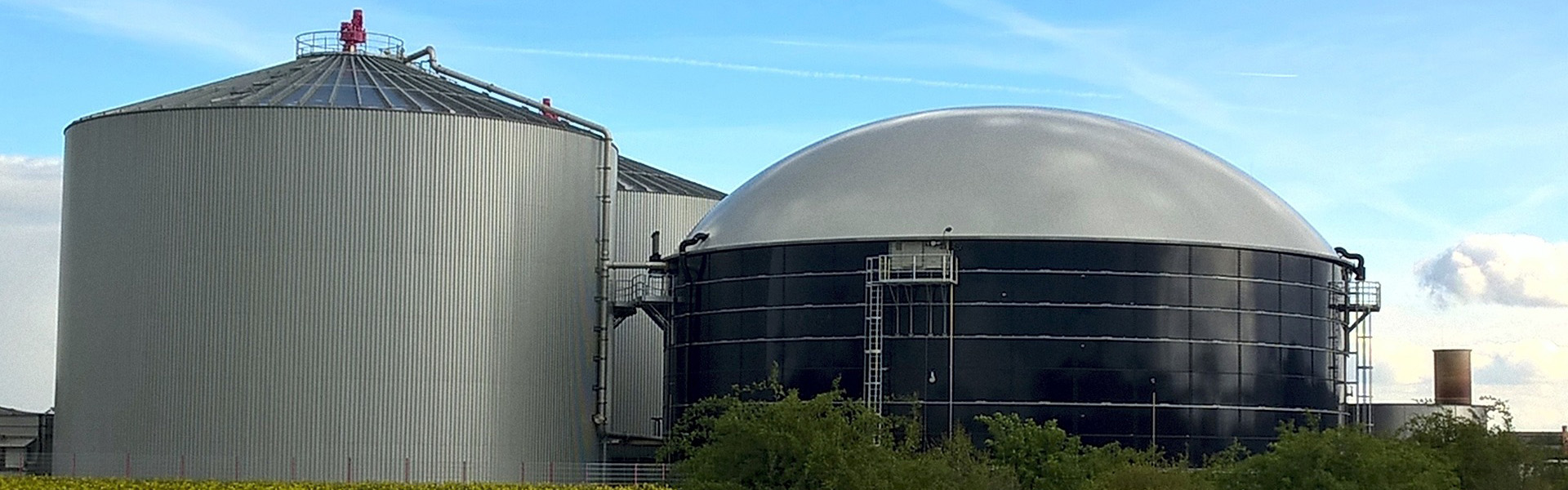
A chicken manure biogas plant is a controlled system that mimics natural decomposition. Manure is fed into an airtight tank called a digester. In the absence of oxygen, bacteria consume the organic matter.
This biological process releases biogas, primarily methane and carbon dioxide. The methane can be used to generate heat, electricity, or be upgraded to biomethane. The remaining material is a nutrient-rich liquid called digestate.
Chicken manure is a potent feedstock. It has a high nitrogen content and generates significant biogas yield. However, its properties require specific handling. The high ammonia levels can be inhibitory to the digestion process if not managed correctly.
Therefore, modern plants often use co-digestion. This involves mixing chicken manure with other organic wastes, like crop residues. Co-digestion balances the nutrient profile, improves biogas production, and ensures process stability.
Applications and Selection Guide for Farms
The application of a chicken manure biogas plant extends beyond simple waste treatment. The primary outputs are versatile.
Biogas can fuel a combined heat and power (CHP) unit. This provides electricity for farm operations and heat for poultry houses. In colder climates, this heat is particularly valuable. Alternatively, biogas can be purified to vehicle fuel quality or injected into the gas grid.
The digestate is a high-quality biofertilizer. It retains the nitrogen, phosphorus, and potassium from the manure but in a more plant-available form. Its use improves soil health and reduces dependency on chemical fertilizers.
Selecting the right system depends on several factors. Farm size, manure volume, available co-substrates, and energy goals are critical. There are two main digester types: continuous stirred-tank reactors (CSTRs) and plug-flow digesters.
CSTRs are common for slurry-based inputs and are well-suited for farms with consistent daily manure output. Plug-flow systems handle thicker materials effectively. Consulting with an experienced international manufacturer is crucial for correct sizing and technology choice.
Understanding the Costs and Investment
The price of a chicken manure biogas plant varies widely. It is not an off-the-shelf product. Costs depend on capacity, technology complexity, and site-specific requirements.
A small-scale, containerized system for a few thousand birds will cost significantly less than a large-scale industrial plant. Key cost components include pre-treatment equipment, the digester tank, gas storage, CHP units, and control systems.
Installation, civil works, and connection to utilities add to the upfront capital expenditure. However, the investment is offset by multiple revenue streams and cost savings. These include savings on waste disposal, reduced fertilizer purchases, and income from selling electricity or heat.
Government incentives, carbon credits, and green energy tariffs in many regions can improve the return on investment. A detailed feasibility study is necessary to project payback periods and long-term financial viability accurately.
Commercial Services from International Providers
Leading global manufacturers offer more than just equipment. They provide comprehensive commercial services for a chicken manure biogas plant. This full-service approach is vital for project success.
Services begin with consultancy and feasibility studies. Experts analyze the manure's characteristics and the farm's energy profile. They then design a customized system layout and provide detailed engineering plans.
Many providers offer turnkey solutions. They handle procurement, construction, commissioning, and staff training. This reduces risk for the farm owner and ensures the plant is built to specification.
After-sales support and long-term maintenance contracts are equally important. These services guarantee optimal plant performance, high uptime, and help navigate any operational challenges. Remote monitoring by the manufacturer is now a standard service for international clients.
Technical Considerations for Optimal Performance
The technical design of a chicken manure biogas plant is sophisticated. Pre-treatment is often the first critical stage. Chicken manure may contain bedding material like straw or feathers. Separators and macerators prepare the feedstock for efficient digestion.
Temperature control within the digester is paramount. Mesophilic systems operate around 35-40°C, while thermophilic ones run at 50-55°C. Thermophilic digestion processes material faster but requires more energy for heating.
Advanced process monitoring is a hallmark of modern plants. Sensors track temperature, pH, gas composition, and pressure. This data allows for automated control, ensuring the microbial community remains healthy and productive.
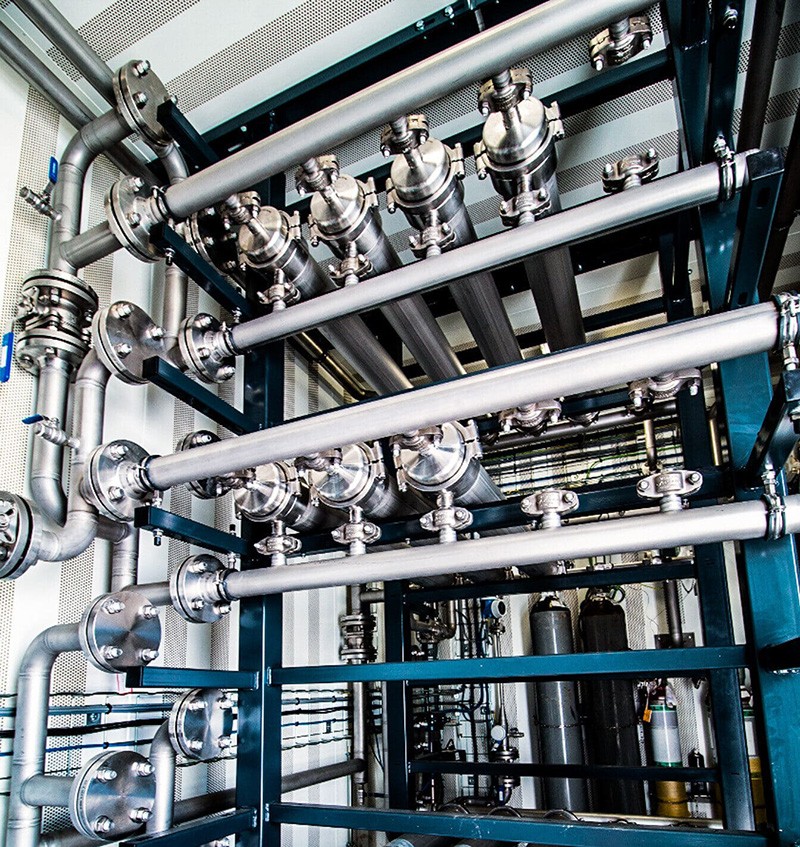
For farms aiming to sell electricity, biogas must be cleaned of corrosive hydrogen sulfide. Biological or chemical scrubbers are integrated for this purpose. For grid injection or vehicle fuel, a more complex upgrading system to remove CO2 is required.
The Future of Manure Management
Adopting a chicken manure biogas plant represents a forward-thinking approach to farming. It aligns with global trends in circular agriculture, carbon neutrality, and renewable energy. The technology turns an environmental concern into economic and ecological benefits.
Successful implementation hinges on partnering with a reliable, experienced technology provider. It requires a commitment to proper operation and maintenance. For poultry producers ready to invest, the rewards are substantial: energy independence, reduced emissions, and improved sustainability credentials.
The journey begins with thorough research and professional consultation. By leveraging this technology, poultry farming can become a key player in the green energy transition.
Frequently Asked Questions (FAQs)
Q1: How much chicken manure is needed to run a biogas plant?
A1: The required amount depends on the plant's size and the desired energy output. As a rough estimate, 1 ton of fresh chicken manure can produce approximately 80-120 cubic meters of biogas. A small farm with 10,000 laying hens can potentially fuel a 50-100 kW electricity generator. A feasibility study will provide precise figures for your specific operation.
Q2: Is the digestate from a chicken manure biogas plant safe to use as fertilizer?
A2: Yes, when properly processed. The anaerobic digestion process significantly reduces pathogens and odor. The resulting digestate is a stable, nutrient-rich biofertilizer. It is important to follow local agricultural guidelines for its application to fields, as nutrient content can be concentrated.
Q3: What is the typical lifespan of a biogas plant, and what maintenance does it require?
A3: A well-designed and maintained chicken manure biogas plant can operate for 20 years or more. Regular maintenance includes checking and servicing pumps, mixers, and the CHP unit, removing grit and sediment from the digester, and monitoring biological parameters. Most manufacturers offer service contracts.
Q4: Can the system handle manure mixed with other farm waste?
A4: Absolutely. Co-digestion with other materials like crop silage, food waste, or slaughterhouse residues is common and often beneficial. It helps balance the carbon-to-nitrogen ratio, dilutes inhibitory substances like ammonia, and can increase overall biogas yield. The plant design must account for these additional feedstocks.
Q5: Are there odor problems associated with a biogas plant?
A5: A properly functioning chicken manure biogas plant drastically reduces odor compared to open manure storage. The digestion process occurs in sealed tanks, and the digestate has a much milder, earthy smell. Any minor odors are typically confined to the reception area and can be managed with negative air systems or biofilters.