


News
We'll get back to you as soon as possible.
5 Critical Stages in Developing a Profitable CNG Biogas Plant
Turning organic waste into a revenue stream is a goal for many farms, factories, and waste management companies. A CNG biogas plant represents the most advanced method to achieve this, moving beyond simple electricity generation. This system doesn't just produce biogas; it refines it into Compressed Natural Gas (Bio-CNG), a high-value, versatile fuel.
The core difference lies in the upgrading and compression process. A standard biogas plant might fuel a generator. A CNG biogas plant purifies the raw biogas, removing carbon dioxide, hydrogen sulfide, and other impurities. The resulting biomethane, over 95% pure, is then compressed to be used as a direct replacement for fossil natural gas.
This opens doors to better economics and broader applications. For operators looking to maximize their return on organic waste, understanding the pathway to Bio-CNG is essential. This article breaks down the process, costs, and key decisions involved in setting up a successful operation.
Core Technology: From Raw Biogas to Vehicle-Grade Fuel
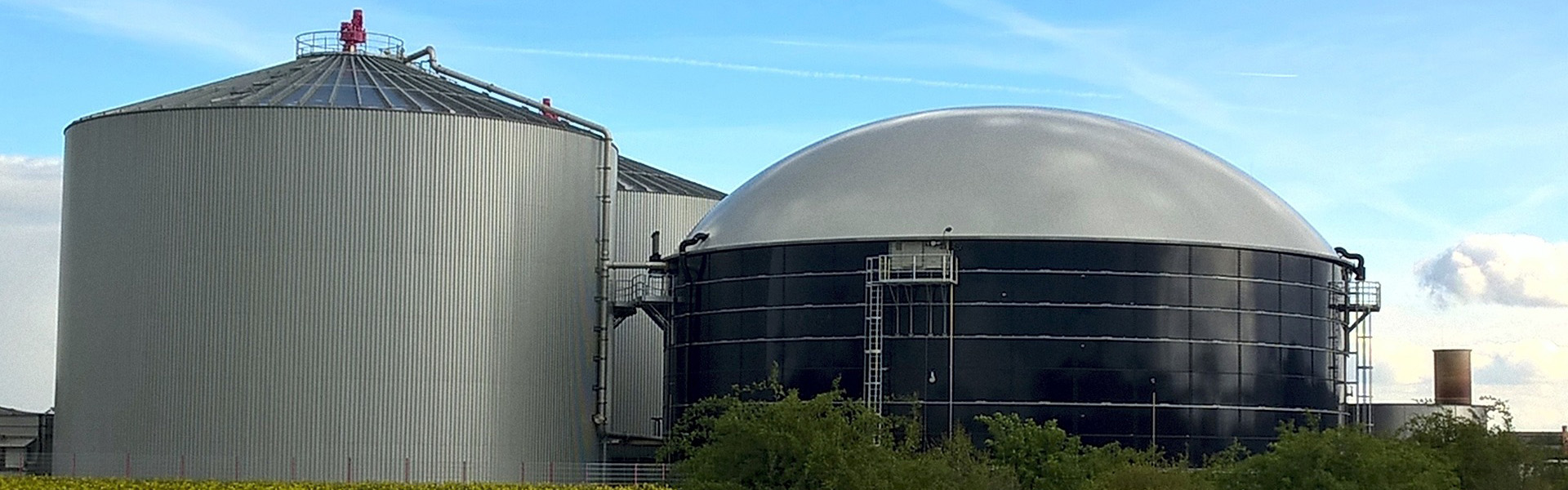
A CNG biogas plant is an integrated system with two main parts: the anaerobic digestion section and the biogas upgrading and compression section. The digestion process for producing raw biogas is well-established, using feedstocks like agricultural waste, food scraps, or manure.
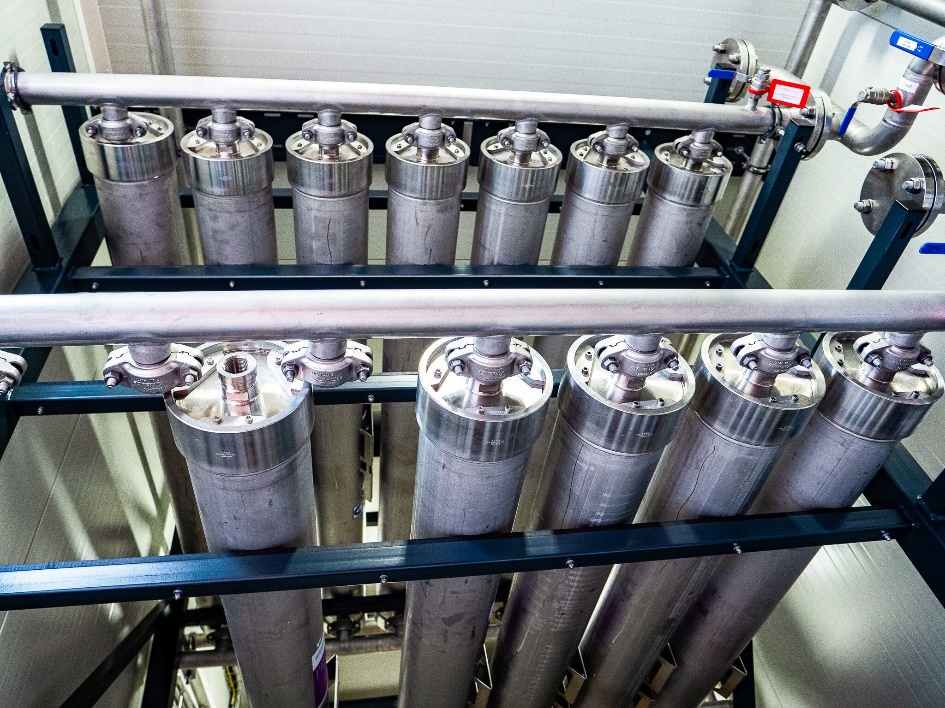
The critical technological addition is the upgrading skid. This is where raw biogas, typically 50-65% methane, is transformed. Several international technologies dominate this field, including membrane separation, pressure swing adsorption (PSA), and water scrubbing.
Each method has its own operational and cost profile. Membrane systems use selective permeability to separate methane from CO2. PSA units use adsorbent materials that capture CO2 under pressure. The choice depends on plant scale, desired purity, and operational preferences.
Finally, the clean biomethane is compressed to pressures around 250-300 bar. This requires heavy-duty compressors and secure storage cascades or cylinders. The output is Bio-CNG, ready for dispensing into vehicles or for cylinder transport.
Applications and Market Opportunities for Bio-CNG
The product of a CNG biogas plant creates diverse and often more lucrative revenue streams than power generation alone. The primary market is transportation fuel. Bio-CNG can directly fuel any vehicle designed to run on natural gas.
This includes municipal bus fleets, garbage trucks, long-haul freight trucks, and taxis. Companies with private fleets are major potential customers, seeking to reduce carbon emissions and lock in fuel costs. Fueling can happen on-site or at public CNG stations.
Another application is direct injection into the natural gas grid. In regions with supportive policies, operators can sell the upgraded biomethane to gas utilities at a premium. This often requires meeting strict gas quality specifications set by the grid operator.
Industrial use is a third pathway. Factories requiring high-purity methane for process heat can use Bio-CNG as a green alternative. This is particularly relevant in industries with sustainability targets, such as food processing or ceramics manufacturing.
Cost Analysis and Investment Considerations
Building a CNG biogas plant requires a significant capital investment, often higher than a standard cogeneration plant. The major cost drivers are the scale of the operation and the chosen upgrading technology.
The digestion section costs are comparable to any biogas project. The significant added expense comes from the upgrading and compression unit. For a mid-scale plant, this module can represent 30-50% of the total equipment cost.
Other cost factors include gas grid connection fees (if injecting), civil works for the fueling station, and permits for handling high-pressure fuel. A detailed feasibility study is non-negotiable. It must model feedstock costs, Bio-CNG offtake prices, and operational expenses.
The return on investment, however, can be attractive. Bio-CNG typically commands a higher price per energy unit than electricity from biogas. Revenue stability comes from long-term fuel supply agreements with fleet operators or gas companies. Government incentives for low-carbon fuels are a key factor in many countries.
Partnering with an International Technology Provider
For a project of this complexity, selecting the right engineering partner is critical. Reputable international manufacturers of CNG biogas plant technology offer more than just hardware. They provide essential commercial and technical services.
The journey starts with comprehensive project development support. This includes feedstock testing, conceptual design, and securing necessary permits. Experienced providers have a deep understanding of local regulations for gas quality and fuel dispensing.
Most clients benefit from a full Engineering, Procurement, and Construction (EPC) contract. A single provider takes responsibility for the entire system's design, equipment supply, construction, and commissioning. This integrated approach minimizes interface risks and ensures performance guarantees are met.
Post-commissioning, long-term service agreements are vital. These cover remote monitoring, preventive maintenance for compressors and upgrading units, and technical support. Reliable service is crucial for maintaining high purity levels and avoiding costly downtime at the fueling station.
Technical Hurdles and Operational Focus Areas
Running a CNG biogas plant successfully demands attention to specific technical details. Feedstock consistency is paramount. Fluctuations in the composition of raw biogas can challenge the upgrading unit's efficiency. Proper pre-treatment of biogas, including precise desulfurization and drying, is a prerequisite.
The upgrading technology itself requires skilled operation. Monitoring gas purity in real-time is essential. Even small slips in methane purity or excessive moisture can make the fuel unsuitable for engines or grid injection.
Compressor maintenance is a major operational focus. These high-pressure machines have specific service intervals and require clean, dry gas to operate reliably. A robust maintenance schedule, supported by the technology provider, is a key component of plant management.
Finally, safety systems are designed to the highest standards. Handling high-pressure natural gas involves strict protocols for leak detection, emergency shutdown, and fire prevention. International providers bring proven safety designs that comply with global standards like ATEX or NFPA.
The Strategic Value of Bio-CNG Production
Investing in a CNG biogas plant is a strategic decision for long-term sustainability and energy independence. It positions a waste-producing operation at the forefront of the circular economy and the decarbonization of transport.
The technology is mature and commercially proven worldwide. Success hinges on meticulous planning, securing reliable offtake agreements for the Bio-CNG, and choosing an EPC partner with a strong track record.
For farms, agro-industries, and waste handlers with consistent feedstock, this pathway offers a way to transform organic residues into a clean, high-demand fuel. It closes the loop, turns waste management into a profit center, and contributes directly to reducing greenhouse gas emissions.
The move to Bio-CNG is a significant step, but with the right partners and planning, it is a highly rewarding one.
Frequently Asked Questions (FAQs)
Q1: What is the main difference between a normal biogas plant and a CNG biogas plant?
A1: A standard biogas plant typically uses the gas to generate electricity and heat on-site. A CNG biogas plant adds a crucial second stage: it cleans and compresses the biogas into Bio-CNG (Compressed Natural Gas). This creates a pure, high-pressure fuel that can be used in vehicles, injected into the gas grid, or sold for industrial use.
Q2: What types of waste are best suited for a CNG biogas plant?
A2: Consistent, energy-rich feedstocks are ideal. This includes source-separated food waste, agricultural residues like crop silage, and animal manure (often co-digested). The feedstock must provide a steady and sufficient volume of biogas to justify the investment in the upgrading and compression equipment.
Q3: How pure does the methane need to be for vehicle use (Bio-CNG)?
A3: Vehicle-grade Bio-CNG must meet strict standards. Typically, the methane (CH4) content must be at least 95-97%, with very low levels of impurities like hydrogen sulfide (H2S), water vapor, and siloxanes. The specific standards are set by national fuel quality regulations or by the gas grid operator.
Q4: Is it possible to upgrade an existing biogas plant to produce CNG?
A4: Yes, this is a common path called "retrofitting." If the existing digester produces enough raw biogas, an upgrading and compression skid can be added alongside the existing CHP unit. A feasibility study will determine if the gas quantity and quality are sufficient and if the site has space for the new equipment.
Q5: What are the biggest operational risks for a CNG biogas plant?
A5: The primary risks involve maintaining consistent gas quality and equipment reliability. Fluctuations in feedstock can affect biogas composition, challenging the upgrader. The high-pressure compressors are critical assets requiring strict maintenance. Securing long-term offtake contracts for the Bio-CNG is also crucial to mitigate market price risks.