


News
We'll get back to you as soon as possible.
5 Key Types of Commercial Biogas Plants: A 2026 Comparison & Buyer's Guide
Investing in a commercial biogas plant is a significant decision for businesses in agriculture, food processing, and waste management. These systems turn organic waste into renewable energy and valuable digestate. This guide provides clear information to help you understand the options.
A well-planned commercial biogas plant can reduce energy costs, manage waste effectively, and create a new revenue stream. It is a core asset in the international biogas upgrading equipment sector.
1. Core Technologies: Comparing 5 Commercial Biogas Plant Designs
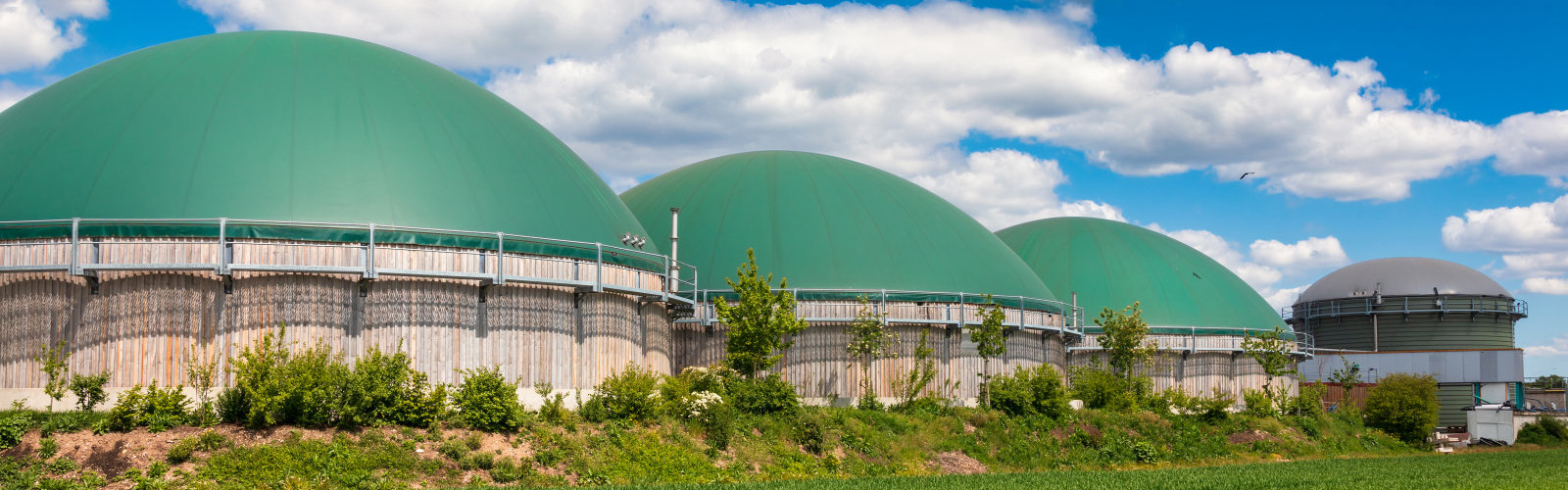
Not all commercial biogas plants work the same way. The technology choice affects efficiency, feedstock, and output. Here are the five primary designs.
Wet Digestion Systems:
Uses a slurry with high water content (10-15% dry matter).
Commonly uses continuously stirred tank reactors (CSTR).
Ideal for liquid manures and food waste.
Offers stable process control and is widely used.
Dry Digestion Systems:
Handles solid feedstocks with 20-40% dry matter.
Operates in batch or continuous plug-flow systems.
Well-suited for yard waste, solid agricultural residues.
Often requires less water and preprocessing.
Plug-Flow Digesters:
A long, rectangular tank where material moves as a "plug".
Good for thick, stackable feedstocks like dairy manure.
Simple design with relatively high solid content.
Covered Lagoon Digesters:
A large lagoon sealed with an impermeable cover.
Most cost-effective for warm climates and high-volume liquid waste.
Primarily used for animal waste treatment and biogas capture.
Two-Stage or High-Rate Digesters:
Separates acid-forming and methane-forming phases.
Can achieve higher loading rates and process stability.
Used for specific, often challenging, feedstocks.
2. Application Guide: How to Select the Right Commercial Biogas Plant
Choosing the correct system depends on your primary goals and available materials. Your business needs determine the best fit for a commercial biogas plant.
For Farms & Agro-Industrial Sites:
Primary Feedstock: Animal manure, crop silage.
Recommended Type: CSTR (Wet) or Plug-Flow digester.
Key Consideration: Land availability and daily manure volume.
For Food & Beverage Processors:
Primary Feedstock: Processing waste, wastewater.
Recommended Type: Wet digestion system, often with pre-treatment.
Key Consideration: High energy demand and need for onsite waste solution.
For Municipalities & Waste Companies:
Primary Feedstock: Source-separated organic waste, sewage sludge.
Recommended Type: Dry digestion or large-scale wet digestion.
Key Consideration: Feedstock consistency and permitting.
3. Finding a Reliable Biogas Plant Supplier or Service Provider
The international market offers many suppliers. Selecting a trustworthy partner is critical for your project's long-term success.
Look for providers with a strong track record. They should offer comprehensive services from design to after-sales support.
Key Selection Criteria:
Experience: Request case studies from similar projects.
Technology Range: Can they offer multiple digester types?
Service & Support: Availability of maintenance, spare parts, and remote monitoring.
Financial Stability: Ensures they will be there for the plant's lifetime.
References: Always speak to past clients.
Leading suppliers in the international biogas upgrading equipment manufacturing field often provide complete plant solutions. They integrate digesters, gas upgrading units, and CHP engines.
4. Cost Analysis and Price Factors for a Commercial Biogas Plant
The investment for a commercial biogas plant varies widely. Prices depend on scale, technology, and site-specific factors.
A small to medium-scale plant can range from $1 million to $10 million. Large, advanced facilities require investments of $15 million or more.
Major Cost Components:
Pre-engineering & Permits: Feasibility studies, environmental approvals.
Core Digestion Tank & Equipment: Reactor, mixing, heating systems.
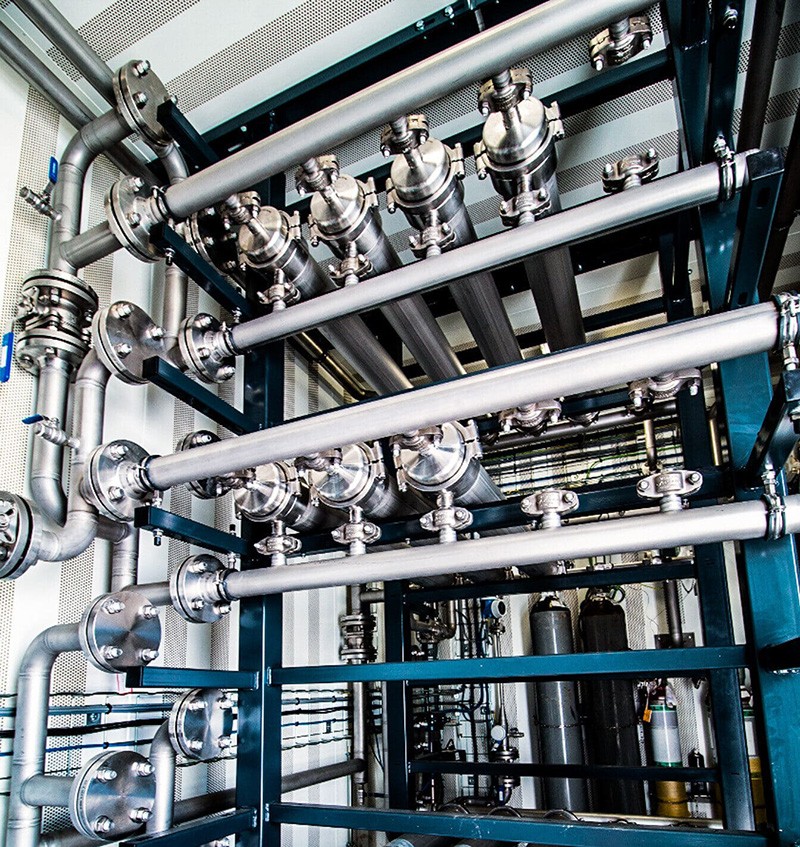
Gas Upgrading & Use: CHP unit or biogas upgrading system to biomethane.
Civil Works: Construction, plumbing, electrical infrastructure.
Installation & Commissioning: Labor for setup and initial testing.
Operational Costs:
Feedstock procurement and preparation.
Plant maintenance and labor.
Insurance, financing, and digestate management.
Return on investment typically comes from energy sales, waste tipping fees, and digestate value. It often takes 5 to 8 years.
5. Advanced Technology and Process Details in Modern Systems
Modern commercial biogas plants use advanced technology to maximize gas yield and operational reliability. This is central to the international biogas sector.
Key Process Stages:
Feedstock Reception & Pre-treatment: Shredding, pasteurization, or screening to prepare material.
Anaerobic Digestion: Microorganisms break down matter in an oxygen-free tank.
Biogas Treatment: Removal of impurities like hydrogen sulfide and moisture.
Energy Conversion: Using a Combined Heat and Power (CHP) unit or upgrading to biomethane.
Digestate Management: Separating liquid and solid fractions for use as fertilizer.
Innovation Trends:
Advanced process monitoring with AI and sensors for predictive control.
More efficient membrane or PSA-based biogas upgrading systems.
Integration with other renewable systems, like solar or wind.
These improvements make the modern commercial biogas plant more efficient and economically attractive.
Conclusion: Implementing a Successful Commercial Biogas Project
A commercial biogas plant is a sophisticated but rewarding investment. It requires careful planning in technology selection, partner choice, and financial modeling.
Success depends on matching the plant design to your specific feedstock and energy goals. Working with experienced professionals from the international biogas industry is highly recommended.
With the right approach, a commercial biogas plant provides long-term environmental and economic benefits. It turns waste into a resource and contributes to energy independence.
Frequently Asked Questions (FAQs)
Q1: What is the typical lifespan of a commercial biogas plant?
A1: A well-designed and maintained commercial biogas plant has a technical lifespan of 20 to 25 years. Key components like the digester tank are built to last, while parts like pumps or CHP engines may need refurbishment or replacement sooner, around 8-12 years.
Q2: How much land is required to build a commercial biogas plant?
A2: Land requirements vary by scale. A medium-sized plant (250 kW to 1 MW) typically needs 1 to 3 acres. This includes space for the digester tanks, feedstock storage, gas upgrading equipment, digestate lagoons, and access roads. Larger plants or those handling significant waste volumes need more space.
Q3: Can a commercial biogas plant use multiple types of waste?
A3: Yes, most modern plants are designed for co-digestion. This means they can process a mix of feedstocks, like manure together with food waste or energy crops. Co-digestion often increases biogas yield. However, the feedstock mix must be carefully managed to maintain stable biological activity in the digester.
Q4: What are the main operational risks, and how are they managed?
A4: Main risks include process instability (leading to low gas yield), equipment failure, and feedstock contamination. These are managed through consistent monitoring of temperature, pH, and gas production. Regular maintenance schedules, having backup equipment for critical components, and thorough feedstock quality control are standard practices.
Q5: Is it possible to upgrade the biogas to pipeline-quality natural gas?
A5: Absolutely. Using biogas upgrading equipment, raw biogas (mainly methane and CO2) can be purified to over 95% methane content. This "biomethane" or "renewable natural gas (RNG)" meets pipeline standards and can be injected into the gas grid or used as vehicle fuel. This is a major trend in the international market.