


News
We'll get back to you as soon as possible.
3 Key Steps in a Covered Lagoon Biogas Purification System: 2024 Cost & Tech Guide
A covered lagoon biogas purification system is a common and cost-effective method for managing waste and generating renewable energy on farms and some industrial sites. It captures biogas from large waste lagoons for cleaning and use.
This system is particularly relevant in the international biogas upgrading equipment sector for projects with high-volume, low-solid waste streams. Understanding its function and limits is important for planning.
Core Information: What is a Covered Lagoon Biogas Purification System?
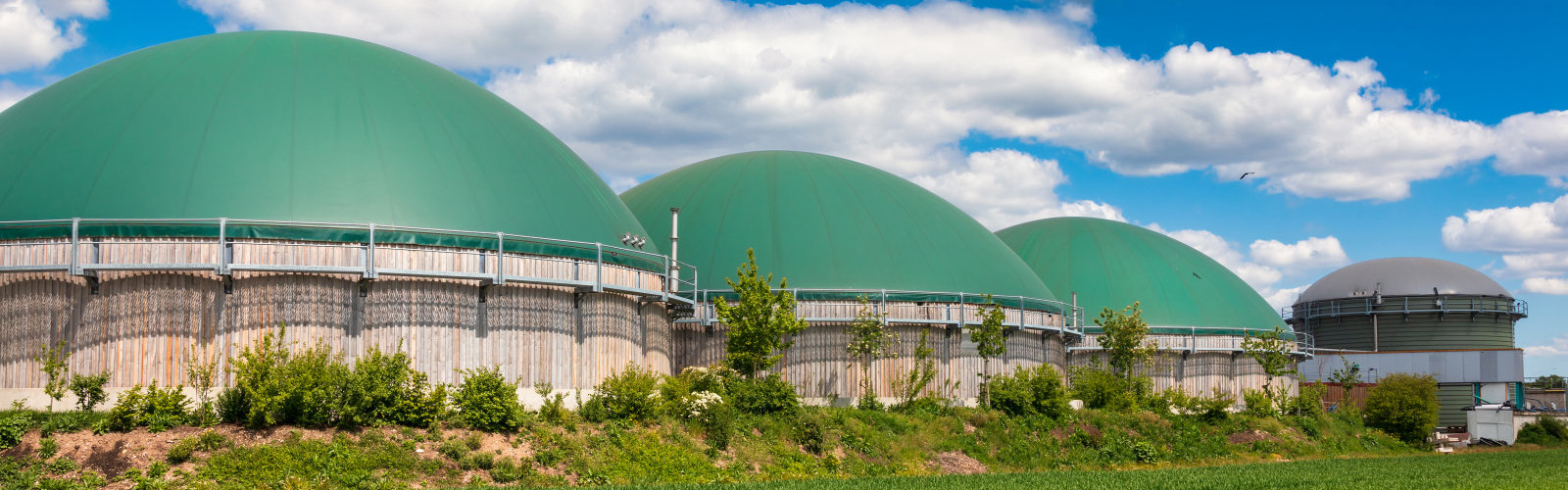
A covered lagoon system consists of two main parts: the anaerobic lagoon and the gas cleaning unit. The lagoon itself is the primary digester.
The Covered Lagoon:
A large, lined pond used to store liquid manure or wastewater.
Sealed with a flexible, high-density polyethylene (HDPE) or geomembrane cover.
The cover traps methane produced by natural anaerobic digestion.
It operates at ambient temperature and has a long hydraulic retention time.
The Purification System:
Raw biogas from under the cover contains methane, CO2, water vapor, and hydrogen sulfide (H2S).
The purification system cleans this gas to make it usable in engines or for injection.
It is a critical link between simple capture and creating a valuable energy product.
Comparison: How It Stacks Up Against Other Biogas Systems
A covered lagoon biogas purification system has distinct advantages and limitations compared to tank-based digesters like CSTR or plug-flow systems.
Advantages:
Lower Capital Cost: Uses an existing or simple lagoon structure.
Simplicity: Fewer mechanical parts than heated tank digesters.
Large Capacity: Ideal for sites with very high volumes of liquid waste.
Sludge Storage: Serves as both digester and long-term storage.
Limitations:
Climate Dependent: Efficiency drops significantly in cold weather.
Lower Gas Yield: Produces less biogas per unit of feedstock than heated systems.
Land Intensive: Requires substantial land area.
Gas Quality Variability: Biogas composition can be less consistent.
Application and Selection Guide: Is This System Right for Your Project?
Choosing a covered lagoon biogas purification system depends on specific operational and climatic conditions.
Ideal Applications Include:
Dairy, swine, and poultry farms with flush manure management.
Warm to temperate climates with minimal freezing temperatures.
Operations with significant existing lagoon capacity.
Projects where primary goals are odor control, methane capture, and baseline renewable energy.
It May Not Be Suitable For:
Cold climate regions without supplemental heating.
Operations with solid feedstocks or high-fiber waste.
Sites with strict requirements for maximum, consistent biogas output.
Locations with limited available land.
Finding Suppliers and Service Providers
The market for covered lagoon systems includes specialized manufacturers and integrators. They provide covers, gas handling, and purification equipment.
When looking for a supplier in the international biogas upgrading equipment field, consider these points:
Cover Material Expertise: Suppliers should offer durable, UV-resistant materials with proven warranties.
System Integration: Look for partners who can provide the full chain: cover, gas extraction, purification, and use (CHP or upgrading).
Experience with Lagoons: Prefer companies with specific references for lagoon-based projects, not just tank systems.
Local Support: Availability of installation crews and maintenance services in your region.
Cost Analysis and Price Factors
The cost of a covered lagoon biogas purification system is generally lower than engineered tank digester systems. However, prices vary with scale and purification goals.
Primary Cost Drivers:
Lagoon Size and Cover: The single largest cost is the geomembrane cover and its anchoring system.
Gas Cleaning Technology: Complexity ranges from simple desulfurization and drying to full CO2 removal for biomethane.
End-Use Technology: Costs differ for a biogas generator (CHP) versus a full upgrading system to produce pipeline-quality gas.
Site Preparation: Lagoon modification, blower and piping infrastructure.
A basic system for electricity generation might range from $500,000 to $2 million. A system designed for biomethane production with advanced purification will cost more, heavily influenced by the chosen upgrading technology.
Technology and Process Deep Dive
The process in a covered lagoon biogas purification system follows a clear pathway from capture to clean gas. Each step is important for performance.
Step 1: Biogas Capture and Extraction
Biogas accumulates under the impermeable cover, creating pressure.
Blowers or compressors carefully extract the gas via a network of pipes.
Pressure under the cover must be managed to prevent damage.
Step 2: Primary Cleaning (Conditioning)
Dehydration: Removes water vapor using condensate traps or chillers.
Hydrogen Sulfide (H2S) Removal: Critical for equipment protection. Methods include:
Air/Oxygen injection into the lagoon headspace (biological treatment).
Iron sponge or carbon-based filters in the gas stream.
Step 3: Biogas Upgrading (For Biomethane Projects)
If the goal is renewable natural gas (RNG), a further step is needed. This involves removing CO2. Common technologies used with lagoon gas include:
Membrane Separation: Uses selective membranes to separate CH4 from CO2.
Water Scrubbing: Dissolves CO2 and H2S in water under pressure.
These systems are major components supplied by specialized firms in the international biogas upgrading equipment manufacturing sector.
Conclusion: The Role of Covered Lagoon Systems
A covered lagoon biogas purification system offers a practical entry point into renewable energy production for suitable farms and operations. Its strength lies in managing large liquid waste volumes at a relatively low cost.
The effectiveness of the entire system depends heavily on the integration of a robust cover with an appropriately designed purification train. For many, it is a key component for meeting sustainability goals.
When planned and maintained correctly, a covered lagoon biogas purification system provides environmental benefits and a return on investment through energy generation and carbon credit opportunities.
Frequently Asked Questions (FAQs)
Q1: How long does the cover on a lagoon typically last?A1: A high-quality HDPE or geomembrane cover, with proper installation and maintenance, can last 15 to 20 years. Exposure to UV light, physical damage, and chemical vapors are the main factors affecting lifespan. Reputable suppliers offer warranties of 10 years or more.
Q2: Can a covered lagoon system work in colder climates?A2: Its efficiency decreases in cold climates because anaerobic digestion slows down. For it to work in colder regions, modifications like deeper lagoons for geothermal heat, or occasionally heated mixing, are needed. It often requires a larger lagoon volume to compensate for slower digestion rates.
Q3: What is the most challenging part of maintaining the purification system?A3: Consistent management of hydrogen sulfide (H2S) is often the main operational challenge. H2S levels can fluctuate and are highly corrosive. Ensuring the H2S removal technology (e.g., iron sponge, biofilter) is functioning correctly and media is replaced on schedule is important for protecting downstream engines or upgrading equipment.
Q4: Is the biogas from a covered lagoon suitable for vehicle fuel (RNG)?A4: Yes, but it requires more extensive purification. The biogas must be upgraded to over 95% methane content by removing CO2, moisture, and other trace gases. This requires adding a full biogas upgrading system (e.g., membranes, amine wash) after the primary cleaning steps. This increases complexity and cost significantly.
Q5: How does the cost of a covered lagoon system compare to a tank digester for a 1,000-cow dairy?A5: For a 1,000-cow dairy with a flush system, a covered lagoon biogas purification system could be 30% to 50% less expensive in upfront capital cost than a complete mixed tank digester (CSTR) with similar purification. However, the tank digester will typically produce more biogas year-round, especially in winter, offering a faster and greater energy return.