For any developer or operator in the international biogas upgrading and anaerobic digestion sector, choosing the right digester technology is a foundational decision. Among the various options, CSTR AD tanks stand out as a workhorse for a wide range of organic feedstocks. Their continuous operation and robust design make them a preferred choice for modern, efficient biogas facilities.
Understanding the core principles and operational nuances of CSTR AD tanks is crucial for maximizing biogas yield and ensuring plant reliability. This article breaks down their design, advantages, and critical considerations for implementation.
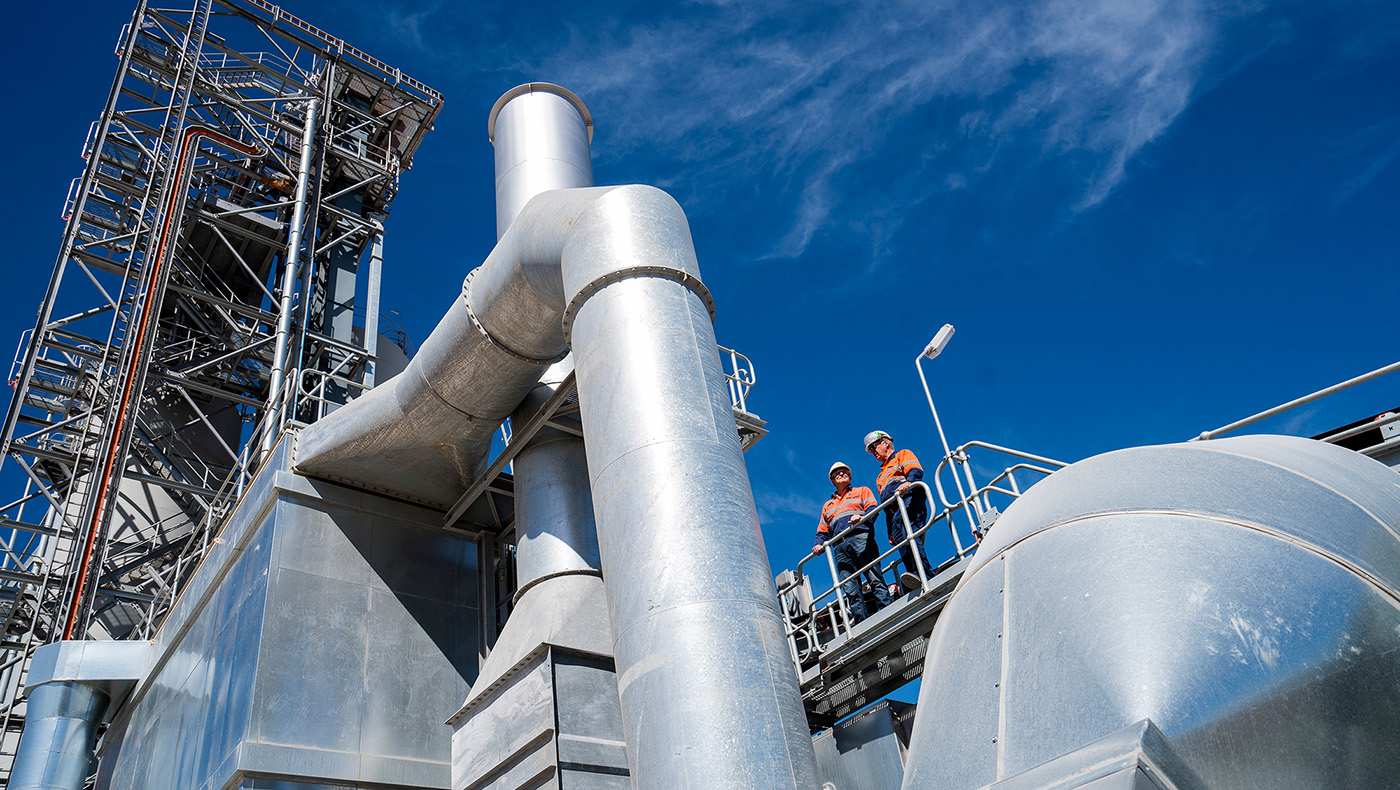
How CSTR AD Tanks Work: The Core Principle
A CSTR AD tank, or Continuously Stirred Tank Reactor for Anaerobic Digestion, operates on a straightforward yet highly effective principle. Fresh, prepared organic feedstock (substrate) is continuously fed into a sealed, heated tank.
Inside the CSTR AD tank, powerful mechanical agitators keep the mixture in constant motion. This continuous stirring is the system's defining characteristic. It ensures that microbes, feedstock, and temperature are uniformly distributed throughout the entire reactor volume.
As the mixture is stirred, anaerobic bacteria break down the organic matter. This process happens in stages, producing biogas—primarily methane and carbon dioxide. The treated digestate is simultaneously discharged at the same rate as the feedstock input, maintaining a constant volume.
The design ensures a steady-state operation. This means biogas production is continuous and predictable, which is ideal for feeding combined heat and power (CHP) units or biogas upgrading systems.
Key Advantages of Using CSTR AD Tanks in Biogas Projects
The widespread use of CSTR AD tanks in international biogas projects is due to several compelling benefits they offer plant owners and operators.
First, their ability to handle a broad spectrum of feedstocks is a major advantage. CSTR AD tanks can efficiently process slurries like animal manure, sewage sludge, and food waste. Their robust mixing also allows for the co-digestion of more challenging, solid-rich materials.
Process stability is another significant strength. The intense mixing prevents the formation of scum layers and sedimentation. This avoids dead zones where activity ceases, promoting a homogenous environment that maximizes contact between bacteria and substrate.
This homogeneity also provides excellent process control. Operators can easily monitor parameters like temperature, pH, and volatile fatty acid levels within the CSTR AD tank. Adjustments can be made promptly to the feed or conditions, safeguarding the delicate microbial community.
Furthermore, the continuous flow nature of CSTR AD tanks aligns perfectly with the operations of many waste-producing industries. It allows for constant feeding, mirroring the steady output of agro-industrial facilities, and supports stable, baseload renewable energy generation.
Critical Design and Engineering Considerations
The performance of a CSTR AD tank hinges on its precise engineering. Several design factors must be meticulously calculated and executed by experienced biogas equipment manufacturers.
Tank geometry and mixing system design are paramount. The agitators must provide complete, energy-efficient homogenization without creating shear forces that could harm microbial flocks. The placement, type, and number of mixers are critical design choices.
Heating is integrated directly into the tank walls or through external heat exchangers. Maintaining a consistent mesophilic (around 95-105°F / 35-40°C) or thermophilic (around 125-135°F / 50-55°C) temperature is essential for microbial activity within the CSTR AD tank.
Retention time is a key operational parameter. It refers to the average time the substrate remains inside the reactor. For CSTR AD tanks, this must be long enough for complete digestion but optimized to keep the tank size—and thus capital cost—manageable. It is carefully calculated based on feedstock degradability.
Material selection is also crucial. The tanks are typically constructed from reinforced concrete or coated carbon steel, designed to withstand corrosive gases and liquids while ensuring a long operational lifespan with minimal maintenance.
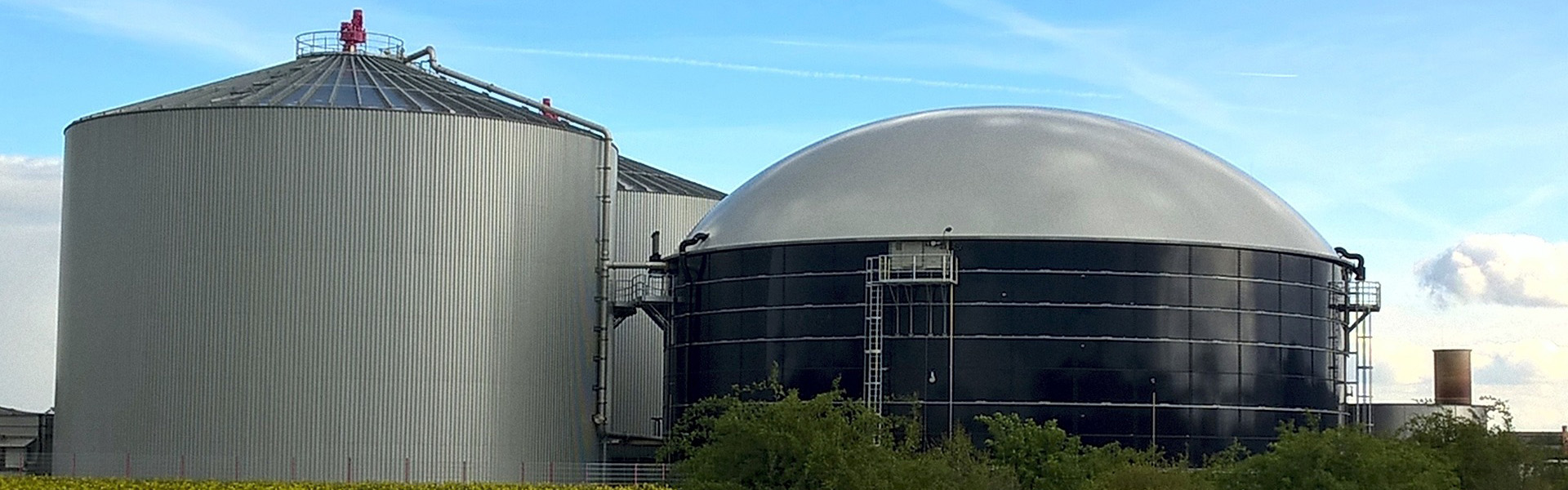
Operational Best Practices for Maximum Efficiency
Successfully operating a CSTR AD tank goes beyond good design. It requires disciplined daily management and monitoring to ensure peak efficiency and trouble-free service.
Consistent feedstock preparation is the first rule. The material fed into the CSTR AD tank should have a uniform particle size and dry matter content. Sudden changes in feedstock composition can shock the microbial community, leading to process instability and reduced gas production.
Regular monitoring of key process indicators is non-negotiable. Gas production rate, methane content, digestate characteristics, and internal levels of volatile fatty acids provide a real-time health check of the digestion process inside the CSTR AD tank.
Preventive maintenance on mechanical components is vital. The mixing system is the heart of the CSTR AD tank. Regular inspection and servicing of agitators, seals, and gearboxes prevent unexpected downtime that could halt the entire biogas production process.
Finally, having a skilled operations team who understands the biological and mechanical intricacies of CSTR AD tanks is perhaps the most important factor. They can interpret data, make informed adjustments, and troubleshoot issues before they escalate.
FAQs About CSTR AD Tanks
Q1: What types of feedstock are best suited for CSTR AD tanks?
A1: CSTR AD tanks are highly versatile and excel with pumpable, homogenous slurries like animal slurry, wastewater sludge, and liquid food waste. Their strong mixing also allows for successful co-digestion with chopped energy crops or organic fraction of municipal solid waste (OFMSW), making them a flexible choice for many plants.
Q2: How does the mixing in a CSTR AD tank impact its efficiency?
A2: The continuous mixing is central to the efficiency of a CSTR AD tank. It ensures even heat distribution, prevents stratification and scum formation, and maintains optimal contact between bacteria and feedstock. This leads to faster digestion rates, higher volumetric biogas production, and more stable process conditions.
Q3: What are the main maintenance focuses for a CSTR AD tank?
A3: The primary maintenance focus is on the mechanical mixing system, including agitators, shafts, and seals. Regular lubrication, vibration checks, and seal inspections are essential. Additionally, checking and cleaning heating elements, inspecting tank walls and roof for corrosion, and ensuring all sensors are calibrated are key routine tasks.
Q4: Can CSTR AD tanks be used for high-solids feedstocks?
A4: While CSTR AD tanks can handle higher solids content than some liquid-only systems, there are practical limits. Very thick, fibrous materials may require excessive energy for mixing and risk clogging or damaging equipment. For very high-solid feedstocks, plug-flow or dry fermentation digesters might be more appropriate.
Q5: How do CSTR AD tanks compare to plug-flow digesters?
A5: Both are common, but they suit different needs. CSTR AD tanks offer superior mixing and process homogeneity, ideal for consistent, pumpable feedstocks. Plug-flow digesters are often preferred for very high-solid materials like stackable manure as they use less energy for mixing but may have less process control. The choice depends heavily on the primary feedstock characteristics.