


News
We'll get back to you as soon as possible.
Modular Biogas Plant: Benefits, Design, and Installation Guide
The quest for scalable and efficient renewable energy solutions has made the modular biogas plant a focal point in the international biogas upgrading equipment manufacturing sector. Unlike traditional fixed-site builds, these systems offer a flexible approach to converting organic waste into usable energy. This article explains what a modular biogas plant is and why it's becoming a preferred choice globally.
What is a Modular Biogas Plant?
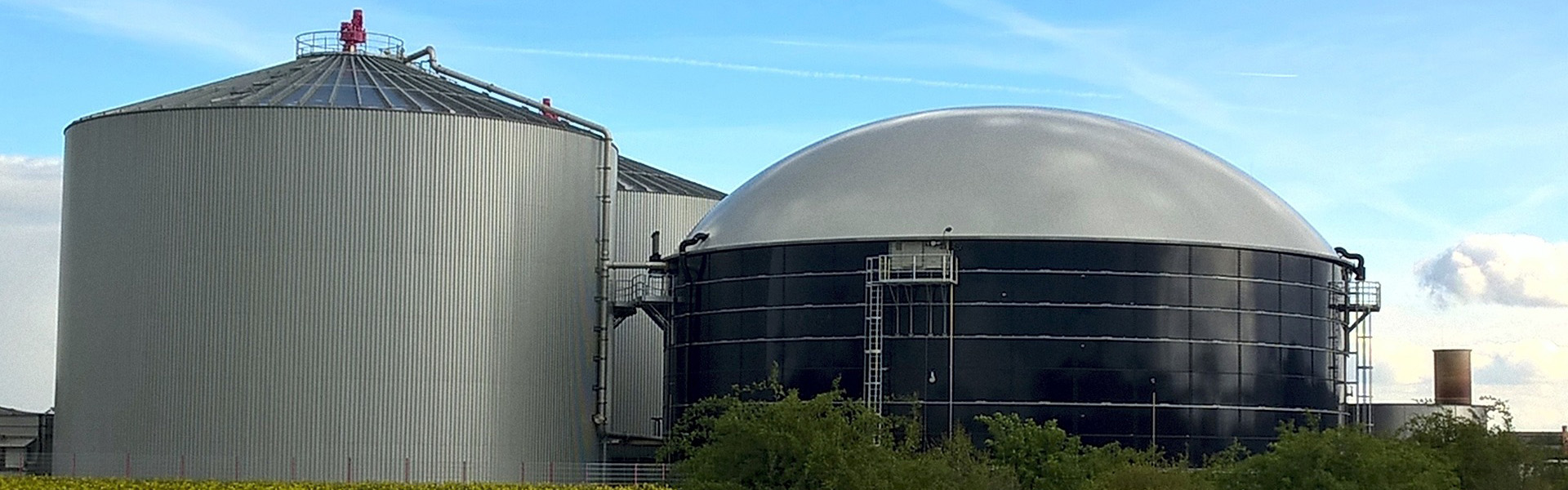
A modular biogas plant is a pre-engineered system manufactured in standardized sections or modules. These modules are assembled on-site to create a complete anaerobic digestion facility. The core concept is prefabrication and scalability.
This design contrasts with traditional concrete tank systems built entirely in place. A modular biogas plant typically includes all necessary components for digestion, gas storage, and initial processing. It is a integrated solution for biogas production.
Factory-built modules ensure consistent quality control.
Significantly reduced on-site construction time.
Easier to permit and install in various locations.
Core Advantages of a Modular Biogas Plant
Choosing a modular biogas plant presents several operational and financial benefits. The primary advantage is reduced risk and lower initial capital commitment. Projects can start smaller and expand as feedstock availability or budget increases.
For investors and operators in the international biogas upgrading equipment manufacturing chain, this modularity mitigates project risk. It also allows for quicker deployment and a faster return on investment compared to conventional plants.
Scalability: Capacity can be increased by adding more digestion or processing modules.
Cost Predictability: Factory production controls costs better than variable on-site construction.
Flexibility: Can be relocated if necessary, protecting long-term asset value.
Technical Integration: Easier to incorporate the latest pre-treatment or control technologies.
Key Components and Design of a Modular System
The design of a modular biogas plant is centered around functional units. Each module serves a specific purpose in the biogas production chain. Common materials include coated steel, reinforced plastics, and composite materials for durability and corrosion resistance.
A standard modular biogas plant configuration includes several key units. These work together to efficiently process organic feedstock into biogas and digestate.
Reception and Pre-treatment Module: For feedstock storage, shredding, and pasteurization.
Digester Module(s): Insulated, heated tanks where anaerobic digestion occurs.
Gas Holder and Cleaning Module: Stores biogas and removes impurities like H2S and moisture.
Control & Automation Module: Houses the PLC system for monitoring temperature, pH, and gas production.
Digestate Storage Module: Holds the nutrient-rich byproduct for use as fertilizer.
Applications in International Biogas Upgrading Projects
Within international biogas upgrading equipment manufacturing, the modular biogas plant often serves as the vital first stage. It produces the raw biogas that is then purified into biomethane. Its applications are diverse across different scales and sectors.
This flexibility makes the modular biogas plant ideal for both developed and emerging markets. It can be tailored to handle specific regional feedstocks and energy needs, supporting decentralized energy production.
Agricultural Sector: Ideal for farms, cooperatives, and agro-industrial processors managing manure and crop residues.
Food & Beverage Industry: Manages organic waste from production facilities, reducing disposal costs and generating on-site energy.
Municipal Wastewater Treatment: Modular units can augment existing sludge digestion capacity efficiently.
Community and Remote Projects: Provides energy security for off-grid communities or small districts.
Installation, Commissioning, and Maintenance
Installing a modular biogas plant is a streamlined process. Site preparation involves creating a level foundation with utility connections. The pre-built modules are then delivered and connected according to engineering plans.
Commissioning involves testing each system module individually and as a whole. Maintenance is simplified because components are accessible and often standardized. This approach minimizes operational downtime and service costs over the plant's lifespan.
Foundation work is less intensive than for large concrete structures.
Module connections are designed for precision and leak prevention.
Predictive maintenance is easier with integrated sensor data from the control module.
Worn or outdated modules can be replaced without shutting down the entire system.
The Future Outlook for Modular Biogas Technology
The future for modular biogas plant technology is closely tied to smart manufacturing and digitalization. Expect further integration of IoT sensors and AI for process optimization. These advancements will push efficiency and biogas yields even higher.
In international biogas upgrading equipment manufacturing, standardization of module interfaces will be key. This will allow for easier mixing of components from different specialized suppliers, fostering innovation and competition.
Development of "plug-and-play" modules for specific feedstock types.
Greater use of data analytics for remote operation and troubleshooting.
Designs focusing on circular economy principles, using recycled materials.
Hybrid energy modules that combine biogas production with solar or wind input.
The modular biogas plant represents a significant evolution in bioenergy infrastructure. Its adaptability, cost-effectiveness, and rapid deployment capability make it a crucial tool for the international biogas upgrading equipment manufacturing industry. As the demand for renewable gas grows, these systems will play an expanding role in the global energy mix.
Frequently Asked Questions (FAQs)
Q1: What is the typical payback period for a modular biogas plant?
A1: The payback period varies based on scale, feedstock costs, and energy prices. Generally, a well-run modular biogas plant can see a return on investment in 4 to 7 years. Factors like government incentives for renewable energy can shorten this period.
Q2: How scalable is a modular biogas plant after initial installation?
A2: High scalability is a main feature. You can start with a single digester module and later add parallel digester modules, larger gas storage, or additional pre-treatment units. The system's design should anticipate this future expansion from the start.
Q3: What kind of maintenance does a modular biogas plant require?
A3: Maintenance is routine and modular. It includes checking and cleaning pumps, agitators, and sensors; inspecting seals and gas lines; and managing the biological process. Individual modules can often be serviced or swapped without a full plant shutdown.
Q4: Is a modular biogas plant suitable for cold climate regions?
A4: Yes. Modular biogas plants are designed with insulated walls and integrated heating systems within the digester modules. This allows them to maintain optimal mesophilic or thermophilic temperatures efficiently, even in colder environments.
Q5: Can the biogas from a modular plant be used directly for electricity generation?
A5: Absolutely. The biogas produced can fuel a combined heat and power (CHP) unit to generate electricity and heat. For higher-value applications like vehicle fuel or grid injection, the raw biogas must be upgraded to biomethane using additional purification equipment.