


News
We'll get back to you as soon as possible.
Modular Anaerobic Digester: Benefits, Design, and Applications in Biogas Systems
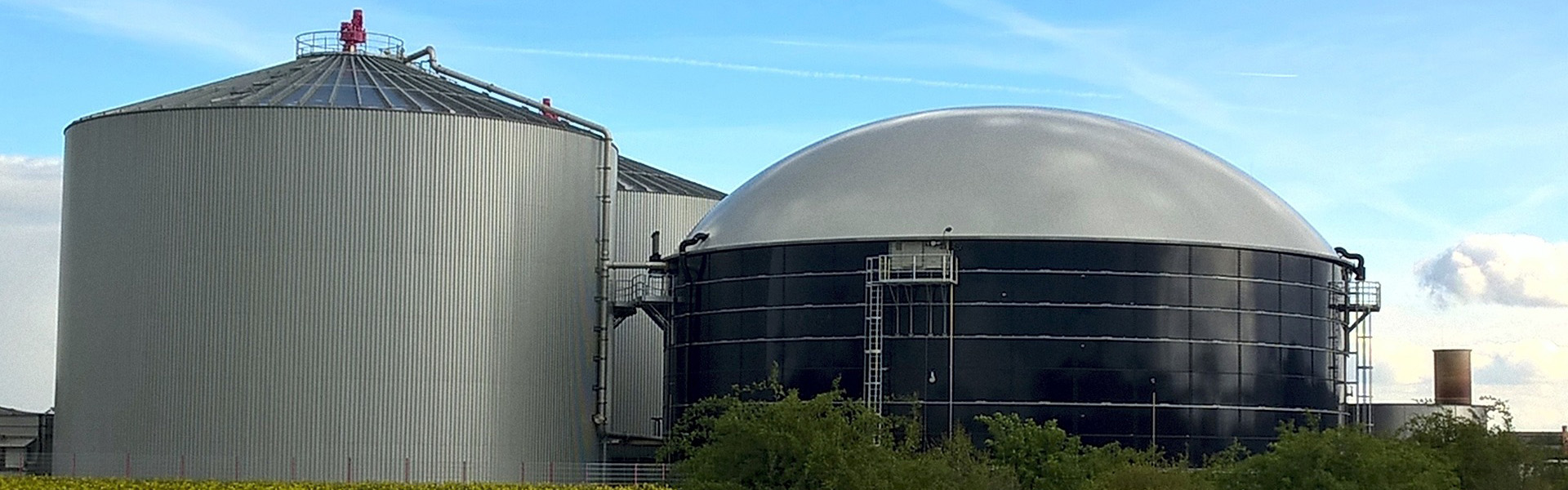
In the international biogas upgrading equipment manufacturing sector, the modular anaerobic digester has become a key solution for sustainable energy production. This system offers flexibility and efficiency in converting organic waste into biogas. As demand for renewable energy grows, these digesters provide a scalable approach to meet diverse needs. This article covers the essential aspects of modular anaerobic digester technology.
What is a Modular Anaerobic Digester?
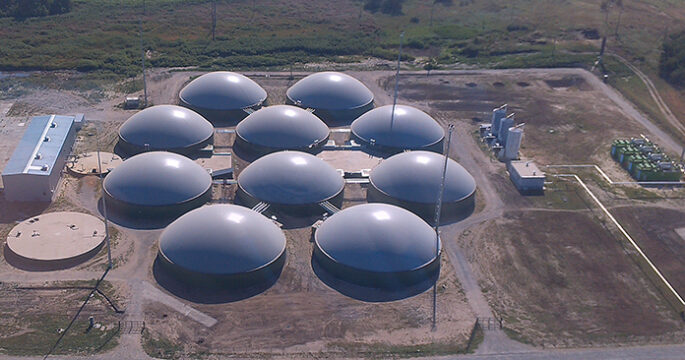
A modular anaerobic digester is a prefabricated system designed for anaerobic digestion. It breaks down organic matter in the absence of oxygen to produce biogas. These units are built in sections for easy transport and assembly. They are commonly used in agricultural, industrial, and municipal settings.
Key features include standardized components and modular construction. This allows for quick deployment and customization. The modular anaerobic digester can be expanded as needed, making it cost-effective. It supports circular economy goals by turning waste into energy.
Prefabricated design reduces installation time.
Scalable modules adapt to varying feedstock volumes.
Integrated controls for efficient operation.
Benefits of Using a Modular Anaerobic Digester
Modular anaerobic digesters offer numerous advantages over traditional systems. They are ideal for projects with space or budget constraints. Benefits include reduced capital costs and lower environmental impact. The modular design also enhances reliability and ease of maintenance.
In international biogas upgrading equipment manufacturing, these digesters improve energy recovery rates. They support decentralized energy production, reducing reliance on fossil fuels. Operators can start small and expand gradually, minimizing risk. A modular anaerobic digester often includes advanced monitoring for optimal performance.
Lower upfront investment compared to built-in-place digesters.
Flexible siting options due to compact size.
Enhanced biogas yield through optimized digestion processes.
Reduced operational downtime with modular replacements.
Design and Components of a Modular Anaerobic Digester
The design of a modular anaerobic digester focuses on efficiency and durability. Core components include digestion tanks, gas storage, and heating systems. Modules are typically made from corrosion-resistant materials like stainless steel or reinforced plastics. This ensures longevity in harsh environments.
Each module is engineered for specific functions, such as feedstock pretreatment or biogas cleaning. Integration with biogas upgrading equipment is seamless, allowing for high-purity methane production. The modular anaerobic digester often features plug-and-play connections for quick setup. Automated controls manage temperature, pH, and retention time.
Digestion tanks with insulated walls for temperature control.
Gas holders to store produced biogas safely.
Mixing systems to ensure uniform feedstock breakdown.
Monitoring sensors for real-time data collection.
Applications in Biogas Upgrading Equipment Manufacturing
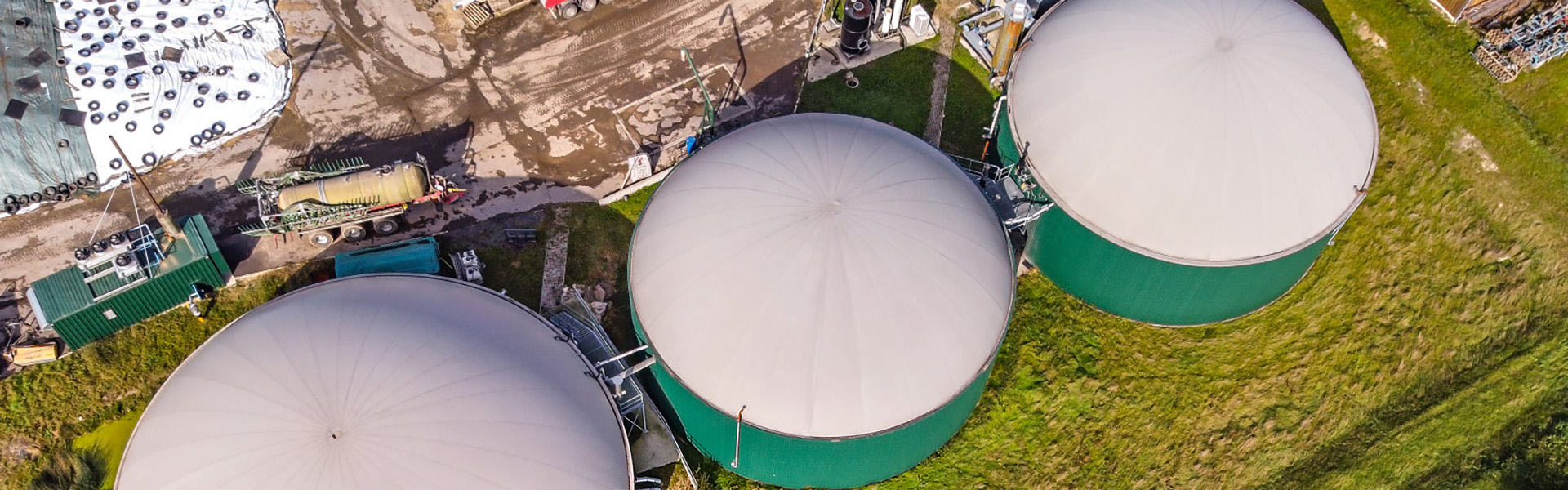
In the international biogas upgrading equipment manufacturing field, the modular anaerobic digester plays a crucial role. It serves as a core unit for biogas production before upgrading processes. Applications range from farm-based digesters to large-scale industrial plants. These systems are compatible with various upgrading technologies like membrane separation or water scrubbing.
Manufacturers integrate modular digesters into turnkey solutions for clients worldwide. This supports global efforts to reduce greenhouse gas emissions. The modular anaerobic digester enables efficient feedstock processing, enhancing biogas quality for grid injection or vehicle fuel. Case studies show success in Europe, Asia, and North America.
Agricultural waste management on farms and cooperatives.
Municipal wastewater treatment plants for sludge digestion.
Industrial food processing facilities to handle organic byproducts.
Remote communities seeking off-grid energy solutions.
Installation and Maintenance of Modular Systems
Installing a modular anaerobic digester is straightforward due to its prefabricated nature. Site preparation involves level ground and utility connections. Modules are delivered and assembled on-site, reducing construction time. This minimizes disruption to existing operations.
Maintenance is simplified with accessible components and modular replacements. Regular checks include inspecting seals, pumps, and sensors. The modular anaerobic digester design allows for easy troubleshooting and upgrades. Proper maintenance ensures long-term efficiency and biogas output.
Pre-installation site assessment for optimal placement.
Step-by-step assembly following manufacturer guidelines.
Routine cleaning of tanks and pipelines to prevent blockages.
Software updates for control systems to improve performance.
Future Trends in Modular Anaerobic Digester Technology
The future of modular anaerobic digester systems looks promising with ongoing innovations. Advances in material science may lead to lighter, more durable modules. Smart technology integration will enhance automation and remote monitoring. Research focuses on improving feedstock flexibility and biogas yields.
In international biogas upgrading equipment manufacturing, trends include hybrid systems combining digestion with other renewable sources. The modular anaerobic digester is expected to become more affordable and widespread. This will support global sustainability targets and energy independence.
Development of AI-driven optimization for digestion processes.
Increased use of biodegradable materials in module construction.
Expansion into emerging markets with supportive policies.
Collaboration between manufacturers for standardized designs.
The modular anaerobic digester is a transformative tool in the international biogas upgrading equipment manufacturing industry. It offers scalable, efficient solutions for biogas production from organic waste. As technology evolves, these systems will continue to support renewable energy adoption. Investing in a modular anaerobic digester can lead to economic and environmental benefits for various sectors.
Frequently Asked Questions (FAQs)
Q1: What is the typical lifespan of a modular anaerobic digester?
A1: A well-maintained modular anaerobic digester can last 15 to 20 years. Regular upkeep and component replacements extend its operational life. Materials like stainless steel resist corrosion, ensuring durability.
Q2: How does a modular anaerobic digester handle different types of feedstock?
A2: Modular anaerobic digesters are designed to process various feedstocks, including agricultural waste, food scraps, and sewage. Adjustable parameters like retention time and temperature allow customization. Pretreatment modules can be added for challenging materials.
Q3: Can a modular anaerobic digester be integrated with existing biogas plants?
A3: Yes, a modular anaerobic digester can often be integrated into existing biogas infrastructure. Its modular design allows for seamless connections to upgrading equipment or additional digestion units. This enhances capacity without major overhauls.
Q4: What are the energy outputs from a modular anaerobic digester?
A4: Energy outputs depend on feedstock type and system size. A typical modular anaerobic digester can produce 50 to 500 kWh of biogas per ton of organic waste. This biogas can be used for electricity, heat, or upgraded to renewable natural gas.
Q5: How does the cost of a modular anaerobic digester compare to traditional systems?
A5: Modular anaerobic digesters generally have lower upfront costs due to standardized production. Installation expenses are reduced with quicker setup. Over time, operational savings from efficiency and maintenance ease make them cost-competitive with traditional digesters.