


News
We'll get back to you as soon as possible.
Why a Modular Biogas Plant is Transforming Biogas Upgrading Equipment Manufacturing
The global demand for renewable energy is rising fast. Biogas upgrading has become a key process for turning organic waste into valuable biomethane. In this context, the modular biogas plant is emerging as a game-changer. Unlike traditional large-scale installations, a modular biogas plant offers flexibility, scalability, and lower upfront costs. Manufacturers in the biogas upgrading equipment sector are now shifting their focus toward modular designs. This article explains why this shift matters and how a modular biogas plant can fit different project scales.
What Makes a Modular Biogas Plant Different?
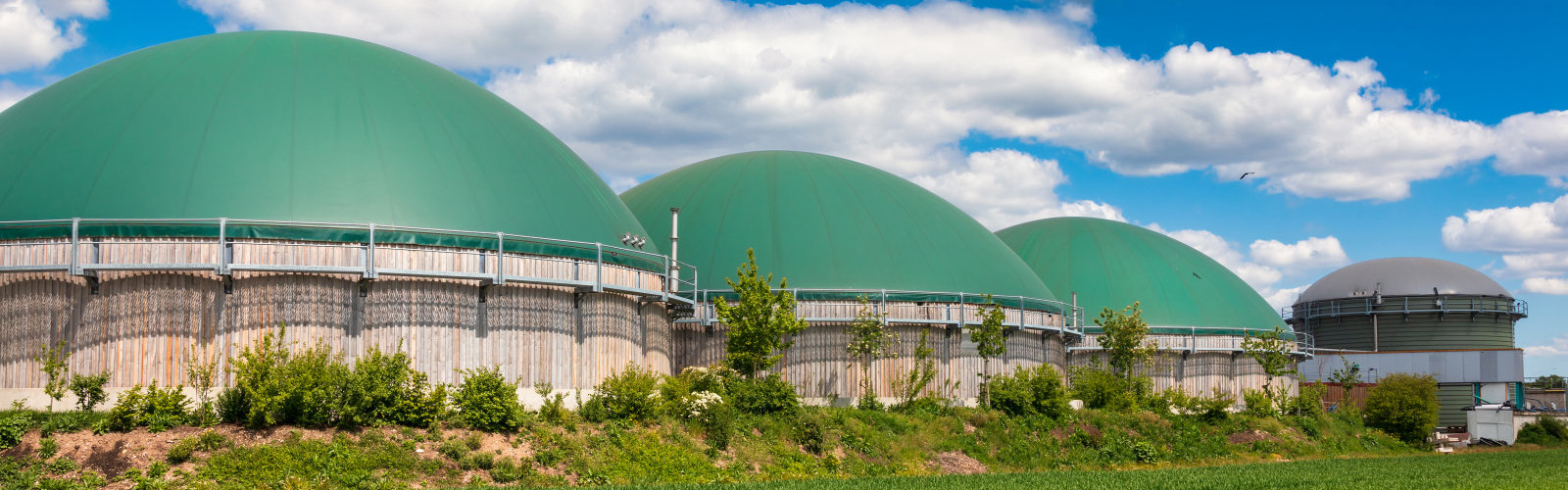
A modular biogas plant is built from pre-engineered, factory-tested modules. These modules can be shipped and assembled on site. Traditional plants are custom-built from scratch, which takes months or even years. With a modular biogas plant, you get standardized components that work together seamlessly.
This approach reduces engineering complexity. It also lowers installation time by up to 50%. For biogas upgrading equipment manufacturers, this means faster delivery and happier customers. Many companies now offer modular biogas plant solutions for farms, landfills, and industrial waste treatment.
Key Components of a Modular Biogas Plant
Every modular biogas plant includes several core elements. First, there is the anaerobic digester, where bacteria break down organic matter. Second, a gas cleaning module removes hydrogen sulfide and moisture. Third, a biogas upgrading unit separates methane from carbon dioxide. Fourth, a compression or injection module prepares biomethane for grid entry or vehicle use.
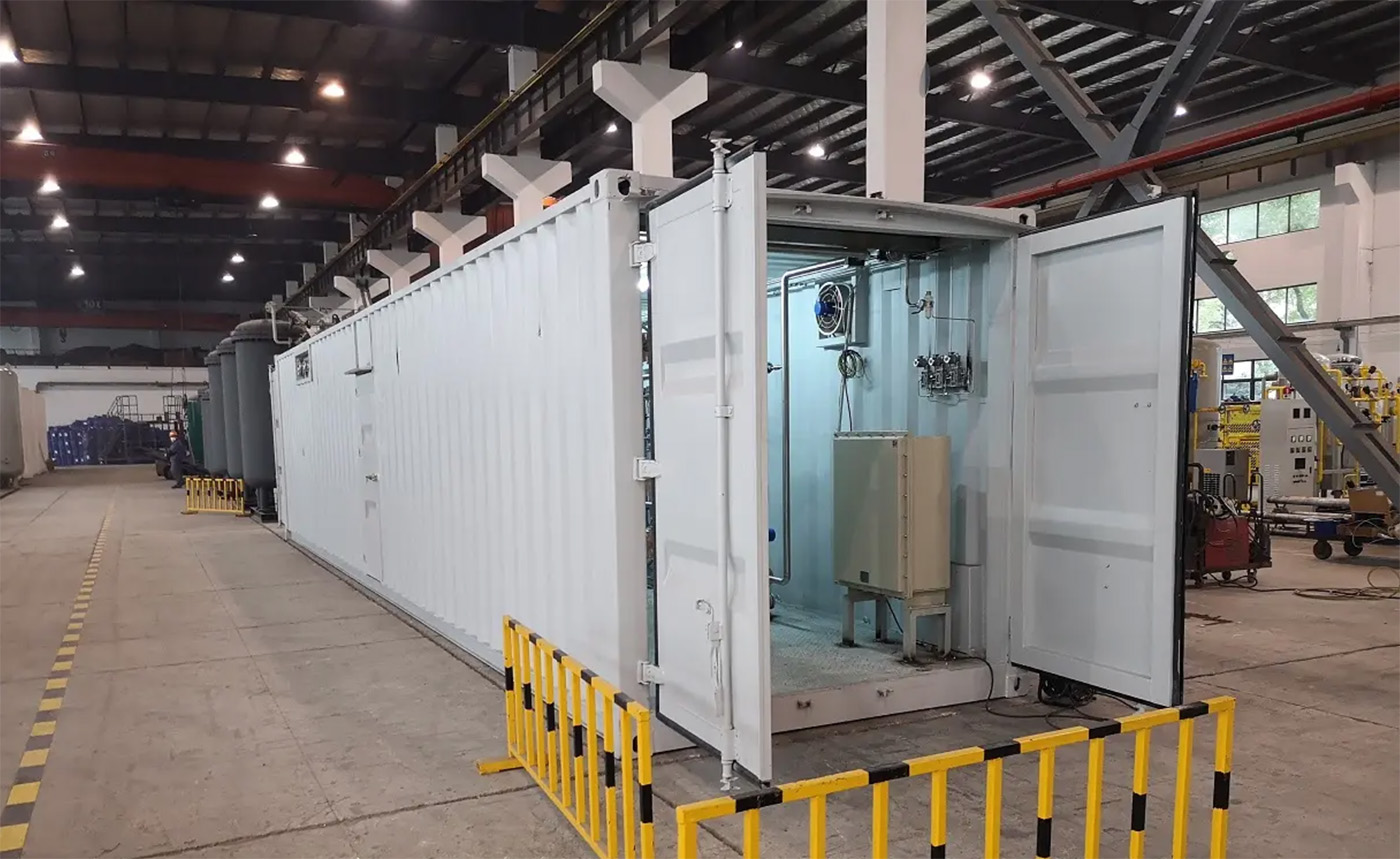
All these parts are designed to fit into standard shipping containers or skids. This makes a modular biogas plant easy to transport. You can add or remove modules as your feedstock supply changes. Manufacturers in Europe and North America have perfected these components for maximum efficiency.
Cost Advantages of a Modular Biogas Plant
Building a traditional biogas upgrading facility often requires millions in capital. A modular biogas plant lowers the entry barrier. Because modules are mass-produced, unit costs drop. You also save on civil works. Most modules sit on simple concrete pads, not complex foundations.
Maintenance costs are lower too. If one module fails, you replace just that unit. Production continues with the remaining modules. This redundancy is a major selling point. For a small farm or a food processing plant, a modular biogas plant can pay for itself in three to five years.
Scalability: Start Small, Grow Big
One of the smartest features of a modular biogas plant is scalability. You can begin with a single module that processes 50 cubic meters of biogas per hour. Later, as waste volumes increase, you add more modules. This “pay-as-you-grow” model avoids over-investment.
Many biogas upgrading equipment manufacturers now offer modular lines from 50 Nm³/h to 500 Nm³/h. A modular biogas plant can even reach 2000 Nm³/h by linking multiple units. This flexibility is ideal for municipalities and industries with uncertain future growth.
Faster Permitting and Installation
Permitting a traditional biogas plant can take 12 to 18 months. A modular biogas plant often faces shorter approval times. Why? Because modules are pre-certified to local standards. The environmental impact is smaller since most work happens off-site.
Installation of a modular biogas plant typically takes four to eight weeks. Compare that to nine months for a stick-built facility. Speed matters when you have organic waste that needs daily treatment. Faster commissioning means you start earning carbon credits and energy revenues sooner.
Better Quality Control from Factory-Built Modules
When you buy a modular biogas plant, the modules come from a controlled factory environment. Welding, piping, and electrical wiring are tested before shipping. Field errors become rare. Traditional construction suffers from weather delays and variable workmanship.
Biogas upgrading equipment manufacturers that embrace modular construction report 30% fewer warranty claims. A modular biogas plant also comes with a complete digital twin. This helps operators simulate performance and plan maintenance. Quality control is no longer a guessing game.
Real-World Applications of a Modular Biogas Plant
Dairy farms in Germany use a modular biogas plant to convert manure into vehicle fuel. Food waste recyclers in California deploy a modular biogas plant to power garbage trucks. In India, small-scale modular biogas plant units serve remote villages.
Even wastewater treatment plants are switching. A modular biogas plant can be added to an existing facility without major shutdowns. For industrial parks, multiple modules can share a common gas grid. The versatility is unmatched.
Challenges and How Manufacturers Solve Them
No technology is perfect. A modular biogas plant requires good access for module delivery. Remote sites may need road improvements. Also, not all local utilities accept biomethane injection from modular units.
However, biogas upgrading equipment manufacturers are solving these issues. They provide mobile skids that fit on flatbed trucks. They also offer off-grid solutions with generators. Some manufacturers include gas flaring modules for times when injection is not possible. A well-designed modular biogas plant anticipates these hurdles.
The Future of Modular Biogas Plants in Global Markets
The International Energy Agency predicts biogas will supply 5% of global gas demand by 2030. To meet this, we need rapid deployment. A modular biogas plant is the obvious answer. China and Brazil are already adopting modular policies.
European manufacturers are leading the way with plug-and-play modular biogas plant designs. These include remote monitoring and AI-driven process optimization. As carbon prices rise, the economic case for a modular biogas plant will only strengthen.
From cost savings to fast installation, the advantages are clear. A modular biogas plant offers a practical path for anyone looking to upgrade biogas. Whether you run a farm, a factory, or a municipal utility, modular systems reduce risk. Biogas upgrading equipment manufacturers have refined these solutions over the past decade. If you are planning a new project, consider a modular biogas plant first. It might be the smartest energy decision you make this year.
Frequently Asked Questions (FAQ)
Q1:
What exactly is a modular biogas plant?
A1:
A modular biogas plant is a
pre-engineered, factory-assembled system that upgrades raw biogas to biomethane.
It consists of standardized modules (digester, cleaning, upgrading, compression)
that can be combined on site. Unlike custom-built plants, a modular
biogas plant ships in containers or skids for rapid
deployment.
Q2:
How does a modular biogas plant differ from a conventional
plant?
A2: Conventional plants are designed and built from
scratch for each location. This takes 12–24 months. A modular
biogas plant uses repeatable modules that are tested
in a factory. Installation takes weeks, not months. Also, a modular
biogas plant allows easy expansion by adding more
modules, while conventional plants are fixed in capacity.
Q3:
Is a modular biogas plant suitable for small farms?
A3: Yes.
Many manufacturers offer mini modular biogas
plant units starting at 20 Nm³/h of raw biogas. These
fit on a single skid and cost under $200,000. A small dairy or pig farm can use
a modular biogas plant to turn manure
into heat or electricity. The payback period is often 3–5 years.
Q4:
What maintenance does a modular biogas plant require?
A4:
Routine maintenance includes checking oil levels in compressors, cleaning gas
filters every 500 hours, and calibrating methane sensors monthly. Because
a modular biogas plant has
interchangeable parts, you can keep spare modules on hand. Downtime is
minimal—swap a faulty module in under two hours.
Q5:
Can a modular biogas plant be moved to another site?
A5:
Absolutely. Mobility is a core benefit. A modular biogas
plant can be disassembled, loaded onto trucks, and
reinstalled elsewhere. This is useful for temporary projects like landfill gas
capture or construction waste treatment. Some rental companies
offer modular biogas plant units on
lease.
Q6:
What gas purity can a modular biogas plant achieve?
A6:
Modern modular biogas plant designs reach
98% methane purity after upgrading. This meets European and US grid injection
standards (EN 16723 and ASTM D5453). Membrane or water-scrubbing modules inside
a modular biogas plant remove CO₂, H₂S,
and siloxanes effectively.
Q7:
How does the cost per cubic meter compare to traditional
plants?
A7: For capacities under 300 Nm³/h,
a modular biogas plant is 20–35% cheaper
on a levelized cost basis. Above 500 Nm³/h, conventional plants become slightly
more economical. However, if you value speed and flexibility,
a modular biogas plant remains
competitive even at larger scales.
Q8:
Do I need special training to operate a modular biogas
plant?
A8: Most modular biogas
plant systems come with touchscreen PLC controls and
remote support. Basic training takes two days. Manufacturers offer online
courses. Because a modular biogas
plant automates many steps (pH control, gas analysis),
one operator can manage three to four units simultaneously.