


News
We'll get back to you as soon as possible.
Why a Modular Anaerobic Digester is Changing Biogas Upgrading Equipment Manufacturing
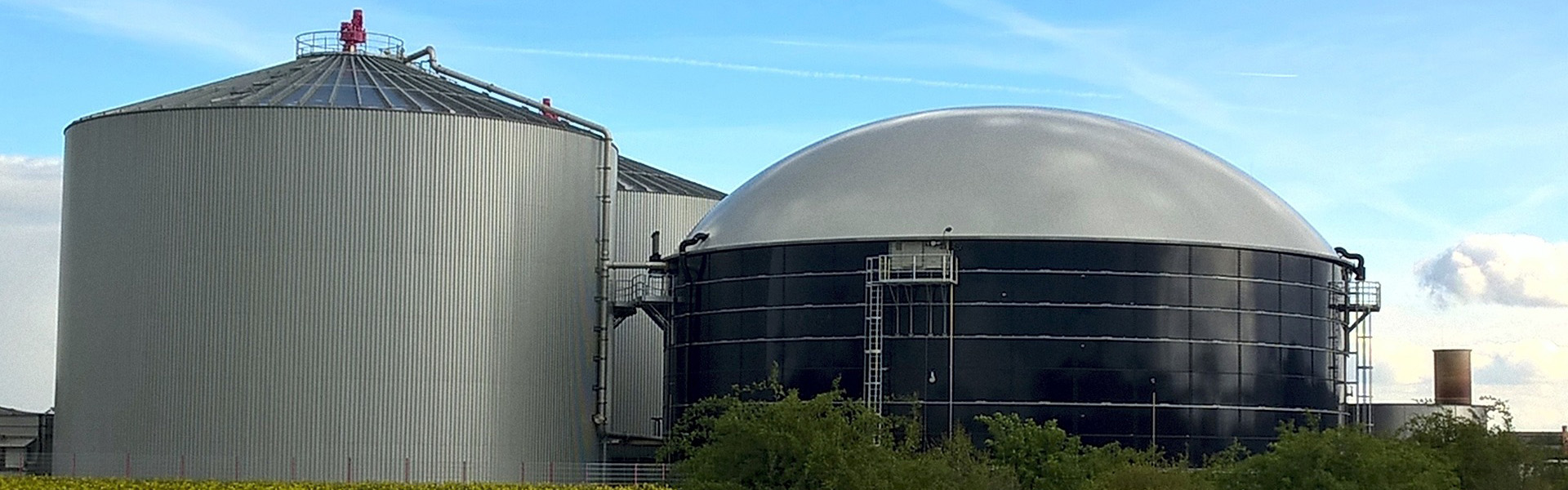
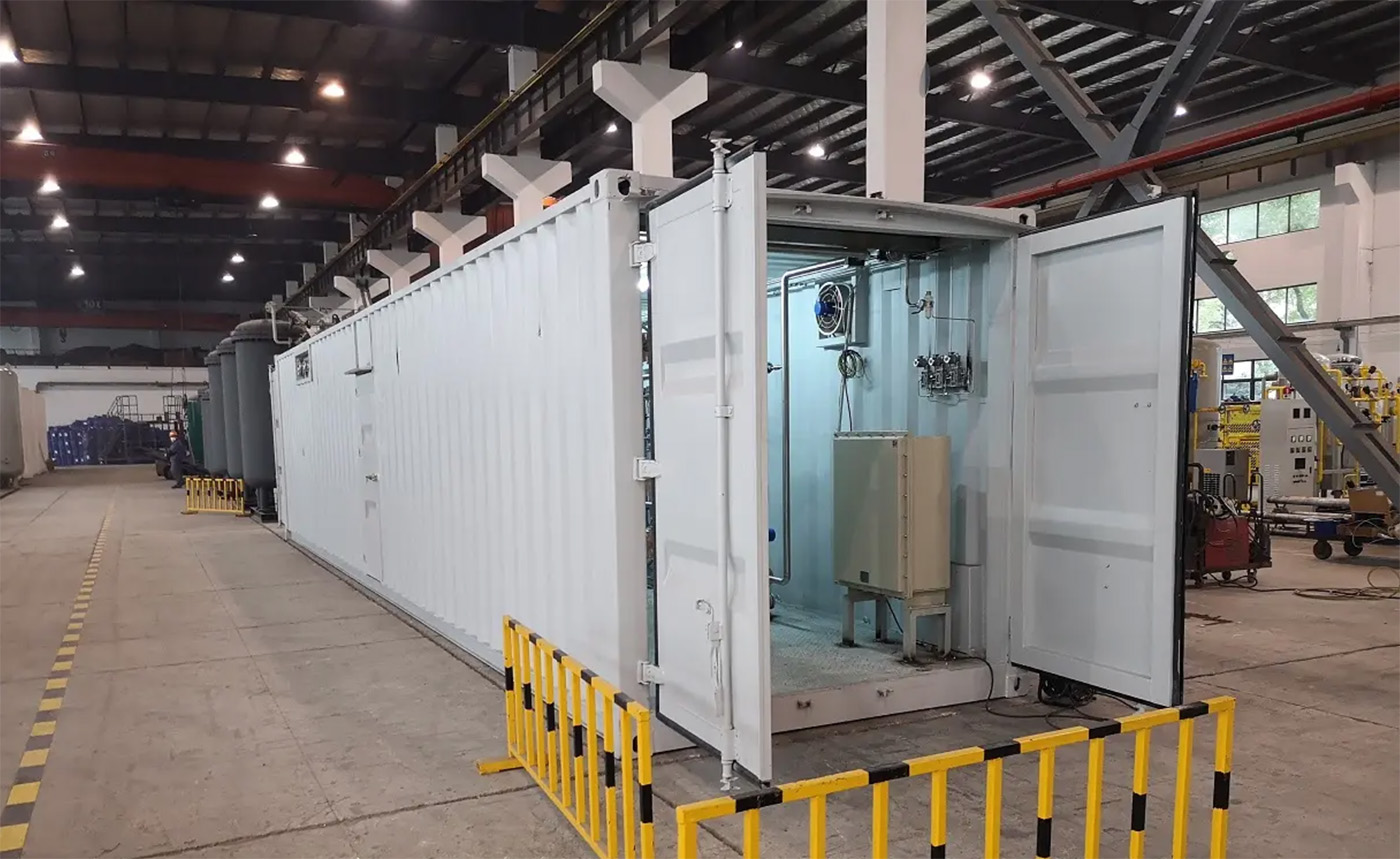
Biogas upgrading starts with one critical step: anaerobic digestion. For decades, operators built large concrete tanks on site. That approach is slow and expensive. Today, the modular anaerobic digester offers a smarter alternative. This pre-fabricated, scalable system fits into standard shipping containers or skids. Manufacturers of biogas upgrading equipment now prioritize the modular anaerobic digester because it cuts costs and installation time. If you work with organic waste, this technology deserves your attention.
What Exactly is a Modular Anaerobic Digester?
A modular anaerobic digester is a factory-built tank system where bacteria break down organic matter without oxygen. Unlike traditional digesters, this one comes in standardized modules. Each module handles a specific volume of feedstock. You can link several modules together.
The modular anaerobic digester includes mixing, heating, and gas collection systems. All components are tested before shipping. Once on site, assembly takes days, not months. For biogas upgrading equipment manufacturers, the modular anaerobic digester simplifies the entire upstream process.
How a Modular Anaerobic Digester Fits into Biogas Upgrading
Raw biogas from a digester contains methane, CO2, and impurities. Upgrading equipment cleans this gas to biomethane. But without a reliable digester, upgrading is impossible. The modular anaerobic digester delivers consistent gas quality.
Its controlled environment keeps temperature and pH stable. This means the biogas has fewer contaminants. Upgrading modules downstream work more efficiently. Many biogas upgrading equipment providers now bundle a modular anaerobic digester with their gas treatment skids. That integration saves engineering headaches.
Key Components of a Modular Anaerobic Digester
Every modular anaerobic digester includes several core parts. First, an insulated tank with a double-membrane roof. Second, an internal heating system to maintain mesophilic or thermophilic conditions. Third, a mixing mechanism—usually mechanical or hydraulic. Fourth, a feeding and discharge system for continuous operation.
These components are arranged inside a steel frame. A modular anaerobic digester can be as small as 10 cubic meters or as large as 500 cubic meters per module. You choose the size based on your daily waste volume. Manufacturers in Germany, the US, and China offer standard designs.
Why Choose a Modular Anaerobic Digester Over Traditional Concrete Digesters?
Traditional digesters require excavation, rebar, and concrete pouring. That work is weather-dependent and labor-intensive. A modular anaerobic digester arrives on a flatbed truck. You need only a level concrete pad.
Installation of a modular anaerobic digester takes one to two weeks. A concrete digester takes six months. Also, a modular anaerobic digester can be relocated. If your farm or factory moves, you take the digester with you. Try doing that with a concrete tank.
Cost Savings with a Modular Anaerobic Digester
Upfront capital is lower with a modular anaerobic digester. Mass production of steel tanks reduces material costs. You also avoid expensive civil engineering. One dairy operator in Wisconsin saved $150,000 by choosing a modular anaerobic digester over a cast-in-place design.
Operating costs are predictable. A modular anaerobic digester uses less energy for mixing because of efficient impeller designs. Maintenance is easier too. Each module has access ports and removable panels. If a pump fails, you replace it in hours, not days.
Scalability: Start Small, Add Modules Later
The best feature of a modular anaerobic digester is scalability. You can begin with one module processing 5 tons of food waste per day. As your business grows, add a second or third module.
This “pay-as-you-grow” model protects your cash flow. A modular anaerobic digester avoids the overbuilding trap. Many municipal waste facilities use this approach. They start with a modular anaerobic digester for pilot testing, then expand after proving the business case.
Faster Permitting and Compliance
Permitting a traditional digester often requires months of environmental reviews. A modular anaerobic digester faces shorter timelines. Why? Because the design is pre-certified. Factory testing proves leak-proof construction and emissions control.
Local authorities recognize that a modular anaerobic digester has a smaller footprint. Noise and odor are contained within the modules. Some jurisdictions offer expedited permits for modular systems. That means you start generating biogas revenue sooner.
Quality Control: Built in a Factory, Not a Field
Field construction suffers from rain, cold, and worker variability. A modular anaerobic digester is welded and tested in a climate-controlled factory. Every weld is inspected. Every sensor is calibrated.
After assembly at the factory, the modular anaerobic digester runs a 72-hour wet test. Only then is it disassembled for shipping. This process catches defects early. Biogas upgrading equipment manufacturers report 40% fewer field issues with modular digesters compared to stick-built ones.
Real-World Examples of a Modular Anaerobic Digester in Action
A poultry farm in the Netherlands installed a modular anaerobic digester to process 20 tons of manure daily. The biogas feeds a combined heat and power unit. The farmer saves €30,000 per year on electricity.
In California, a food recycling company uses three modular anaerobic digester units in parallel. Each handles different waste streams—fats, vegetables, and bakery leftovers. The biogas is upgraded to renewable natural gas for trucks.
Even wastewater plants are adopting the modular anaerobic digester. One plant in Texas added a modular anaerobic digester to treat sludge from an overloaded conventional tank. The modular unit reduced hauling costs by 70%.
Challenges and How Manufacturers Overcome Them
A modular anaerobic digester requires access for delivery trucks. Remote sites may need temporary road improvements. Also, not all feedstocks work in standard modules. High-sulfur materials like some industrial wastes require special linings.
Manufacturers solve these issues. They offer mobile crane lifts for tight spaces. For aggressive feedstocks, a modular anaerobic digester can be ordered with stainless steel internals. Some companies provide rental modules for testing different waste types before purchase.
Comparing a Modular Anaerobic Digester to Other Digester Types
There are three main digester types: concrete, steel field-welded, and modular. Concrete is cheapest per cubic meter for very large plants (>5,000 m³). Steel field-welded is medium cost but requires skilled labor on site.
The modular anaerobic digester sits between them. For capacities under 1,500 m³, modular wins on total cost and speed. For pilot projects, a modular anaerobic digester is the only sensible choice. You can resell or move a modular unit. Field-welded steel tanks are permanent.
The Future of Modular Anaerobic Digesters in Global Markets
The global anaerobic digestion market is growing at 9% per year. Developing countries need low-cost, fast-deployable solutions. A modular anaerobic digester fits perfectly. India and Kenya are already importing modular units for village-scale biogas.
European manufacturers are adding IoT sensors to every modular anaerobic digester. These sensors track pH, temperature, and gas composition remotely. Predictive maintenance alerts arrive on your phone. As carbon credits become more valuable, the modular anaerobic digester will dominate small to mid-scale projects.
Switching to a modular anaerobic digester makes financial and operational sense. You get faster installation, lower costs, and the ability to expand later. Biogas upgrading equipment manufacturers increasingly rely on modular digesters as the front end of their systems. Whether you run a farm, a landfill, or a food plant, consider a modular anaerobic digester for your next project. It is a proven technology that delivers real returns.
Frequently Asked Questions (FAQ)
Q1:
What is the typical lifespan of a modular anaerobic
digester?
A1: A well-maintained modular anaerobic
digester lasts 15 to 20 years. The steel tanks have
corrosion-resistant coatings. Internal components like mixers and heat
exchangers may need replacement after 8–10 years. Because a modular
anaerobic digester uses replaceable modules, you can
swap old units without rebuilding the whole system.
Q2:
Can a modular anaerobic digester handle mixed food waste and manure
together?
A2: Yes. Most modular anaerobic
digester designs accept co-digestion. You can mix food
waste, manure, crop residues, and even fats. However, you need a feeding system
that blends materials evenly. Manufacturers offer pre-mix tanks that feed into
the modular anaerobic digester. Co-digestion often
increases biogas yield by 30% or more.
Q3:
How much space do I need for a modular anaerobic digester?
A3: A
single modular anaerobic digester (50 m³
capacity) requires about 30 square meters of level ground. You also need space
for a control panel, gas holder, and feedstock storage. For a complete setup
with two modules, plan on 100 square meters. The modular anaerobic
digester footprint is much smaller than a concrete
tank of equal volume.
Q4:
Is a modular anaerobic digester suitable for cold climates?
A4:
Absolutely. A modular anaerobic
digester comes with insulated walls and a heating
system. You can choose a mesophilic (35–40°C) or thermophilic (50–55°C) design.
The heating loop uses hot water from a boiler or waste heat from a generator.
Even in Canadian winters, a modular anaerobic
digester maintains stable temperatures.
Double-membrane roofs also prevent heat loss.
Q5:
What permits do I need for a modular anaerobic digester?
A5:
Requirements vary by location. Generally, you need a building permit for the
concrete pad. Environmental permits may apply if you process animal manure or
commercial waste. Because a modular anaerobic
digester is a certified system, many agencies offer
streamlined reviews. Some manufacturers provide permit assistance. Always check
local zoning for noise and odor regulations.
Q6:
How much biogas can a modular anaerobic digester produce per
day?
A6: Production depends on feedstock. One ton of food waste
yields about 100–150 m³ of biogas. A modular anaerobic
digester with a 50 m³ tank processing 5 tons per day
can produce 500–750 m³ of raw biogas daily. That is enough to generate 1,000 kWh
of electricity or fuel three trucks. You can link multiple modular
anaerobic digester units to scale output
linearly.
Q7:
Can I monitor a modular anaerobic digester remotely?
A7: Yes.
Modern modular anaerobic digester systems
include a PLC with internet connectivity. You get real-time data on pH,
temperature, biogas flow, and methane content. Alerts go to your phone if
anything drifts. Some manufacturers offer cloud dashboards. Remote monitoring of
a modular anaerobic digester reduces
onsite labor and catches problems early.
Q8:
What maintenance does a modular anaerobic digester need
weekly?
A8: Weekly tasks include checking the feeding pump
strainers, inspecting the gas line for condensate, and recording temperature.
Every month, you should sample the digestate for pH and volatile fatty acids.
A modular anaerobic digester has fewer
moving parts than a concrete digester. Most operators spend two hours per week
on maintenance for each module. Annual professional inspection is
recommended.