


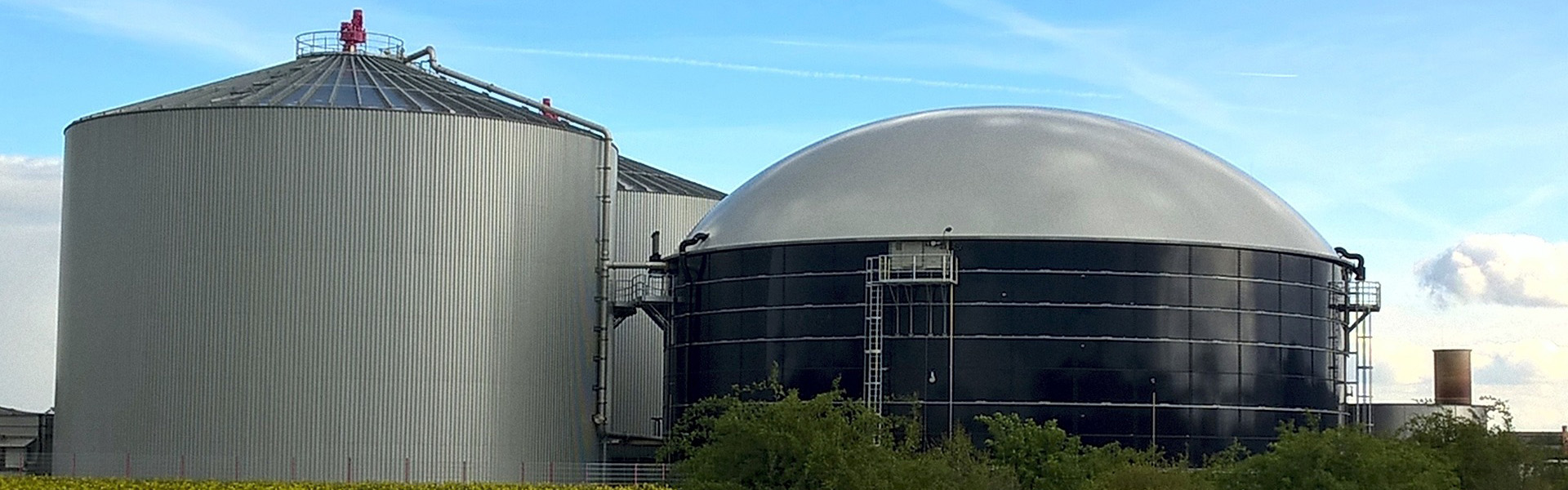
Manure Biogas Plant: How to Turn Farm Waste into Reliable Biomethane
Farms produce manure every single day. Storing it in lagoons or spreading it raw creates methane emissions, odors, and water pollution risks. But that same manure holds energy. A well-designed manure biogas plant captures methane before it escapes into the air. Then it converts that methane into heat, electricity, or vehicle fuel.
The international biogas equipment market has grown fast. More farmers and investors now see manure not as a waste problem but as a feedstock asset. This article walks through real considerations: sizing, gas upgrading, equipment choices, and operating costs. No fluff, just practical information for anyone planning or running a manure biogas plant.
What Makes a Manure Biogas Plant Different from Other Digesters
Not all biogas plants are the same. Food waste digesters handle high-energy feedstocks. Wastewater plants treat sludge with low solids. A manure biogas plant deals with fibrous material, high ammonia levels, and variable dry matter content.
Manure from dairy cows, pigs, or poultry has a lower methane yield per ton compared to fats or restaurant waste. But it’s available year-round. You don’t pay for it. In many regions, you even get subsidies for treating manure.
The key is stable operation. Manure’s high buffering capacity helps prevent pH crashes. That makes manure biogas plant systems more forgiving for beginners. However, ammonia inhibition can become an issue with poultry litter. Pre-treatment or co-digestion with carbon-rich materials solves that.
Sizing a Manure Biogas Plant: How Many Cows or Pigs Do You Need
Size drives every cost. A small manure biogas plant for a 200-cow dairy might produce 50–80 Nm³ of raw biogas per hour. That’s enough to run a 100 kW generator or to upgrade into biomethane for 20–30 cars daily.
For pigs, 2,000 finishers produce roughly similar gas volume. Poultry manure has higher nitrogen but also higher methane potential per ton. You need to test your specific manure.
Rule of thumb: 1 dairy cow (500 kg live weight) gives about 1.5–2.0 m³ of raw biogas per day. That’s 30–40% methane. After upgrading, you get roughly 0.6–0.8 m³ of biomethane per cow per day. A manure biogas plant processing manure from 1,000 cows can power 15–20 heavy trucks weekly.
Don’t oversize. Many projects fail because the digester is too large for the available manure. Start with your daily manure production, add possible co-substrates, then design for 80% of maximum capacity. That leaves room for growth.
Pre-Treatment Options for Manure Before It Enters the Digester
Raw manure is not uniform. It contains sand, bedding (straw, sawdust), and sometimes stones. These wear down pumps and mixers. A successful manure biogas plant starts with proper pre-treatment.
Screw presses separate liquid from solids. The liquid fraction goes into the main digester. The solid fraction can be composted or used as animal bedding after pasteurization. Sand settling channels remove grit before it reaches the pump station.
For fibrous manure like from beef cattle, macerators or thermal hydrolysis can break down lignocellulose. This increases gas yield by 15–25%. Some manure biogas plant operators also add a pasteurization step (70°C for one hour) if they plan to sell digestate as fertilizer.
The extra equipment costs money but reduces maintenance headaches. One operator we spoke with replaced a pump every three months before installing a sand trap. After, pumps lasted three years.
Anaerobic Digestion Basics for Manure: Temperature and Retention Time
Two temperature ranges work for manure: mesophilic (35–40°C) and thermophilic (50–55°C). Most manure biogas plant systems run mesophilic. It’s more stable and requires less heating energy.
Thermophilic digestion kills more pathogens and digests faster (15–20 days instead of 25–35 days). But it’s sensitive to ammonia and temperature swings. For pure manure without co-substrates, mesophilic is safer.
Retention time matters. Liquid manure (less than 10% total solids) needs 20–30 days. Thicker manure with bedding may need 35–50 days. A manure biogas plant with insufficient retention time will have high volatile fatty acids and low gas production.
Measure your feedstock’s biodegradability. Manure from grass-fed cattle is more fibrous than from grain-fed. Adjust retention accordingly. Some operators install a post-digester tank to capture remaining gas without heating it. That simple addition can lift methane yield by 5–10%.
Biogas Upgrading for Manure Biogas Plants: Why Membranes Work Well
Raw biogas from manure has 50–65% methane, 30–45% CO₂, and trace H₂S. To use it as vehicle fuel or grid biomethane, you need to remove CO₂. This is where upgrading equipment comes in.
Membrane separation is now common in the manure biogas plant sector. Why? Membranes handle varying feed composition. Manure gas changes with seasons, animal diet, and storage time. Membranes adjust via pressure control. They also produce less methane slip than water scrubbing when properly operated.
A typical manure biogas plant with membrane upgrading delivers 96–98% methane purity. Recovery rates reach 95–98% with two-stage design. Electricity consumption stays around 0.25–0.35 kWh per Nm³ of raw gas. No chemicals, no wastewater.
That said, H₂S must be removed before membranes. Biological desulfurization (adding small amounts of air to the digester headspace) or iron oxide filters work well. Keep H₂S below 200 ppm for long membrane life.
Some manure biogas plant owners combine membranes with a small PSA (pressure swing adsorption) unit for final polishing. That pushes purity above 99% for bio-LNG applications. But for most on-farm uses, a standalone membrane skid is enough.
Digestate Management: The Coproduct You Cannot Ignore
After digestion, the remaining material is digestate. It contains all the nutrients from the original manure but in a more plant-available form. A manure biogas plant must have a digestate storage and spreading plan.
Liquid digestate goes directly into tanks or lagoons. You need at least six months of storage capacity in regions with winter spreading bans. Solid digestate (from separated fibers) can be composted or dried into pellets.
Some farmers report 20–30% higher crop yields after switching from raw manure to digestate. The nitrogen is less volatile, so less odor and less ammonia loss. But you must follow nutrient management rules. Over-applying digestate causes nitrate leaching.
Selling digestate is possible but rarely profitable. Transport over long distances kills value. Best practice: spread on your own land or partner with nearby farms. A manure biogas plant that ignores digestate management quickly faces neighbor complaints and regulatory fines.
Financial Realities: Costs and Payback for a Manure Biogas Plant
Let’s talk money. A small manure biogas plant (100 kW electrical equivalent) costs $800,000 to $1.5 million depending on location and automation. Upgrading to biomethane adds another $300,000–$600,000 for membrane equipment and gas grid connection.
Payback ranges from 5 to 10 years without subsidies. With feed-in tariffs or renewable fuel credits, payback can drop to 3–6 years. But subsidies change. Several countries have reduced support for electricity-only biogas. Biomethane for transport often receives better long-term policy support.
Operating costs for a manure biogas plant include: labor (0.5–1 full-time equivalent), maintenance (3–5% of capital cost per year), electricity for mixers and pumps, and replacement parts like pumps and membrane modules every 5–8 years.
Revenue streams: biomethane sales, digestate value (replaces synthetic fertilizer), carbon credits (if your region has them), and gate fees if you accept food waste as co-substrate. Many profitable manure plants earn more from co-substrate tipping fees than from gas itself.
A word of caution: do not build a manure biogas plant without secured long-term revenue. Gas prices fluctuate. Having a fixed-price contract with a local gas distributor or fueling station changes the risk profile significantly.
Common Mistakes When Building a Manure Biogas Plant
We have seen dozens of projects succeed and fail. Here are frequent errors:
Underestimating manure storage. You need storage for raw manure (before digestion) and digestate (after). Running out of storage means stopping the plant. Build 30% more than you calculate.
Skipping gas drying. Biogas from manure is saturated with water. Water vapor damages blowers, engines, and membrane upgrading systems. Install a chiller or desiccant dryer.
Choosing cheap pumps. Manure is abrasive. Cheap pumps fail within months. Buy heavy-duty progressive cavity pumps with hardened rotors.
Ignoring H₂S spikes. Manure from sick animals or high-protein feed can double H₂S overnight. Install a continuous H₂S monitor and automated desulfurization.
Forgetting about noise and odor. A manure biogas plant near houses needs enclosed digesters, biofilters for exhaust air, and soundproofed compressors. Odor complaints shut down plants.
Learn from others. Visit three operating manure biogas plants before signing any equipment contract. Ask about their maintenance logs. That’s better than any brochure.
Future Outlook: Small-Scale and Mobile Manure Biogas Plants
Big centralized plants work but require trucking manure over long distances. That burns diesel and annoys neighbors. The next trend is smaller, on-farm manure biogas plant units with prefabricated membrane upgrading.
Several manufacturers now offer containerized plants for 100–500 cows. These fit on a concrete pad. You connect manure input, power, and gas output. The membrane skid sits inside the same container.
Mobile plants are also emerging. One trailer-mounted manure biogas plant can serve multiple farms on a rotating basis. The unit stays two months at each farm, processes stored manure, and moves on. This lowers capital cost per farm.
For developing countries, low-tech plug-flow digesters with simple plastic membrane covers still make sense. No pumps, no heating. Just gravity flow. The gas goes directly to a cooking stove. That’s a manure biogas plant for a family with 3–5 cows.
Technology is not the limit. The limit is manure collection logistics and gas use infrastructure. Solve those two, and manure biogas scales anywhere.
Common Questions About Manure Biogas Plants
Q1: What is the minimum herd size to make a manure biogas plant profitable?
A1: For electricity-only with subsidies, 200 dairy cows or 1,500 pigs is a common threshold. For biomethane upgrading, 500 cows or 3,000 pigs gives better economics because upgrading equipment has fixed costs. However, some small farms in Germany or Italy run profitable manure biogas plant systems with only 80 cows by co-digesting food waste from local restaurants and collecting tipping fees. Size alone is not the full answer; revenue diversity matters.
Q2: How much biogas does one cow produce daily in a manure biogas plant?
A2: One dairy cow produces 25–35 kg of manure per day (fresh weight). From that, a typical manure biogas plant generates 1.5–2.5 Nm³ of raw biogas. That’s about 0.8–1.3 Nm³ of biomethane after upgrading. Beef cattle produce less (1.0–1.8 Nm³ raw gas) because their diet is more fibrous. Pigs produce 0.3–0.5 Nm³ per animal per day. These numbers vary with diet, bedding, and digester efficiency. Always run a lab test on your specific manure before sizing.
Q3: Can I mix manure with other waste in my manure biogas plant?
A3: Yes, and often you should. Co-digestion with food waste, grass silage, or glycerin boosts gas yield. A manure biogas plant running on manure alone might produce 20–25 m³ of biogas per ton. Adding 20% food waste can lift that to 40–50 m³ per ton. However, check local regulations. Some permits restrict co-substrate types or volumes. Also, co-digestion changes nutrient balance and may require additional storage. Start with 10% co-substrate, monitor pH and ammonia, then increase slowly.
Q4: What methane purity does a manure biogas plant need for vehicle fuel?
A4: For compressed biomethane (bio-CNG), you need at least 96% methane and less than 2% oxygen. For bio-LNG (liquefied biomethane), 99% purity is typical. A manure biogas plant equipped with a two-stage membrane system easily reaches 97–98%. Adding a third stage or a small PSA polisher gets you to 99%+. Water content must be below 32 mg/Nm³, and H₂S below 5 ppm. Most membrane suppliers include a drying step and activated carbon guard bed to meet these specs.
Q5: How often do you remove digestate from a manure biogas plant?
A5: Digestate removal is continuous or daily. The digester has an overflow pipe. Fresh manure pushes older digestate out into a storage tank. You cannot store digestate indefinitely. A typical manure biogas plant has digestate storage for 6–9 months. This covers winter months when fields are frozen or crops are growing. In spring and autumn, you spread digestate on fields. Some plants use separators to produce a liquid fraction (spread locally) and a solid fraction (sold as compost or bedding). Never let digestate overflow into waterways — that triggers heavy fines.
Q6: Does a manure biogas plant reduce farm odors?
A6: Yes, but only if managed correctly. Raw manure spread on fields smells strong. After digestion, the odor is much milder — more like silage or earth. However, the manure biogas plant itself can create odors from feedstock reception, digestate storage, and exhaust air. To avoid complaints, install a biofilter (wood chips or compost) over the digestate tank. Keep the reception hall under negative pressure. One Danish study found that a well-run manure biogas plant cut total farm odor emissions by 60–80% compared to raw manure management.
Final Take: Is a Manure Biogas Plant Right for Your Farm
Building a manure biogas plant is a serious commitment. It requires capital, daily attention, and knowledge of both farming and engineering. But the benefits go beyond energy. You control methane emissions that would otherwise escape from a lagoon. You produce a better fertilizer. You reduce odor. And you create a new revenue stream from biomethane or electricity.
Membrane upgrading has made manure biogas plant projects more accessible. No chemicals, no water treatment, compact footprint. Combined with digestate management and co-digestion, manure becomes a resource rather than a liability.
Start with a feasibility study. Measure your manure volume, test biogas potential, check local incentives, and talk to equipment suppliers who specialize in manure. Visit operating plants similar to what you plan. If the numbers work and you have a use for digestate, a manure biogas plant can serve your farm for 20 years or more.
Manure is never going away. You might as well put it to work.