


Membrane Biogas: Why More Biogas Plants Are Switching to Membrane Upgrading
Biogas upgrading is no longer a niche topic. Plant operators everywhere face the same question: which technology gives the best return? Over the past few years, membrane biogas systems have moved from an alternative choice to a leading solution. You see them in agricultural digesters, landfill gas projects, and wastewater treatment facilities.
This article focuses on real-world performance. We skip the marketing hype. Instead, we look at how membrane biogas separation works, where it saves money, and what problems it solves. If you operate or plan a biogas upgrading unit, these insights help you decide.
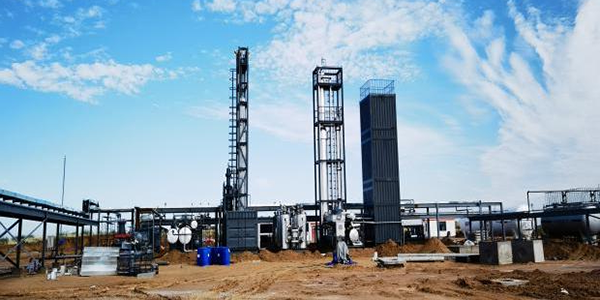
What Exactly Is Membrane Biogas Upgrading?
Raw biogas contains 50–70% methane. The rest is CO₂, water vapor, and trace gases. To inject biomethane into the grid or use it as vehicle fuel, you remove CO₂ and impurities.
Membrane biogas technology uses polymer hollow fibers. These fibers act like selective filters. Methane molecules pass through slowly, while CO₂ and water vapor permeate faster. Under pressure, the system separates a methane-rich stream from a CO₂ waste stream.
The result? Biomethane with 96–99% purity. No chemicals, no water scrubbing towers. Just pressure and membrane modules. Many operators appreciate the simplicity.How Membrane Biogas Compares to Other Upgrading Methods
Water scrubbing, PSA (pressure swing adsorption), and amine scrubbing are the older options. Each has drawbacks.
Water scrubbing uses large amounts of water. You also need to treat that water to prevent bacterial growth. PSA relies on multiple vessels and valves, which wear out. Amine scrubbing requires heat for regeneration, driving up energy bills.
Membrane biogas systems stand out because they have fewer moving parts. A typical setup includes compression, membrane skids, and a control panel. No regeneration cycle, no solvent handling.
That said, membrane performance depends on feed gas composition. If your biogas contains high H₂S or siloxanes, pre-treatment becomes critical. But for most standard biogas plants, membrane technology delivers consistent output with lower operational complexity.
Key Components of a Membrane Biogas Upgrading System
Understanding the parts helps you plan maintenance and budget. A complete membrane biogas skid includes:
Feed compressor – raises biogas pressure to 8–15 bar.
Chiller or heater – controls gas temperature (optimally 25–40°C).
Pre-filter – removes particulates and aerosols.
Membrane modules – the heart of the system, often arranged in stages.
Control valves and sensors – monitor pressure, flow, and methane concentration.
Off-gas management – routes CO₂-rich stream to atmosphere or reuse.
Most manufacturers offer multi-stage designs. Two stages give good methane recovery (around 95–98%). Three stages push recovery above 99%, but at higher capital cost. For smaller plants, single-stage membrane biogas units can still achieve 90–95% recovery with lower investment.
Operational Costs: Where Membrane Biogas Saves Money
Let’s talk numbers because this matters to every plant owner.
Electricity consumption for membrane biogas systems typically ranges 0.2–0.35 kWh per Nm³ of raw biogas. Water scrubbing often uses 0.25–0.4 kWh plus water treatment energy. PSA can hit 0.3–0.45 kWh. So membranes are competitive, sometimes better.
No consumables like activated carbon or amines. No wastewater discharge. You replace membrane modules every 5–8 years, depending on gas cleanliness. That’s a predictable expense.
Another saving: footprint. A 500 Nm³/h membrane biogas skid fits inside a 40-foot container. Water scrubbing needs cooling towers, basins, and more space. Landfill gas projects with limited real estate benefit a lot from compact membrane design.
Maintenance is mostly about compressors and filters. You don’t need a full-time chemist or water treatment specialist. For remote sites, this is a huge advantage.
Real-World Performance: Methane Slip and Recovery
Methane slip means losing methane to the off-gas. It’s bad for economics and the environment.
Early membrane systems had slip rates of 3–5%. Modern membrane biogas designs, especially with two or three stages, cut slip below 1%. Some advanced units achieve 0.5% slip at 98% methane purity.
Recovery rate matters too. If you feed 100 m³ of raw biogas, how many m³ of biomethane do you get? Membrane systems today recover 95–99% of the methane. Compare that to water scrubbing at 96–98% and PSA at 94–97%. The differences are small, but over years, even 1% extra recovery means thousands of dollars.
One caution: high nitrogen or oxygen in the feed (common from landfill gas with air ingress) reduces membrane selectivity. If you have such gas, talk to your supplier about pre-treatment or a hybrid design.
Is Membrane Biogas Suitable for Small-Scale Biogas Plants?
Small farms and food waste digesters often produce 50–200 Nm³/h of raw biogas. Traditional upgrading technologies were designed for large industrial plants. That left small operators with few choices.
Now several manufacturers offer compact membrane biogas units scaled for 20–300 Nm³/h. These come as pre-assembled skids. You connect power, biogas inlet, and biomethane outlet. Some even include remote monitoring.
Cost per Nm³ for small membranes is higher than for large plants, but still lower than running a small water scrubber. And because membranes tolerate load variations well, they work fine when your digester feed changes seasonally.
For a 100-cow dairy farm, a small membrane biogas system can turn manure gas into vehicle fuel for tractors or heat for greenhouses. That’s a real path to energy independence.
Common Mistakes When Installing Membrane Biogas Systems
Even good technology fails if installed wrong. Here are frequent errors we see:
Skipping gas drying. Membranes need dry gas. Water vapor competes with CO₂ permeation and can condense inside fibers. Always install a chiller or desiccant dryer before the membranes.
Ignoring H₂S removal. Hydrogen sulfide attacks polymer membranes over time. Keep H₂S below 200 ppm, ideally below 50 ppm. A small iron oxide or biological desulfurization unit pays for itself.
Under-sizing the compressor. Pressure drives separation. If your compressor cannot maintain 8–10 bar at rated flow, methane purity drops. Oversize the compressor by 10–20% to be safe.
No off-gas monitoring. The CO₂ stream still contains some methane. Venting it without measurement hides losses. Install a methane analyzer on the off-gas to catch performance degradation early.
Avoid these mistakes and your membrane biogas unit will run smoothly for years.
Future Trends in Membrane Biogas Technology
Membrane materials are improving. New polymers and mixed-matrix membranes promise higher selectivity and flux. Some prototypes achieve CO₂/CH₄ selectivity above 60, compared to 30–40 in current commercial products.
Another trend: hybrid systems. Combine a first-stage membrane with a small PSA or cryogenic step to reach 99.5% methane for LNG production. Or use a membrane to pre-concentrate biogas before an amine unit, reducing solvent circulation.
Digital monitoring is becoming standard. Sensors track pressure drop across each membrane vessel. Machine learning algorithms predict when cleaning or replacement is needed. This cuts downtime and extends module life.
Also, carbon capture from the off-gas is gaining interest. The CO₂ stream from membrane biogas systems is nearly pure. You can compress it for greenhouse use or sequestration. That turns waste into a second revenue stream.
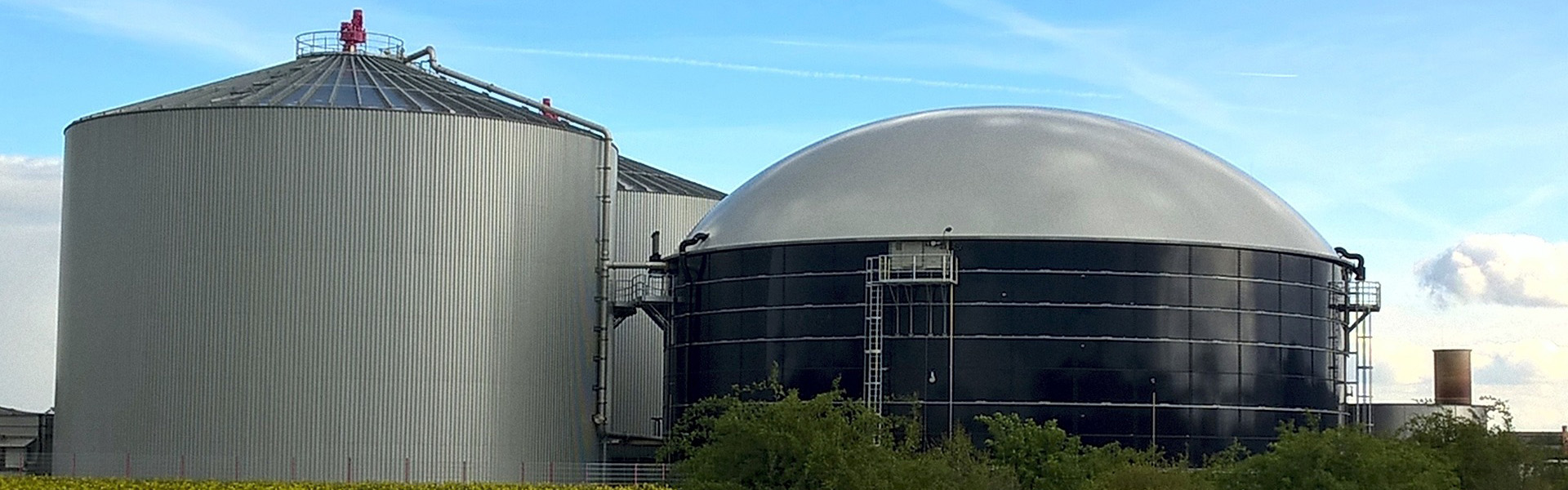
Why Plant Operators Are Choosing Membrane Biogas Today
We asked several European biogas plant managers why they switched. The answers were consistent:
Lower chemical costs. No wastewater permits. Fast start-up and shutdown. Easy to scale by adding more membrane vessels. And the ability to run unmanned for days.
One operator in Germany retrofitted his water scrubber to a membrane biogas skid. He cut electricity use by 22% and eliminated his weekly carbon filter change. Payback was 14 months.
Another in California uses membranes for landfill gas. The feed has variable methane content (45–55%). The membrane system adjusts automatically via pressure control. His biomethane stays above 97% purity even when landfill gas quality swings.
These are not laboratory results. They are daily operations.
Common Questions About Membrane Biogas Systems
Q1: What is the typical lifespan of membrane modules in a membrane biogas system?
A1: Most manufacturers rate their modules for 5 to 8 years of continuous operation. Actual lifespan depends on feed gas cleanliness. If you remove H₂S, siloxanes, and moisture properly, some modules last over 10 years. You’ll notice performance decline when methane recovery drops or pressure loss increases across the module. Regular monitoring helps you plan replacement before production suffers.
Q2: Can membrane biogas technology handle high hydrogen sulfide levels?
A2: Directly, no. H₂S above 500 ppm damages polymer membranes within months. Always install a desulfurization step before the membranes. Biological desulfurization (with air injection) or iron oxide filters work well. Keep H₂S below 200 ppm, ideally under 50 ppm, to protect your investment. Some membrane suppliers offer H₂S-resistant coatings, but pre-treatment remains the reliable approach.
Q3: What methane purity can I expect from a single-stage membrane biogas system?
A3: A single-stage setup typically delivers 92–95% methane purity at 90–95% recovery. That’s fine for on-site boiler fuel or flaring. For grid injection (which usually requires 96% or higher), you need two stages. Two-stage membrane systems reach 96–99% purity with 95–98% recovery. Three stages can exceed 99% purity but add cost and energy use.
Q4: How much electricity does a membrane biogas unit consume per cubic meter of raw gas?
A4: Expect 0.2 to 0.35 kWh per Nm³ of raw biogas. The compressor is the main consumer. If your feed pressure is already high (e.g., from landfill extraction wells), you might reduce that to 0.15–0.25 kWh. Compare this to water scrubbing at 0.25–0.4 kWh and PSA at 0.3–0.45 kWh. Membranes are among the most energy-efficient options, especially for small to medium plants.
Q5: Does membrane biogas work for upgrading biogas from landfill sites with high nitrogen content?
A5: Nitrogen is a challenge because membrane selectivity between N₂ and CH₄ is poor. If your landfill gas has more than 3–4% nitrogen, methane purity will suffer. You may need a pre-treatment step to remove nitrogen, or accept lower purity. Some operators use membranes for bulk CO₂ removal, then polish with a small PSA designed for N₂ removal. Talk to your membrane supplier about gas analysis before committing.
Q6: What maintenance does a membrane biogas system require weekly or monthly?
A6: Weekly: check inlet filters for moisture and debris, inspect compressor oil levels, record pressure drops across membrane vessels. Monthly: clean or replace pre-filters, calibrate methane analyzers, check for leaks at fittings. Annually: replace compressor oil and air filters, test safety valves. Membrane modules themselves need no routine maintenance beyond monitoring. Every 5–8 years you budget for module replacement. Compared to water scrubbing, you save hundreds of hours on chemical handling and water treatment.
Final Thoughts on Membrane Biogas for Your Plant
Choosing an upgrading technology is a long-term decision. Membrane biogas systems offer a balanced package: moderate capital cost, low operating complexity, and excellent energy efficiency. They work for small farms, large digesters, and landfill projects alike.
The technology is mature but still improving. New materials and digital controls make today’s membrane biogas units more reliable than those from five years ago. If you value predictable maintenance, no chemical purchases, and a compact footprint, membranes deserve a close look.
Before you buy, get a gas analysis. Test your feed for H₂S, siloxanes, VOCs, and nitrogen. Ask suppliers for performance guarantees at your specific conditions. And visit a reference plant similar to yours.
Membrane biogas is not a magic bullet. But for many operators, it’s the most practical path from waste gas to revenue.