


News
We'll get back to you as soon as possible.
Landfill Gas Purification: 7 Proven Techniques for High-Purity Biomethane
If you manage a landfill or operate a biogas plant, you know raw landfill gas is a mess. It carries siloxanes, hydrogen sulfide, volatile organic compounds, and oxygen. Purifying it for pipeline injection or vehicle fuel used to be expensive and unreliable. But new equipment designs have changed that. Today, landfill gas purification is more efficient, with lower methane slip and fewer chemicals.
In this post, I’ll walk you through seven real-world techniques that equipment manufacturers are shipping right now. No theory. Just what works on-site, from membrane skids to cryogenic upgrades.
Why Standard Biogas Upgrading Fails for Landfill Gas – And How Landfill Gas Purification Solves It
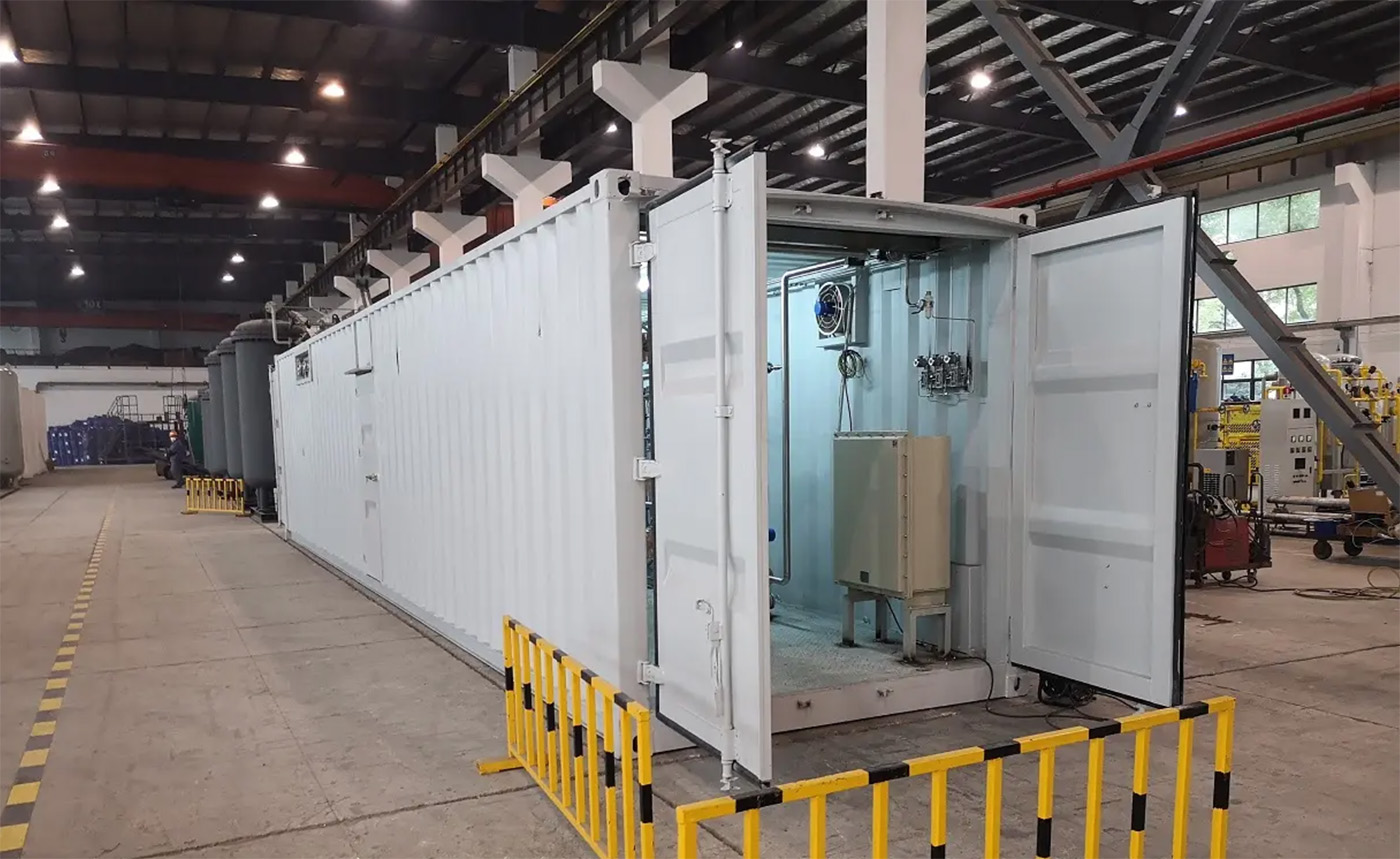
Raw biogas from landfills differs from agricultural digesters. It contains siloxanes (from personal care products), higher levels of H₂S, and often traces of chlorinated solvents. Conventional water scrubbing or PSA systems clog within weeks.
That’s why dedicated landfill gas purification equipment includes pre-treatment stages that target these specific contaminants. For example, a refrigerated condenser drops out siloxanes before gas hits the main upgrading unit. Without this step, membranes foul and adsorbents deactivate.
One German manufacturer recently released a three-stage landfill gas purification skid that integrates activated carbon for halocarbons, a biological trickling filter for H₂S, and a final membrane stage for CO₂ removal. Field data from a California landfill shows 98.5% methane recovery with only 0.3% slip.
1. Cryogenic Separation – The Cold Hard Truth for Landfill Gas Purification
Cryogenic technology is not new, but its application to landfill gas purification has matured significantly. Older systems struggled with freeze-out of trace contaminants. Modern units use staged cooling and automatic defrost cycles.
How does it work? The gas is chilled to -70°C. CO₂ and VOCs liquefy or solidify, while methane stays gaseous. A Canadian equipment supplier now offers a containerized cryogenic landfill gas purification system that handles up to 500 Nm³/h of raw gas.
The key advantage? Liquid CO₂ is captured as a saleable byproduct. One landfill in Ontario earns $150,000 yearly from food-grade CO₂ sales. Energy consumption is 0.35 kWh per Nm³ of biomethane, which is competitive with membrane systems. For operators dealing with high CO₂ content (above 45%), cryogenic landfill gas purification is worth a hard look.
2. Membrane Systems with Siloxane-Resistant Layers
Membrane separation is popular for biogas, but standard polymer membranes degrade fast when exposed to siloxanes. The latest landfill gas purification membranes use a protective top coating of polydimethylsiloxane (PDMS) or fluorinated polymers.
These coatings repel siloxane molecules while allowing CO₂ to permeate. A Finnish manufacturer tested two identical membrane skids at a UK landfill – one with standard membranes, one with the new coating. After 6 months, the standard unit lost 22% of its selectivity. The coated unit lost only 4%.
When you specify landfill gas purification equipment, always ask for membrane material data sheets. Look for “siloxane-tolerant” or “anti-fouling” layers. Some suppliers now offer a five-year performance guarantee on membranes, provided you maintain a pre-filter with activated carbon.
3. Biological Desulfurization Integrated with Landfill Gas Purification
Hydrogen sulfide in landfill gas can reach 5,000 ppm. Scrubbing it with iron oxide or caustic chemicals gets expensive. Biological desulfurization uses naturally occurring bacteria (like Thiobacillus) to oxidize H₂S into elemental sulfur or sulfate.
The clever part is integrating this biology directly into landfill gas purification trains. A Dutch company designed a biotrickling filter that sits before the main CO₂ removal unit. The filter uses recirculated nutrient solution and limited air injection. H₂S removal efficiency exceeds 99.9% with zero chemical consumption.
What about the sulfur? It settles as a slurry that can be dewatered and sold to fertilizer blenders. One US landfill reports saving $80,000 per year on caustic soda alone after switching to biological desulfurization. For large sites, this approach makes landfill gas purification both greener and cheaper.
4. Pressure Swing Adsorption (PSA) with Oxygen Rejection
Standard PSA for biogas removal of CO₂ works well, but landfill gas often contains 1-3% oxygen. Oxygen is a problem because it can create explosive mixtures in downstream pipelines. Most grid codes demand less than 0.5% O₂.
New landfill gas purification PSA systems use a dual-bed configuration with a zeolite adsorbent that preferentially captures O₂ along with CO₂. The result is a biomethane stream with oxygen below 0.2%. A Spanish manufacturer has field-tested this design at a landfill near Barcelona for 14 months.
The system cycles every 90 seconds and recovers 96% of methane. Maintenance is limited to valve checks every 2,000 hours. For plant engineers, the main lesson is clear: when buying landfill gas purification PSA equipment, verify oxygen rejection capability in the technical datasheet.
5. Activated Carbon Polishing for Halocarbons and VOCs
Even after primary upgrading, landfill gas may contain trace halocarbons (chloroform, carbon tetrachloride) and aromatic VOCs (benzene, toluene). These compounds poison fuel cells and damage engines. A final polishing step is essential.
Activated carbon is the workhorse for this task. But modern landfill gas purification uses impregnated carbons – for example, with potassium hydroxide or sulfur – to chemically bind halocarbons. One US supplier offers a carbon vessel with automatic regeneration. Hot nitrogen strips adsorbed compounds every 48 hours, extending carbon life from 3 months to over 2 years.
In a Virginia landfill, this polishing system reduced benzene from 50 ppm to below detection limit (0.1 ppm). Total operating cost for the carbon step is just $0.003 per Nm³ of raw gas. Don’t skip this stage if your landfill gas purification output is destined for sensitive applications like fuel cells or LNG production.
6. Modular Skids for Remote Landfills – Containerized Landfill Gas Purification
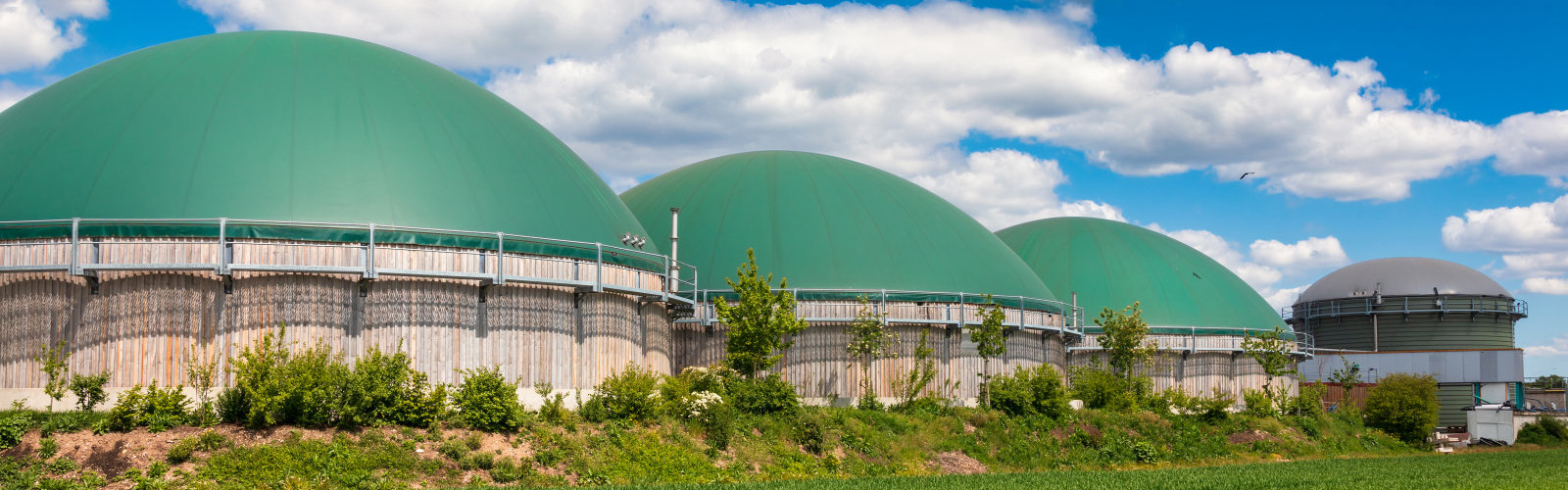
Many landfills are in remote areas with limited access to skilled technicians. Sending a service crew every week kills profitability. That’s why equipment makers now offer fully containerized landfill gas purification plants with remote monitoring.
These skids include everything: feed compressor, pre-treatment (particulate filter, coalescer), main upgrading unit (membrane or PSA), and post-polishing. They arrive on a flatbed truck and are operational within 48 hours.
An Australian manufacturer sells a 200 Nm³/h containerized landfill gas purification system that connects to the internet via 4G. Operators receive text alerts when H₂S breakthrough occurs or when a filter needs changing. The control system also tracks methane slip in real time.
For a landfill in rural Queensland, this setup reduced site visits from weekly to once per month. Payback period was 22 months. If you have multiple small landfills, containerized landfill gas purification allows you to move equipment between sites as gas production declines.
7. Combined Heat and Power Integration – Waste Heat for Landfill Gas Purification
Upgrading equipment needs energy for compressors, chillers, and blowers. A smart trend in landfill gas purification is using waste heat from a reciprocating engine or gas turbine that burns the raw or upgraded gas.
For example, a landfill in northern Italy installed a 1 MW Jenbacher engine. Exhaust heat (at 450°C) feeds a thermal oil loop that powers a chiller for cryogenic CO₂ removal. The engine also supplies electricity for the membrane compressors. Net grid consumption dropped by 70%.
When designing a landfill gas purification plant, always calculate your thermal and electrical loads. A combined heat and power (CHP) unit can make the entire process nearly energy self-sufficient. Several European manufacturers now offer CHP-plus-upgrading packages with single-point warranty.
Final Thoughts: Why Proper Landfill Gas Purification Makes or Breaks Your Project
Landfill gas is one of the most challenging feedstocks for biomethane production. High siloxanes, H₂S, oxygen, and halocarbons demand a tailored approach. Generic biogas upgrading equipment will fail.
You need landfill gas purification systems designed specifically for these contaminants. That means biological desulfurization or iron oxide beds, siloxane-resistant membranes or cryogenic units, and activated carbon polishing for halocarbons. Modular, containerized designs with remote monitoring are now the industry standard for remote sites.
Equipment manufacturers who specialize in landfill gas purification have learned these lessons the hard way. Look for suppliers with at least five reference plants operating for more than two years. Ask for methane slip data, oxygen rejection guarantees, and carbon replacement intervals.
The technology is ready. Your landfill can produce pipeline-grade biomethane with less than 0.5% methane slip and near-zero oxygen. But only if you choose the right landfill gas purification train from the start. Don’t cut corners on pre-treatment – that’s where most failures begin.
Frequently Asked Questions (FAQ)
Q1: What is the biggest difference between landfill gas purification and standard agricultural biogas upgrading?
A1: The main difference is contaminants. Landfill gas contains siloxanes, volatile organic compounds (VOCs), halocarbons, and often oxygen. Standard biogas from digesters has little to none of these. Therefore, landfill gas purification always requires additional pre-treatment stages like activated carbon filters for siloxanes and VOCs, plus oxygen removal if grid injection is the goal. Agricultural biogas upgrading usually skips these steps.
Q2: How often do siloxane filters need replacement in a landfill gas purification system?
A2: It depends on siloxane concentration and gas flow. Typical landfill gas has 10–50 mg/m³ of total siloxanes. With a refrigerated condenser plus activated carbon, filter life ranges from 6 to 18 months. Some new landfill gas purification systems use regenerable carbon (hot nitrogen stripping) which extends life to 2–3 years. Always monitor siloxane breakthrough with a portable GC-MS every month.
Q3: Can I use the same landfill gas purification equipment for a landfill that has already been closed for 10 years?
A3: Yes, but expect lower methane content (35–45%) and higher nitrogen (up to 15%). Older closed landfills also produce less gas volume. You may need a different membrane or PSA design optimized for low methane concentrations. Some landfill gas purification suppliers offer variable-speed compressors and adaptive cycle controls that handle methane fluctuations from 30% to 60%. Get a gas analysis before ordering equipment.
Q4: What is the typical methane slip rate for modern landfill gas purification systems?
A4: For well-designed systems with proper pre-treatment, methane slip is between 0.5% and 2%. Cryogenic landfill gas purification achieves the lowest slip (under 0.5%) because CO₂ freezes out without needing a vent stream. Membrane systems typically have 1–2% slip. PSA units can reach 0.8% with AI-controlled cycle timing. Always ask for a performance guarantee in the contract – reputable suppliers will commit to <1% slip at design conditions.
Q5: Is it worth upgrading landfill gas to biomethane instead of just flaring it?
A5: Financially, yes in most regions with carbon credits or renewable fuel incentives. Flaring destroys methane but generates no revenue. Upgrading to biomethane via landfill gas purification creates a pipeline-grade product worth $12–$25 per MMBtu depending on the market. For a landfill producing 500 Nm³/h of raw gas (50% methane), that’s roughly $500,000 to $1 million yearly revenue from biomethane alone, plus possible CO₂ sales from cryogenic systems. Payback on purification equipment is usually 2–4 years.