


Farm Biogas Plant: How Biogas Upgrading Equipment Boosts On-Farm Renewable Energy Production
If you run a livestock farm or manage agricultural waste, you have probably heard about anaerobic digestion. But not every system works the same way. A farm biogas plant is different from large industrial digesters. It is designed to fit the scale and needs of a working farm. More farmers are now looking at biogas upgrading equipment to turn raw biogas into biomethane. This fuel can replace natural gas or power vehicles. In this post, I will walk you through how a farm biogas plant operates, what upgrading gear you need, and why this technology makes sense for modern agriculture.
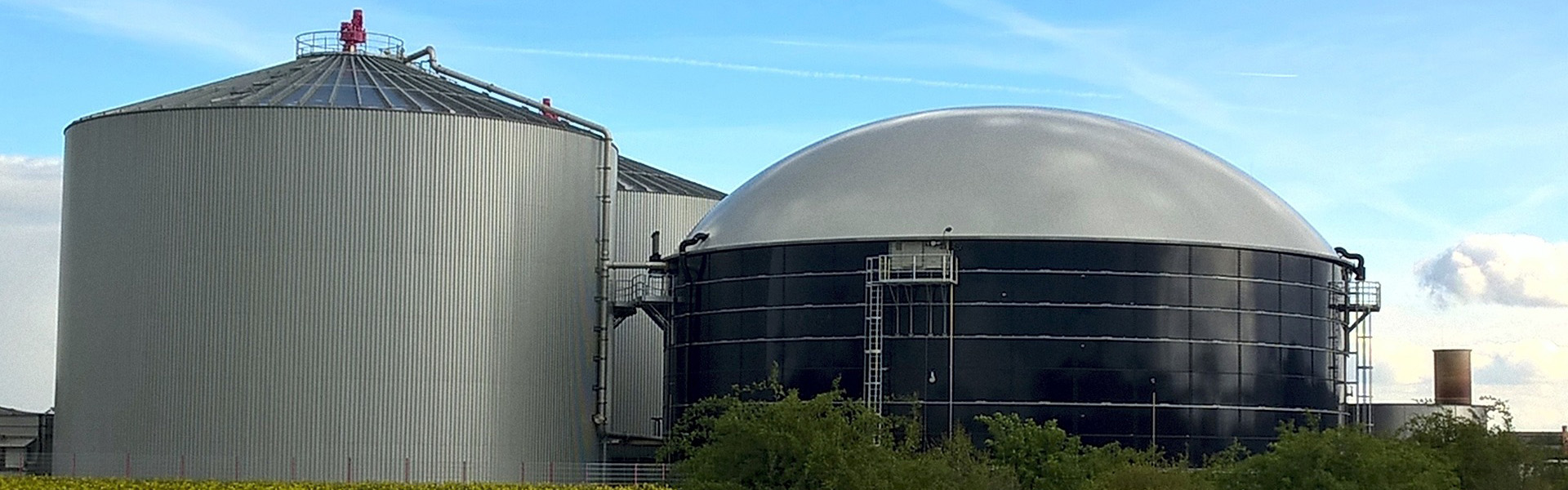
What Makes a Farm Biogas Plant Different from Industrial AD Systems?
Industrial anaerobic digestion (AD) plants often handle mixed waste from cities or food factories. They are huge and expensive. A farm biogas plant focuses on on-farm inputs like manure, slurry, crop residues, and bedding. The scale is smaller, but the potential is huge for a single farm or a cooperative.
The key difference is the gas quality. Raw biogas from a farm biogas plant contains 50-70% methane, plus carbon dioxide, hydrogen sulfide, and moisture. You cannot use this gas directly in engines or boilers for long without damaging them. That is where biogas upgrading equipment enters the picture.
Many farm owners think a farm biogas plant is only for heating a barn or running a small generator. But with modern upgrading systems, you can reach 96-99% methane purity. That opens the door to selling biomethane or using it as vehicle fuel.
Key Components of a Farm Biogas Plant
Every farm biogas plant has a few basic parts. Let me list them quickly.
Feedstock storage – A pit or tank to hold manure and organic waste.
Digester tank – Sealed, heated, and mixed. Bacteria break down the material.
Gas holder – Often integrated or separate. Stores the raw biogas.
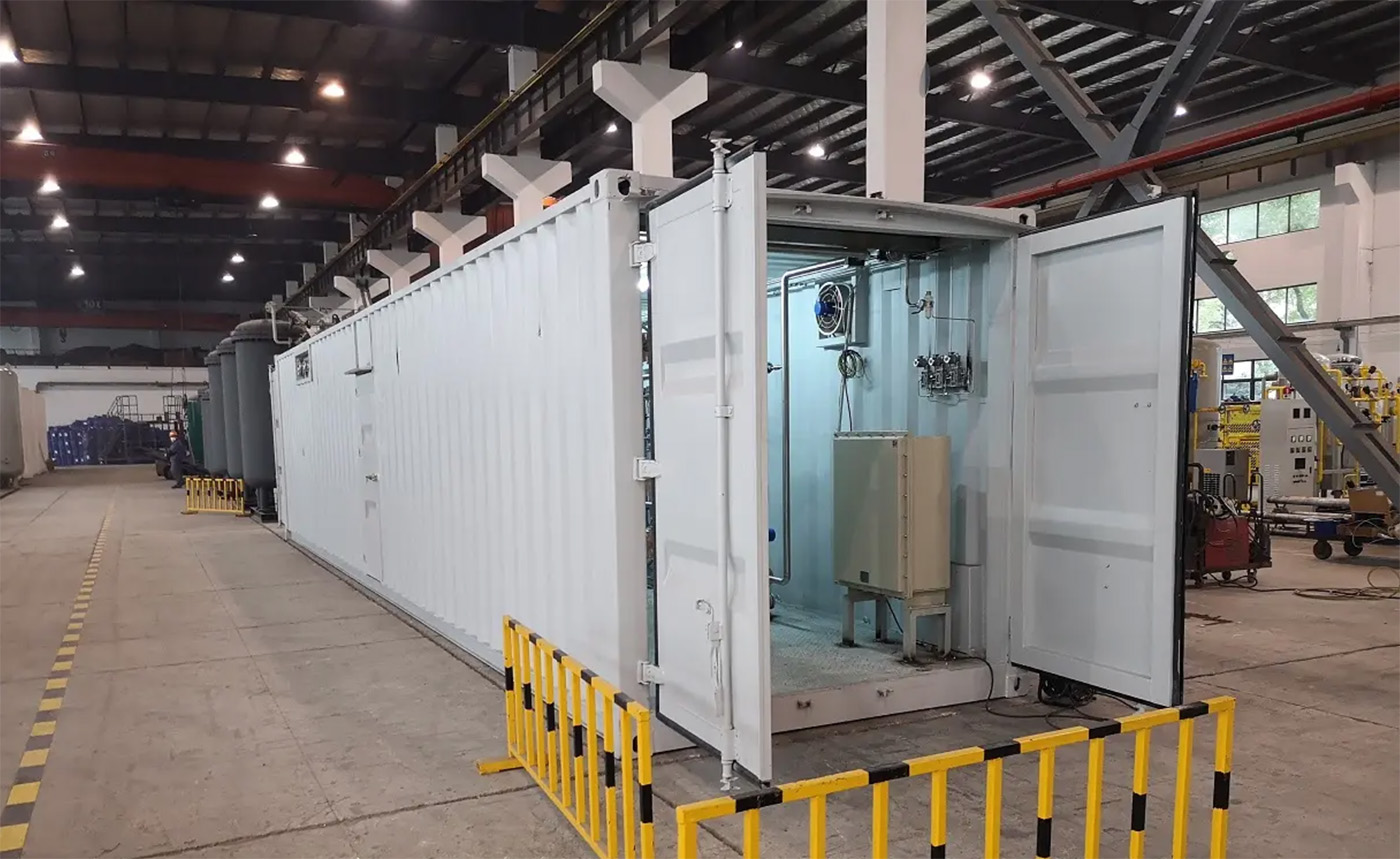
Biogas upgrading equipment – Removes CO2, H2S, and water.
Compression or injection unit – For biomethane storage or grid entry.
Without reliable upgrading, your farm biogas plant produces low-value gas. With it, you create a high-value renewable fuel. International biogas upgrading equipment manufacturers now offer compact skids that fit right next to your digester.
Biogas Upgrading Equipment: From Raw Biogas to Pipeline-Grade Biomethane
Raw biogas from a farm biogas plant is dirty. It contains hydrogen sulfide that smells like rotten eggs and corrodes metal. Carbon dioxide dilutes the energy content. Moisture causes freezing or microbial growth in pipes.
Biogas upgrading equipment solves all this. The most common technologies for a farm biogas plant include:
Water scrubbing – Uses water to absorb CO2. Simple and reliable.
Pressure swing adsorption (PSA) – Uses carbon molecular sieves. Low operational cost.
Membrane separation – High methane recovery. Compact footprint.
Amine scrubbing – Best for very high purity but higher chemical use.
For a typical farm biogas plant, membrane or PSA systems are popular because they need less maintenance. International manufacturers like DMT, Greenlane, or Pentair offer farm-sized units. These skids can process as little as 50 Nm³/h of raw biogas.
Let me give you an example. A dairy farm with 500 cows produces about 200-300 Nm³ of raw biogas per day. After upgrading, that yields roughly 120-180 Nm³ of biomethane. That is enough to fuel two milk trucks or heat five farmhouses all winter.
Benefits of Installing a Farm Biogas Plant for Livestock Farms
Why should you invest in a farm biogas plant? I see four strong reasons.
First, waste management becomes profitable. Instead of paying to spread manure, you earn from gas. A farm biogas plant reduces odor, pathogens, and methane emissions from open lagoons.
Second, energy independence. Your farm biogas plant can power tractors, dry grain, or heat greenhouses. With upgrading equipment, you even fuel company vehicles.
Third, extra revenue streams. You can sell biomethane to local gas networks or as compressed biomethane (CBM) for transport. Some farmers also sell the CO2 byproduct or the digestate as organic fertilizer.
Fourth, carbon credits. A farm biogas plant avoids methane release from manure storage. Many carbon markets pay for this. In Europe and North America, farmers receive certificates or direct payments.
I have visited farms where a farm biogas plant paid for itself in under five years. That is faster than many other renewable energy projects.
Factors to Consider When Choosing a Farm Biogas Plant Manufacturer
Not all farm biogas plant suppliers are equal. You need one that understands on-farm conditions. Here is what to check.
Experience with farm-scale digesters – Not just industrial ones.
Biogas upgrading equipment integration – Does the manufacturer offer a complete package?
Feedstock flexibility – Can the farm biogas plant handle your specific mix of manure, silage, or poultry litter?
Climate adaptability – If you have cold winters, the digester and upgrading gear must be insulated or housed.
After-sales support – On-farm breakdowns are costly. Choose a manufacturer with local service.
International biogas upgrading equipment makers often partner with local AD builders. Ask for references from other farms. A good farm biogas plant supplier will share performance data and maintenance records.
Maintenance and Operational Tips for Long-Term Performance
A farm biogas plant is not a set-it-and-forget-it system. You need weekly checks. Here is my practical advice.
Monitor hydrogen sulfide levels. High H2S ruins biogas upgrading equipment. Some farms add iron chloride to the digester to precipitate sulfur. Or install a biological desulfurization unit before the main upgrading skid.
Keep the digester temperature stable. Most farm biogas plant designs use mesophilic digestion at 35-40°C. A drop of 2°C reduces gas output by 10-15%.
Check moisture removal. After upgrading, the biomethane should have a dew point below -10°C. Wet gas freezes in pipes or damages engines.
Clean filters regularly. Membrane systems and PSA vessels have prefilters. Clogged filters increase pressure drop and energy use.
Test gas quality monthly. A portable biogas analyzer costs a few thousand dollars. It pays for itself by catching problems early.
I have seen farm biogas plant owners skip maintenance for six months. Then the upgrading equipment fails, and they lose weeks of production. A simple logbook and a 30-minute weekly check prevent most issues.
The Future of On-Farm Biogas and Upgrading Technology
The market for farm biogas plant systems is growing fast. New EU regulations require member states to increase biomethane production. The US Inflation Reduction Act offers tax credits for farm-based renewable gas.
At the same time, biogas upgrading equipment is getting cheaper and smaller. Membrane modules that cost $50,000 five years ago now sell for $30,000. Some manufacturers offer rental or leasing options.
Another trend is modular farm biogas plant designs. You start with a single digester and upgrading skid. Later, you add a second module. This fits farms that grow slowly or want to test the technology with less risk.
I expect that within ten years, most large dairy and pig farms will have a farm biogas plant with on-site upgrading. The economics are already positive in many regions. And the environmental pressure to reduce methane from agriculture will only increase.
A farm biogas plant is more than a waste treatment tank. It is a renewable energy asset. With the right biogas upgrading equipment, you turn manure and crop residues into pipeline-quality biomethane. You cut odors, lower emissions, and create new income. Whether you run a 200-cow dairy or a 5,000-pig operation, there is a farm biogas plant size for you. Start by talking to two or three international suppliers. Ask for case studies from farms similar to yours. Then run your numbers. You might be surprised how fast a farm biogas plant pays back.
Frequently Asked Questions (FAQ)
Q1: How much does
a farm biogas plant cost including biogas upgrading
equipment?
A1: For a small farm biogas
plant handling 50 cows or equivalent, total installed
cost ranges from $150,000 to $300,000. That includes a basic digester, gas
holder, and a membrane upgrading skid. For 500 cows, expect $800,000 to $1.5
million. Prices vary by region, automation level, and manufacturer. Leasing
options are available in some countries.
Q2: Can I run a
farm biogas plant without upgrading equipment?
A2: Yes, but you
will be limited to raw biogas for direct combustion in a boiler or a modified
engine. Raw biogas corrodes engines faster and has lower energy density. Without
a farm biogas plant upgrading system, you
cannot inject into the natural gas grid or use it as vehicle fuel. For most
farms, upgrading pays off if you have a use for high-purity
biomethane.
Q3: How long does
a biogas upgrading unit last in a farm biogas plant?
A3:
Well-maintained biogas upgrading equipment from a reputable international
manufacturer lasts 15 to 20 years. Membrane modules may need replacement every
8-10 years. PSA vessels and valves last longer if you change filters on
schedule. The farm biogas plant itself
(digester tank) can operate for 25 years or more with proper concrete
protection.
Q4: What is the
typical payback period for a farm biogas plant?
A4: Payback
depends on energy prices, subsidies, and your farm size. In Europe with feed-in
tariffs, many farm biogas plant owners
see payback in 4 to 7 years. In the US without subsidies, it can be 8 to 12
years. However, if you replace diesel with self-produced biomethane for
tractors, payback can drop to 5 years. Always run a site-specific financial
model.
Q5: Do I need
special permits to operate a farm biogas plant with upgrading
equipment?
A5: Yes, most regions require environmental permits
for digestate storage and air emissions. If you inject biomethane into the gas
grid, you need a grid connection agreement and gas quality certification. For
vehicle fuel, you need safety approvals for compression and dispensing. A
good farm biogas plant manufacturer will
help you with the permitting checklist. Start the permit process early – it can
take 6-12 months.