


News
We'll get back to you as soon as possible.
Ethanol Bio Refinery Plant Design: Turning Waste into Biogas with Advanced Upgrading Systems
If you operate an ethanol production facility, you know the numbers. For every liter of ethanol, you get several liters of stillage. That stillage is organic, wet, and full of energy. Most plants treat it as waste. But a growing number of producers are changing their approach. An ethanol bio refinery plant no longer just makes ethanol. It also captures biogas from the leftover streams. That biogas can be upgraded into biomethane and sold or reused. This shift cuts costs and creates new revenue. In this post, I will show you how an ethanol bio refinery plant can integrate biogas upgrading equipment from international manufacturers. You will see why this model works for both large and mid-sized ethanol operations.
What Is an Ethanol Bio Refinery Plant Compared to a Standard Ethanol Plant?
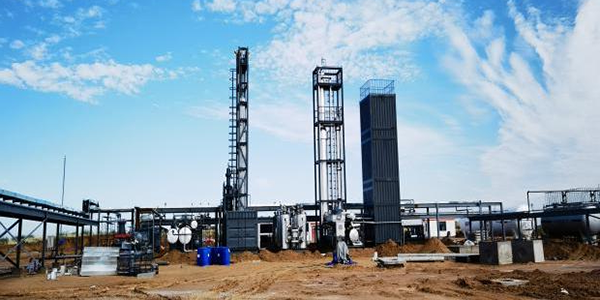
A standard ethanol plant focuses on one product: ethanol. The stillage goes to evaporators and dryers or is sold as wet feed. An ethanol bio refinery plant takes a broader view. It treats every output as a resource. The main product is still ethanol. But the thin stillage and other residues go into an anaerobic digester. That digester produces raw biogas. Then biogas upgrading equipment cleans that gas into biomethane.
So an ethanol bio refinery plant is really two plants in one. The front end ferments grains or sugarcane into ethanol. The back end digests the liquid waste. This second step reduces your effluent treatment costs. It also lowers your natural gas bill if you burn biomethane in your boilers. Or you can sell the biomethane to the grid.
International biogas upgrading equipment manufacturers now offer compact, automated skids. These fit right next to your existing ethanol tanks. You do not need a huge separate facility. A well-designed ethanol bio refinery plant can start with a modest digester and add upgrading later.
Why Ethanol Producers Should Look at Biogas Upgrading Equipment
Raw biogas from an ethanol bio refinery plant digester contains 50-65% methane. The rest is CO2, some H2S, and water vapor. You cannot use this gas directly in high-efficiency boilers or engines without damage. But after upgrading, the methane purity reaches 96-99%. That is pipeline grade.
Let me give you a real example. A corn ethanol plant producing 50 million gallons per year generates about 1,000 tons per day of thin stillage. That stillage can yield roughly 500-800 Nm³ of raw biogas per hour. After upgrading, that becomes 300-500 Nm³ of biomethane per hour. That replaces a significant part of the plant’s natural gas use. In fact, some ethanol bio refinery plant operators have cut fossil gas purchases by 40-60%.
The equipment is not theoretical. Brands like DMT, Greenlane, or Bright Renewables have delivered farm and industrial upgrading units for years. The same technology works perfectly for an ethanol bio refinery plant. The key is matching the gas flow rate to the right membrane or PSA system.
How an Ethanol Bio Refinery Plant Produces and Upgrades Biogas Step by Step
Let me walk you through the process. It is simpler than you might think.
Step 1 – Ethanol fermentation. Grains or sugar crops are mashed, cooked, and fermented. Ethanol is distilled off. What remains is whole stillage.
Step 2 – Separation. The whole stillage goes into a centrifuge or press. You get wet cake (solids) and thin stillage (liquid). The wet cake is often sold as animal feed.
Step 3 – Anaerobic digestion. The thin stillage enters a covered lagoon or a steel digester tank. Bacteria break down the organic matter. Raw biogas rises to the top.
Step 4 – Biogas upgrading. The raw biogas passes through desulfurization (to remove H2S), then a membrane or PSA unit that strips out CO2. The result is high-purity biomethane.
Step 5 – Use or injection. The biomethane can be compressed and burned in your existing boilers. Or you can inject it into the natural gas grid if you meet local quality standards.
An ethanol bio refinery plant that follows these steps often sees payback in 3 to 6 years. That is faster than most renewable energy projects.
Key Components You Need for an Ethanol Bio Refinery Plant with Biogas Upgrading
Building an ethanol bio refinery plant that includes upgrading requires several pieces of equipment. Here is a basic list.
Digester tank or covered lagoon – Must be heated and mixed. Mesophilic (35-40°C) works well.
Biogas holder – A low-pressure gas storage unit, often a double-membrane roof.
Desulfurization system – Biological or chemical. Protects the upgrading equipment.
Biogas upgrading skid – The core of the ethanol bio refinery plant gas treatment. Choose membrane or PSA.
Compressor – For feeding gas into the upgrading unit and for final biomethane storage.
Gas analyzer – Monitors methane purity and contaminants.
You do not need all these items at once. Many ethanol bio refinery plant owners start with the digester and a simple flare. Once the biogas flow is stable, they add the upgrading skid. International suppliers offer modular designs. You can install a 100 Nm³/h membrane unit first and add another 100 Nm³/h later.
Cost and Payback Analysis for an Ethanol Bio Refinery Plant
What does it cost to add biogas upgrading to an ethanol bio refinery plant? Prices vary by region and capacity. But I can give you rough numbers based on real projects.
A small upgrading skid for 50-100 Nm³/h of raw biogas costs around $150,000 to $250,000. That includes the membrane or PSA vessel, pre-filters, and a basic control panel. For a larger ethanol bio refinery plant handling 500 Nm³/h, expect $500,000 to $800,000 for the upgrading equipment alone. The digester and gas holder add another $1-2 million depending on tank material and size.
Now look at savings. If your plant pays $0.50 per therm for natural gas (US average), and you replace 300,000 therms per year, that is $150,000 annual saving. Plus you reduce wastewater treatment costs. Some ethanol bio refinery plant owners also sell Renewable Identification Numbers (RINs) or carbon credits. With all benefits combined, payback often falls between 4 and 7 years.
I have seen a 40-million-gallon ethanol plant install a full ethanol bio refinery plant upgrade for $2.8 million. They saved $600,000 per year on gas and avoided a new wastewater lagoon. Payback was 4.7 years. After that, pure profit.
Choosing the Right International Supplier for Your Ethanol Bio Refinery Plant
Not all biogas upgrading equipment works the same inside an ethanol bio refinery plant. You need a supplier that understands high-organic loads and variable gas flows. Here is what to ask.
Does the supplier have references in ethanol plants? Ask for two or three similar installations.
What is the turndown ratio? Your biogas flow will vary with ethanol production. The upgrading unit should work from 30% to load without constant adjustment.
How sensitive are the membranes to H2S? Some membranes tolerate up to 500 ppm. Others fail quickly above 100 ppm. An ethanol bio refinery plant may have spikes in H2S.
What automation level is included? You do not want a unit that needs a full-time operator. Look for PLC control with remote monitoring.
What is the warranty on the upgrading skid? Good suppliers offer 2-5 years on membranes and 1 year on mechanical parts.
International manufacturers like Pentair, DMT, and Greenlane have delivered units to ethanol bio refineries in Europe and North America. Ask them for case studies. A reliable ethanol bio refinery plant partner will share performance data without hesitation.
Maintenance Tips for the Biogas Upgrading Section of Your Ethanol Bio Refinery Plant
Once your ethanol bio refinery plant is running with upgrading, you need a simple maintenance routine. Here is what I recommend from field experience.
Check H2S levels weekly. High H2S will kill membranes. If your ethanol bio refinery plant feedstock varies (different grains or cleaning chemicals), test more often. Install an automated H2S scrubber before the upgrading skid.
Monitor inlet pressure. Most membrane units need 6-10 bar. PSA units need 4-8 bar. A pressure drop usually means clogged pre-filters. Change them monthly or as needed.
Log methane purity daily. A drop below 95% means something is wrong. Could be a membrane leak or a compressor issue. Keep a spare set of seals and filters.
Inspect the digester for foam or solids buildup. Foam can carry over into the gas line and damage the ethanol bio refinery plant upgrading equipment. Install a foam breaker or antifoam dosing system.
Train your operators. The same people who run the ethanol distillation can learn the biogas side. A two-day training from the upgrading supplier is usually enough.
I have visited an ethanol bio refinery plant in Iowa where the maintenance team spends only two hours per week on the upgrading system. The rest is automated. That is the level you should aim for.
The Future of Ethanol Bio Refinery Plants with Biogas Integration
The trend is clear. Standalone ethanol plants are losing margin. An ethanol bio refinery plant that produces both ethanol and biomethane is more resilient. Natural gas prices fluctuate, but biomethane from your own waste is a hedge. Also, many governments now offer subsidies for renewable gas. The European Union’s REPowerEU plan targets 35 billion cubic meters of biomethane by 2030. A big share will come from ethanol bio refinery plant projects.
At the same time, biogas upgrading equipment costs keep falling. New membrane materials last longer and resist H2S better. PSA systems use less electricity. International manufacturers are releasing smaller, cheaper skids designed specifically for the ethanol bio refinery plant market. I expect that within five years, most new ethanol plants will include a digester and an upgrading unit as standard.
If you already run an ethanol facility, you do not need to build a second plant. You just add the digester and the upgrading skid. The pipes and tanks are already there. The waste is already produced. An ethanol bio refinery plant is simply the smart way to capture value that is currently going down the drain.
An ethanol bio refinery plant that combines ethanol production with biogas upgrading makes both economic and environmental sense. You reduce waste disposal costs. You cut fossil fuel purchases. You create a new product – biomethane – that can be sold or used on site. International biogas upgrading equipment manufacturers have made the technology reliable and affordable. Whether you run a 20-million-gallon or a 100-million-gallon ethanol plant, adding a digester and a membrane or PSA unit is a proven upgrade. Start by auditing your stillage volume and your current natural gas bill. Then talk to two or three suppliers. A well-planned ethanol bio refinery plant will pay for itself faster than you think.
Frequently Asked Questions (FAQ)
Q1:
Can I add biogas upgrading to my existing ethanol plant without stopping
production?
A1: Yes. Most ethanol bio refinery
plant retrofits are done in phases. The digester and
biogas holder are installed while the ethanol side keeps running. The upgrading
skid is then added during a scheduled maintenance window (often 2-3 days). No
long shutdown is required.
Q2:
What purity of biomethane can an ethanol bio refinery plant achieve with
membrane upgrading?
A2: With a two-stage membrane system,
an ethanol bio refinery plant can reach
96-99% methane. Single-stage membranes typically give 92-95%. For injection into
natural gas grids, 96% or higher is usually required. PSA systems can reach
97-99% as well.
Q3:
How much biogas does an ethanol bio refinery plant produce per gallon of
ethanol?
A3: Roughly 20-30 cubic feet of raw biogas per gallon
of ethanol (0.2-0.3 m³ per liter). For a 50-million-gallon plant, that is 1 to
1.5 million cubic feet per day. After upgrading, biomethane volume is about
60-70% of the raw biogas volume.
Q4:
What happens to the digestate from the ethanol bio refinery
plant?
A4: The digestate is the liquid left after anaerobic
digestion. It still contains nutrients like nitrogen, phosphorus, and potassium.
An ethanol bio refinery plant can sell it
as liquid organic fertilizer or dewater it into a solid soil amendment. Many
farms near the plant buy it for crop irrigation.
Q5:
Do I need special permits to run an ethanol bio refinery plant with biogas
upgrading?
A5: Permitting requirements vary by country and
state. In most cases, adding a digester and upgrading equipment to an
existing ethanol bio refinery
plant requires an air permit (for the flare and any
engine) and possibly a wastewater discharge permit. Biogas injection into the
grid requires gas quality certification. Start the permit process at least 6
months before construction. A good supplier will help you with the
checklist.