


News
We'll get back to you as soon as possible.
Why CSTR AD Tanks Are the Workhorse of Modern Biogas Upgrading Facilities
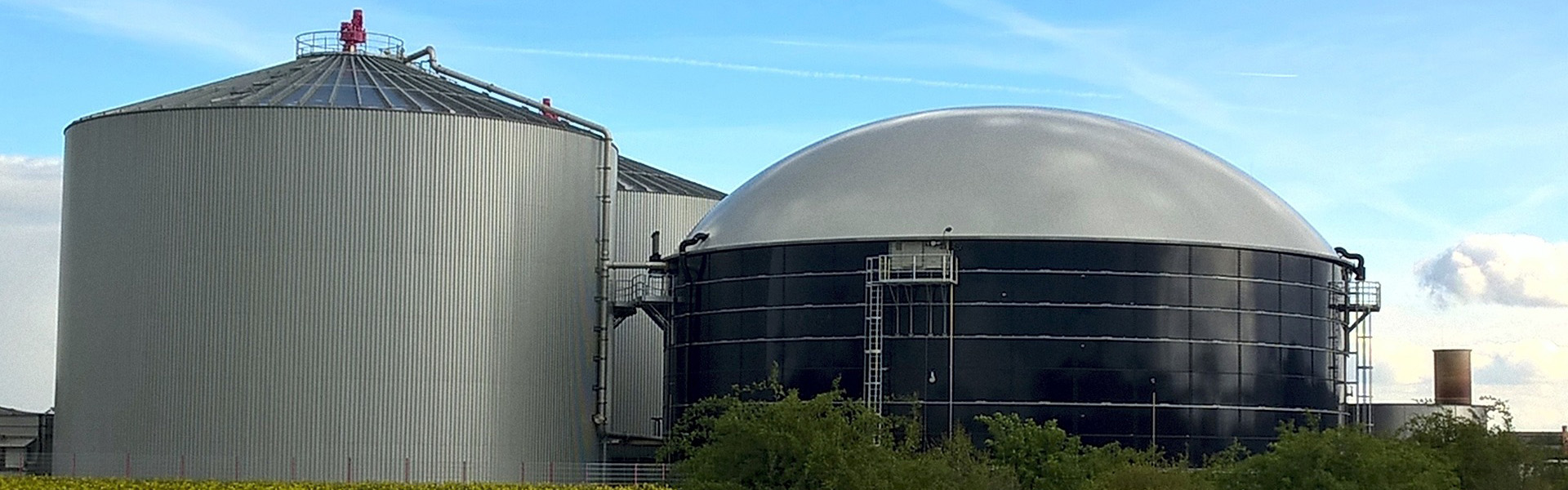
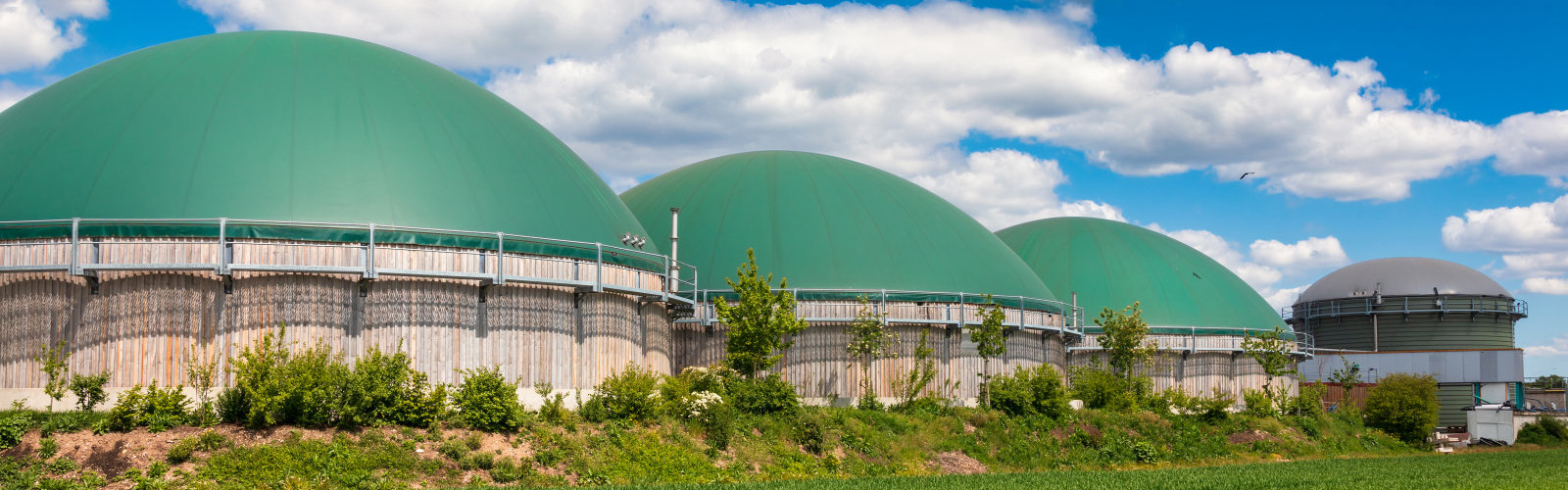
When you walk through a modern renewable natural gas facility, the visual centerpiece is often a cluster of large, cylindrical steel or concrete vessels. These are not storage silos. They are the biological engine rooms where organic waste transforms into methane. In the vocabulary of anaerobic digestion, these vessels are known as CSTR AD tanks. The acronym stands for Continuously Stirred Tank Reactor. While the name sounds like a piece of chemical engineering jargon, the concept is straightforward: keep the contents moving, keep the temperature stable, and let the bacteria do their job.
For international manufacturers of biogas upgrading equipment—membrane separation units, pressure swing adsorption systems, or water scrubbers—the performance of CSTR AD tanks directly dictates the quality and consistency of the raw gas stream arriving at the upgrade skid. A poorly mixed tank leads to gas output swings that confuse control valves and reduce membrane efficiency. A well-designed tank, conversely, provides a steady diet of 50-55% methane that makes upgrading predictable and profitable. This article looks under the lid of these vessels to explain what makes them tick, why they dominate the market for liquid feedstocks, and how they integrate with high-value gas cleanup chains.
What Exactly Is a CSTR AD Tank?
In the biogas sector, a CSTR AD tank is a sealed, heated vessel where organic slurry is continuously fed in and continuously removed. The defining characteristic is in the name: continuous stirring.
Inside the tank, one or more mechanical agitators keep the substrate in constant motion. This prevents the formation of floating crust layers (scum) and the settling of heavy grit or sand on the floor. The motion also ensures that fresh incoming feedstock immediately contacts the active bacterial population suspended in the liquid.
The process inside these CSTR AD tanks operates in a mesophilic range (around 38-40°C or 100-104°F) or less commonly in a thermophilic range (50-55°C). Heat is supplied via external heat exchangers or internal heating coils wrapped around the tank walls. Because the material is liquid—typically with a total solids content below 12%—it is pumpable. This pumpability is what makes CSTR AD tanks the preferred technology for feedstocks like liquid manure, industrial food processing wastewater, and thin sludges from municipal treatment plants.
Key Feedstocks That Thrive in CSTR Environments
Not every organic waste stream belongs in a CSTR AD tank. Trying to feed a CSTR with dry, stackable yard waste or straw-heavy manure will quickly result in a clogged pump and a very expensive tank cleanout.
The ideal diet for these reactors is slurry-based. The most common commercial feedstocks include:
Liquid dairy and swine manure (flushed or scraped with water addition).
Dissolved Air Flotation (DAF) sludge from meat packing and rendering plants.
Condensates and wash water from breweries and ethanol plants.
Source-separated food waste that has been depackaged and macerated into a pumpable soup.
The reason CSTR AD tanks are so tightly linked to the dairy and swine industry is simple: the manure is already 85-95% water. It arrives at the digester gate ready to pump. Minimal water addition is required, which keeps the parasitic load for mixing and heating lower than systems that must constantly dilute dry feedstock.
The Critical Role of Mixing in CSTR AD Tanks
Mixing is the heart of the operation. If the agitator stops in a CSTR AD tank, the system begins to fail in predictable and expensive ways.
First, crust formation. Fibrous material from bedding or undigested silage floats to the surface. Without agitation, this layer solidifies into a thick, concrete-like cap. This cap traps biogas underneath, increasing pressure in the headspace and potentially damaging the roof structure.
Second, sedimentation. Sand, soil, and heavy organic particles settle to the floor. Over months, this layer reduces the active volume of the tank. Eventually, the accumulated grit buries the heating pipes and the agitator blades. Cleaning a tank with two meters of settled sand is a costly and hazardous confined-space entry job.
Mixing technology in modern CSTR AD tanks falls into two camps:
Submersible Motor Mixers: These are long-shaft propellers mounted on guide rails inside the tank wall. They are adjustable in angle and height.
Top-Entry Mixers: A motor mounted on the roof drives a long shaft with one or two impellers submerged in the liquid.
The design trend is moving toward low-energy, large-sweep impellers. These move a high volume of liquid slowly rather than churning a small volume violently. This gentle but thorough mixing reduces power consumption and, crucially, minimizes shear stress on the delicate microbial flocs that perform the actual digestion.
Hydraulic Retention Time and Organic Loading Rate
Operators of CSTR AD tanks live by two acronyms: HRT and OLR.
Hydraulic Retention Time (HRT) is the average number of days a particle of liquid spends inside the tank before exiting as digestate. For mesophilic manure digestion, a typical HRT ranges from 20 to 30 days. If you pump the tank out too fast (short HRT), you wash out the slow-growing methanogenic bacteria. The gas production crashes.
Organic Loading Rate (OLR) measures how much "food" you are giving the bacteria per cubic meter of tank volume per day. It is expressed in kg of Volatile Solids per cubic meter per day (kg VS/m³/d). A well-operated CSTR AD tank processing manure might operate at 2.5 to 4.0 kg VS/m³/d. Pushing the OLR too high without adjusting mixing or temperature leads to volatile fatty acid (VFA) accumulation. High VFAs drop the pH, and the methane-producing archaea go dormant.
The art of operating CSTR AD tanks lies in balancing these two parameters based on real-time gas quality data and weekly lab analyses of the digestate.
Integration with Biogas Upgrading Equipment
This is where the rubber meets the road for the international biogas upgrading sector. The raw biogas coming off the headspace of CSTR AD tanks is saturated with water vapor and carries trace contaminants—primarily hydrogen sulfide (H2S) and sometimes siloxanes.
Before this gas ever touches a sensitive polymeric membrane or a pressure swing adsorption vessel, it must be conditioned.
The typical chain from CSTR AD tanks to pipeline injection looks like this:
Biogas Collection: Gas rises to the top of the tank into a common header pipe.
Moisture Knockout: The warm, wet gas passes through a condensate trap. In colder climates, a gas chiller is used to drop the gas temperature, forcing water vapor to condense out.
Hydrogen Sulfide Removal: This is often a biological desulfurization step. A small amount of air (2-6% of biogas flow) is injected into the headspace of the CSTR AD tank itself or into a separate external column. Naturally occurring Thiobacillus bacteria living on the tank walls convert the H2S into elemental sulfur and sulfuric acid. This is a low-cost method to drop H2S from 2,000-3,000 ppm down to below 200 ppm.
Activated Carbon Polishing: Before the upgrading skid, the gas passes through carbon vessels. This removes residual H2S and any volatile organic compounds that might foul membranes.
For manufacturers of upgrading systems, the CSTR AD tanks represent a relatively stable and predictable gas source. Because the tank is continuously fed, the gas production curve is flat. This is in stark contrast to batch dry fermentation systems, which require larger gas storage buffers. The steady flow from CSTR AD tanks allows upgrading equipment to operate at a steady state, which maximizes membrane life and efficiency.
Material Selection and Corrosion Prevention
The environment inside CSTR AD tanks is aggressively corrosive. The combination of moisture, hydrogen sulfide gas, and organic acids attacks steel and concrete with equal ferocity.
For steel tanks, the industry standard has shifted heavily toward glass-fused-to-steel (GFS) or epoxy-coated bolted steel. GFS provides a hard, inert glass surface that is highly resistant to both the acidic liquid phase and the corrosive vapor phase in the headspace. Welded steel tanks require specialized internal coatings and often need recoat maintenance every 7-10 years.
For concrete tanks, the inner surface must be protected. This is typically achieved with:
HDPE Liner: A thick plastic sheet welded at the seams and anchored to the concrete wall.
Acid-Resistant Coating: Specialized two-part epoxy or polyurea spray coatings.
The roof structure deserves specific attention. The underside of the tank roof is constantly exposed to warm, saturated H2S gas. Uncoated carbon steel roof plates will corrode through in under a decade. Modern CSTR AD tanks almost universally utilize double-membrane roofs. The inner membrane rests on the liquid surface (or on a support structure) and expands with gas production. The outer membrane provides weather protection and maintains shape via a small air blower. This design eliminates the steel gas headspace entirely, dramatically reducing the corrosion surface area.
Thermal Efficiency and Heat Recovery
Heating CSTR AD tanks accounts for 20-30% of the parasitic energy load of a biogas plant. The biology needs warmth to work fast. Heat loss occurs through the tank walls and roof, and through the energy required to warm cold incoming feedstock to 38°C.
Two engineering strategies minimize this heat demand:
External Heat Exchangers: Rather than relying solely on internal heating pipes, most plants pull a slipstream of digestate out of the tank, pump it through a stainless steel heat exchanger, and return it warm. This allows for easy cleaning and maintenance of the heating surface without entering the tank.
Feedstock Pre-Heating: Cold manure from a winter barn can be 5°C. Passing this cold influent through a counter-flow heat exchanger using the warm digestate effluent leaving the tank is a classic energy-saving measure. The outgoing digestate warms the incoming manure for free, reducing the load on the main boiler.
The heat source for CSTR AD tanks is usually a hot water boiler fired by a portion of the produced biogas (typically 5-10% of total output). In a well-integrated facility, the hot water loop also provides building heat for the equipment shed and office space.
Troubleshooting Common Issues in CSTR AD Tanks
Even the best-designed system has off days. Here are the real-world gremlins that operators of CSTR AD tanks learn to spot early.
Foaming
This is the bane of liquid digestion. A thick, persistent foam layer can rise up and block gas piping, pressure relief valves, and even push open manway hatches. Foaming is often linked to a high organic loading rate from sugary or starchy waste (think expired soda pop or bread dough). The fix usually involves reducing feed, adding anti-foam agents, or increasing mixing intensity temporarily to break the bubbles.
Struvite Accumulation
Struvite is a hard, white mineral scale (magnesium ammonium phosphate) that precipitates in pipes and pumps downstream of the digester. It forms when the digestate cools and pH shifts. While it does not form inside the warm, well-mixed CSTR AD tank itself, it is a direct consequence of CSTR operation. Managing struvite requires acid washing of pipes or the installation of fluidized bed reactors to capture it deliberately.
Sand and Grit Removal
As mentioned earlier, sand is the silent killer of active tank volume. Many modern designs for CSTR AD tanks now incorporate a grit sump or a conical floor bottom with a dedicated auger or valve. Periodically, a small amount of the floor slurry is pumped out and passed through a hydrocyclone to remove sand before returning the liquid to the tank. This proactive step saves six-figure cleanout costs down the road.
The Economic Case for CSTR vs. Covered Lagoons
In warm climates, a covered lagoon (ambient temperature, no mixing) is the cheapest way to capture methane from manure. Why, then, would a developer choose more expensive CSTR AD tanks?
The answer lies in volume efficiency and gas yield. A covered lagoon requires a retention time of 40-60 days and produces significantly less gas in winter months when ambient temperatures drop. A heated, mixed CSTR AD tank operates at peak efficiency 365 days a year regardless of outside air temperature.
For the same amount of biogas produced per year, a CSTR AD tank requires roughly one-fifth the footprint of a lagoon. Land is expensive in many regions of Europe and North America. Furthermore, a CSTR allows for odor control. The headspace is completely sealed, and the off-gas is captured. Lagoons, especially when crusts break in spring thaw, are notorious sources of neighbor complaints.
For facilities targeting pipeline injection of biomethane, the CSTR AD tanks provide the reliability and process control required to justify the capital expense of the gas upgrading equipment. You do not bolt a multi-million dollar membrane skid to a lagoon that goes dormant every January.
Future Trends: Automation and Monitoring in CSTR AD Tanks
The next generation of CSTR AD tanks is moving toward data-driven operation. Gone are the days of simply looking at the flare flame to judge gas quality.
Modern plants are instrumented with:
Online Gas Analyzers: Continuous monitoring of CH4, CO2, H2S, and O2 in the raw biogas stream. This data trends over time and alerts operators to subtle drops in methane percentage that signal biological stress.
VFA/TIC Titrators: Automatic samplers that measure the ratio of Volatile Fatty Acids to Total Inorganic Carbon. This ratio is the early warning radar for a souring tank.
Vibration Sensors on Mixers: Predictive maintenance on agitators prevents catastrophic failure and unplanned tank openings.
These data streams are fed into SCADA systems that can automatically trim feed rates or adjust mixing intervals. For the biogas upgrading equipment downstream, this means the CSTR AD tanks provide not just a steady volume of gas, but a gas stream with stable composition. Stability is the golden ticket for maximizing methane recovery in the upgrade process.
In the world of renewable natural gas, the CSTR AD tanks remain the proven, reliable baseline technology. They handle the wet waste streams that dry systems cannot touch, and they do so with a consistency that makes high-purity gas upgrading financially viable. Whether you are a project developer, an equipment supplier, or an operator, understanding the hydraulic, biological, and mechanical nuances of CSTR AD tanks is essential to keeping the lights on and the gas flowing.
Frequently Asked Questions
Q1: What is the typical lifespan of a CSTR AD tank?
A1: The structural life of a well-maintained CSTR AD tank, whether glass-fused-to-steel or coated concrete, is 25 to 30 years. However, the mechanical equipment inside the tank—submersible mixers, heating pipes, and pumps—has a shorter life and is typically designed for 10 to 15 years before major overhaul or replacement is required.
Q2: How much mixing energy is required for a CSTR AD tank?
A2: A good rule of thumb for modern, efficient mixing is 5 to 8 Watts per cubic meter of active tank volume. Older, less efficient impellers might consume 10-15 W/m³. Over-mixing wastes electricity and can actually break apart the bacterial colonies, reducing biogas yield. The trend is toward intermittent mixing (e.g., 20 minutes on, 10 minutes off) rather than continuous 24/7 operation.
Q3: Can I co-digest food waste in a CSTR AD tank designed for manure?
A3: Yes, this is a common and profitable practice. However, food waste has a much higher energy density than manure. You can only add food waste up to a certain point—usually no more than 20-30% of the total organic load—before the system becomes unstable and prone to foaming. The feedstock must also be free of plastic packaging and ground to a small particle size.
Q4: What is the difference between a CSTR and a UASB reactor?
A4: A CSTR AD tank keeps the bacteria suspended in the liquid. A UASB (Upflow Anaerobic Sludge Blanket) reactor encourages bacteria to form dense, heavy granules that settle to the bottom like sand. UASB systems are excellent for treating thin, soluble industrial wastewater with low solids content (like brewery wastewater). They are not suitable for thick slurries like manure or food waste with high suspended solids, which would wash the granules out of the reactor.
Q5: Do CSTR AD tanks require a building enclosure in cold climates?
A5: It depends on the tank construction. Glass-fused-to-steel tanks with insulated external cladding and insulated double-membrane roofs can operate perfectly well in -30°C weather without a building. The biological process generates enough heat to maintain internal temperature with minimal heat loss through well-designed insulation. Concrete tanks often benefit from being housed inside a simple cold-frame building to protect the concrete from freeze-thaw cycles, which can crack the structure over decades.
Q6: How often do CSTR AD tanks need to be emptied for cleaning?
A6: With proper grit management and mixing, a CSTR tank might run for 10 years without a full cleanout. However, it is common practice to plan for a maintenance window every 5 to 7 years to pump down the tank, inspect the concrete coating or glass lining, and remove any accumulated sediment. This is a major operation requiring confined space entry protocols and specialized vacuum trucks.
Q7: What safety systems are mandatory on CSTR AD tanks?
A7: Critical safety components include: pressure/vacuum relief valves to prevent tank implosion during sudden temperature drops; flame arrestors on the gas outlet line; a dedicated flare to combust excess gas safely; and continuous methane monitoring in the equipment room or compressor area. CSTR AD tanks also require lightning protection and bonding systems to dissipate static electricity generated by the gas-liquid interface.