


News
We'll get back to you as soon as possible.
How Covered Lagoon Biogas Purification Systems Turn Farm Waste into Clean Energy
When you drive past a large dairy or pig farm, you might notice big plastic covers stretched over manure lagoons. Those covers aren’t just for controlling smells. They capture biogas released from decomposing organic matter. But raw biogas contains impurities like hydrogen sulfide, carbon dioxide, and moisture. That’s where a covered lagoon biogas purification system comes into play. This equipment cleans the gas so it can be used like natural gas for heating, electricity, or even vehicle fuel.
Many farm owners and renewable energy developers are now looking for reliable ways to upgrade their biogas. A covered lagoon biogas purification system is specifically designed for the low-pressure, high-volume gas produced by covered lagoons. Unlike other digesters, lagoons operate at ambient temperatures and produce biogas with varying compositions. Purifying this stream requires robust, cost-effective technology.
In this post, we’ll walk through how these systems work, what components they include, and why they matter for sustainable farming. You’ll also find answers to common questions at the end.
What Is a Covered Lagoon Biogas System?
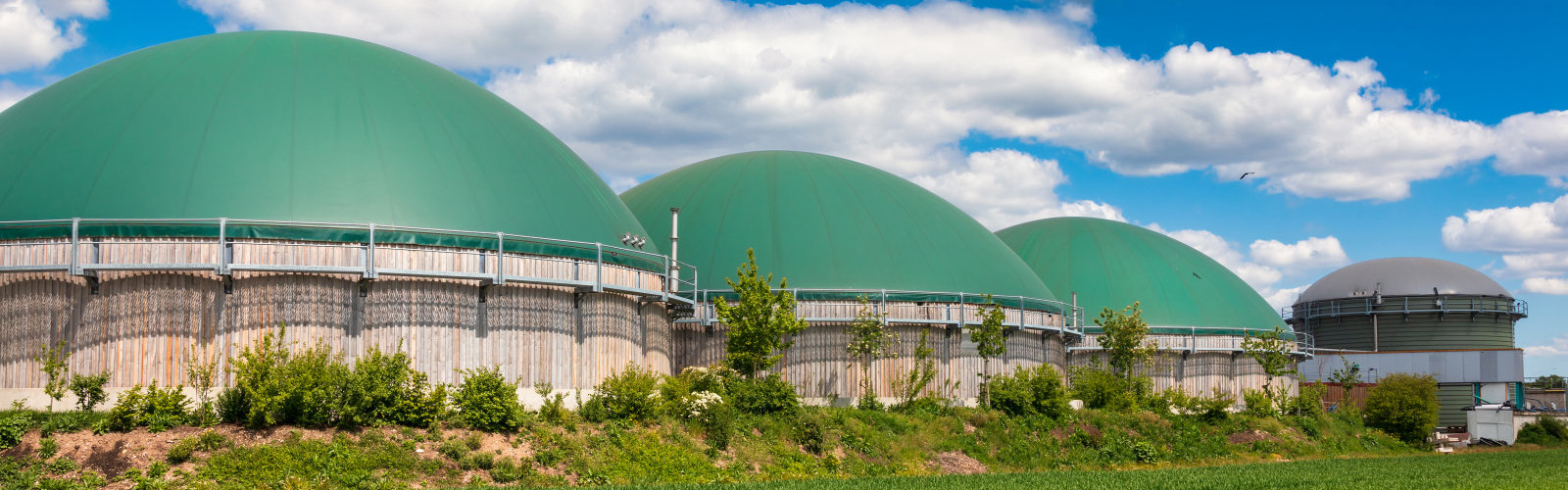
Before talking about purification, let’s understand the source. A covered lagoon is simply an anaerobic treatment pond sealed with a flexible membrane. The cover traps methane-rich biogas as bacteria break down manure or other organic waste.
Farmers choose covered lagoons because they are cheaper to build than steel or concrete digesters. They require less maintenance and can handle large volumes of dilute waste. However, the biogas from a lagoon typically contains 55-65% methane, 30-40% carbon dioxide, and traces of hydrogen sulfide (often 1,000–5,000 ppm). That hydrogen sulfide smells like rotten eggs and can corrode engines, boilers, or pipes.
Raw biogas also carries water vapor and sometimes siloxanes. Burning it directly on the farm for a heater is possible, but for higher-value uses like injecting into a natural gas pipeline or compressing for vehicles, you need a covered lagoon biogas purification system.
Why Purification Matters for Lagoon Biogas
Imagine filling your car’s fuel tank with muddy water. That’s what feeding raw biogas into a sensitive engine feels like. Impurities cause three big problems:
Corrosion: Hydrogen sulfide reacts with moisture to form sulfuric acid, eating away metal parts.
Low heating value: Carbon dioxide dilutes methane, reducing energy content per cubic foot.
Condensation issues: Water vapor can freeze in cold climates or clog filters.
A proper covered lagoon biogas purification system removes these unwanted components. The result is biomethane with over 95% methane content, meeting standards for renewable natural gas (RNG). Farmers can then sell the gas into pipelines, generate electricity with high-efficiency generators, or even power their own equipment without worrying about breakdowns.
International biogas upgrading equipment manufacturers have developed specific solutions for lagoon applications. These systems must tolerate fluctuating gas pressure and composition, something that traditional amine scrubbers or pressure swing adsorption units may struggle with.
Key Components of a Covered Lagoon Biogas Purification System
Let’s break down the typical parts you’ll find in such a system. Each component plays a critical role.
1. Gas Collection and Pre-treatment
From the lagoon cover, biogas travels through low-pressure piping. A knock-out drum removes bulk moisture. Some systems include a simple particle filter to catch debris like insects or bits of cover material. Pre-treatment extends the life of downstream equipment.
2. Hydrogen Sulfide Removal
This step is non-negotiable. For covered lagoon biogas, biological desulfurization is popular. Air (or oxygen) is injected in small amounts into the biogas stream. Naturally occurring bacteria inside the system convert H2S into elemental sulfur, which can be drained off. Another option is iron-based media that reacts with H2S to form iron sulfide. Both methods work well for the typical H2S levels found in lagoon gas.
3. Carbon Dioxide Separation
This is the heart of purification. Several technologies exist:
Water scrubbing: Biogas is pressurized and passed through a column of water. CO2 dissolves better than methane, so the exiting gas is enriched in methane. Water is then regenerated by stripping the CO2.
Pressure swing adsorption (PSA): Biogas flows through vessels filled with activated carbon or zeolites. These materials trap CO2 at high pressure, then release it when pressure drops.
Membrane separation: Hollow fiber membranes selectively allow CO2 to pass through, leaving methane behind.
For covered lagoon applications, water scrubbing is often preferred because it also removes remaining H2S and siloxanes, and the equipment can handle variable gas flows.
4. Drying and Compression
After CO2 removal, the biomethane still holds moisture. A refrigeration dryer or desiccant dryer brings dew point down to pipeline standards (usually -40°C or lower). Finally, a compressor boosts the gas pressure to 150-250 psi for injection into natural gas grids or to fill cylinders.
A complete covered lagoon biogas purification system integrates all these steps into a skid-mounted or containerized setup, making installation straightforward on farms.
How the Purification Process Works Step by Step
Let’s follow a cubic foot of biogas from the lagoon to the pipeline.
Step 1 – Collection: The lagoon cover traps gas. A blower or vacuum pump pulls it through a header pipe at very low pressure (just a few inches of water column).
Step 2 – Cooling and dewatering: The warm, saturated gas passes through a heat exchanger or a simple condenser. Water drips into a collection tank.
Step 3 – H2S removal: A biological trickling filter or iron sponge reactor cuts H2S down to below 10 ppm. This protects the CO2 removal unit.
Step 4 – CO2 removal: In a water scrubber, the gas enters the bottom of a tall column while fresh water sprays from the top. CO2 transfers into the water, and clean biomethane exits the top at about 96-98% methane. The CO2-laden water goes to a flash tank where dissolved gas is released and vented (or sometimes captured for other uses).
Step 5 – Polishing: A carbon filter removes any remaining trace impurities like volatile organic compounds.
Step 6 – Drying: A refrigeration dryer chills the gas to condense out water vapor. Some systems use a desiccant dryer for deeper drying.
Step 7 – Compression: A multi-stage reciprocating or screw compressor raises the pressure to match pipeline requirements.
The whole system runs automatically, with sensors monitoring gas quality. If methane content drops below a set point, an alarm triggers or the gas is flared instead of sent to the pipeline.
Benefits of Installing a Covered Lagoon Biogas Purification System
Why should a farm invest tens of thousands to millions of dollars in this equipment? Here are the main payoffs.
Revenue from RNG: Once purified, biomethane can be sold into natural gas pipelines. In many regions, utilities pay premium prices for renewable gas because of low-carbon fuel credits. A medium-sized dairy farm might generate $500,000 per year in extra income.
Reduced odor and emissions: Capturing methane that would otherwise escape into the atmosphere cuts greenhouse gas emissions. Methane is 25 times more potent than CO2 over 100 years. Plus, the purification system often includes a flare for excess gas, so no raw biogas is ever vented.
Lower maintenance costs: Raw biogas destroys engines and boilers quickly. A farm using purified biomethane in its own generator can run that generator for 8,000 hours between overhauls instead of 2,000 hours. The savings in parts and downtime add up fast.
Energy independence: Farms can use the purified gas to power irrigation pumps, milk cooling equipment, or even trucks. This reduces reliance on diesel or electricity from the grid.
Compliance with environmental rules: Many states and countries now require large livestock operations to control methane emissions. A covered lagoon biogas purification system not only meets those rules but also turns a waste product into a valuable asset.
Real-World Applications and Case Examples
Covered lagoons are most common in warm climates because anaerobic digestion slows down below 15°C (59°F). You’ll find them in California’s Central Valley, Florida, Texas, parts of Brazil, and Southeast Asia.
One example: a 3,000-cow dairy in California installed a covered lagoon and a water-scrubbing purification system. Before the upgrade, they flared most of the biogas. After adding the covered lagoon biogas purification system, they began injecting 120,000 MMBtu of RNG per year into a nearby pipeline. The project paid for itself in just over three years thanks to state incentives and carbon credits.
Another case: a swine farm in North Carolina uses a membrane-based purification system to produce vehicle fuel for their own fleet of manure hauling trucks. They save $30,000 annually on diesel while eliminating truck trips to off-site fueling stations.
Even smaller farms are getting in on the action. A 500-head dairy can install a scaled-down system (200-300 cfm of raw biogas) and produce enough biomethane to heat barns and a farmhouse, plus sell surplus to a local gas utility.
Challenges and How Manufacturers Solve Them
No technology is perfect. Covered lagoon biogas presents unique difficulties.
Variable gas quality: Temperature changes, feeding schedules, and lagoon sludge levels affect biogas production. A good purification system includes buffer storage (a gas holder) and real-time monitoring to adjust process parameters automatically. Manufacturers like DMT Environmental Technology, Greenlane Biogas, and Unison Solutions offer controllers that maintain output quality despite input swings.
Low pressure: Lagoon gas typically arrives at 2-5 inches water column. Most purification technologies need higher pressure. The solution is a low-pressure blower followed by a booster compressor before the scrubber. Some newer membrane systems can operate at low pressure (10-20 psi), reducing energy costs.
Hydrogen sulfide spikes: Sometimes H2S jumps to 10,000 ppm if the lagoon turns septic. Biological desulfurization may not handle sudden spikes. Many systems incorporate a backup iron sponge vessel that can be brought online during high-H2S events.
Maintenance access: Farms are dusty, wet, and full of flies. Enclosed skids with washdown-rated components are standard. Manufacturers also provide remote monitoring so technicians can diagnose issues without driving to the farm.
Despite these challenges, the track record is strong. Thousands of covered lagoon purification systems operate worldwide, many for over a decade.
Future Trends in Biogas Purification for Lagoons
The industry is moving toward smaller, smarter, and cheaper systems. Here’s what’s coming.
Electrochemical CO2 removal: Researchers are developing cells that pull CO2 out of biogas using electricity, with no moving parts. This could lower operating costs by 30%.
On-farm liquefaction: Instead of compressing biomethane into a pipeline, some systems will liquefy it into bio-LNG. That’s easier to transport by truck to off-grid users.
Integrated nutrient recovery: After purification, the leftover CO2 and the digested lagoon effluent can be combined to grow algae or fertilize crops. Some systems already capture the CO2 for greenhouse enrichment.
AI-driven control: Machine learning algorithms predict biogas composition based on weather, feed intake, and lagoon pH. The purification system adjusts ahead of changes, reducing methane slip and energy use.
For farm owners, the message is clear: a covered lagoon biogas purification system is no longer experimental. It’s a proven, bankable technology that turns a liability (manure) into a profit center (renewable gas).
Frequently Asked Questions (FAQ)
Q1:
What is the typical cost of a covered lagoon biogas purification system for a
medium-sized farm?
A1: For a farm with 1,000 to 2,000 cows
producing around 50-100 cubic feet per minute (cfm) of raw biogas, a complete
purification system (H2S removal, CO2 separation, drying, and compression) costs
between $400,000 and $1.2 million. Prices vary based on technology choice (water
scrubbing is usually cheaper than membranes) and site-specific requirements.
Most manufacturers offer leasing or power purchase agreement models to reduce
upfront costs.
Q2:
How much biomethane can a covered lagoon biogas purification system produce per
cow per day?
A2: On average, one dairy cow produces about 1.5 to
2.0 cubic feet of raw biogas per pound of volatile solids. A typical 1,500-pound
cow generates roughly 40-50 cfm of raw biogas per day. After purification, you
lose about 30-40% of volume due to CO2 removal, so net biomethane is around
25-35 cfm per cow per day. That’s equivalent to about 0.3 to 0.4 gallons of
gasoline energy equivalent per cow daily.
Q3:
Can the system handle frozen conditions in winter?
A3: Covered
lagoons themselves stop producing significant biogas when temperatures drop
below 50°F (10°C). If you live in a cold climate, you need to heat the lagoon or
use a different digester type (like heated mixed tank). For purification
equipment installed in cold regions, manufacturers provide insulated enclosures,
heat tracing on pipes, and low-temperature rated compressors. Some systems
recirculate warm water from the CO2 scrubber to keep components above
freezing.
Q4:
What maintenance does a covered lagoon biogas purification system require
weekly?
A4: Weekly checks include: inspecting the H2S removal
unit (change iron sponge media every 3-6 months or flush biological filters),
checking water levels and pH in the scrubber, draining condensate from knock-out
pots, verifying compressor oil levels, and cleaning any particle filters. Modern
systems have automated backwash cycles, but an operator should spend 2-4 hours
per week on visual inspections and logbook entries. Every 2,000 hours,
compressors need oil and filter changes.
Q5:
Is the purified biomethane safe to use in home appliances like stoves or
furnaces?
A5: Yes, provided the gas meets pipeline-quality
standards (typically >96% methane, <4 ppm H2S, dew point below -40°C, and
no oxygen above 0.5%). A covered lagoon biogas purification
system certified by organizations like the
International Biogas Association or the German DVGW can produce gas that is
interchangeable with natural gas. However, you must install a dedicated gas
train with a flame arrestor and pressure regulator. Never connect it directly to
household lines without professional inspection and local utility
approval.
Installing a covered lagoon biogas purification system is a serious investment, but the returns—financial, environmental, and operational—are hard to ignore. Whether you run a family dairy or a large swine operation, upgrading your lagoon gas opens doors to renewable energy markets and cleaner air for your community. Talk to at least three equipment suppliers, ask for references from farms similar to yours, and run the numbers. You might be surprised how fast that biogas pays for itself.