


7 Critical Factors for Selecting a Reliable CNG Biogas Plant in 2026
The global shift toward renewable vehicle fuels has put cng biogas plant technology at the center of the energy transition. Unlike simple flare-or-burn biogas systems, a modern cng biogas plant upgrades raw methane to pipeline-grade or vehicle-grade fuel. Operators everywhere now look for proven equipment that delivers high purity, low methane slip, and stable output. This article walks you through the real-world aspects that matter when investing in a cng biogas plant for biomethane compression and storage.
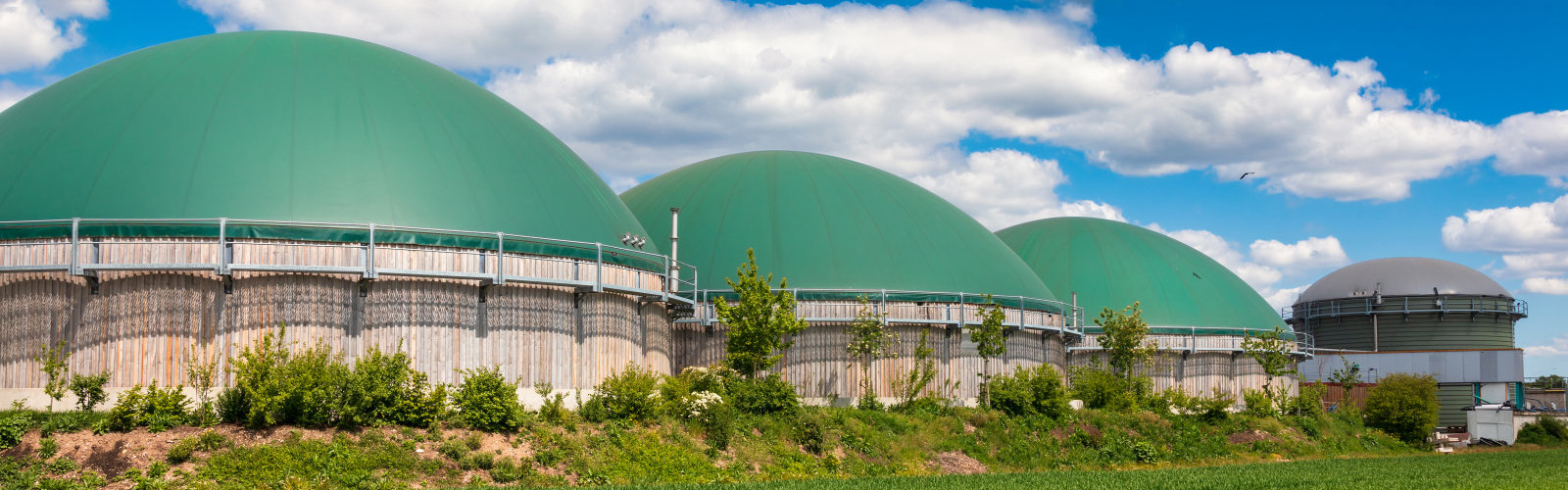
Why a CNG Biogas Plant Differs from Standard Biogas Units
Many people confuse a farm-scale biogas digester with a full cng biogas plant. The difference is huge. A standard unit produces gas for cooking or heating. A cng biogas plant, however, uses water scrubbing, pressure swing adsorption (PSA), or membrane separation. It then compresses the upgraded biomethane to 200–250 bar for vehicle use.
Such a plant requires robust components. You need desulfurization, drying, CO₂ removal, and multistage compression. Without these, the gas cannot meet CNG standards. International manufacturers like Dreyer & Bosse, Greenlane, and Pentair Haffmans have built hundreds of these systems worldwide.
Factor 1: Feedstock Flexibility and Pretreatment Needs
Your cng biogas plant performance starts with incoming biogas. Raw biogas from manure, food waste, or landfill differs dramatically. A good cng biogas plant handles H₂S levels up to 5,000 ppm with biological or chemical scrubbers. It also removes siloxanes if you use landfill gas.
Pretreatment includes particle filtration and condensation control. Many buyers skip this step and later face clogged membranes or corroded compressors. Always ask the supplier: “What is your guaranteed inlet gas specification?” A reliable cng biogas plant manufacturer provides clear limits for methane content (usually 50–70% raw) and contaminants.
Factor 2: Upgrading Technology – Water Scrubbing vs. PSA vs. Membranes
Three main technologies dominate cng biogas plant designs today. Each has pros and cons.
Water scrubbing uses pressurized water to absorb CO₂ and H₂S. It is simple and robust. However, it consumes large amounts of water and energy. For small to medium cng biogas plant capacities (100–500 Nm³/h raw gas), this works well.
Pressure swing adsorption (PSA) uses carbon molecular sieves. It delivers high methane recovery (>96%) but needs dry, clean gas. PSA is common in European cng biogas plant installations.
Membrane separation is gaining ground. It has a small footprint and low operating costs. The downside? Membranes degrade over time with impurities. For a cng biogas plant processing dirty landfill gas, membranes may fail early.
Your choice depends on local utility costs and gas composition. Many operators now combine membrane pre-treatment with PSA polishing.
Factor 3: Compression Stage – The Heart of Any CNG Biogas Plant
Upgraded biomethane at atmospheric pressure is useless. A cng biogas plant must raise pressure to 200–250 bar for cascade storage or direct vehicle fueling. This requires multi-stage reciprocating compressors.
Look for oil-free or low-oil designs. Oil carryover can ruin downstream drying beds and vehicle injectors. A quality cng biogas plant uses hermetic compressors or diaphragm compressors. Maintenance intervals matter: ask for 4,000–8,000 hours between overhauls.
Heat management is critical. Compression generates high temperatures (over 150°C). Intercoolers and aftercoolers must keep discharge below 40°C. Otherwise, moisture recondenses inside storage cylinders, causing corrosion and safety risks.
Factor 4: Methane Slip and Environmental Compliance
Methane is 25 times more potent than CO₂ as a greenhouse gas. A poorly designed cng biogas plant can leak 5–10% of its methane to the atmosphere. That negates any climate benefit.
Leading manufacturers now guarantee methane slip below 1%. How? They use closed-loop control, proper valve seals, and off-gas oxidation units. In some countries, you cannot operate a cng biogas plant without continuous methane monitoring on vents.
Check if the plant includes a thermal oxidizer or catalytic converter for the off-gas stream. This is especially important for PSA systems, where the desorption step releases residual methane.
Factor 5: Drying and Dew Point Control
Wet CNG damages engines and cylinders. Your cng biogas plant must achieve a water dew point below -40°C at 250 bar. Most systems use refrigeration drying followed by desiccant dryers.
A common mistake is undersizing the drying unit. If the cng biogas plant processes biogas with 5% water vapor (saturated at 35°C), the dryer must remove over 1,000 liters of water per 1,000 Nm³ of gas. Failing that leads to frozen valves in winter or rust in storage tanks.
Ask for real dew point data from similar installations. Reputable suppliers provide performance curves across ambient temperature ranges.
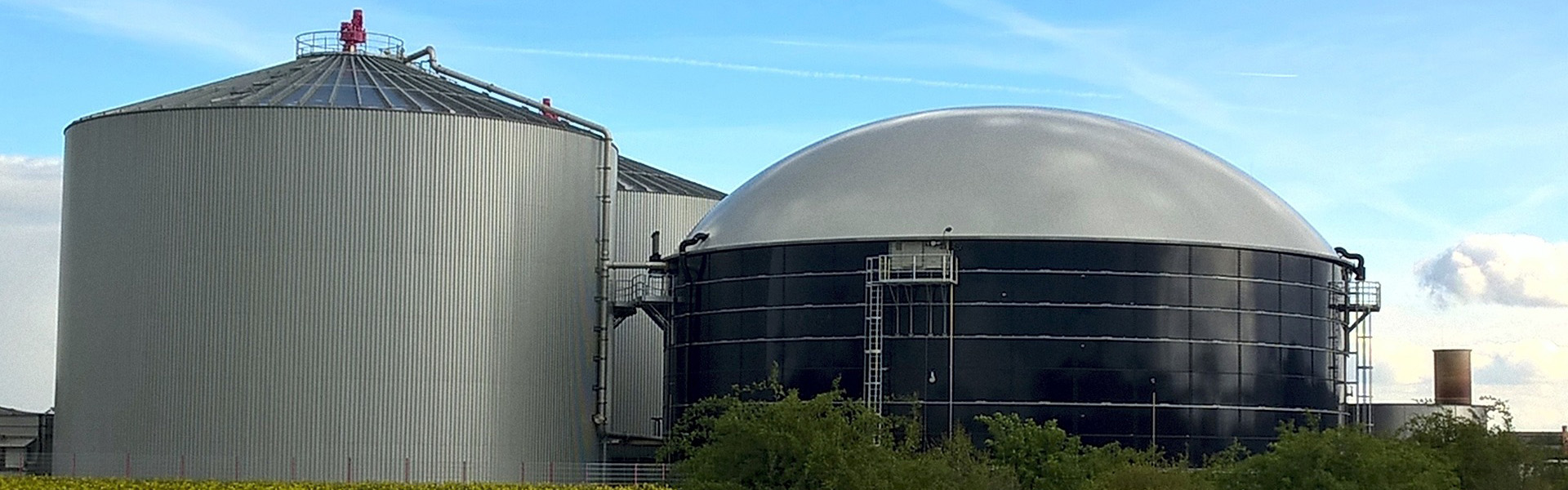
Factor 6: Control System and Remote Monitoring
Modern cng biogas plant operation relies on smart automation. You need real-time data on methane concentration, pressure, temperature, and gas flow. The PLC should log alarms for high H₂S, low pressure, or compressor vibration.
Cloud-based monitoring is becoming standard. A good cng biogas plant allows you to adjust setpoints from a mobile phone. Some systems even predict filter changes based on differential pressure trends.
Avoid plants with proprietary lock-in controls. Choose open-protocol systems (Modbus, OPC UA) so you can integrate with existing SCADA. Downtime on a cng biogas plant costs money – every hour of lost production means buying diesel instead of selling biomethane.
Factor 7: Safety Features and Certification
CNG at 250 bar is dangerous if mishandled. Your cng biogas plant must include burst discs, pressure relief valves, and gas detectors. All high-pressure components should be certified to ISO 11439 or ECE R110.
Look for a plant that performs automatic shutdown on low ventilation or gas detection. The compressor room needs explosion-proof electricals (ATEX or Class I Division 2). Some operators also install remote emergency stops at the vehicle filling point.
Ask for a hazard and operability (HAZOP) study from the supplier. A serious cng biogas plant manufacturer provides this as part of the design package. Do not accept cheap alternatives that skip safety interlocks.
Real-World Performance: Case Example from Germany
A dairy cooperative in Lower Saxony installed a 500 Nm³/h cng biogas plant in 2023. They used membrane upgrading with a four-stage oil-free compressor. In the first year, they produced 3.2 million Nm³ of biomethane. Methane slip measured 0.8%. The cng biogas plant paid back 40% of its capital cost within 18 months due to high CO₂ certificate prices.
The key to their success? They overspecified the dryer and added a buffer tank before compression. This smoothed out fluctuations from the digester. The lesson: a robust cng biogas plant design anticipates real-world variability, not ideal lab conditions.
Cost Breakdown and ROI Considerations
What does a turnkey cng biogas plant cost today? For a 200 Nm³/h raw gas input, expect €1.2–1.8 million. Larger 1,000 Nm³/h systems run €4–6 million. Major cost drivers are the compressor (30%), upgrading unit (25%), and drying/pretreatment (20%).
Operational expenses include electricity (0.2–0.3 kWh per Nm³ of raw gas), membrane or adsorbent replacement, and labor. Many operators achieve a payback period of 4–7 years depending on local gas prices and subsidies.
However, the most profitable cng biogas plant owners also sell the captured CO₂. If you use a water scrubber or membrane, the CO₂ stream can be purified for industrial use or beverage carbonation. That adds another revenue stream of €50–100 per ton.
Future Trends: Smaller Modular CNG Biogas Plants
The market is moving toward containerized, modular cng biogas plant designs. These arrive pre-tested on a skid. You connect biogas inlet, power, and CNG outlet. Installation takes two weeks instead of six months.
Manufacturers like BioCNG and Flotech now offer units as small as 50 Nm³/h. These are perfect for farms with 500 cows or food processing plants. The modular cng biogas plant also scales easily – add a second compressor or membrane rack as production grows.
Another trend is electrification of compression using variable frequency drives (VFDs). This cuts energy use by 25% compared to fixed-speed compressors. A VFD-equipped cng biogas plant also reduces mechanical stress, extending compressor life.
Maintenance Must-Dos for Long Plant Life
Even the best cng biogas plant needs regular care. Create a schedule based on running hours, not calendar days. Critical checks:
Daily: Record gas composition, pressure drops, and compressor oil levels. Listen for unusual valve noise.
Weekly: Test gas detectors and pressure relief valves. Inspect hoses for cracking.
Monthly: Change coalescing filters. Check dryer desiccant color (blue = dry, pink = saturated).
Quarterly: Calibrate methane and H₂S analyzers. Sample and test compressor oil for metal particles.
Yearly: Overhaul compressor valves and piston rings. Replace membranes or PSA adsorbent per manufacturer limits.
Keep a logbook of every failure. Over time, you will identify weak spots. One cng biogas plant operator found that solenoid valves failed every 6 months due to dirty power. A simple line filter solved the problem.
Common Mistakes When Buying a CNG Biogas Plant
Avoid these errors that waste money and cause downtime:
Ignoring grid injection rules – Some regions require odorization (mercaptan) for CNG used in vehicles. Not all cng biogas plant designs include an odorant injector.
Buying based on price only – The cheapest plant often lacks spare parts support. One buyer waited 8 weeks for a compressor valve from a Chinese supplier.
Forgetting about gas storage – A cng biogas plant without cascade storage cannot buffer production from demand. You need at least 2–3 hours of compressed gas storage.
Skipping training – Operators must understand the difference between low-pressure and high-pressure systems. Untrained staff have caused dangerous over-pressurization events.
Overlooking ventilation – Compressor rooms need 6–12 air changes per hour. Without it, a small leak creates an explosion risk.
A well-designed cng biogas plant turns waste into wealth. It produces renewable vehicle fuel, cuts greenhouse gases, and creates energy independence. But success depends on seven critical factors: feedstock compatibility, upgrading technology, compressor quality, methane slip control, drying capability, automation, and safety certifications. Every operator should benchmark potential suppliers against these points. The global cng biogas plant market continues to grow at 12% annually, driven by stricter emission rules and high diesel prices. By choosing the right system and maintaining it properly, you can achieve a 15-year operational life with reliable daily output.
Frequently Asked Questions (FAQ)
Q1: What is the typical methane purity from a CNG
biogas plant for vehicle use?
A1: A standard cng biogas plant must produce biomethane with at
least 95–97% methane content by volume. Vehicle-grade CNG also requires less
than 2% oxygen, 50 ppm H₂S, and a water dew point below -40°C. Most modern
plants achieve 98% methane with membrane or PSA upgrading.
Q2: How much electricity does a CNG biogas plant
consume per cubic meter of raw gas?
A2: Average consumption ranges
from 0.20 to 0.35 kWh per Nm³ of raw biogas. A 500 Nm³/h cng biogas plant therefore uses 100–175 kWh
continuously. The compressor accounts for 70% of this load. Energy-efficient
designs with VFD compressors drop to 0.18 kWh/Nm³.
Q3: Can a CNG biogas plant run on landfill gas with
high siloxane content?
A3: Yes, but only with additional pretreatment.
Siloxanes form abrasive silica deposits in engines and compressors. A cng biogas plant processing landfill gas needs
activated carbon or refrigeration-based siloxane removal. Without it, compressor
valve life drops from 8,000 hours to under 500 hours.
Q4: What is the typical payback period for a
small-scale CNG biogas plant on a farm?
A4: For a 100 Nm³/h cng biogas plant (upgrading manure biogas from
300 cows), payback is usually 5 to 8 years. This assumes a selling price of
€1.20 per kg of biomethane and a capital cost of €800,000. Shorter payback (3–4
years) occurs if you also sell CO₂ or qualify for renewable fuel credits.
Q5: How often must I replace the membranes or adsorbent
materials?
A5: Membrane lifespan is 5–10 years under clean gas
conditions. PSA adsorbent (carbon molecular sieves) lasts 3–5 years. However,
a cng biogas plant with poor pretreatment
may see membrane failure in 18 months. Always follow the manufacturer’s gas
cleanliness specs – they are not optional.