


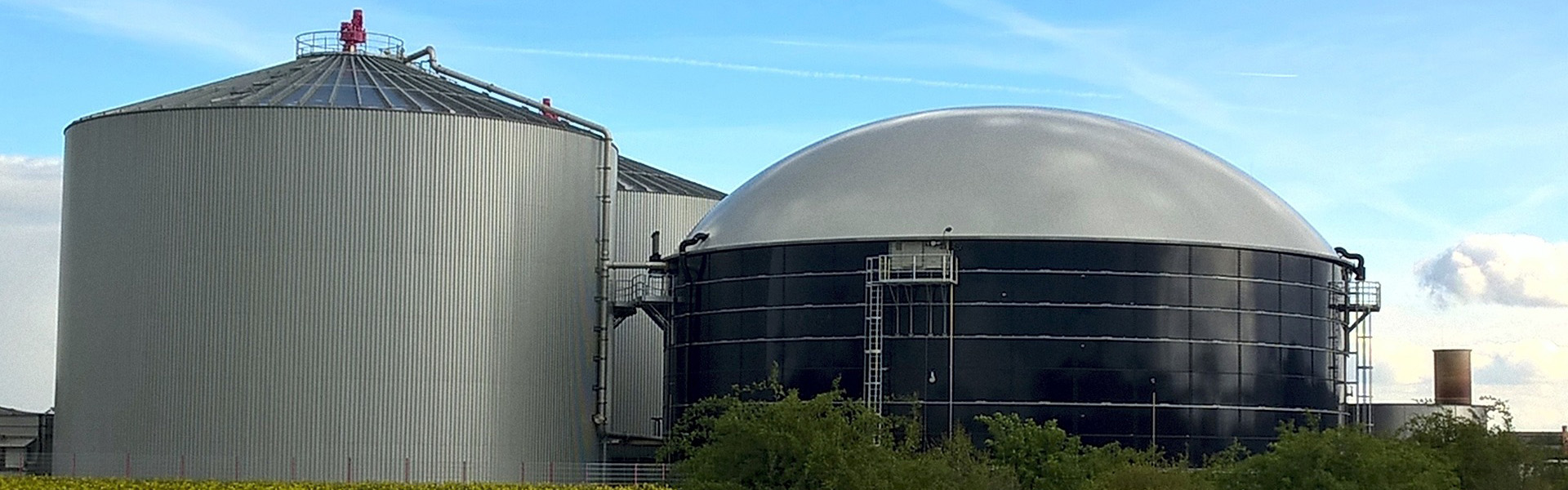
7 Things You Should Know About BPCL 2G Ethanol Plant and Its Link to Biogas Upgrading Equipment
If you follow bioenergy news, you have probably heard about India’s push for advanced biofuels. One name that keeps coming up is the BPCL 2G ethanol plant. This facility is not just another refinery addition. It represents a major step in turning agricultural waste into fuel.
But here is what many people miss. The technology behind second-generation ethanol shares a lot with modern biogas upgrading equipment. In fact, equipment manufacturers in the international biogas sector are watching the BPCL 2G ethanol plant closely. Why? Because the same principles of gas cleaning, compression, and fermentation apply.
Let me break down what makes this plant special. I will also show you how it connects to the world of biogas upgrading devices. You will get practical insights without the usual marketing fluff.
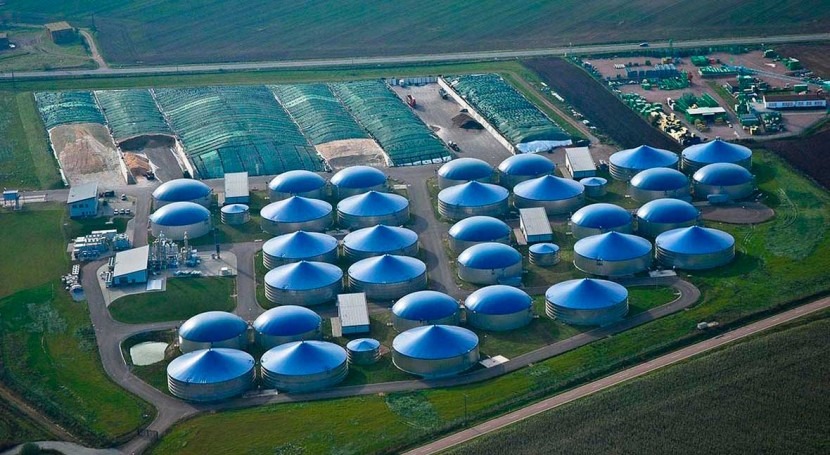
What Exactly Is the BPCL 2G Ethanol Plant?
The BPCL 2G ethanol plant is located in Bargarh, Odisha. It was commissioned by Bharat Petroleum Corporation Limited. The plant uses rice straw and other agricultural residues as feedstock. These materials usually get burned in fields, causing pollution. Instead, the plant converts them into ethanol.
Second-generation (2G) means the feedstock is non-food based. That is a big deal. First-generation ethanol uses sugarcane or corn. Those compete with food supply. The BPCL 2G ethanol plant avoids that problem entirely.
The plant has a capacity of 100 kiloliters per day. That is roughly 30 million liters per year. For a developing country with massive farming waste, this scale matters.
How Biogas Upgrading Equipment Relates to This Plant
You might wonder what biogas equipment has to do with ethanol. Here is the connection. Both processes start with biomass breakdown. In a biogas plant, microbes digest organic matter to produce raw biogas. That gas contains methane, CO2, and impurities. Upgrading equipment removes the CO2 and H2S to create biomethane.
In the BPCL 2G ethanol plant, the process is different but similar in one key step. After pretreatment and enzymatic hydrolysis, sugars ferment into ethanol. But there is also a side stream of lignin residue. That residue can be gasified or digested to produce biogas. Some advanced designs even integrate biogas upgrading units to capture additional value.
International equipment makers like DMT, Greenlane, and Malmberg have decades of experience in gas upgrading. Their technology can support a BPCL 2G ethanol plant by treating the biogas generated from process waste. This creates a circular system. More ethanol, less waste, and extra renewable gas.
The Core Technology Behind BPCL’s 2G Facility
Let me give you a technical overview. The BPCL 2G ethanol plant uses a combination of acid pretreatment and enzymatic hydrolysis. First, rice straw gets chopped and treated with dilute acid. This breaks down the lignin barrier. Then enzymes convert cellulose into sugars.
Those sugars go into fermentation tanks. Yeast turns them into ethanol. Distillation separates the ethanol from water. The final dehydration step gives you fuel-grade ethanol.
What about the leftover material? That is where biogas upgrading equipment could enter. The lignin-rich residue has energy value. If you digest it anaerobically, you get raw biogas. A standard biogas upgrading skid can then turn that into pipeline-grade biomethane. Several equipment suppliers offer modular units that fit right next to a BPCL 2G ethanol plant.
Why This Plant Matters for International Equipment Manufacturers
If you sell biogas upgrading systems, you should pay attention. India plans to set up 12 more 2G ethanol plants under its bio-refinery program. Each plant creates opportunities for ancillary gas treatment units.
The BPCL 2G ethanol plant already demonstrates that agricultural waste can be processed at commercial scale. But the economics improve when you add biogas recovery. Equipment that upgrades biogas to 95%+ methane can increase revenue by selling biomethane or renewable natural gas (RNG).
Manufacturers from Europe and North America are adapting their systems for Indian conditions. High dust loads, varying feedstock moisture, and ambient temperature swings are real challenges. The BPCL 2G ethanol plant serves as a testbed for robust gas cleaning solutions.
Environmental Benefits You Should Know
Let’s talk numbers. One BPCL 2G ethanol plant processes about 200,000 tons of rice straw per year. That stops 300,000 tons of CO2 equivalent from open burning. But that is just the start.
When you add biogas upgrading equipment to handle process residues, you avoid another 15,000 tons of CO2 per plant. The upgraded biomethane can replace diesel or natural gas in nearby industries. Some equipment now achieves 99% methane recovery with less than 1% methane slip. That is critical for climate targets.
Also, the plant produces organic manure as a byproduct. Farmers get back nutrients. So the BPCL 2G ethanol plant supports regenerative agriculture. Not many fuel facilities can claim that.
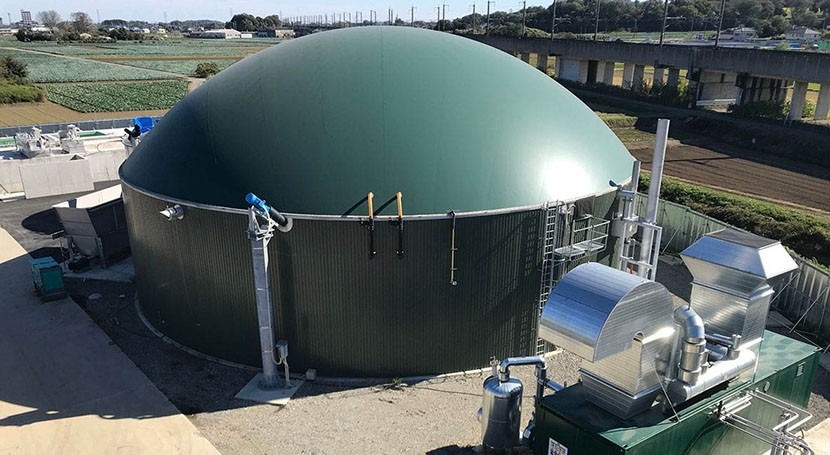
Operational Challenges and How Equipment Solves Them
Running a 2G ethanol plant is not easy. The BPCL 2G ethanol plant faced delays due to feedstock logistics and enzyme costs. But another hidden issue is gas management. Fermentation releases CO2. That CO2 contains traces of ethanol and volatile organics. You cannot just vent it.
Biogas upgrading equipment often includes activated carbon filters and membrane separators. The same technology can clean fermentation off-gases. Some suppliers now offer integrated systems that capture ethanol vapors and recycle them. This increases yield by 2-3%.
Another challenge is water use. The BPCL 2G ethanol plant consumes a lot of water for cooling and washing. Biogas upgrading units produce dry gas, and the water removed can be reused. Membrane-based upgrading, for example, generates no chemical waste and uses minimal electricity. That fits the plant’s sustainability goals.
Cost Comparison: 2G Ethanol vs. Biogas Upgrading
Many investors ask which is more profitable. The BPCL 2G ethanol plant costs around $100 million to build for a 100 KL/day capacity. A biogas upgrading system for the same feedstock volume costs roughly $5-10 million. That is much lower.
But ethanol sells for a higher price per liter than biomethane per energy equivalent. So both have their place. The smart move is to combine them. Use the 2G plant for primary ethanol production. Then add a biogas upgrading skid to treat the residual solids. The BPCL 2G ethanol plant could increase its internal rate of return by 4-6% with such integration.
Equipment manufacturers now offer hybrid solutions. One example is a modular system that includes hydrolysis, fermentation, and biogas upgrading in one containerized platform. That lowers installation time and costs.
Future Trends in Bioenergy Integration
Looking ahead, I expect more synergy between ethanol refineries and biogas upgrading. The BPCL 2G ethanol plant is just the first of many. By 2030, India aims for 20% ethanol blending in gasoline. That requires massive production capacity.
At the same time, the biogas sector is growing. The government offers subsidies for compressed biogas (CBG) plants. Equipment makers who supply both 2G ethanol and biogas upgrading will win. They can sell a complete package: pretreatment, fermentation, gas cleaning, and compression.
Also, new membranes and pressure swing adsorption (PSA) units are becoming cheaper. A small BPCL 2G ethanol plant can now afford a biogas upgrading system that used to cost twice as much. That opens opportunities for decentralized bioenergy hubs.
Common Questions About BPCL 2G Ethanol Plant and Biogas Equipment
Q1: What is the daily output of the BPCL 2G ethanol plant?
A1: The plant produces 100 kiloliters of ethanol per day. That is roughly 30 million liters annually. It consumes about 200,000 tons of rice straw each year. The plant also generates around 30 tons of organic manure daily as a byproduct.
Q2: Can biogas upgrading equipment be retrofitted to an existing BPCL 2G ethanol plant?
A2: Yes, most biogas upgrading systems are modular and skid-mounted. You can install a membrane or PSA unit next to the plant’s residue handling area. The retrofitting typically takes 4-6 weeks and does not stop ethanol production. Equipment suppliers like DMT or Greenlane offer retrofit designs specifically for 2G ethanol facilities.
Q3: What is the typical methane purity from biogas upgrading at such a plant?
A3: Modern upgrading equipment achieves 96-99% methane purity. The remaining is mostly CO2 and trace gases. For pipeline injection or CBG production, purity above 95% is acceptable. Some membrane systems can reach 98.5% with two-stage separation. The BPCL 2G ethanol plant could use this upgraded biogas to power its own boilers or sell it to gas grids.
Q4: How does the cost of biogas upgrading compare to building another 2G ethanol line?
A4: Biogas upgrading costs roughly $5-10 million for a 500 m³/hour system. A new 2G ethanol line of similar capacity would cost $50-70 million. So upgrading is far cheaper. The payback period for biogas equipment at a BPCL 2G ethanol plant is usually 3-5 years, depending on local gas prices.
Q5: What maintenance does biogas upgrading equipment require at a 2G ethanol plant?
A5: Membrane systems need filter replacements every 2-3 years. PSA units require valve and desiccant checks every 6 months. Activated carbon vessels need change every 1-2 years. Regular maintenance takes about 8 hours per week. Most equipment makers offer remote monitoring. The BPCL 2G ethanol plant has an on-site team trained for basic upkeep.
Q6: Does the BPCL 2G ethanol plant currently use any biogas upgrading technology?
A6: As of now, the Bargarh plant focuses on ethanol production. It does not have a dedicated biogas upgrading unit for residue treatment. However, BPCL has expressed interest in integrating CBG production in future phases. Several equipment manufacturers have submitted proposals for pilot upgrading systems at the site.
Q7: What feedstock works best for combined 2G ethanol and biogas upgrading?
A7: Rice straw and wheat straw are ideal because they have high cellulose content. Corn stover and bagasse also work well. The key is that the residue after ethanol extraction still has 30-40% of its original energy content as lignin and hemicellulose. That leftover is perfect for anaerobic digestion followed by biogas upgrading. The BPCL 2G ethanol plant already has a steady supply of rice straw, so adding upgrading equipment makes practical sense.
Final Thoughts
The BPCL 2G ethanol plant is more than a national showcase. It is a real-world example of how second-generation biofuels can work. But to maximize value, plant operators should look beyond ethanol. Biogas upgrading equipment offers a low-cost, high-return addition.
If you are in the international bioenergy equipment field, keep an eye on BPCL’s next moves. They are likely to issue tenders for gas upgrading systems soon. And if you are just a curious reader, remember this: the future of fuel is not one technology. It is smart integration. The BPCL 2G ethanol plant proves that point better than any brochure.