


News
We'll get back to you as soon as possible.
Biomethane Projects: Real-World Examples, Costs, and What Works in 2026
Across Europe and North America, new biomethane projects are being announced almost every week. Some are small farm-based units. Others are massive industrial facilities feeding gas into national transmission grids.
But not all of these projects succeed. I’ve seen well-funded plants struggle with bad technology choices. And I’ve seen small cooperatives thrive with simple, robust equipment.
The difference usually comes down to planning. Understanding what real biomethane projects look like—the good, the bad, and the profitable—can save you millions.
Let’s walk through the current landscape. We’ll cover project types, technology selection, financing, and common pitfalls. And we’ll look at actual case studies from the field.
Why Biomethane Projects Are Multiplying Right Now
Three forces are driving the boom in biomethane projects. First, renewable fuel mandates in the EU and US have set hard targets for 2030. Second, natural gas prices have become volatile, making long-term biomethane contracts attractive. Third, equipment costs have dropped.
In Germany alone, over 200 new upgrading units came online last year. France has a pipeline of 400+ projects waiting for grid connection approvals. Even in the UK, where policy has been shaky, new biomethane projects are popping up on dairy farms and food waste plants.
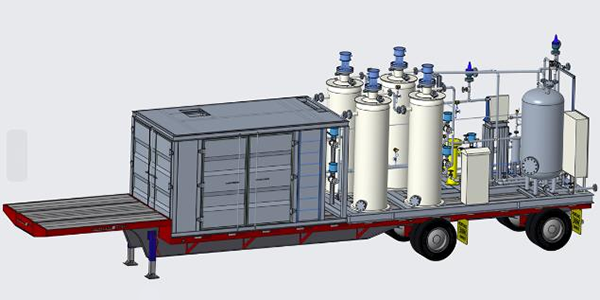
Equipment manufacturers like DMT, Greenlane, and Pentair have expanded production. Lead times for standard 500 Nm³/h containerised units are now down to 6-8 months. That’s half what it was in 2022.
The Four Main Types of Biomethane Projects You’ll See Today
Not every biomethane projects looks the same. Based on feedstock, scale, and end-use, you can group them into four categories.
1. Agricultural Farm-Scale Projects
These are the most common. A dairy, pig farm, or poultry operation installs an anaerobic digester fed with manure and some energy crops (like maize or grass silage). The raw biogas goes through a small upgrading skid—often water scrubbing or PSA—and then gets injected into the local distribution grid.
Typical size: 50-200 Nm³/h of biomethane.
Investment: €500,000 to €1.5 million for upgrading alone.
Payback: 4-7 years, depending on subsidies.
I visited a 500-cow dairy in the Netherlands last month. Their 120 Nm³/h PSA unit runs on manure only. They sell the upgraded gas to a nearby greenhouse. The project paid for itself in 5 years. Now they’re adding a second digester.
2. Industrial Food Waste Projects
Large food processing plants—breweries, potato chip factories, juice producers—generate high-strength organic waste. Instead of paying to treat it, they digest it and upgrade the biogas.
These biomethane projects are usually bigger. 300-1000 Nm³/h is typical. They often use membrane or amine systems because the feedstock is consistent and methane slip needs to be low.
A potato waste plant in Belgium processes 80,000 tonnes of peels and rejects per year. Their 800 Nm³/h membrane upgrading unit feeds into the high-pressure transmission grid. The operator told me their biggest challenge is removing sand and stones before digestion.
3. Landfill Gas-to-Biomethane Projects
Landfills produce gas for decades after closure. Many older projects just flared it or ran engines. Now, landfill operators are retrofitting upgrading units to inject the gas or sell it as bio-CNG for trucks.
Landfill gas is tricky. It contains siloxanes, VOCs, and often high oxygen. Pre-treatment is expensive. But the feedstock cost is zero. Several biomethane projects in California and the UK are profitable at current carbon credit prices.
Size range: 200-2000 Nm³/h.
Equipment choice: PSA or membranes with aggressive pre-treatment.
4. Centralised Co-digestion Projects
These are the heavy hitters. Multiple farms and food companies send their organic waste to one central facility. The plant digests everything together and upgrades all the biogas.
Denmark leads here. Their centralised biomethane projects often exceed 2000 Nm³/h. They use amine scrubbing for >99% methane recovery and sell the captured CO₂ to beverage companies.
Investment for these projects runs €10-30 million. But the returns are solid because of scale. One Danish plant I studied produces enough biomethane to fuel 500 buses.
How to Plan a New Biomethane Project: Six Critical Steps
Starting a biomethane projects without a clear roadmap is a fast way to burn money. Here’s the sequence that works, based on dozens of successful installations.
Step 1: Feedstock analysis – Get a lab to test your feedstock for methane potential, H₂S, ammonia, siloxanes, and moisture. Don’t skip this.
Step 2: Grid or off-take agreement – Before you buy equipment, sign a gas purchase agreement or secure grid injection permission. In some countries, waiting for grid approval takes 18 months. Do that first.
Step 3: Technology selection – Match your feedstock, scale, and utility availability to the right upgrading technology (water, PSA, membrane, or amine). Get at least three quotes.
Step 4: Permitting – Environmental permits, building permits, grid connection permits. Budget 6-12 months.
Step 5: Equipment procurement and installation – Lead times vary. Containerised units are fastest. Site work usually takes 3-6 months.
Step 6: Commissioning and training – Plan for 2-4 weeks of ramp-up. Train your operators on the specific quirks of your upgrading skid.
Financing Biomethane Projects: Where the Money Is Coming From
Even profitable biomethane projects need upfront capital. Here’s where developers are finding it in 2026.
Green bonds and sustainability-linked loans – Major banks now have dedicated teams for biogas and biomethane. Interest rates are 1-2% lower than standard commercial loans if your project meets certain ESG criteria.
Government grants and subsidies – The EU’s REPowerEU plan has €10 billion for biomethane. The US Inflation Reduction Act offers tax credits up to $0.50 per gallon of renewable natural gas (RNG) equivalent. Many US biomethane projects now pencil out with no other subsidy.
Equipment leasing – Some manufacturers offer lease-to-own programs. You pay a monthly fee covering the upgrading unit and maintenance. After 5-7 years, you own the equipment. This reduces upfront risk.
Carbon credit pre-sales – You can sell future carbon credits from your biomethane projects to corporate buyers at a discount. That provides cash during construction.
One project developer in Italy told me they financed 40% of their €6 million plant through pre-sold carbon credits alone. The rest came from a green loan at 3.2% interest.
Common Failures in Biomethane Projects (And How to Avoid Them)
I’ve seen too many biomethane projects struggle or fail. Here are the top three mistakes.
Mistake #1: Skimping on pre-treatment – Raw biogas always has more contaminants than you expect. If your upgrading unit gets fouled by H₂S or moisture, performance drops fast. Solution: Over-spec your pre-treatment. Add a polishing step you think you don’t need.
Mistake #2: Ignoring methane slip – Old membrane systems lost 5-8% of methane to the off-gas. That’s lost revenue and a regulatory risk. New EU rules cap slip at 2% for grid injection. Solution: Ask every supplier for a guaranteed slip number under your actual flow conditions. Get it in writing.
Mistake #3: Poor grid connection planning – In some regions, grid operators require expensive gas quality monitoring equipment and remote shut-off valves. One French project spent €300k on grid compliance hardware—more than the upgrading unit itself. Solution: Talk to your grid operator early. Get a written specification.
Three Real Biomethane Projects You Can Learn From
Let’s look at actual biomethane projects that are running today.
Case A: Danish centralised plant, 2500 Nm³/h
Feedstock: Manure from 50 farms + food waste. Technology: Amine scrubbing with CO₂ liquefaction. Investment: €22 million. Revenue streams: Gas sales, CO₂ sales (to soft drink industry), carbon credits. Payback: 6 years. The lesson: Scale and multiple revenue streams work.
Case B: German farm-scale, 80 Nm³/h
Feedstock: Pig manure and maize silage. Technology: Water scrubbing. Investment: €600k. Revenue: Grid injection at feed-in tariff of €0.12/kWh. Payback: 5 years. The lesson: Small projects can work if you have cheap feedstock and a stable tariff.
Case C: US landfill gas project, 600 Nm³/h
Feedstock: Landfill gas (30 years old). Technology: Membrane with extensive pre-treatment (refrigeration, activated carbon, siloxane removal). Investment: $4.5 million. Revenue: RNG credits (LCFS + federal RINs) plus gas sales. Payback: 3.5 years. The lesson: High pre-treatment cost is worth it if credits are strong.
The Future of Biomethane Projects: What Equipment Makers Are Saying
I’ve spoken with technical directors at five major upgrading equipment manufacturers. Here’s what they see coming for biomethane projects in the next three years.
First, modular containerised units will dominate. One manufacturer told me 80% of their new orders are containerised. Customers want to drop a box on a concrete pad and start upgrading within days.
Second, digital twins and remote optimisation are becoming standard. New systems monitor methane slip, energy use, and gas quality in real time. Some can automatically adjust cycle times to maintain spec when inlet gas changes.
Third, integrated CO₂ capture is moving from niche to mainstream. Several manufacturers now offer bolt-on CO₂ liquefaction skids. The captured CO₂ can be sold for €100-200 per tonne.
Fourth, Chinese suppliers are entering the European market with PSA and membrane units priced 30-40% lower than European brands. Quality varies, but some are good. This will drive prices down across the board.
Practical Advice for Your First Biomethane Project
If you’re serious about launching a biomethane projects, start small but plan for scale. Buy an upgrading skid that can handle 50% more flow than your current biogas production. That gives you room to add more feedstock later.
Don’t overspend on technology. For most farm-scale projects, a simple water scrubber or PSA unit is fine. You don’t need an amine plant with 99.5% recovery if your grid only requires 96%.
Build relationships with local service providers. Upgrading units break. Having a technician who can swap a valve or replace a membrane module within 24 hours is worth more than a cheap purchase price.
And finally, talk to other project owners. Join industry groups like the European Biogas Association or the American Biogas Council. The real lessons aren’t in brochures. They’re in the shop talk at conferences.
The biomethane projects wave is real. But it’s not a gold rush. It’s a manufacturing business. Treat it like one, and you’ll do fine.
Frequently Asked Questions About Biomethane Projects
Q1: How much does it cost to start a biomethane project from scratch?
A1: For a small farm-scale project with 100 Nm³/h capacity, total installed cost (digester + upgrading + grid connection) typically runs €1.5-2.5 million. The upgrading skid itself is about €300,000-500,000 of that. Larger industrial projects can exceed €10 million. The biggest variable is feedstock handling and pre-treatment.
Q2: Which countries have the most successful biomethane projects right now?
A2: Germany leads by number of projects (over 900 grid-injected plants). Denmark has the highest penetration of biomethane in its gas grid (over 30%). France is growing fastest, with 400+ projects under development. In North America, California and New York have strong markets due to Low Carbon Fuel Standard credits. Canada’s Quebec is also active.
Q3: How long does it take to get a biomethane project permitted and built?
A3: Permitting alone takes 6-18 months depending on your location. Construction of the digester and upgrading unit takes another 6-12 months. Total from concept to gas injection is rarely less than 18 months. Many projects take 2-3 years. The grid connection approval is often the longest step.
Q4: Can I sell biomethane from my project as vehicle fuel instead of grid injection?
A4: Yes, many biomethane projects now produce bio-CNG or bio-LNG for trucks, buses, or ships. You’ll need a compression or liquefaction unit after upgrading. Vehicle fuel often commands a higher price than grid injection, especially in markets with heavy transport decarbonisation mandates. But you also need fueling stations or delivery logistics.
Q5: What’s the typical methane slip limit for new biomethane projects in Europe?
A5: As of 2026, the EU Renewable Energy Directive (RED III) requires biomethane injected into grids to have methane slip below 2% of total methane output. Some national rules are stricter (1% in Germany for new plants). For vehicle fuel, slip limits are less harmonised but typically 1-2%. Equipment suppliers should guarantee slip numbers in their contracts.