


News
We'll get back to you as soon as possible.
Biomethane Upgrading: Technologies, Costs, and Why It’s Taking Off in 2026
If you work with biogas plants, you’ve probably heard the term “biomethane upgrading” thrown around more and more lately. That’s because raw biogas—mostly methane and CO₂—isn’t ready to be injected into natural gas grids or used as vehicle fuel. You need to clean it up first.
Biomethane upgrading is the process that removes carbon dioxide, hydrogen sulfide, and other trace impurities from biogas. The result? A high-purity methane stream that’s interchangeable with fossil natural gas.
In the international biogas equipment manufacturing world, this isn’t just a nice-to-have. It’s the core business for many leading suppliers. And with new EU and US renewable fuel mandates kicking in this year, demand for reliable upgrading systems has never been higher.
Let’s break down how it works, what technologies are winning the market, and what equipment buyers need to watch out for.
Why Biomethane Upgrading Is More Than Just “Cleaning Biogas”
Raw biogas from digesters typically contains 50–70% methane, 30–50% CO₂, and trace amounts of H₂S, ammonia, and siloxanes. You can burn that mixture in a local CHP engine. But you can’t pipe it into a city gas network or sell it as bio-CNG for trucks.
Biomethane upgrading changes that completely. Once you strip out the CO₂ and contaminants, you get methane content above 96%—sometimes as high as 99%. That upgraded gas meets strict grid injection standards like the German DVGW or the US GTI specifications.
For plant operators, this opens up much better revenue streams. Grid-injected biomethane qualifies for renewable energy certificates (RECs) and can be sold at a premium over electricity from biogas combustion. Many European facilities now report 30-40% higher margins after installing a upgrading unit.
Equipment manufacturers like DMT, Greenlane, and Bright Renewables have built entire product lines around this shift. Their systems are now compact, modular, and surprisingly energy-efficient compared to just five years ago.
The Main Technologies Used in Biomethane Upgrading Today
When you start shopping for a biomethane upgrading system, you’ll run into four dominant technologies. Each has real-world trade-offs.
1. Water Scrubbing (Physical Absorption)
This is the oldest and still most common method in many markets. Raw biogas is compressed and fed into a column where water absorbs CO₂ and H₂S. The methane, being less soluble, rises to the top.
Pros: No chemicals needed, simple operation, low operating costs if water is recycled.
Cons: Large water consumption, needs careful pH control, not great for high H₂S feeds.
Many small-to-mid scale farms in Europe still pick water scrubbers because they’re rugged and local service is available.
2. Pressure Swing Adsorption (PSA)
PSA uses columns filled with carbon molecular sieves or zeolites. Under high pressure, these materials trap CO₂ while letting methane pass. Then pressure drops to release the CO₂ for regeneration.
Pros: Very dry product gas, compact footprint, no liquid waste.
Cons: Higher electricity use, sensitive to moisture, media replacement every 3-5 years.
I’ve visited plants in the US Midwest where PSA units run 24/7 with 98% uptime. But operators there told me their biggest headache is keeping inlet gas dry—wet biogas kills the sieves fast.
3. Membrane Separation
This newer approach uses polymer or ceramic membranes. CO₂ molecules are smaller and permeate through the membrane faster than methane. By staging multiple membranes in series, you can push methane purity over 97%.
Pros: No moving parts (except compressors), easy to scale, fast startup/shutdown.
Cons: Methane slip can be high (2-5% lost), membranes degrade over time, higher upfront cost per m³.
Membrane systems are gaining ground in biogas plants that process landfill gas or agricultural waste with variable flow rates. The flexibility is hard to beat.
4. Amine Scrubbing (Chemical Absorption)
Amine solutions (like MEA or MDEA) chemically bind with CO₂. After absorption, you heat the amine to release pure CO₂ and regenerate the solvent.
Pros: Very high methane recovery (>99.5%), excellent for pipeline-grade spec.
Cons: Thermal energy input is high, amine degradation, corrosion risks, chemical handling.
This is the go-to for large centralised biogas plants feeding into high-pressure transmission grids. But for smaller farms, the heat demand and maintenance often kill the economics.
How to Choose the Right Biomethane Upgrading Equipment for Your Plant
No single technology wins everywhere. Equipment manufacturers have learned that the hard way. When you evaluate biomethane upgrading suppliers, ask these three questions:
What’s your inlet biogas composition?
High H₂S? You’ll likely need biological desulphurisation before the upgrading unit. High siloxanes? Activated carbon pre-treatment is non-negotiable.
What’s your target methane purity?
Vehicle fuel (bio-CNG) needs 96-98% methane. Grid injection in some countries requires only 90-95% but stricter limits on oxygen and hydrogen. Don’t over-spec.
What’s your available utilities?
Water scrubbers need lots of water and wastewater treatment. Amine units need low-grade heat. Membrane and PSA systems need stable electricity.
One German plant operator I talked to switched from water scrubbing to membranes after a summer drought raised their water bills by 300%. Their payback period was 14 months. That’s the kind of real-world adaptation that matters.
Operational Challenges You’ll Face with Biomethane Upgrading
Even the best biomethane upgrading system will give you headaches if you ignore a few basics.
Methane Slip
Every upgrading technology loses some methane to the off-gas (the CO₂ stream). In membrane systems, slip can hit 5-8% if membranes are old. That’s lost revenue and a climate problem—methane is 28x more potent than CO₂.
Newer systems include off-gas oxidation or recirculation loops to cut slip below 1%. Ask suppliers for guaranteed slip numbers under your actual operating conditions.
Pre-treatment Is 50% of the Battle
I’ve seen plants spend €500k on a PSA unit only to choke it with wet, dirty biogas within weeks. Proper pre-treatment—cooling, condensation, particle filtration, and activated carbon for VOCs—is not optional. Budget for it from day one.
Downtime and Spare Parts
Membrane modules degrade. PSA valves stick. Amine reboilers scale up. International manufacturers have improved reliability a lot, but you still need a service plan. One US plant owner told me they keep a spare set of membrane modules on the shelf because shipping from Europe takes 6 weeks.
What Equipment Manufacturers Are Doing Differently Now
The global biomethane upgrading equipment market has changed fast. Here’s what leading manufacturers are focusing on in 2026:
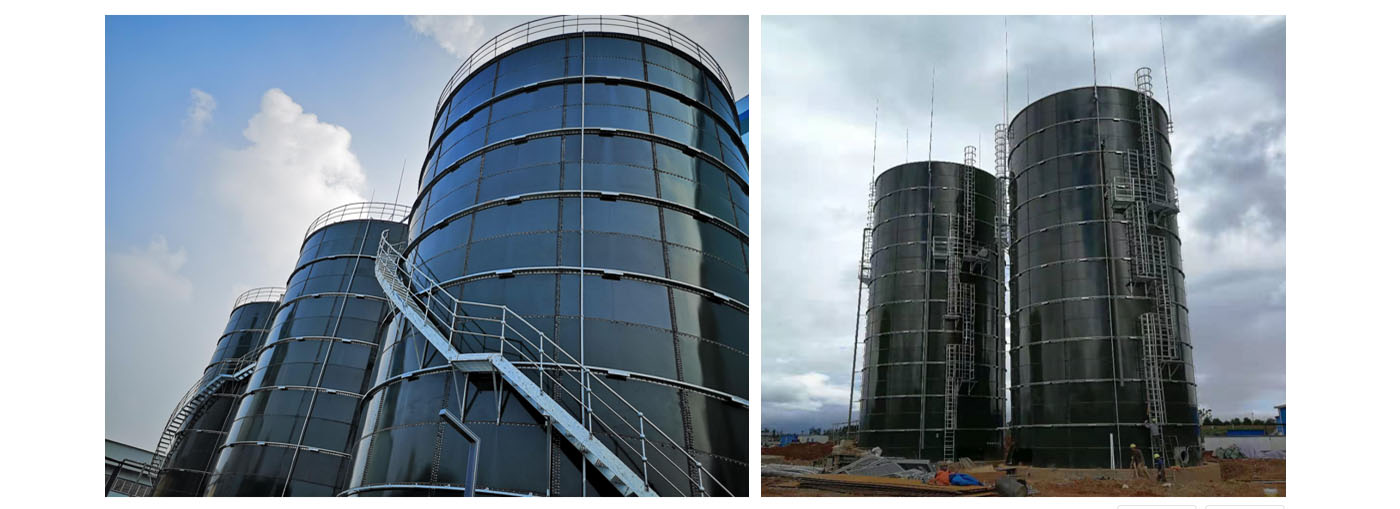
Modular, containerised systems – Pre-assembled in factories, shipped as 20- or 40-foot ISO containers. Installation time drops from months to days. This is huge for farm-based biogas plants.
Digital monitoring and remote tuning – New systems come with cloud-based dashboards that track methane purity, energy use, and methane slip in real time. Some even auto-adjust cycle times on PSA units to maintain spec when gas composition changes.
Low-energy membranes – A new generation of thin-film composite membranes runs at lower pressures (4-6 bar instead of 8-12 bar), cutting electricity use by 30-40%. Several Chinese and Dutch suppliers are shipping these now.
Integrated carbon capture – Some upgrading plants now sell their captured CO₂ to greenhouses or beverage companies. That turns a waste stream into another revenue line. Amine and water scrubbers make this easier than PSA or membranes.
Economic and Environmental Benefits of Biomethane Upgrading
Why do operators keep investing in biomethane upgrading even when natural gas prices fall? Two reasons.
First, renewable fuel credits don’t disappear. In California, the Low Carbon Fuel Standard (LCFS) credits for biomethane have stayed above $150 per tonne of CO₂ equivalent for two years. In Europe, Guarantees of Origin (GOs) for biomethane trade at €40-60/MWh on top of the gas price. Those premiums pay for your upgrading equipment in 2-4 years typically.
Second, you decarbonise transport and heat at the same time. One cubic meter of upgraded biomethane injected into the grid displaces fossil gas. When used in trucks or ships, it cuts well-to-wheel emissions by 80-90% compared to diesel. No other renewable fuel today matches that at scale.
I’ve seen dairies in Wisconsin and pig farms in Denmark turn a waste problem into a seven-figure annual revenue stream simply by adding a upgrading skid and a grid connection. That’s not theory—that’s happening right now.
The Bottom Line on Biomethane Upgrading
If you’re running a biogas plant today, you should at least be evaluating biomethane upgrading. The technology is mature, the equipment is getting cheaper per m³ of capacity, and the policy tailwinds are stronger than ever.
Start by getting your biogas analysed. Then talk to three different equipment suppliers—one membrane specialist, one PSA manufacturer, and one water scrubber builder. Ask for real plant references, not just brochures. And don’t forget to budget for pre-treatment and ongoing maintenance.
The biogas world is moving away from “burn it locally” toward “upgrade and inject.” That shift is creating real value. Don’t get left behind.
Frequently Asked Questions About Biomethane Upgrading
Q1: What’s the difference between biogas purification and biomethane upgrading?
A1: Purification usually means removing hydrogen sulfide, moisture, and siloxanes for engine fuel. Biomethane upgrading goes further—it removes carbon dioxide to raise methane content above 90%, typically to 96-99%, so the gas meets pipeline or vehicle fuel standards. Upgrading is a subset of overall biogas treatment, but it’s the critical step for grid injection.
Q2: How much does a biomethane upgrading system cost?
A2: Small systems (50-100 Nm³/h) start around €200,000-400,000. Large industrial units (1000+ Nm³/h) can run €2-5 million. But the better metric is cost per cubic meter of capacity—currently €0.10-0.20 per Nm³/h for membrane or PSA systems. Prices have dropped about 25% since 2020 due to Chinese competition and modular designs.
Q3: Which biomethane upgrading technology has the lowest methane slip?
A3: Amine scrubbing typically has the lowest slip (0.1-0.5%), followed by water scrubbing (0.5-1.5%). Membrane systems historically had higher slip (2-5%), but new multi-stage designs with off-gas recycling can get below 1%. PSA sits in the middle at 1-2%. For strict environmental regulations, ask suppliers for guaranteed slip numbers.
Q4: Can I retrofit biomethane upgrading to my existing biogas plant?
A4: Yes, almost always. You’ll need space for the upgrading skid, a gas compressor, and possibly additional pre-treatment (drying, desulphurisation). Most plants built since 2015 already have biogas storage and flare systems that work fine with an upstream upgrading unit. Budget for civil works and a few days of downtime during connection. Many equipment manufacturers offer retrofit kits.
Q5: How long do biomethane upgrading systems last?
A5: The pressure vessels and steel components last 20+ years. But the “consumables” differ by technology: PSA sieve media needs replacement every 3-7 years, membrane modules every 5-8 years, and amine solvent every 2-4 years. Compressor overhauls every 10,000-15,000 hours are common to all systems. Plan for 2-5% of capital cost annually in maintenance and parts.