


News
We'll get back to you as soon as possible.
From Farm Waste to Fuel: Inside the Biogas to Biomethane Process
Every day, landfills, farms, and wastewater plants produce raw biogas – a mix of methane, carbon dioxide, and trace contaminants. But raw biogas alone can’t enter gas grids or power vehicles. That’s where the biogas to biomethane process makes the real difference. By removing CO₂ and impurities, we turn low-grade biogas into pipeline-grade renewable natural gas. Over the last decade, equipment makers have refined membrane separation, PSA, and water scrubbing to push methane purity above 97%. In this article, I’ll walk through each step of the upgrading route, share real field insights, and explain why modern membrane systems dominate today’s market.
Why upgrade? The real value of the biogas to biomethane process
Raw biogas typically contains 50–65% methane and 35–45% CO₂, plus hydrogen sulphide (H₂S), ammonia, and siloxanes. Without upgrading, its energy density is low and combustion can damage engines. Upgrading to biomethane gives you a direct substitute for natural gas, eligible for renewable energy credits. Europe and North America now see biomethane injection as a cornerstone of net-zero strategies. For plant owners, capturing every molecule of methane means extra revenue and lower carbon intensity scores.
First stage: Pre-treatment and desulphurisation
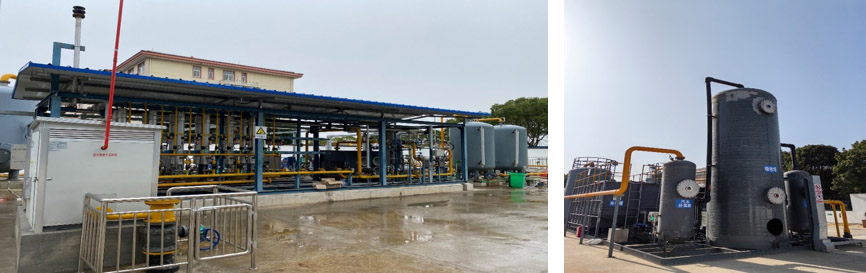
Before any gas separation happens, you must clean the feed. H₂S corrodes pipes and membranes, so most operators install biological desulphurisation or iron-oxide filters. A typical target is less than 50 ppm H₂S. Moisture is also knocked out via condensate traps or chilling units. This step protects the expensive membrane modules and ensures stable long-term operation. Some modern facilities combine activated carbon filters to remove VOCs and siloxanes, especially when landfill gas is the source. Skipping pre-treatment will shorten membrane life by years – not worth the risk.
Heart of the plant: Membrane separation for CO₂ removal
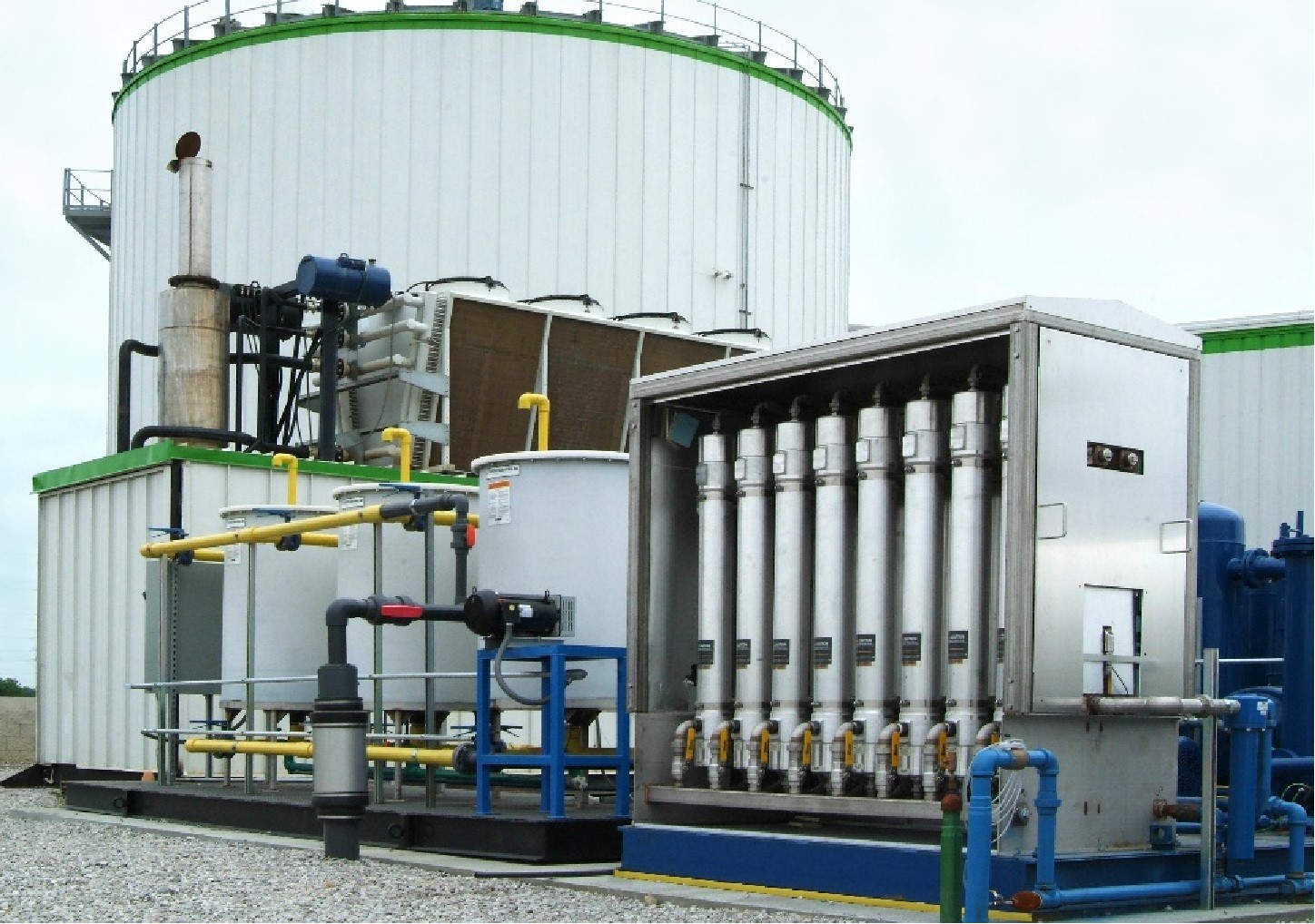
Among all technologies – water scrubbing, PSA, chemical absorption – membranes offer the smallest footprint and highest methane recovery (often >99.5%). In a typical biogas to biomethane process, compressed biogas (6–10 bar) flows into hollow-fibre membrane skids. CO₂, O₂, and H₂O permeate faster through the selective polymer layer, while methane stays in the retentate stream. A three-stage membrane design can knock CO₂ content down to below 2%. Leading suppliers now deliver fully containerised units, making on-site installation fast and scalable. One European operator reduced their upgrading cost by 22% after switching from PSA to membrane because of lower energy demand and fewer moving parts.
Another advantage? Membranes handle varying flow rates well. If your anaerobic digester fluctuates seasonally, membrane skids adapt without efficiency collapse. I’ve seen dairies with 200 Nm³/h biogas use a single 40ft container to hit grid spec. No wonder equipment manufacturers pour R&D into next-gen polymer membranes with higher selectivity.
Polishing, compression and grid injection
After the membrane unit, biomethane still contains small residues of oxygen or nitrogen (sometimes <0.5%). A final polishing step over activated carbon or zeolites removes last traces of sulphur and VOCs. Then, the gas is compressed to pipeline pressure (typically 16–25 bar for distribution networks, sometimes up to 70 bar for long-distance transport). Odorant dosing (like THT) is added for safety detection. Gas chromatographs continuously measure methane number, Wobbe index, and oxygen. Only when the biomethane meets local grid codes is it allowed to flow into the natural gas network or be compressed into bio-CNG for transport.
Methane loss and carbon intensity – what matters most
Every responsible operator tracks methane slip. In an efficient biogas to biomethane process, total losses should remain below 1%. Advanced membrane systems now achieve 0.5% loss, while some water scrubbers can leak 2–4% due to methane desorbed in off-gas. Lower methane loss means more renewable gas sold and lower carbon intensity (CI) scores – critical for California’s LCFS and EU’s REDII. Pairing membrane upgrading with CO₂ liquefaction can even capture the permeate stream (mostly CO₂) for industrial use or sequestration. That extra step can turn a biogas plant into a carbon-negative asset.
Real-world performance: biomass pre-treatment boosts yields
Upgrading starts long before the membrane. Steam explosion pre-treatment of straw or lignocellulosic feedstocks can slash anaerobic digestion time from 60 days to just three days, as seen in some Asian and European projects. Shorter digestion time reduces digester tank volume by up to 90%, drastically lowering CAPEX. More biogas from the same feedstock means more throughput for your upgrading skid. If you combine a steam explosion reactor with membrane upgrading, overall biomethane output per ton of biomass can rise by 20% or more. Equipment suppliers like OPM have integrated these pathways, offering turnkey solutions from pre-treatment to final biomethane compression.
Operational tips for long membrane life
Even the best membranes fail if you ignore routine care. Keep inlet particulate filtration down to 5 micron absolute. Install activated carbon guard beds to remove VOCs that could dissolve membrane polymers. Monitor feed pressure and temperature daily; exceeding 50°C damages most commercial membranes. Many facilities schedule a bimonthly autodiagnosis using onboard PLCs. Also, consider nitrogen sweep on the permeate side to enhance CO₂ removal in older systems, though modern high-flux membranes rarely need it. Intelligent automation cuts operator workload while maintaining consistent gas quality.
Costs and payback: Why biogas upgrading makes economic sense
Capital costs for a 500 Nm³/h membrane upgrading plant range from €1.2M to €2.5M, depending on methane purity target and pretreatment extras. However, operational expenses are low – electricity for compressors (0.2–0.3 kWh/Nm³ raw gas) and periodic membrane replacement every 8–12 years. With natural gas prices volatile and renewable gas subsidies (RTFC, RINs, EEG) available, many plants see payback within 3 to 5 years. Plus, selling biomethane to transport sector (as bio-CNG) often yields a €0.30–0.50/Nm³ premium over feed-in. For dairy farms with 1500 cows, the numbers become compelling.
The future: decarbonising hard-to-abate sectors
Industry now sees biomethane as a key decarbonisation vector for heavy trucking, marine fuels, and industrial heat. The biogas to biomethane process will keep evolving – electro-membranes, hybrid cryogenic separation, and direct methane purification from digesters. But today, membrane technology offers the sweet spot of reliability, methane recovery, and low operational cost. Whether you run a landfill, a municipal sludge plant, or a food waste AD plant, upgrading your biogas to biomethane is a proven path to revenue and environmental impact.
Frequently Asked Questions
To sum up, turning raw biogas into pipeline‑ready biomethane is no longer a niche concept. The biogas to biomethane process – from H₂S removal, membrane separation, to grid injection – has matured into a reliable, profitable business. If you’re planning a new facility or retrofitting an old upgrading system, focus on low methane slip and energy‑efficient modules. Equipment innovation keeps pushing costs down and recovery rates up. For tailored solutions or to discuss membrane capacities, visit the experts at biogasupgradingplants.com – they provide everything from steam explosion pre‑treatment to complete membrane upgrading containers.