


News
We'll get back to you as soon as possible.
Biogas to Biomethane Conversion: Membrane Tech & Real Plant Results
Raw biogas from digesters or landfills packs energy, but it’s dirty and weak. To use it like natural gas, we need to strip CO₂, H₂S, and moisture. That’s exactly what biogas to biomethane conversion does. Over the last decade, membrane systems have become the workhorse for this job. I’ve visited plants in Germany, the US, and Southeast Asia – the difference between a good conversion setup and a bad one comes down to pre-treatment, membrane quality, and methane loss control. Let me walk you through how it actually works on the ground.
Why biogas to biomethane conversion changes the economics
Unprocessed biogas has a low calorific value (around 20–25 MJ/m³). After upgrading to biomethane (over 36 MJ/m³), you can inject it into the gas grid, sell it as bio-CNG for trucks, or even liquefy it. Plant owners see 2–3x higher revenue per cubic meter. Plus, carbon intensity scores drop, which matters for renewable fuel credits. The core challenge? Doing the conversion without wasting methane.
First real step: cleaning raw biogas before conversion
You can’t feed H₂S and siloxanes into membrane skids. They poison the polymer fibres and kill performance. Most experienced operators install biological desulphurisation (using air/oxygen) or iron oxide filters to bring H₂S below 50 ppm. Then a chiller unit removes excess moisture. For landfill gas, activated carbon beds capture VOCs and siloxanes. This whole pre-treatment stage costs money but extends membrane life from 2 years to over 8 years. I’ve seen too many beginners skip it – they regret it within months.
Membrane separation: heart of modern conversion
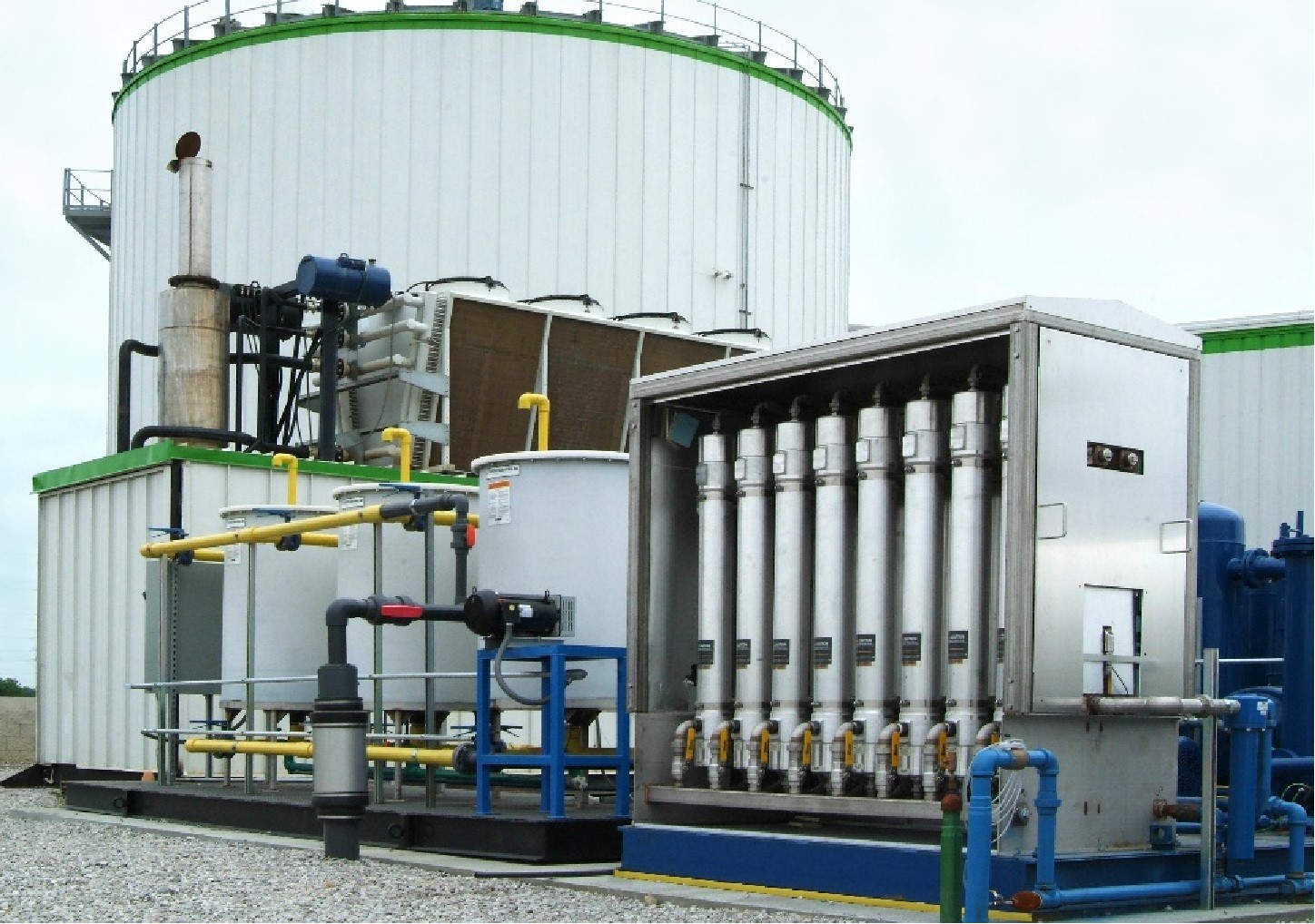
Inside a membrane upgrading plant, compressed biogas (6–12 bar) flows through thousands of hollow fibres. CO₂, oxygen and water vapour permeate out faster, leaving methane-rich biomethane behind. A three-stage membrane design knocks CO₂ content down to less than 2%. Manufacturers now pack the entire unit into a 40ft container, making on-site installation a two-week job. Recovery rates? High-end systems capture 99.5% of incoming methane – that’s nearly zero slip. The biogas to biomethane conversion efficiency depends heavily on the quality of pre-treatment and membrane staging. When everything runs right, you lose less than 0.5% methane.
Compared to water scrubbing or PSA, membranes have fewer moving parts, no chemical consumption, and adapt better to fluctuating biogas flow. Dairy farms love that – because feeding schedules change the gas output daily. One membrane plant in the Netherlands runs at 40-110% load without retuning.
Steam explosion pre-treatment: boosting feedstocks before conversion
Conversion starts long before the membrane skid. If you use straw, grass, or woody biomass, raw material structure locks up methane potential. Steam explosion reactors (like those from OPM) treat biomass at high pressure then release it suddenly. The fibre matrix opens up, making it digestible within 3–7 days instead of 60 days. That means smaller digesters – up to 90% less capex for tanks. More biogas from the same tonnage means your upgrading plant runs fuller. Some Chinese straw-to-biomethane projects boosted gas yield by 11% just by milling and steam exploding the straw before AD. That extra biogas directly feeds your conversion line, lowering overall cost per Nm³ of biomethane.
Polishing, compression and final injection steps
After the membrane unit, biomethane still carries trace oxygen and nitrogen (under 0.8% normally). A final polishing skid – activated carbon or zeolite – adsorbs residual sulphur. Then the gas is compressed to grid pressure (16–25 bar for distribution; up to 70 bar for long pipelines). Operators add odorant (THT) to meet safety codes. A gas chromatograph continuously checks methane number, Wobbe index, and oxygen. Only when specs pass is the biomethane injected or compressed into cylinders for bio-CNG. In many EU countries, injection points require remote monitoring. The entire chain from raw gas to pipeline takes about 90 minutes of retention time in a well-designed membrane plant.
Methane slip and carbon intensity: what matters for ROI
Every lost methane molecule is lost revenue and a higher carbon footprint. In a quality biogas to biomethane conversion setup, total methane loss stays under 1%. Some water scrubbing plants leak 3-4% because methane desorbs from the off-gas. Membranes keep the off-gas (permeate) mostly CO₂. If you add a CO₂ liquification module, you can even capture that CO₂ for industrial use or sequestration, turning the plant carbon-negative. That’s increasingly attractive under LCFS and REDII. A beef farm in Ireland recently upgraded their membrane plant with a CO₂ recovery unit – they now sell both biomethane and food-grade CO₂.
Cost characteristics and payback period
Buying a membrane upgrading plant for 500 Nm³/h raw biogas costs roughly €1.3M to €2.4M, depending on purity target (97% or 99%). Operational expenses are driven by electricity (0.22–0.28 kWh/Nm³ raw gas) and membrane replacement after 8-10 years. Most EU plants see payback within 4 years with current gas prices and renewable certificates (RTFC, RINs). For farms with 1200 cows, a 200 Nm³/h membrane plant pays back even faster if they replace diesel with bio-CNG for their own fleet. The numbers really work when you avoid methane slip.
How to choose a conversion partner: field advice
When you evaluate equipment suppliers, ask for real methane slip data from a running plant. Don’t accept theoretical numbers. Look for containerized designs (faster installation) and integrated PLC control with remote access. Pre-treatment should be part of the package, not optional. Some manufacturers also offer steam explosion reactors as an add-on – that’s valuable if your feedstock is lignocellulosic. And check warranties: membrane modules should come with 5-8 year performance guarantee. Experienced suppliers like OPM provide three-stage membrane systems with CO₂ liquefaction option, and they’ve delivered over 150 turnkey projects worldwide. That kind of track record matters when you're investing millions.
The future of biogas conversion: lower losses, higher purity
New polymer membranes with higher CO₂/CH₄ selectivity are moving from labs to commercial skids. Some pilot plants achieve 99.8% methane recovery. Hybrid systems (membrane + cryogenic) also allow direct bio-LNG production. The next five years will see small-scale, modular units that handle 50 Nm³/h economically – opening the market for remote farms and small landfills. For now, membrane-based biogas to biomethane conversion remains the most flexible and resource-efficient pathway. Whether you’re upgrading 200 or 2,000 Nm³/h, the principles stay the same: clean feed, quality membranes, minimal methane loss.
Frequently Asked Questions – Biogas to biomethane conversion
To wrap it up: turning raw biogas into grid-ready biomethane isn't rocket science, but it demands attention to pre-treatment, membrane quality, and methane recovery. The biogas to biomethane conversion field has matured, with containerized membrane solutions leading the pack. Want to see real specs or talk about a turnkey plant? Check with the team at biogasupgradingplants.com – they specialise in three-stage membrane systems, CO₂ liquefaction, and steam explosion pre-treatment for higher yields. Get the conversion right, and your biogas plant becomes a profitable decarbonisation asset.