


News
We'll get back to you as soon as possible.
7 Practical Benefits of a Manure Biogas Plant for Farms and the Environment
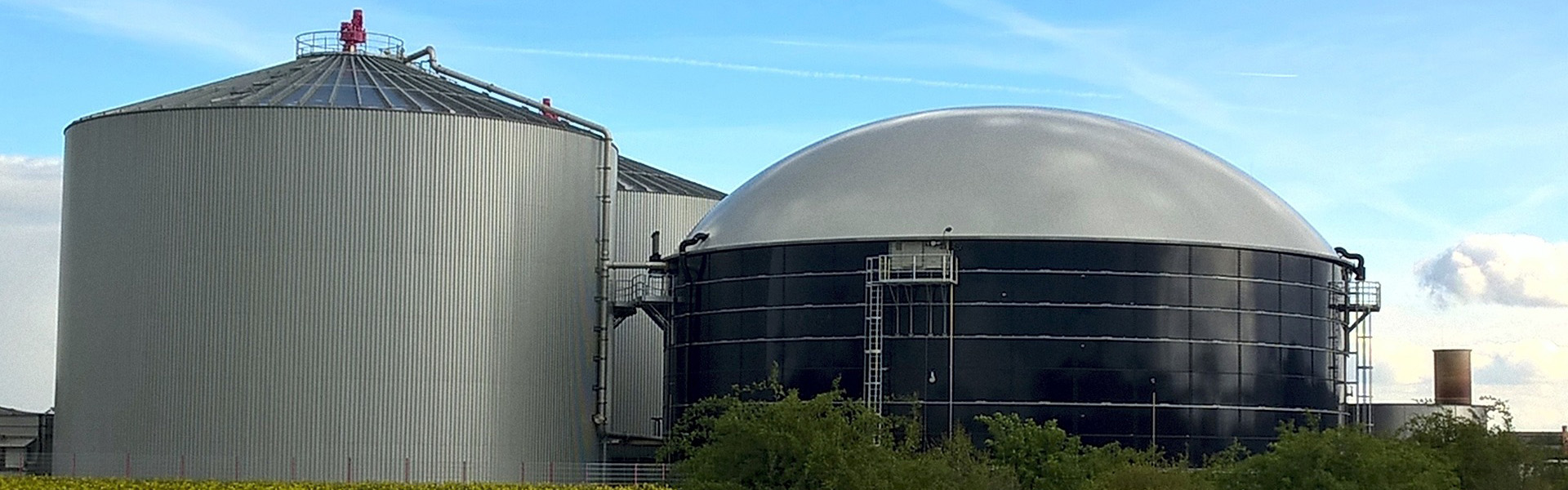
A manure biogas plant is a system designed to convert animal waste into renewable energy through anaerobic digestion. This technology is increasingly important in the international biogas upgrade equipment manufacturing sector, offering sustainable solutions for waste management and energy production. Farms worldwide are adopting manure biogas plants to reduce costs and environmental impact.
What is a Manure Biogas Plant?
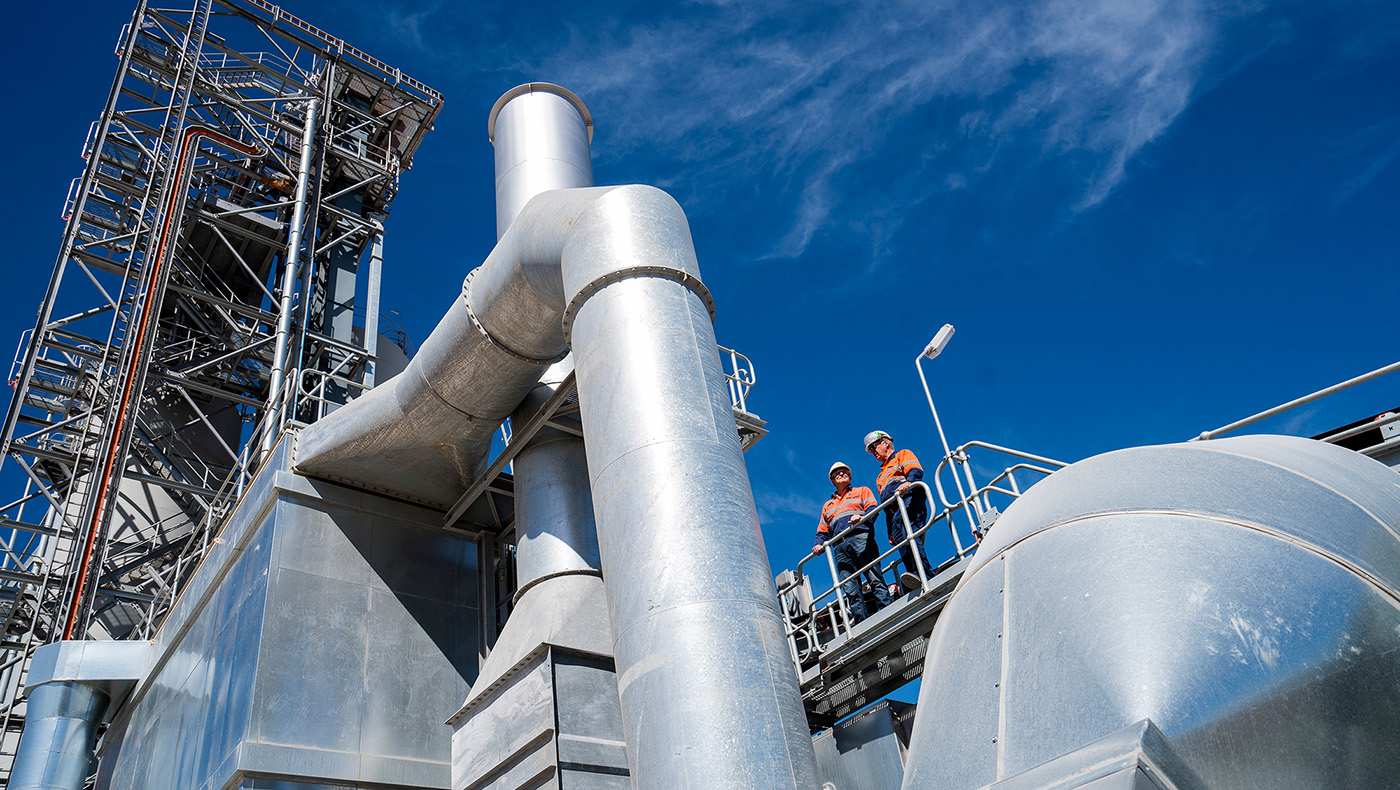
A manure biogas plant processes organic waste, primarily from livestock, to generate biogas. This system uses sealed tanks called digesters where microorganisms break down manure without oxygen.
The output includes biogas, which can be upgraded to biomethane, and digestate, a valuable fertilizer. Installing a manure biogas plant helps farms manage waste efficiently.
Inputs: Animal manure, sometimes mixed with crop residues.
Process: Anaerobic digestion in controlled conditions.
Outputs: Biogas for energy and digestate for soil enrichment.
How a Manure Biogas Plant Works: Step-by-Step Process
The operation of a manure biogas plant involves several stages. First, manure is collected and pre-treated to remove solids and contaminants.
It is then fed into a digester, where anaerobic bacteria convert it into biogas over days or weeks. The biogas is stored and can be used directly or upgraded.
Collection: Manure is gathered from barns or storage pits.
Digestion: Occurs in anaerobic digesters at specific temperatures.
Gas upgrading: Biogas is purified to remove impurities like hydrogen sulfide.
Energy use: Biogas powers generators for electricity and heat.
This process makes a manure biogas plant a reliable energy source. International standards guide the equipment used in these systems.
Economic Advantages of Installing a Manure Biogas Plant
Investing in a manure biogas plant can lead to significant cost savings. Farms reduce waste disposal fees and generate their own energy.
Revenue streams include selling excess electricity to grids or using digestate as fertilizer, cutting input costs. Government incentives often support such projects.
Lower energy bills: Biogas replaces fossil fuels for farm operations.
Additional income: From renewable energy credits or carbon offsets.
Reduced fertilizer costs: Digestate is a natural alternative to chemical fertilizers.
A well-managed manure biogas plant can pay for itself over time. This aligns with global trends in sustainable agriculture.
Environmental Impact of Manure Biogas Plants
Manure biogas plants help mitigate climate change by capturing methane, a potent greenhouse gas. This reduces emissions from manure storage.
They also minimize water pollution by preventing nutrient runoff. The circular economy approach turns waste into resources.
Emission reduction: Methane is converted to less harmful carbon dioxide when burned.
Waste diversion: Manure is processed instead of being left in lagoons.
Soil health: Digestate improves soil structure and reduces chemical use.
Implementing a manure biogas plant supports international environmental goals. Manufacturers focus on efficient upgrade equipment.
Key Components in a Modern Manure Biogas Plant
A reliable manure biogas plant consists of several essential parts. The digester is the core, where fermentation occurs.
Other components include gas holders, pumps, and upgrading units. Advanced systems use sensors for monitoring and control.
Digester tanks: Made of steel or concrete, designed for durability.
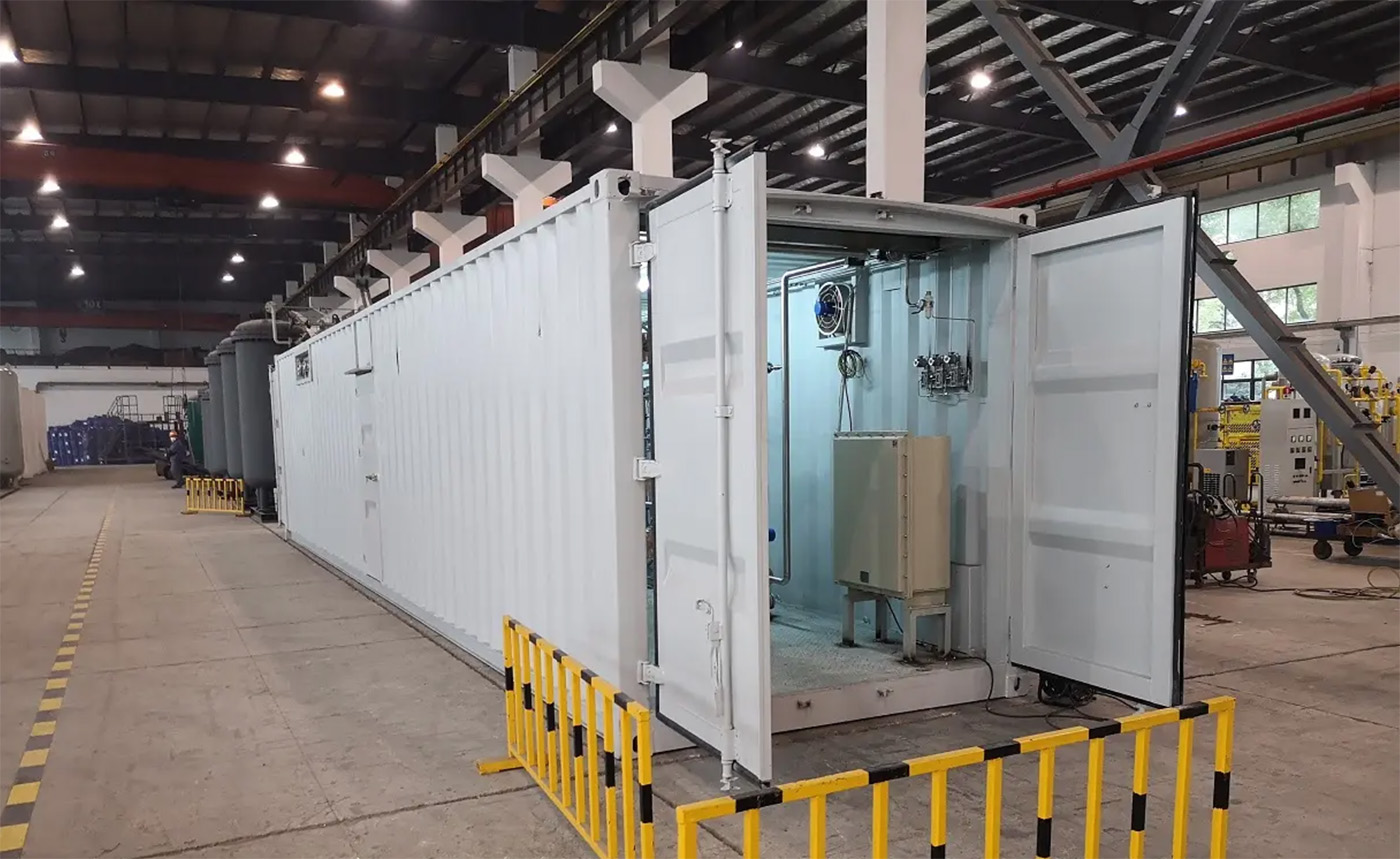
Gas upgrading equipment: Removes CO2 and other gases to produce biomethane.
Heat exchangers: Maintain optimal temperatures for microbial activity.
Control systems: Automate operations for efficiency and safety.
International manufacturers supply high-quality components for manure biogas plants. This ensures long-term performance.
International Standards for Biogas Upgrade Equipment
The global biogas industry follows strict standards for equipment. This includes safety, efficiency, and output quality norms.
Organizations like ISO set guidelines for biogas upgrade systems. Compliance ensures that a manure biogas plant meets regulatory requirements.
Safety standards: Focus on pressure management and leak prevention.
Efficiency metrics: Measure gas purity and energy recovery rates.
Environmental regulations: Ensure low emissions and sustainable practices.
Adhering to these standards is crucial for any manure biogas plant. It fosters trust in international markets.
Steps to Implement a Manure Biogas Plant on Your Farm
Setting up a manure biogas plant requires careful planning. Start by assessing manure availability and energy needs.
Then, design the system with help from experts. Installation involves constructing digesters and connecting to energy grids.
Feasibility study: Evaluate site conditions and costs.
Permitting: Obtain local and environmental approvals.
Construction: Build infrastructure with certified contractors.
Commissioning: Test the system before full operation.
A successful manure biogas plant can transform farm operations. Regular maintenance ensures optimal function.
Future Trends in Manure Biogas Plant Technology
Innovations are making manure biogas plants more efficient. Research focuses on improving digestion rates and gas yields.
Smart technologies, like IoT monitoring, are being integrated. This allows remote management of biogas systems.
Advanced digesters: Designs that handle varied feedstocks better.
Energy storage: Solutions for storing biogas during low demand.
Carbon capture: Integrating systems to further reduce emissions.
The future looks bright for manure biogas plants. International collaboration drives these advancements.
In summary, a manure biogas plant offers a sustainable way to manage waste and produce energy. As part of the international biogas upgrade equipment manufacturing field, these systems are evolving to meet global demands. Farms benefit economically and environmentally from adopting this technology.
Frequently Asked Questions About Manure Biogas Plants
Q1: What is the typical cost of installing a manure biogas plant?
A1: The cost varies based on size and location, but a small-scale manure biogas plant might start from $50,000 to $200,000. Larger systems can exceed $1 million. Factors include equipment, labor, and site preparation. Many governments offer grants or subsidies to offset expenses.
Q2: How much manure is needed to run a manure biogas plant efficiently?
A2: A manure biogas plant typically requires at least 10 tons of manure per day for basic operation. This depends on the digester size and manure type. Dairy or swine manure is commonly used. Experts can calculate precise needs based on farm output.
Q3: What are the maintenance requirements for a manure biogas plant?
A3: Regular maintenance includes checking digester seals, cleaning pumps, and monitoring gas quality. A manure biogas plant should be inspected weekly for leaks or blockages. Annual servicing of upgrade equipment is recommended to ensure efficiency and safety.
Q4: Can a manure biogas plant operate in cold climates?
A4: Yes, a manure biogas plant can work in cold regions with proper insulation and heating systems. Digestors are often heated using part of the biogas produced. International manufacturers design equipment to withstand low temperatures, ensuring year-round operation.
Q5: How does a manure biogas plant contribute to renewable energy goals?
A5: A manure biogas plant generates biogas, a renewable energy source that can replace fossil fuels. It reduces greenhouse gas emissions and supports energy independence. Many countries include biogas in their renewable energy targets, making these plants key to sustainability efforts.