


News
We'll get back to you as soon as possible.
7 Key Components of a High-Performance Biomethane Plant
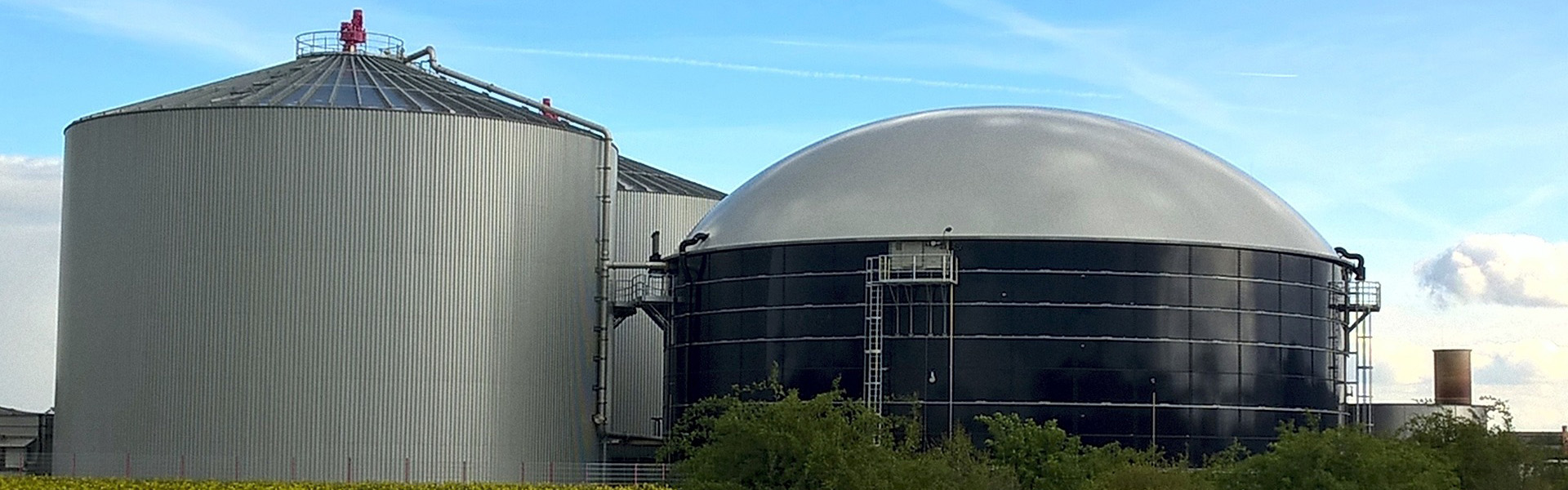
The global push for renewable energy has placed biomethane in the spotlight. A biomethane plant is not just a facility that processes organic waste; it is a sophisticated system that produces pipeline-quality renewable gas. For project developers, investors, and operators in the biogas upgrading equipment sector, understanding the core components that drive efficiency and reliability is critical. This article breaks down the seven essential elements that define a successful biomethane plant, offering insights into design, technology, and operational best practices.
1. Robust Feedstock Supply and Pre-Treatment Systems
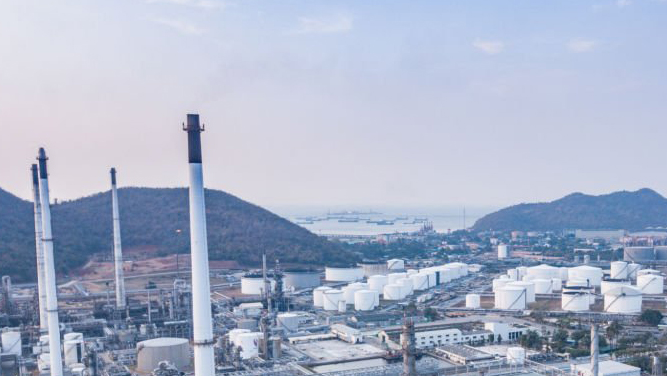
The performance of any biomethane plant begins at the gate. Feedstock—whether agricultural residues, organic municipal solid waste, or industrial by-products—must be consistent and contaminant-free. A high-quality biomethane plant integrates pre-treatment equipment such as pasteurisers, macerators, and hydrolysers. These systems ensure that feedstocks are homogenised and free from physical or chemical impurities that could disrupt anaerobic digestion or downstream upgrading. Investing in robust reception and storage facilities, including sealed tanks and odour control units, also safeguards community relations and complies with international environmental standards. Without a reliable feedstock supply chain, even the most advanced biomethane plant will underperform.
2. High-Efficiency Anaerobic Digestion (AD) Design
At the heart of the biomethane plant lies the anaerobic digester. The choice between wet or dry digestion, mesophilic or thermophilic conditions, and single-stage or multi-stage configurations directly impacts biogas yield and plant economics. Modern biomethane plants increasingly adopt continuous stirred-tank reactors (CSTR) or plug-flow designs tailored to specific feedstocks. To maximise gas output, operators monitor parameters like temperature, pH, and volatile fatty acids in real time. Efficient mixing systems prevent stratification and scum formation, ensuring that bacteria have optimal access to nutrients. A well-designed AD unit not only produces more raw biogas but also reduces the risk of downtime, making it a cornerstone of the profitable biomethane plant.
3. Advanced Biogas Upgrading Technologies
Upgrading raw biogas to biomethane is where the facility truly earns its name. The choice of upgrading technology—pressure swing adsorption (PSA), water scrubbing, membrane separation, or chemical scrubbing—defines the purity and energy efficiency of the final product. International suppliers of upgrading equipment focus on reducing methane slip, which can otherwise erode environmental benefits. A state-of-the-art biomethane plant often employs membrane systems with multi-stage configurations to achieve methane concentrations above 98%. Additionally, energy recovery loops and waste heat integration lower operational costs. When selecting an upgrading package, plant developers must consider not only capital expenditure but also long-term reliability and the specific requirements of the local gas grid or vehicle fuel standards.
4. Biomethane Conditioning and Grid Injection Equipment
Once upgraded, the biomethane must be conditioned for its final use. This step involves odourisation (if required by local regulations), calorific value adjustment, and compression to match pipeline pressures. A modern biomethane plant includes gas analysers that continuously monitor methane content, oxygen, and moisture levels. Injection stations must comply with strict grid codes to ensure safety and gas quality. For plants injecting into high-pressure transmission networks, additional compression stages are necessary. Equipment manufacturers now offer modular conditioning skids that simplify installation and reduce footprint. This integration is vital for the biomethane plant to operate seamlessly with existing energy infrastructure.
5. Comprehensive Digestate Processing and Nutrient Recovery
A responsible biomethane plant treats digestate not as waste but as a valuable co-product. Digestate separation systems—such as screw presses, decanter centrifuges, or membrane filtration—produce a solid fraction rich in phosphorus and a liquid fraction high in nitrogen. These can be sold as organic fertilisers or further processed into concentrated products. Advanced nutrient recovery technologies, like ammonia stripping or struvite precipitation, are gaining traction in the equipment manufacturing sector. They help close the nutrient loop and reduce the environmental footprint of the biomethane plant. Moreover, proper digestate storage with covered lagoons minimises ammonia emissions and odour, supporting compliance with agricultural regulations.
6. Intelligent Process Control and Automation
To achieve maximum uptime and efficiency, the biomethane plant relies on a sophisticated control system. Sensors placed throughout the facility monitor gas flows, pressures, temperatures, and chemical compositions. Supervisory control and data acquisition (SCADA) systems enable remote operation and predictive maintenance. Modern plants use algorithms to optimise feedstock feeding rates and upgrading parameters in real time, adapting to fluctuations in gas production. Automation also enhances safety by triggering alarms and shutdowns when anomalies are detected. For international equipment manufacturers, providing integrated control solutions that are user-friendly and compatible with Industry 4.0 standards is a key differentiator. A well-instrumented biomethane plant reduces manual intervention and maximises profitability.
7. Adherence to Safety and Environmental Regulations
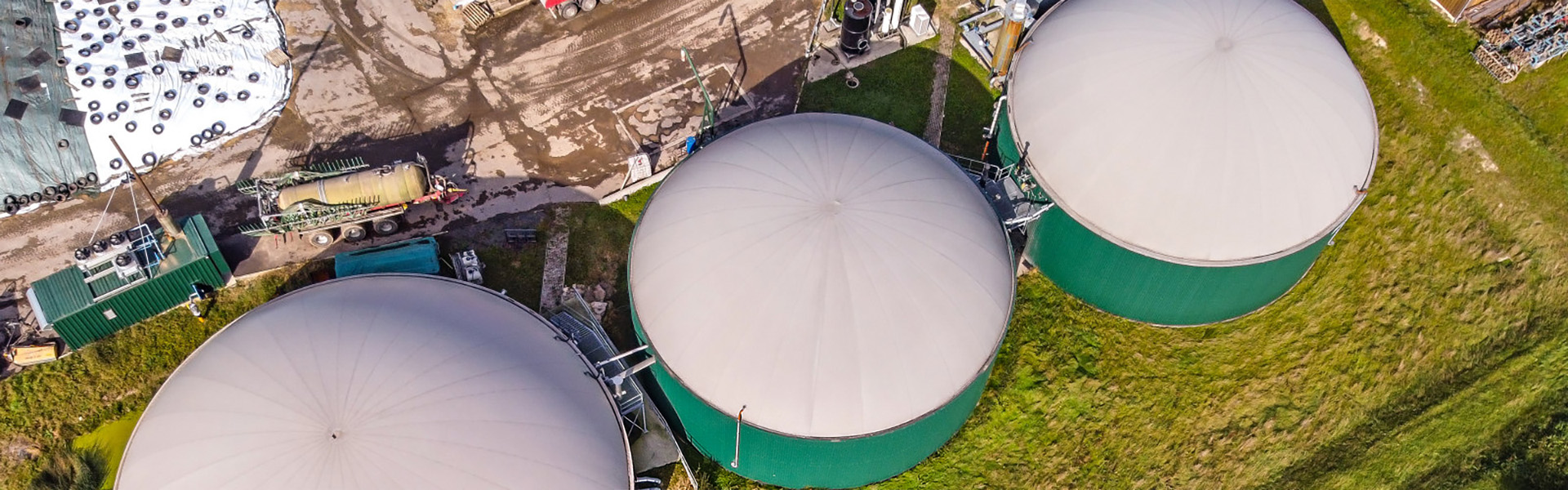
Finally, no biomethane plant can operate successfully without strict compliance with local and international standards. This includes ATEX directives for explosive atmospheres, ISO 14001 for environmental management, and ISO 50001 for energy efficiency. Equipment must be certified for use in hazardous zones, and emergency flare stacks must be installed to handle overpressure situations. Environmental permits often require continuous emissions monitoring and noise control measures. A reputable biomethane plant also engages with the community through transparent reporting and odour management plans. Manufacturers that design equipment with safety and sustainability in mind help plant operators achieve long-term licence to operate.
Building and operating a biomethane plant is a complex undertaking that integrates multiple disciplines—from civil engineering to biotechnology. By focusing on these seven critical components, developers can ensure that their facilities deliver high-quality renewable gas while remaining economically viable. The international biogas upgrading equipment sector continues to innovate, offering solutions that improve efficiency, reduce methane slip, and enhance nutrient recovery. As the world shifts toward decarbonised energy, the biomethane plant will play an increasingly prominent role in the circular economy.
Frequently Asked Questions
Q1: What is a biomethane plant?
A1: A biomethane plant is a facility that produces purified renewable natural gas from organic materials such as agricultural waste, food scraps, or sewage sludge. It combines anaerobic digestion with biogas upgrading technologies to create a product that is interchangeable with fossil natural gas.
Q2: What are the main technologies used for biogas upgrading in a biomethane plant?
A2: The most common upgrading technologies in a modern biomethane plant include membrane separation, pressure swing adsorption (PSA), water scrubbing, and chemical scrubbing. Each method has specific advantages depending on scale, gas purity requirements, and investment capacity.
Q3: How much does it typically cost to build a biomethane plant?
A3: Costs vary widely based on capacity, feedstock type, and location. A small farm-scale biomethane plant might require €2–5 million, while larger industrial units can exceed €20 million. Equipment from international suppliers, civil works, and grid connection fees are the main cost drivers.
Q4: Can a biomethane plant process any type of organic waste?
A4: Most organic wastes can be processed, but the biomethane plant must be designed for specific feedstocks. Lignocellulosic materials like wood require pre-treatment, while high-nitrogen wastes may need co-digestion with carbon-rich substrates to maintain process stability.
Q5: What are the environmental benefits of a biomethane plant?
A5: A biomethane plant reduces greenhouse gas emissions by capturing methane that would otherwise escape from landfills or manure storage. It also produces renewable energy, displaces fossil fuels, and generates organic fertilisers that recycle nutrients back to soils, supporting sustainable agriculture.
Q6: How long does it take to construct a biomethane plant?
A6: Construction timelines typically range from 12 to 24 months, depending on permitting complexity, equipment delivery, and site conditions. Modular designs from equipment manufacturers can shorten on-site assembly times and reduce overall project risk.