


News
We'll get back to you as soon as possible.
Why Your Biogas Plant Needs an Efficient Biogas Upgrading System
The global shift toward renewable energy has placed biogas technology at the forefront of sustainable solutions. However, raw biogas straight from the digester contains impurities that limit its applications. This is where a biogas upgrading system becomes essential. By refining raw gas into biomethane, these systems unlock higher value for energy producers while supporting decarbonization goals across multiple industries.
What Is a Biogas Upgrading System and How Does It Work
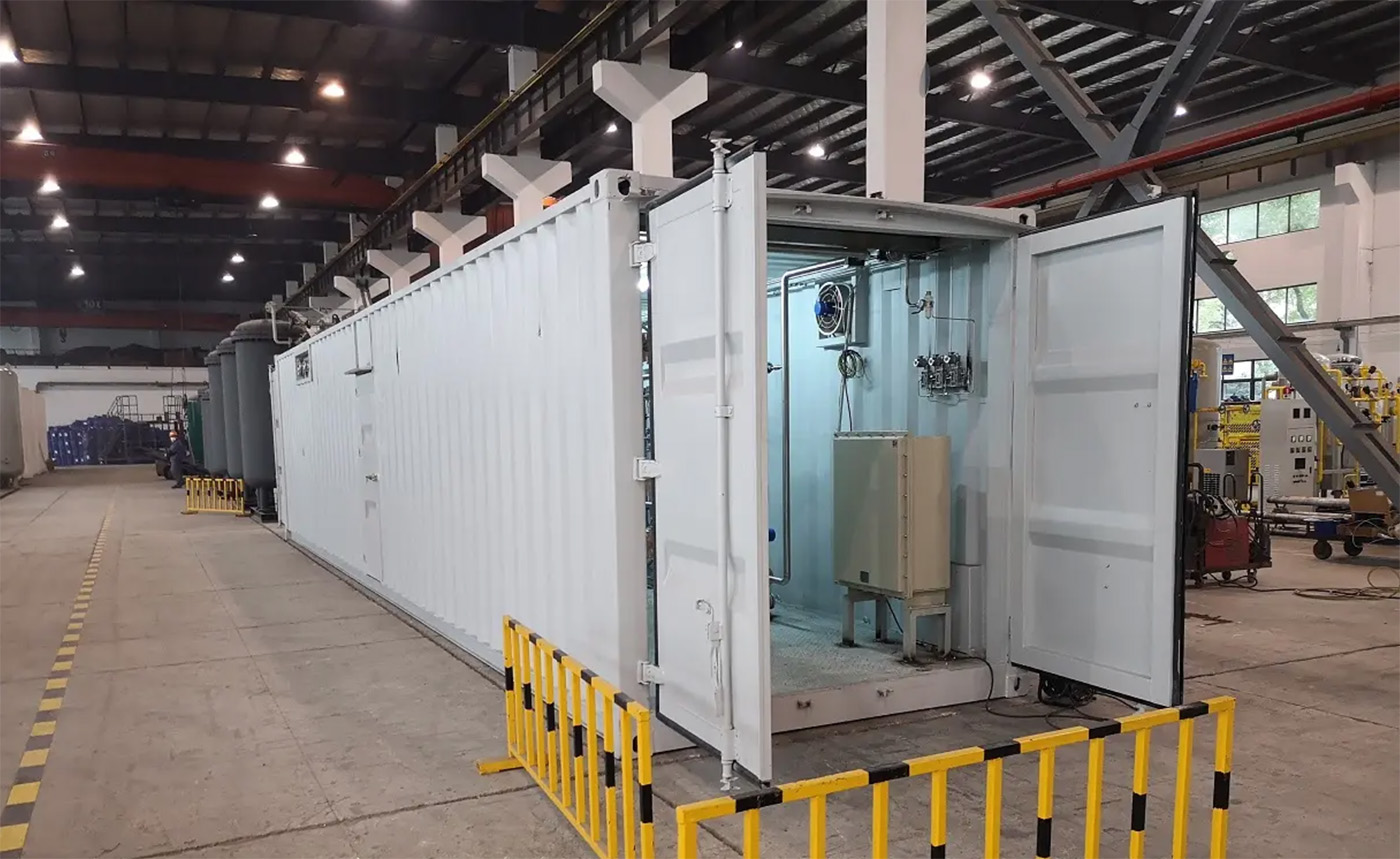
A biogas upgrading system is a technological setup designed to remove carbon dioxide, hydrogen sulfide, and other trace components from raw biogas. The objective is to increase methane concentration to levels comparable with natural gas. Once upgraded, the resulting biomethane can be injected into gas grids or used as vehicle fuel.
The process typically involves several stages. First, contaminants like moisture and particles are removed. Then, the core upgrading step separates CO2 from methane using methods such as pressure swing adsorption, membrane separation, or water scrubbing. Each technique offers distinct advantages depending on plant scale and end-use requirements.
Modern systems also incorporate monitoring equipment to ensure consistent gas quality. With tightening regulations on emissions and fuel standards, investing in a reliable biogas upgrading system has become a necessity rather than an option for commercial producers.
Key Technologies Used in Modern Biogas Upgrading Systems
Different upgrading technologies have evolved to meet diverse operational needs. Pressure swing adsorption uses specialized materials to capture CO2 under pressure. Membrane separation relies on selective permeability to isolate methane. Water scrubbing, one of the oldest methods, dissolves CO2 in water under high pressure.
Chemical scrubbing with amines offers high methane recovery rates but requires careful handling of reagents. Cryogenic upgrading, while energy-intensive, produces liquid CO2 as a byproduct, which can be sold for industrial use. Choosing the right biogas upgrading system depends on factors like feed gas composition, desired purity, and available utilities.
Many manufacturers now offer modular designs that simplify installation and expansion. These plug-and-play units reduce onsite construction time and allow operators to scale capacity as feedstock availability grows. Automation features also minimize manual intervention, improving overall reliability.
Economic Benefits of Installing a Biogas Upgrading System
Revenue generation is a primary driver for upgrading biogas. Raw biogas typically powers combined heat and power units, but electricity prices can be volatile. Biomethane, however, commands premium prices in vehicle fuel markets and through green gas certificates.
Upgrading also opens access to government incentives for renewable fuels. In regions with low-carbon fuel standards, each megawatt-hour of biomethane generates tradeable credits. Over time, these revenue streams significantly improve project payback periods.
Operational savings further enhance the business case. A well-designed biogas upgrading system reduces maintenance costs by removing corrosive compounds before they damage equipment. Less downtime and longer asset life translate directly to bottom-line gains.
Environmental Impact and Sustainability Factors
Reducing greenhouse gas emissions remains a central motivation for biogas upgrading. When raw biogas leaks or is flared, methane—a potent greenhouse gas—escapes into the atmosphere. Upgrading captures this methane for productive use, displacing fossil fuels in the process.
Biomethane from a biogas upgrading system can replace natural gas in heating, power generation, and transportation. This substitution lowers the carbon intensity of these sectors. Additionally, using digestate from the process as fertilizer closes nutrient loops in agriculture.
Some systems now incorporate carbon capture to further enhance environmental performance. By preventing biogenic CO2 from reaching the atmosphere, these setups contribute to negative emissions—a critical tool for meeting climate targets.
Applications of Upgraded Biogas Across Industries
Grid injection represents one of the largest markets for biomethane. Pipeline operators in many countries mandate specific gas quality standards that only upgraded biogas can meet. Once injected, biomethane mixes with fossil natural gas, greening the supply without requiring changes to end-user equipment.
Transportation fuels offer another high-growth application. Compressed biomethane powers trucks, buses, and even ships with lower particulate emissions than diesel. Refueling stations increasingly rely on local biogas upgrading system installations to secure supply.
Industrial users also benefit from biomethane as a renewable feedstock. Chemical producers can use it to manufacture green hydrogen or sustainable materials. Food and beverage companies incorporate biomethane into their operations to meet corporate sustainability pledges.
Design Considerations for Optimal System Performance
Site-specific factors heavily influence biogas upgrading system design. Feedstock variability affects gas composition—landfill gas differs from agricultural digester output. System integrators must account for these variations to maintain consistent output quality.
Energy efficiency matters greatly in system economics. Upgrading processes consume electricity and sometimes heat. Selecting components with low parasitic loads preserves more of the energy value contained in the biogas.
Integration with existing plant infrastructure requires careful planning. Heat recovery loops, control system compatibility, and space constraints all play roles in successful implementation. Working with experienced suppliers helps avoid costly retrofits later.
Maintenance Requirements and Operational Reliability
Like any processing equipment, upgrading systems need regular attention. Filters require changing, membranes degrade over time, and compressors need servicing. Predictive maintenance using sensor data can identify issues before they cause failures.
Operator training directly impacts system uptime. Personnel must understand alarm responses, start-up procedures, and troubleshooting steps. Many suppliers include comprehensive training as part of their biogas upgrading system packages.
Spare parts availability becomes critical as systems age. Choosing standardized components over custom designs ensures replacements remain accessible. Some manufacturers offer service contracts that guarantee response times and performance metrics.
Future Trends in Biogas Upgrading Technology
Innovation continues to drive down upgrading costs. Researchers are developing new membrane materials with higher selectivity and durability. Electrochemical separation methods show promise for small-scale applications where conventional technologies prove too expensive.
Digitalization is transforming system management. Remote monitoring platforms aggregate data from multiple sites, enabling operators to optimize performance across entire fleets. Machine learning algorithms predict maintenance needs and adjust process parameters in real time.
Policy developments will shape market growth. The European Union's RePowerEU plan and the U.S. Inflation Reduction Act both include provisions favoring biomethane production. As incentives expand, demand for biogas upgrading system installations will likely accelerate.
Frequently Asked Questions
Q1: What is the typical methane purity achieved by a biogas upgrading system?
A1: Most modern biogas upgrading systems achieve methane concentrations between 95% and 99%. The exact purity depends on the technology used and the requirements of the end application. Grid injection typically demands at least 96% methane with strict limits on oxygen and other trace components.
Q2: How much does a biogas upgrading system cost?
A2: Costs vary widely based on capacity and technology choice. Small-scale systems for farm digesters might start around $200,000, while large industrial installations can exceed several million dollars. Site preparation, grid connection fees, and permitting add to total project costs.
Q3: What is the lifespan of a biogas upgrading system?
A3: With proper maintenance, upgrading systems typically operate for 15 to 20 years. Major components like compressors may require overhaul midway through this period. Membrane modules usually need replacement every 5 to 10 years depending on feed gas quality.
Q4: Can a biogas upgrading system handle varying gas flow rates?
A4: Yes, most systems accommodate fluctuations through turndown capabilities. Control systems adjust process parameters to maintain output quality even when feed rates change. However, extreme variations may require buffer storage to smooth out peaks and troughs.
Q5: What happens to the separated CO2 from the upgrading process?
A5: In conventional systems, CO2 vents to the atmosphere. Emerging designs capture this CO2 for sale to greenhouses, beverage carbonation, or enhanced oil recovery. Some facilities combine upgrading with methanation to produce synthetic natural gas from the CO2 stream.
Q6: How does a biogas upgrading system compare to biogas purification?
A6: Purification typically refers to removing trace contaminants like hydrogen sulfide and siloxanes. Upgrading goes further by separating CO2 to raise methane content. Many systems integrate both functions, with purification steps protecting downstream upgrading equipment from damage.
Q7: What certifications apply to biomethane from upgrading systems?
A7: Biomethane quality standards vary by region. In Europe, EN 16723 specifies requirements for grid injection and vehicle fuel. North America follows ASTM D7651 standards. Sustainability certifications like ISCC or RSB verify greenhouse gas savings for renewable fuel credits.