


7 Key Components of a Modern Biogas Plant for Renewable Energy Production
The global shift toward sustainable energy has placed anaerobic digestion technology at the forefront of waste management solutions. Farmers, industrial manufacturers, and municipal authorities are increasingly looking at how a biogas plant can transform organic residues into valuable energy resources. These facilities are not simple tanks filled with waste; they are sophisticated biological systems that require precision engineering. For companies involved in biogas upgrading equipment, understanding the complete architecture of these systems is essential for delivering high-performance solutions. From the moment organic material enters the facility to the point where biomethane enters the grid, every component must work in harmony.

The Core Digester Tank: Heart of the Biogas Plant
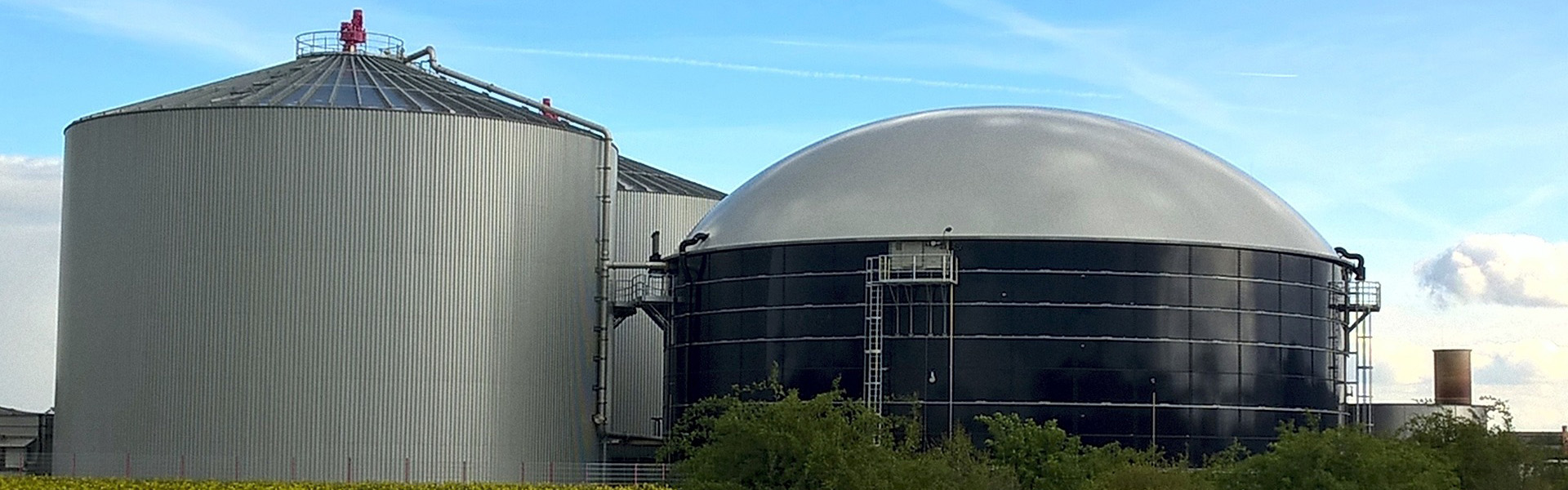
At the center of every operation lies the digester tank, a sealed environment where microorganisms break down organic matter in the absence of oxygen. This is where the magic happens. The design of this tank determines the efficiency of the entire biogas plant. Most modern digesters are constructed from reinforced concrete or stainless steel, with insulation layers to maintain constant mesophilic or thermophilic temperatures. Inside, mixing systems keep the bacterial population in contact with fresh feedstock, preventing crust formation and dead zones. The retention time inside this vessel typically ranges from 20 to 40 days, depending on the feedstock type and desired gas yield. Without a robust digester design, gas production becomes inconsistent and unreliable.
Feedstock Preparation and Handling Systems
Before organic material enters the digester, it must be prepared. A well-designed biogas plant includes reception pits, macerators, and pasteurization units to process incoming waste. Solid materials like corn silage or food waste need size reduction to increase surface area for bacterial action. Liquid manure requires screening to remove stones and fibers that could damage pumps. This front-end equipment often represents a significant portion of capital investment but is critical for protecting downstream components. Pasteurization tanks, required for certain waste categories like animal by-products, heat the material to specific temperatures to eliminate pathogens before digestion begins.
Gas Storage and Pressure Management
Raw biogas produced in the digester contains methane, carbon dioxide, and trace gases. A flexible gas holder, often mounted on top of the digester or as a separate external dome, captures this gas for immediate use or storage. The storage capacity of a biogas plant must balance production rates with consumption patterns. If the combined heat and power unit runs continuously, smaller storage may suffice. However, for facilities upgrading biogas to biomethane, larger storage smooths out fluctuations in production. Double-membrane roofs with integrated pressure regulation ensure safe operation, preventing overpressure situations while maintaining consistent flow to downstream equipment.
Biogas Upgrading Technology for Grid Injection
For operators aiming to generate revenue from renewable natural gas, upgrading equipment is essential. A modern biogas plant focused on biomethane production includes a gas upgrading skid that separates methane from carbon dioxide and impurities. Membrane separation technology has gained widespread acceptance due to its compact footprint and low energy consumption. Pressure swing adsorption systems offer high methane purity for vehicle fuel applications. Water scrubbing remains a reliable option where water is plentiful. The choice of upgrading technology depends on the desired gas quality, flow rate, and available utilities. After upgrading, the biomethane meets pipeline specifications and can be injected into the natural gas grid or compressed for transport.
Digestate Processing and Nutrient Recovery
After digestion, the residual material called digestate exits the system. This nutrient-rich substance is a valuable by-product of any biogas plant. Solid-liquid separators divide digestate into fiber fractions, which can be used as animal bedding or compost, and liquid fractions, which serve as high-quality fertilizer. Nutrient recovery systems can extract ammonium sulfate or struvite, creating marketable products while reducing the nutrient load on surrounding farmland. Proper digestate management closes the loop in the circular economy, returning carbon and nutrients to the soil. It also solves odor problems associated with raw manure application.
Combined Heat and Power Integration
Many facilities install combined heat and power units to convert biogas into electricity and thermal energy. The CHP engine represents a major mechanical component of a biogas plant. These units are typically containerized for noise reduction and easy maintenance. The electrical efficiency of modern CHP engines ranges from 40% to 45%, with overall efficiency exceeding 85% when heat recovery is utilized. The generated electricity feeds into the local grid or powers on-site operations, while the recovered heat maintains digester temperature and heats nearby buildings. For facilities without grid access, the biogas can fuel boilers directly for heat production.
Process Control and Automation Systems
Running a biological system requires constant monitoring. A competitive biogas plant relies on programmable logic controllers and sensors to track temperature, pH, gas composition, and fill levels. Automation systems adjust feed rates automatically based on gas production trends, preventing overloading or acidification. Remote monitoring capabilities allow operators to receive alerts on mobile devices, reducing the need for constant on-site presence. Data logging also supports regulatory reporting for environmental permits and carbon credit verification. As the industry matures, machine learning algorithms are beginning to optimize feeding strategies for maximum methane yield.
Safety Equipment and Compliance Measures
Biogas contains methane and hydrogen sulfide, both of which present safety hazards. Every responsible biogas plant incorporates gas detection systems, flame arrestors, pressure relief valves, and emergency flares. Ventilation systems prevent explosive atmospheres in enclosed spaces. Access control systems restrict entry to trained personnel only. Compliance with ATEX or other regional explosion-proof standards is mandatory for electrical equipment in hazardous zones. Regular safety drills and third-party inspections ensure that risk management procedures remain effective throughout the plant's operational life.
Economic Viability and Revenue Streams
The financial performance of a biogas plant depends on multiple income sources. Gate fees for accepting waste provide stable revenue, particularly for food waste processors. Energy sales from electricity and heat offer long-term contracts under feed-in tariffs. Biomethane certificates and renewable identification numbers add value in regulated markets. Digestate sales reduce fertilizer purchase costs for associated farms. Carbon credits increasingly contribute to project economics as corporations seek to offset emissions. A well-designed facility maximizes these streams while minimizing parasitic energy consumption.
The complexity of modern anaerobic digestion reflects the sophistication of the technology now available. From feedstock reception to biomethane grid injection, each component of a biogas plant plays a specific role in converting waste to wealth. As international demand for renewable gas grows, manufacturers of upgrading equipment must understand the full system context. The future belongs to integrated designs that optimize biological performance, energy efficiency, and nutrient recovery simultaneously.
Frequently Asked Questions About Biogas Plants
Q1: How does a
biogas plant work in simple terms?
A1: A biogas
plant works by sealing organic material in an
oxygen-free tank where bacteria digest the waste and release methane-rich gas.
The gas is captured and used for heating, electricity generation, or upgraded to
biomethane for vehicle fuel. The leftover material becomes
fertilizer.
Q2: What types of
waste can feed a biogas plant?
A2: Most organic materials work
well, including animal manure, food processing residues, crop silage, and
municipal organic waste. Some industrial by-products like glycerin from
biodiesel production also boost gas yields. A biogas
plant typically handles multiple feedstocks
simultaneously.
Q3: How long does
it take to build a biogas plant?
A3: Construction timelines
range from 6 months for small farm units to 24 months for large industrial
facilities with upgrading equipment. Permitting, grid connection agreements, and
equipment delivery schedules often cause variations in the project
timeline.
Q4: What is the
difference between biogas and biomethane from a biogas
plant?
A4: Raw biogas contains 50-65% methane with carbon
dioxide and impurities. Biomethane results from upgrading biogas by removing CO2
and trace components, achieving 95-98% methane content. A biogas
plant with upgrading equipment can produce
pipeline-quality renewable natural gas.
Q5: Can a biogas
plant operate in cold climates?
A5: Yes, with proper insulation
and heating systems. Digesters maintain stable internal temperatures using heat
recovered from CHP units or boilers. In cold regions, operators may increase
insulation thickness and install additional heating coils. A
well-designed biogas plant operates
reliably regardless of outside temperatures.
Q6: What
happens to the leftover material after digestion?
A6: The
digestate exits the biogas plant as a
nutrient-rich liquid or solid. Farmers apply it to fields as organic fertilizer,
replacing synthetic products. Some facilities further process digestate into
bagged soil amendments or separate it into concentrated nutrient streams for
export.