


News
We'll get back to you as soon as possible.
Why Every Biogas Project Needs a High-Performance Anaerobic Digester System
When evaluating a biogas operation, the focus often lands on the feedstock or the final energy output. However, the true heart of the facility lies in the engineering between these two points. Selecting the right equipment is not just about breaking down organic matter; it is about maximizing gas yields, ensuring operational stability, and minimizing costly downtime. In the international biogas upgrading equipment manufacturing sector, the conversation always circles back to one critical component: the anaerobic digester system. Without a robust and efficient setup, even the most well-funded projects struggle to achieve profitability.
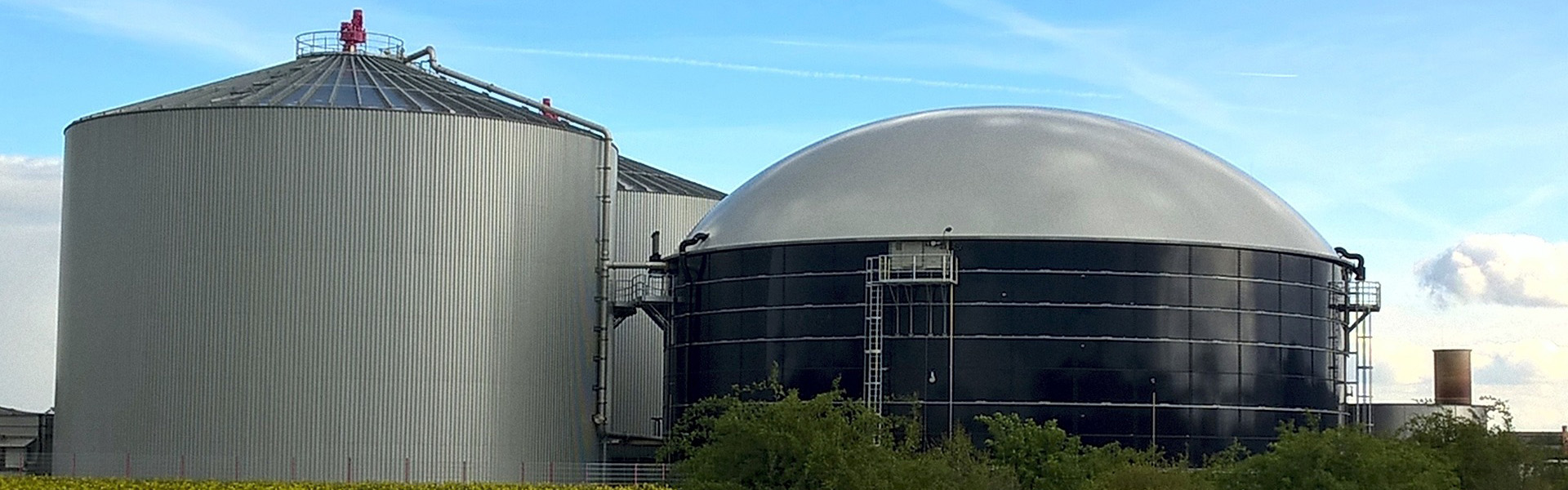
A modern anaerobic digester system is far more than a simple tank. It is a complex biological reactor designed to maintain optimal conditions for methane-producing bacteria. These microorganisms are the workforce of your plant. If the environment becomes unstable, the bacterial colony suffers, and gas production drops immediately. Consequently, manufacturers in this space are moving away from generic designs toward highly specialized systems tailored to specific substrates, ensuring that operators can maintain peak performance regardless of input variations.
Maximizing Biogas Yield Through Precision Engineering
To achieve maximum output, precision engineering is non-negotiable. An anaerobic digester system must maintain strict temperature consistency, usually in the mesophilic or thermophilic range, depending on the feedstock composition. If the temperature fluctuates by even a few degrees, the microbial community experiences shock, leading to reduced volatile solids destruction.
High-quality systems incorporate advanced heating mechanisms and insulation. These features ensure that the energy put into heating the tank does not outweigh the energy produced by the gas. For international manufacturers, the goal is to create systems that achieve self-sufficiency. A well-tuned anaerobic digester system should produce enough biogas to power its own heating requirements while still exporting a significant surplus to the upgrading unit.
Enhancing Gas Quality for Upstream Processing
The quality of raw biogas directly impacts the efficiency of the upgrading equipment. Contaminants such as hydrogen sulfide, siloxanes, and moisture can cripple downstream gas upgrading systems, leading to frequent maintenance and membrane fouling. Therefore, modern designs integrate biological desulfurization methods directly into the tank.
By injecting controlled amounts of oxygen or air into the headspace of the anaerobic digester system, operators can cultivate sulfur-oxidizing bacteria. These naturally occurring microbes consume hydrogen sulfide within the tank, reducing the concentration from thousands of parts per million down to manageable levels before the gas even leaves the vessel. This approach reduces the operational burden on the gas cleaning skids, extending the lifespan of expensive membranes and catalysts used in the upgrading process.
Reducing Operational Downtime and Maintenance Costs
Downtime is the biggest enemy of biogas profitability. When an anaerobic digester system fails or requires emergency cleaning, the entire value chain stops. Feedstock backs up, gas production halts, and revenue generation ceases. To prevent this, manufacturers are focusing on robust mixing technologies.
Traditional systems often suffer from sedimentation and floating layers. These create dead zones where bacteria cannot function. Advanced systems utilize long-shaft submersible mixers or side-entry propellers to create a homogenous environment. This constant motion ensures that the bacteria have consistent access to food. Moreover, it prevents the buildup of grit and sand at the bottom of the tank. For international operators, selecting an anaerobic digester system with high-quality mixing equipment is the most effective way to ensure continuous, unattended operation for years.
Adapting to Diverse Feedstock Profiles
One of the biggest challenges in the industry is feedstock variability. A plant that runs exclusively on corn silage will have different biological needs than one processing food waste or manure. A versatile anaerobic digester system must be able to handle these fluctuations without destabilizing.
Manufacturers now offer modular designs that allow for adjustments in hydraulic retention time (HRT) and organic loading rate (OLR). If a high-energy substrate becomes available, the system must be able to handle the sudden spike in ammonia or fatty acids. Advanced monitoring tools, including online sensors for volatile fatty acids (VFAs) and pH, allow operators to make micro-adjustments in real-time. This level of control ensures that the anaerobic digester system remains resilient, turning potential instability into an opportunity for increased gas production.
Sustainability and Carbon Reduction Goals
As governments and corporations tighten their carbon reduction targets, the demand for efficient biogas upgrading has surged. An optimized anaerobic digester system contributes directly to sustainability by maximizing methane capture. Every molecule of methane that escapes from a leaky or poorly maintained tank is a potent greenhouse gas released into the atmosphere.
Modern systems are designed with double-membrane gas holders or integrated membrane roofs that provide secure storage. This prevents fugitive emissions and ensures a constant, steady pressure of gas feeding the upgrading equipment. Furthermore, the digestate produced by a high-performing anaerobic digester system is a nutrient-rich fertilizer. When processed correctly, it replaces synthetic fertilizers, closing the loop on carbon emissions. For international projects aiming for carbon credits or green certification, the efficiency of the digester is the primary factor determining eligibility.
Key Components of a Future-Proof Installation
Investing in a biogas plant is a long-term commitment. Future-proofing the installation means selecting an anaerobic digester system that can scale with the business. As production increases or feedstock contracts change, the system should accommodate expansion without requiring a complete rebuild.
This includes considering the material of construction. Stainless steel tanks with glass-fused-to-steel (GFS) panels offer superior corrosion resistance compared to painted carbon steel or concrete. In the aggressive chemical environment of anaerobic digestion, corrosion is a slow but inevitable killer. GFS panels ensure that the anaerobic digester system maintains structural integrity and leak-tightness for decades. Additionally, automation software that integrates with SCADA systems allows for remote monitoring, a feature that is becoming mandatory for large-scale international facilities seeking to minimize on-site labor costs.
Ultimately, the success of any renewable natural gas (RNG) project hinges on the reliability of the initial biological stage. While gas upgrading equipment often gets the spotlight for turning biogas into pipeline-quality gas, it cannot function effectively without a stable, high-quality input. Investing in a robust anaerobic digester system is the most critical decision a developer can make. It determines the yield, the gas purity, and the operational uptime. In the competitive landscape of international bioenergy, those who prioritize the engineering of their digester are the ones who achieve the highest returns and the lowest carbon footprints.
Frequently Asked Questions (FAQs)
Q1:
How long does it take to start up a new anaerobic digester
system?
A1: The startup phase
typically takes between 4 to 12 weeks, depending on the feedstock and the
quality of the inoculum used. During this period, operators gradually increase
the organic loading rate to allow the bacterial population to grow. Rushing this
process can lead to acidification and failure, so a slow, controlled startup is
essential for long-term stability.
Q2:
What are the most common causes of failure in an anaerobic digester
system?
A2: The most common causes
include ammonia toxicity from protein-rich feedstocks, accumulation of fats/oils
that cause foaming, and temperature fluctuations. Additionally, heavy metals or
disinfectants in the input can poison the bacterial colony. Regular monitoring
of VFA/alkalinity ratios and strict feedstock quality control are necessary to
prevent these issues.
Q3:
Can an anaerobic digester system handle food
waste?
A3: Yes, but it requires
careful design. Food waste has high organic content but also high levels of fats
and potential contaminants. A system designed for food waste typically
requires stronger mixing capabilities, pre-treatment equipment like macerators,
and robust biological desulfurization to handle the rapid gas production spikes
associated with high-fat substrates.
Q4:
How often does the mixing equipment inside the tank require
maintenance?
A4: High-quality
submersible mixers, when installed correctly on a rail system, can operate for 5
to 8 years with minimal maintenance. However, it is critical that
the anaerobic digester system is designed
with "hot-swappable" capabilities, allowing mixers to be removed and serviced
without draining the tank or stopping the gas production process.
Q5:
Is it possible to increase the capacity of an existing anaerobic digester
system?
A5: Yes, many modern systems
are designed with modular expansion in mind. Capacity can be increased by adding
secondary fermentation tanks, extending the hydraulic retention time, or
implementing advanced pretreatment systems to break down fibrous materials
before they enter the main tank. This allows the core system to handle a higher
throughput without requiring a complete replacement of the primary
infrastructure.